Visa Bulletin Predictions 2026 Florida: Navigating Priority Dates
Dive into the latest Visa Bulletin predictions for 2026, offering crucial insights for immigrants in Florida. This guide breaks down priority dates, processing expectations, and cost factors for family-sponsored and employment-based categories. Learn how to navigate potential wait times, avoid common mistakes, and prepare your immigration application effectively. Our expert analysis helps you understand what to expect from USCIS and the Department of State in the coming year. Florida Immigration Lawyers provides essential information and legal support for residents across the state, including Coral Springs. Contact us for a free consultation to discuss your specific immigration journey.
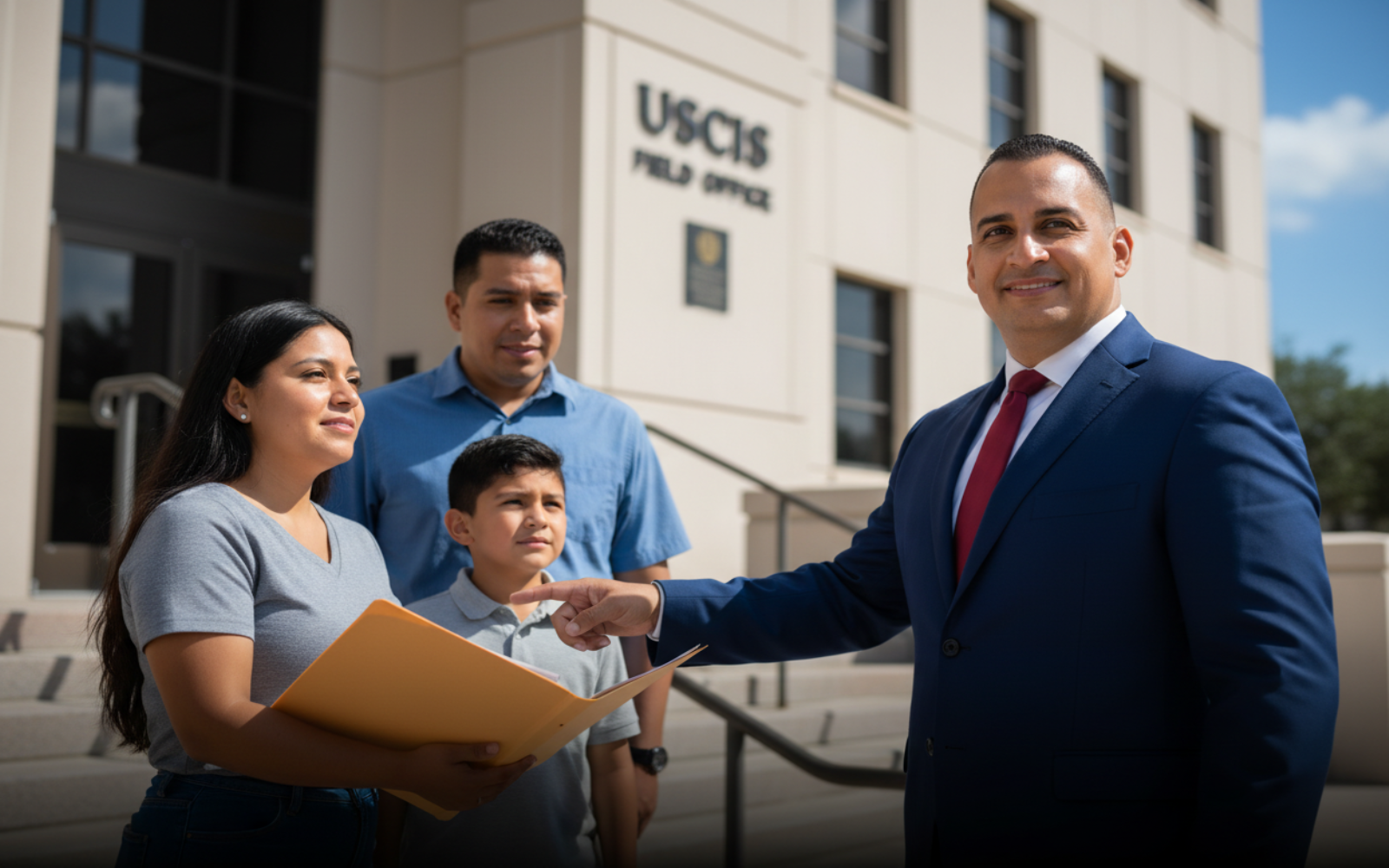
The Visa Bulletin for 2026 is expected to continue reflecting global demand and country-specific backlogs, particularly impacting employment-based and certain family-sponsored categories. While no definitive predictions guarantee specific movements, applicants in Florida should anticipate dynamic priority date shifts. Monitoring official updates is crucial for understanding eligibility for adjustment of status or consular processing.
- Priority dates will remain a key factor for visa availability.
- Employment-based categories like EB-2 and EB-3 may see moderate advancements.
- Family-sponsored categories could experience continued backlogs for some nationalities.
- Regularly check the official Visa Bulletin from the Department of State.
- Consult an experienced immigration attorney for personalized guidance.
Visa Bulletin Predictions 2026 Florida: Navigating Priority Dates
Are you an immigrant in Florida anxiously awaiting your turn for a green card? The journey through the U.S. immigration system can feel like a complex maze, especially when dealing with the ever-changing Visa Bulletin. Understanding how priority dates and visa availability will shift in 2026 is vital for your planning and peace of mind.
Many individuals and families in Coral Springs and across Florida face uncertainty about when their immigration cases will move forward. This comprehensive guide will demystify the Visa Bulletin, offer insights into potential 2026 predictions, and help you understand what these changes could mean for your future. We aim to provide clarity on this crucial aspect of immigration law.
Navigating these complexities successfully often requires expert legal assistance. If you have questions about your specific situation or need help understanding the 2026 Visa Bulletin predictions, do not hesitate to reach out. Call Florida Immigration Lawyers at 1-844-967-3536 for a free consultation today.
Understanding the Visa Bulletin and Priority Dates in Florida
The Visa Bulletin is a monthly publication by the U.S. Department of State that provides crucial information for immigrants. It indicates when immigrant visas are available for specific categories and countries of chargeability. This bulletin dictates who can apply for adjustment of status within the U.S. or proceed with consular processing abroad.
Your **priority date** is essentially your place in line. For family-sponsored preferences, this is the date USCIS receives your Form I-130, Petition for Alien Relative. For employment-based preferences, it's the date USCIS receives your Form I-140, Immigrant Petition for Alien Worker, or the date the Department of Labor accepts your labor certification application.
The Visa Bulletin features two key charts: "Final Action Dates" and "Dates for Filing Applications." The Final Action Dates indicate when a visa number is actually available for issuance. The Dates for Filing Applications determine when applicants can submit their adjustment of status applications to USCIS, even if a final visa number isn't immediately available.
For Florida residents, especially in high-demand areas like Coral Springs, understanding these dates is critical. The volume of applications from certain countries, combined with annual visa limits set by the Immigration and Nationality Act (INA), often creates significant backlogs. This means many applicants must wait years, or even decades, for their priority date to become current.
The U.S. government allocates a limited number of immigrant visas each fiscal year, as outlined in the INA § 201 and INA § 203. This numerical limitation is a primary reason why priority dates exist and why the Visa Bulletin is so important. Visa categories are broadly divided into family-sponsored and employment-based preferences, each with their own sub-categories and numerical caps.
How the Visa Bulletin Impacts Your Immigration Journey: A Step-by-Step Guide
Navigating the immigration process with the Visa Bulletin in mind requires careful attention to detail and proactive planning. Here is a step-by-step guide to help you understand its impact:
- Establish Your Priority Date: Your journey begins when an eligible petitioner files an immigrant visa petition on your behalf. This is typically Form I-130 for family-based visas or Form I-140 for employment-based visas. The date USCIS receives this petition (or the labor certification filing date for employment cases) becomes your priority date. Ensure all information is accurate from the start to avoid delays.
- Monitor the Monthly Visa Bulletin: Once you have your priority date, you must regularly check the Department of State's official Visa Bulletin. This publication is released around the second week of each month and projects visa availability for the following month. Pay close attention to your specific visa category and country of chargeability.
- Understand "Current" vs. "Retrogressed": When the Visa Bulletin shows your priority date as "current" (C), it means a visa number is immediately available. If your priority date is earlier than the listed cut-off date, you may proceed. "Retrogressed" means the cut-off date has moved backward, indicating more demand than available visas. This can happen unexpectedly.
- Prepare for Adjustment of Status or Consular Processing: If you are already in the U.S. and your priority date becomes current under the "Dates for Filing Applications" chart, you may be eligible to file Form I-485, Application to Register Permanent Residence or Adjust Status. If you are abroad, or if USCIS directs, you will proceed with consular processing through a U.S. embassy or consulate, facilitated by the National Visa Center (NVC).
- Attend Your Interview: After filing for adjustment of status or completing consular processing requirements, you will be scheduled for an interview. For adjustment of status applicants in Florida, this interview typically takes place at a local USCIS office, such as the one serving the Coral Springs area. Consular processing interviews happen at a U.S. embassy or consulate in your home country.
- Receive Your Green Card: Upon successful completion of your interview and approval, your green card will be mailed to you. This signifies your official status as a lawful permanent resident, granting you the ability to live and work permanently in the U.S.
Each step in this process is critical, and errors can lead to significant delays or even denials. Florida Immigration Lawyers can guide you through each stage, ensuring your application is complete and correctly submitted. Learn more about our comprehensive immigration services.
Document Checklist: Preparing for Your Visa Interview
Thorough preparation is paramount for a successful visa interview, whether it's for adjustment of status or consular processing. Gathering all required documents in advance will streamline the process and demonstrate your readiness. Here is a general checklist of documents you will typically need:
- Valid unexpired passport for each applicant
- Birth certificates for all applicants
- Marriage certificate (if applicable)
- Divorce decrees or death certificates of previous spouses (if applicable)
- Police certificates from all countries where you have lived for more than six months since age 16
- Court and prison records (if applicable)
- Military records (if applicable)
- Signed Form I-864, Affidavit of Support, from the petitioner and any joint sponsors, along with supporting financial documents (tax returns, W-2s, employment verification letters)
- Medical examination results from a USCIS-approved physician (for adjustment of status) or a panel physician (for consular processing)
- Two identical passport-style photographs for each applicant
- Original or certified copies of all civil documents submitted with your initial petition
- Any Requests for Evidence (RFE) responses or additional documents requested by USCIS or the NVC
- Proof of relationship to the petitioner (e.g., photos, letters, joint bank statements)
Always review the specific instructions provided by USCIS or the NVC for your case, as requirements can vary. Having organized and complete documentation will significantly aid your interview and help prevent unnecessary delays. We can help ensure your family immigration application is complete.
Timeline and Processing Expectations: What to Expect for Visa Bulletin 2026 Florida
Predicting exact timelines for the Visa Bulletin in 2026 is challenging due to numerous variables. However, we can discuss general expectations and factors that influence processing times. The Department of State notes that visa availability is subject to change based on demand and annual limits, as per 22 CFR § 42.51.
Will USCIS be moving faster in 2026? While USCIS continuously works to improve processing efficiencies, significant changes often depend on resource allocation, legislative adjustments, and the volume of incoming petitions. We may see incremental improvements in certain areas, but a dramatic, across-the-board acceleration is not guaranteed. However, the agency often prioritizes certain case types, which can influence overall speed.
For **employment-based categories**, such as EB-2 and EB-3, general trends suggest continued moderate advancements for most countries, but significant backlogs may persist for high-demand countries like India and China. We anticipate the **Visa Bulletin April 2026 predictions**, **Visa Bulletin May 2026 predictions**, and later bulletins like **Visa Bulletin October 2026 predictions** to show a gradual movement, but with potential for retrogression if demand surges.
Regarding the question, "**Will EB3 move faster in 2026?**" it's possible for EB-3 to see good movement, especially if other categories like EB-2 retrogress or if there's a spillover of unused visas. Historically, these categories can fluctuate based on overall demand and annual limits. Applicants should monitor the bulletin closely.
For **family-sponsored categories**, particularly F-1 (unmarried adult sons and daughters of U.S. citizens) and F-2B (unmarried adult sons and daughters of LPRs), backlogs are expected to continue for many nationalities. The **Visa Bulletin March 2026 predictions** and **Visa Bulletin February 2026 predictions** will likely reflect these ongoing challenges. The pace of movement depends heavily on visa demand from specific countries, with Mexico and the Philippines often experiencing the longest wait times.
It is important to remember that **the Visa Bulletin itself does not predict future availability** in the sense of guaranteeing specific forward movements. Instead, it reflects the current availability based on the past month's visa usage and demand. Immigration attorneys often analyze historical trends and current legislative proposals to offer informed insights, but these are always subject to change.
Florida Immigration Lawyers stay abreast of these developments, helping our clients in Coral Springs and statewide understand their potential citizenship path and navigate these complex timelines. We monitor official announcements from the Department of State and USCIS to provide the most up-to-date guidance.
Cost Factors and Fee Breakdown: Understanding Immigration Expenses
The immigration process involves various fees that applicants must consider. These costs can accumulate and are subject to change by government agencies. It is crucial to budget appropriately for your immigration journey.
- USCIS Filing Fees: These are fees for petitions (e.g., Form I-130, Form I-140) and applications (e.g., Form I-485, Form I-765 for Employment Authorization, Form I-131 for Travel Document). Fees vary significantly by form and are subject to periodic adjustments. Always check the official USCIS website for the most current fee schedule.
- Department of State Fees: For consular processing, this includes the Immigrant Visa Application Processing Fee (DS-260) and the USCIS Immigrant Fee, which is typically paid after visa approval and before green card production.
- Medical Examination Fees: All applicants for permanent residency must undergo a medical examination by a USCIS-approved civil surgeon (for adjustment of status) or a panel physician (for consular processing). These fees are paid directly to the doctor's office and vary widely.
- Attorney Fees: Retaining an experienced immigration attorney, such as those at Florida Immigration Lawyers, involves legal fees. These fees cover professional services, including case assessment, petition preparation, document review, representation at interviews, and ongoing communication. While an investment, legal representation can prevent costly errors and delays.
- Ancillary Costs: Other potential costs include translation services for foreign documents, postage, travel expenses for interviews, and fees for obtaining necessary civil documents like birth or marriage certificates.
It is important to note that government fees are non-refundable, regardless of the outcome of your application. Florida Immigration Lawyers provides transparent information about our legal fees during your free consultation, so you understand the financial aspects of your case. We believe in clear communication and predictable costs for our clients in Coral Springs and throughout Florida.
Do not navigate this process alone. Contact Florida Immigration Lawyers today for expert guidance and support.
Common Mistakes to Avoid When Monitoring the Visa Bulletin
Successfully navigating the immigration process, particularly when dealing with the Visa Bulletin and priority dates, requires meticulous attention to detail. Avoiding common pitfalls can save you significant time, money, and stress. Here are some mistakes to watch out for:
- Failing to Monitor the Visa Bulletin Regularly: Many applicants assume they will be notified when their priority date becomes current. This is not always the case. Missing the window when your date is current can lead to delays or even the need to refile if categories retrogress significantly.
- Misinterpreting Priority Dates: The Visa Bulletin has "Final Action Dates" and "Dates for Filing Applications." Confusing these two can lead to premature filing or missed opportunities. Always understand which chart applies to your specific situation and action (filing I-485 vs. visa issuance).
- Not Updating Your Contact Information: Moving without updating your address with USCIS and the NVC can result in missed notices, RFEs, or interview appointments. This can lead to case abandonment.
- Submitting Incomplete or Incorrect Forms: Even minor errors or omissions on immigration forms can lead to Requests for Evidence (RFEs) or outright denials, significantly prolonging your case.
- Assuming All Categories Move Uniformly: Visa availability varies greatly by preference category (e.g., F-1, F-2A, EB-1, EB-3) and country of chargeability. What applies to one category or country may not apply to another.
- Traveling Internationally Without Legal Advice: If you have a pending adjustment of status application, traveling outside the U.S. without proper advance parole can lead to your application being considered abandoned. Always consult with an attorney before making travel plans.
- Ignoring Requests for Evidence (RFEs): If USCIS sends an RFE, it means they need more information. Failing to respond adequately and on time can result in a denial of your petition or application.
- Not Seeking Legal Counsel for Complex Cases: Cases involving criminal history, previous immigration violations, or complex family situations require expert legal guidance. Attempting to manage these alone can lead to irreversible negative outcomes.
- Providing Inconsistent Information: All information provided to immigration authorities across different forms and interviews must be consistent. Discrepancies can raise red flags and lead to accusations of misrepresentation.
- Missing Filing Deadlines: For certain applications, there are strict deadlines. Missing these can mean losing an opportunity or having your application rejected.
- Relying on Unofficial Sources for Predictions: While discussions and analyses can be helpful, always cross-reference information with official Department of State and USCIS publications. Unofficial predictions are not guarantees.
- Allowing Your Nonimmigrant Status to Lapse: If you are in the U.S. and waiting for your priority date to become current, ensure you maintain your underlying nonimmigrant status (e.g., H-1B, F-1) until you are eligible to file for adjustment of status, or you may accrue unlawful presence.
When to Call a Lawyer for Visa Bulletin and Priority Date Guidance
While understanding the Visa Bulletin is crucial, the nuances of immigration law often require professional legal assistance. Florida Immigration Lawyers are here to provide the expert guidance you need. Knowing when to seek legal counsel can make a significant difference in your case's outcome.
You should consider contacting an immigration lawyer if:
- Your Priority Date is Approaching: As your priority date nears, it is essential to prepare your adjustment of status application or consular processing documents meticulously. An attorney can help you gather everything and ensure timely submission.
- You Receive an RFE or Notice of Intent to Deny (NOID): These notices indicate a problem with your application. A lawyer can help you understand the issue and craft a strong, comprehensive response to prevent denial.
- Your Case Involves Complex Issues: If you have a criminal record, previous immigration violations, or other factors that could make your case challenging, legal representation is vital. We also assist with deportation defense for those facing removal proceedings.
- You Are Unsure About Your Eligibility: Immigration laws are complex and frequently change. An attorney can assess your unique situation, confirm your eligibility for specific visa categories, and advise on the best path forward.
- You Are Considering Changing Your Status or Category: If your life circumstances change (e.g., marriage, new job offer), an attorney can advise how this impacts your current application and whether changing categories is beneficial or even possible. Our firm also handles business immigration matters.
- You Need Help Understanding the Visa Bulletin: The bulletin's terminology and implications can be confusing. A lawyer can explain how it specifically applies to your case and what actions you should take.
- You Are Experiencing Unexplained Delays: If your case seems to be stuck or processing unusually slowly, an attorney can inquire with USCIS or the NVC on your behalf and investigate potential issues.
- You are in Florida and need local expertise: Our firm specializes in Florida immigration law, understanding the local USCIS field offices, courts, and specific challenges faced by immigrants in areas like Coral Springs.
Florida Immigration Lawyers offers dedicated and compassionate legal support for all your immigration needs. Our team of experienced attorneys is committed to helping you achieve your American dream.
About Florida Immigration Lawyers
Florida Immigration Lawyers is a leading immigration law firm dedicated to serving individuals and families across the entire state of Florida. With years of experience and a deep understanding of U.S. immigration law, we provide comprehensive legal services to navigate complex immigration challenges.
Our firm is built on a foundation of empathy, integrity, and a relentless commitment to our clients. We understand the profound impact immigration matters have on your life, and we are here to offer skilled legal representation and personalized attention. Whether you are in Coral Springs, Miami, Orlando, or anywhere else in Florida, our team is ready to assist you.
We offer a wide range of immigration services, including family-based visas, employment-based visas, adjustment of status, naturalization, deportation defense, asylum claims, and much more. Our goal is to simplify the legal process for you, protect your rights, and work towards the best possible outcome for your case.
Choose Florida Immigration Lawyers because we offer: experienced and knowledgeable attorneys, personalized legal strategies, transparent communication, and a proven track record of success. We are available 24/7 to answer your questions and provide urgent assistance. We also offer free consultations to discuss your case without any initial financial commitment.
For trusted legal advice and unwavering support, contact us today. Visit our website at https://www.floridaimmigrationlawyers.net or call us directly at 1-844-967-3536.
Sources and References
- U.S. Citizenship and Immigration Services (USCIS)
- U.S. Department of State - Visa Bulletin
- Executive Office for Immigration Review (EOIR)
- 8 U.S.C. Chapter 12 - Immigration and Nationality Act (INA)
- INA § 201 - Worldwide level of immigration
- INA § 203 - Allocation of immigrant visas
- 22 CFR § 42.51 - Order of consideration
Related Articles
You may also be interested in:
- Dual Citizenship Florida: Navigating U.S. Immigration in 2026
Explore the comprehensive guide to dual citizenship in Florida for 2026. This article demystifies U.S. immigration laws,...
- Nicole Micheroni Immigration Lawyer Florida: Your 2026 Guide
The Nicole Micheroni immigration lawyer case highlighted potential government errors in immigration. For Florida residen...
- UK Citizens Florida Immigration: Navigating 2026 Updates
For UK citizens navigating U.S. immigration in Florida, 2026 brings ongoing policy considerations and the need for clear...
- Work Permit EAD Florida Application 2026: Get Your Employment Authorization
Secure your work permit (EAD) in Florida with our 2026 guide. Learn about the I-765 application process, eligibility req...
This article provides general legal information and is not intended as legal advice. Every case is unique, and outcomes depend on specific facts and circumstances. Contact an attorney for advice about your particular situation.
Understanding the Visa Bulletin and predicting its movements in 2026 can be daunting, but you don't have to face it alone. Our dedicated team at Florida Immigration Lawyers is ready to provide the guidance and support you need to navigate this complex journey. We are committed to helping you achieve your immigration goals with confidence and clarity.
Take the first step towards securing your future. Call Florida Immigration Lawyers today at 1-844-967-3536 for a free, confidential consultation. Se Habla Español - Estamos aquí para ayudarle.
Need help with Immigration?
Our Florida immigration attorneys offer free consultations. Call today or schedule online.
Florida Immigration Lawyers
Legal Team
Our experienced attorneys at Florida Immigration Lawyers have been serving clients across Florida for over 20 years. We specialize in immigration, personal injury, criminal defense, workers compensation, and family law.