UK Immigration Reform Denmark Model: What it Means for Florida
The United Kingdom's recent interest in the "Denmark model" for immigration reform highlights a global trend of evolving immigration policies. This model emphasizes strict controls, temporary protection, and deterrence of asylum seekers, contrasting sharply with current U.S. immigration principles. While these reforms directly target UK policy, they spark important conversations about future immigration landscapes worldwide. For Florida residents, understanding these international discussions provides context, but your immigration journey is governed by distinct U.S. federal laws. This post explores the Danish model, its implications, and provides a guide to navigating the U.S. immigration system, emphasizing the importance of expert legal counsel from firms like Florida Immigration Lawyers. Learn how global reforms differ from U.S. law and how to protect your immigration interests in Florida.
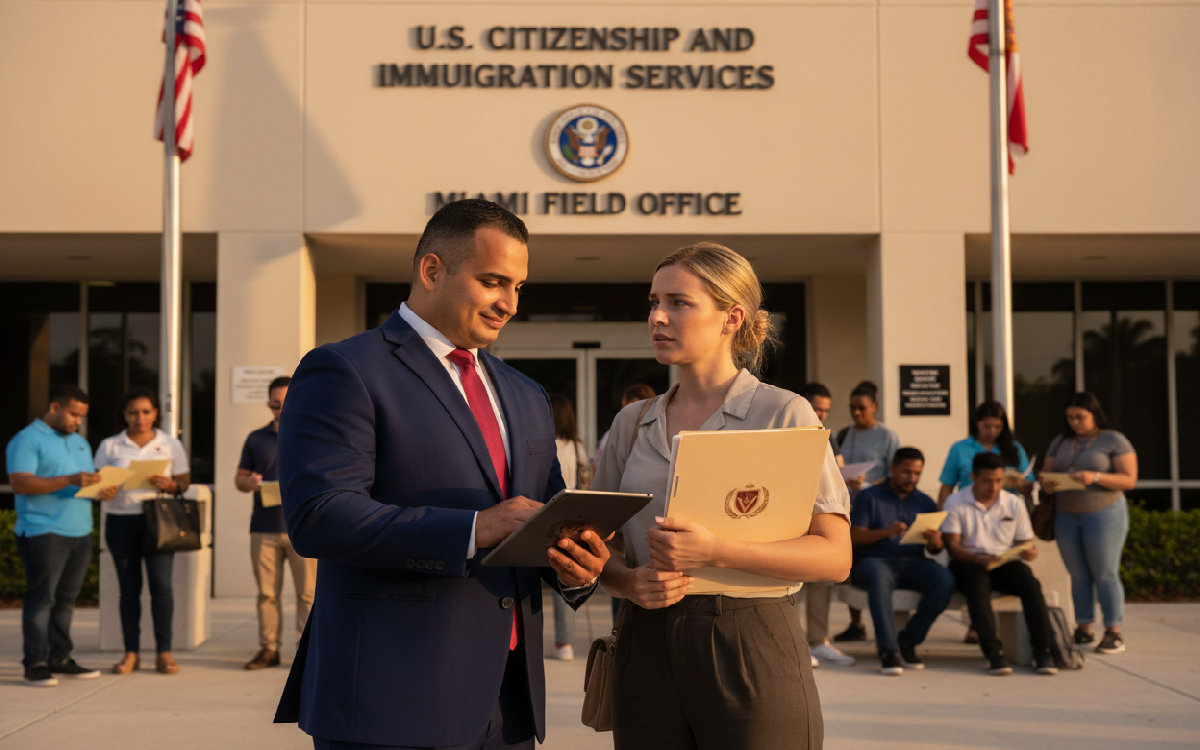
- The UK is exploring Denmark's strict immigration and asylum policies.
- Denmark's model emphasizes temporary protection and external processing.
- U.S. immigration law operates independently from UK/Danish reforms.
- Global trends underscore the complexity of international immigration.
- Florida residents should always seek counsel for U.S. immigration matters.
Are you following the global conversation around immigration reform? Recent discussions have highlighted the United Kingdom's interest in adopting aspects of Denmark's stringent immigration model. This potential shift has sparked considerable debate, raising questions about its principles and broader implications. While these reforms directly target UK policy, they underscore a global trend of evolving immigration laws that can feel overwhelming and uncertain for individuals and families worldwide.
For residents of Pembroke Pines and across Florida, understanding these international developments is crucial for context, even as your immigration journey remains firmly rooted in U.S. law. The United States operates under its own comprehensive legal framework, distinct from European models. However, staying informed about global shifts helps us appreciate the complexities of immigration policy and the importance of robust legal representation.
This comprehensive guide will delve into the UK immigration reform Denmark model, explaining its core tenets and contrasting it with the U.S. immigration system. We will explore how these global discussions relate to your situation in Florida, providing essential information on navigating U.S. immigration processes. If you or your loved ones are seeking clarity on your immigration status or potential pathways, call Florida Immigration Lawyers at 1-844-967-3536 for a free consultation today. Our dedicated team is here to assist you.
Understanding the UK Immigration Reform Denmark Model
The United Kingdom has been exploring significant reforms to its immigration and asylum system, with particular attention to the so-called "Danish model." This interest stems from a desire to reduce irregular migration and enhance border control, similar to policy discussions seen in other nations globally. The Denmark immigration policy 2025 and beyond aims for a highly restrictive approach.
The Danish model, often cited for its strictness, prioritizes deterrence and temporary protection rather than integration. It seeks to limit the number of asylum seekers and ensure that those granted protection do so on a temporary basis, with a strong emphasis on return to their home countries when conditions improve. This approach has drawn both praise for its perceived effectiveness in controlling borders and criticism for its humanitarian implications.
Key Principles of Denmark's Immigration Approach
Denmark's immigration system is characterized by several core principles designed to make the country less attractive to asylum seekers. These include:
- Temporary Protection: Asylum seekers are typically granted only temporary residence permits, which must be regularly renewed. Permanent residency is difficult to obtain.
- External Processing: Denmark has explored and advocated for the processing of asylum applications outside its borders, a controversial measure aimed at preventing arrivals.
- Limited Family Reunification: Strict conditions apply to family reunification, including financial self-sufficiency requirements and often an age limit for spouses, known as the "24-year rule." This rule, for instance, generally requires both spouses to be at least 24 years old for family reunification.
- Reduced Benefits: Social benefits and integration programs for new arrivals are often less generous compared to other European nations, further discouraging long-term settlement.
- Emphasis on Repatriation: A strong focus is placed on encouraging and facilitating the return of individuals to their home countries once protection is no longer deemed necessary.
These measures collectively form the Danish immigration model, which the UK government has studied closely.
Why the UK is Looking to Denmark
The UK government's interest in the Danish immigration model is driven by several factors. Following Brexit, the UK gained greater control over its borders and immigration policies, leading to a desire for a new system that is perceived as fairer, firmer, and more effective. The high number of irregular crossings, particularly across the English Channel, has fueled political pressure for stricter controls.
By emulating elements of Denmark's approach, the UK hopes to deter illegal immigration, streamline asylum processing, and reduce the overall number of new arrivals. This aligns with broader global trends where nations are re-evaluating their immigration frameworks in response to geopolitical events and internal pressures. However, implementing such a model in the UK would face significant legal and ethical challenges, given international human rights obligations and existing domestic laws.
It is important to remember that the U.S. immigration system, governed by the Immigration and Nationality Act (INA), 8 U.S.C. § 1101 et seq., operates on different principles. While global discussions like the uk immigration reform denmark model are informative, they do not directly dictate U.S. policy or your immigration options in Florida.
Navigating Global Immigration Trends: A Step-by-Step Guide for Florida Residents
While the UK and Denmark debate their future immigration policies, your journey in the United States requires navigating specific U.S. immigration laws. For those living in Pembroke Pines, Miami, Orlando, or anywhere in Florida, understanding the established process is paramount. Our firm, Florida Immigration Lawyers, can guide you through each stage.
- Step 1: Understand U.S. Immigration Law and Your Eligibility. The first crucial step is to determine which immigration pathway applies to your unique situation. The U.S. offers various categories, including family-based immigration, employment-based visas, asylum, and naturalization. Each category has distinct eligibility criteria set forth by laws such as the INA. For instance, asylum claims are governed by INA 208. Your eligibility will depend on factors like your relationship to a U.S. citizen or lawful permanent resident, your skills, or your fear of persecution.
- Step 2: Gather Required Documentation. Once you identify your pathway, you must collect all necessary supporting documents. This often includes passports, birth certificates, marriage certificates, financial records, educational transcripts, and police clearances. Accuracy and completeness are vital to avoid delays. Ensure all foreign documents are accompanied by certified English translations.
- Step 3: File Petitions and Applications with USCIS. Most immigration processes begin with filing a petition or application with U.S. Citizenship and Immigration Services (USCIS). This could be an I-130 Petition for Alien Relative, an I-140 Immigrant Petition for Alien Worker, or an I-589 Application for Asylum and for Withholding of Removal. You must pay the correct filing fees and submit all forms accurately as per 8 CFR regulations.
- Step 4: Attend Biometrics Appointments. After filing, many applicants will receive an appointment notice for biometrics collection at an Application Support Center (ASC). This involves submitting fingerprints, photographs, and a signature for background checks and identity verification. This is a standard part of the process for most green card and citizenship applications.
- Step 5: Attend Interviews/Appointments (if applicable). Depending on your case type, you may be required to attend an interview at a USCIS field office in Florida, such as those in Miami, Orlando, or Tampa, or at a U.S. embassy or consulate abroad if you are processing through consular processing. During the interview, an immigration officer will review your application and documents and ask questions to verify your eligibility.
- Step 6: Await Decision and Next Steps. After completing all required steps, you will receive a decision on your application. If approved, you will typically receive a green card, visa, or citizenship certificate. If your application is denied, it is crucial to consult with an experienced Florida immigration lawyer immediately to understand your options, which may include appeals or refiling.
For detailed guidance on any of these steps, especially concerning complex issues like asylum or deportation defense, please visit our practice areas page on U.S. immigration law.
Essential Documents for Your U.S. Immigration Case
A successful immigration application in the U.S. hinges on submitting a complete and accurate set of documents. Missing or incorrect paperwork is a common cause of delays and denials. While specific requirements vary greatly by case type, here is a general checklist of documents you may need to prepare for your USCIS application:
- Proof of Identity and Nationality: Valid passport, birth certificate, national ID cards.
- Proof of Legal Status (if applicable): Current visa, I-94 arrival/departure record, previous immigration documents.
- Relationship Evidence (for family-based cases): Marriage certificates, birth certificates of children, divorce decrees, photos, joint bank accounts, lease agreements.
- Financial Support Documents: Affidavits of Support (Form I-864), tax returns, employment letters, pay stubs, bank statements.
- Medical Examination Records: Completed Form I-693 by a USCIS-approved civil surgeon.
- Police and Court Records: Criminal records, arrest reports, court dispositions (if any).
- Educational and Work History (for employment-based cases): Diplomas, transcripts, professional licenses, employer letters, resumes.
- Photos: Passport-style photographs meeting USCIS specifications.
- Translations: Certified English translations for any document not originally in English.
Always remember to keep original documents safe and submit only copies unless specifically requested by USCIS. Your Florida immigration lawyer can provide a tailored document checklist for your specific situation.
U.S. Immigration Timelines and Processing Expectations in Florida
Understanding the potential timeline for your immigration case is crucial for planning your future in Florida. USCIS processing times can vary significantly based on the specific form filed, the service center handling your case, and the current workload. While the uk immigration reform denmark model discussions focus on different processing speeds, the U.S. system has its own benchmarks.
For example, processing times for green card applications (Form I-485) can range from several months to several years, especially if a visa bulletin wait time is involved due to annual quotas. Family-based petitions often have longer wait times due to visa availability. Employment-based petitions can be quicker, but still subject to backlogs. You can check estimated processing times on the official USCIS website.
Factors that can influence your timeline include:
- Case Complexity: Straightforward cases generally process faster than those with complications or requests for evidence (RFEs).
- Service Center: Different USCIS service centers and field offices (like those in Miami, Orlando, or Tampa) may have varying workloads.
- Country of Origin: Visa bulletin priority dates are determined by your country of birth, which can significantly impact wait times for certain visa categories.
- Policy Changes: While the uk immigration reform denmark model won't directly impact U.S. policy, domestic policy shifts or administrative changes can affect processing.
We understand that waiting can be stressful. Our team at Florida Immigration Lawyers keeps abreast of the latest USCIS updates and can help you track your case progress.
Cost Factors and Fee Breakdown for U.S. Immigration Applications
Pursuing an immigration pathway in Florida involves various costs. It's important to budget for these expenses to ensure a smooth application process. While the uk immigration reform denmark model may involve different fee structures, the U.S. system has its own set of fees.
The primary costs you will encounter include:
- USCIS Filing Fees: Each form required for your application (e.g., I-130, I-485, N-400) has a specific fee. These fees are subject to change, so it's essential to check the most current amounts on the USCIS website before filing.
- Biometrics Services Fee: A separate fee is typically required for your biometrics appointment, covering the cost of fingerprinting and background checks.
- Medical Examination Fees: You must undergo a medical examination by a USCIS-approved civil surgeon. The cost for this exam varies by provider and is paid directly to the doctor's office.
- Attorney Fees: Engaging an experienced Florida immigration lawyer provides invaluable expertise and guidance, minimizing errors and maximizing your chances of success. Our firm offers transparent fee structures.
- Translation Services: If any of your supporting documents are not in English, you will need to pay for certified translations.
- Miscellaneous Costs: These can include postage, travel expenses for interviews, and fees for obtaining vital records.
Planning for these costs is a critical part of your immigration strategy. We can help you understand the financial aspects of your specific case during your free consultation.
The complexities of global immigration discussions, from the uk immigration reform denmark model to specific U.S. regulations, can be overwhelming. Do not navigate this process alone. Contact Florida Immigration Lawyers today for expert legal assistance. We are here to simplify your journey and advocate for your best interests.
Common Mistakes to Avoid in Your Immigration Journey
Navigating the U.S. immigration system, even without the added layer of understanding global policy shifts like the uk immigration reform denmark model, is fraught with potential pitfalls. Making a mistake can lead to significant delays, denials, or even deportation. Here are some common errors to avoid:
- Submitting Incomplete or Inaccurate Forms: Failing to fill out every section, providing incorrect information, or missing required signatures can cause your application to be rejected or delayed. Consequence: Rejection, Request for Evidence (RFE), or denial, requiring you to restart or appeal.
- Missing Deadlines: Immigration processes often have strict deadlines for filing applications, responding to RFEs, or attending appointments. Missing these can result in your case being closed. Consequence: Automatic denial of your application, loss of filing fees, or even placement in removal proceedings.
- Failing to Disclose Criminal History: Attempting to hide arrests or convictions, even minor ones, can be considered misrepresentation and lead to severe penalties. Consequence: Permanent bars from immigration benefits, denial of application, or deportation.
- Not Providing Certified Translations: Any document not in English must be accompanied by a complete and certified English translation. Failing to do so will result in rejection. Consequence: Delays or rejection of your application.
- Traveling Internationally Without Proper Permission: Leaving the U.S. while an application is pending, especially for adjustment of status, without advance parole can lead to abandonment of your application. Consequence: Inability to re-enter the U.S. and abandonment of your green card application.
- Ignoring Requests for Evidence (RFEs): If USCIS sends an RFE, it means they need more information. Failing to respond fully and on time will lead to a denial. Consequence: Denial of your application.
- Providing Inconsistent Information: Discrepancies between different applications or during interviews can raise red flags and lead to accusations of fraud. Consequence: Denial, accusations of fraud, or even a permanent bar.
- Assuming You Don't Need Legal Representation: While some forms seem simple, immigration law is incredibly complex and constantly evolving. Self-filing without understanding the nuances can be risky. Consequence: Errors leading to delays, denials, or missed opportunities for eligible benefits.
- Ignoring Changes in Personal Circumstances: Marriage, divorce, birth of a child, or a new job can all impact your immigration case. Failing to update USCIS or your attorney can create issues. Consequence: Your application may no longer be valid, or you could face complications.
- Not Preparing for Interviews: Attending an interview unprepared, without knowing your application details or supporting documents, can lead to unfavorable outcomes. Consequence: Denial of your application.
When to Call a Florida Immigration Lawyer
The landscape of immigration law is complex and ever-changing, making professional legal guidance invaluable. While global discussions like the uk immigration reform denmark model highlight policy shifts, your personal immigration journey in Florida requires specific expertise in U.S. law. Florida Immigration Lawyers are here to help.
You should consider contacting an experienced Florida immigration lawyer from our firm in Pembroke Pines, or serving any part of Florida, in the following scenarios:
- Complex Case Filings: If your case involves intricate legal questions, previous immigration issues, or requires a waiver, an attorney can navigate the complexities.
- Asylum and Refugee Claims: These cases are highly sensitive and require strong legal arguments and evidence. Our attorneys specialize in asylum law.
- Deportation or Removal Proceedings: If you or a loved one are facing deportation defense, immediate legal intervention is critical. We can defend your rights in immigration court.
- Visa Denials or Appeals: If your visa application has been denied, an attorney can help you understand the reasons and explore options for appeal or refiling.
- Family-Based Immigration Challenges: Navigating the nuances of family immigration, especially with age-out issues or complex relationships, benefits from legal expertise.
- Business Immigration Needs: For employers or individuals seeking business immigration visas, an attorney ensures compliance and efficiency.
- Citizenship and Naturalization: While seemingly straightforward, naturalization applications can have hidden complexities, especially if you have a criminal record or spent significant time outside the U.S. Our team assists with citizenship applications.
- Any Time You Feel Overwhelmed or Uncertain: Immigration law can be daunting. Our attorneys provide peace of mind and clear direction.
Our experienced attorneys at Florida Immigration Lawyers are dedicated to providing personalized and compassionate legal services to the diverse communities of Florida. We are ready to be your advocate. Visit our attorneys page to learn more about our team.
What is the UK immigration reform Denmark model?
The UK immigration reform Denmark model refers to the United Kingdom's recent exploration of adopting stricter immigration and asylum policies inspired by Denmark. Denmark's model is known for its emphasis on temporary protection, limited integration, and the potential for external processing of asylum claims. The goal is often to deter irregular migration and reduce the number of asylum seekers within national borders. This approach marks a significant shift from traditional asylum frameworks focused on long-term integration.
How does the Danish immigration model work generally?
The Danish immigration model operates on principles designed to be highly restrictive. Asylum seekers typically receive temporary permits, with little prospect for permanent residency. The system places stringent conditions on family reunification, including financial self-sufficiency and age requirements like the "24-year rule." Benefits for new arrivals are often limited, and there is a strong focus on repatriating individuals once their need for protection is deemed to have ended. It aims to make Denmark less attractive as a destination for asylum.
Why is the UK government considering the Denmark model?
The UK government is considering the Denmark model primarily to gain greater control over its borders and reduce irregular immigration, particularly after Brexit. With a rise in small boat crossings across the English Channel, there's significant political pressure to implement a "firmer but fairer" immigration system. The Danish model is seen by some as a successful example of deterring asylum seekers and managing migration flows, aligning with the UK's objectives for a new post-Brexit immigration framework.
Could a similar model affect U.S. immigration policy in Florida?
While global discussions like the uk immigration reform denmark model can influence broader conversations about immigration, it is highly unlikely that the U.S. would directly adopt such a model. The U.S. immigration system, governed by the Immigration and Nationality Act (INA), is distinct and complex, with established legal precedents and constitutional protections. Any significant changes to U.S. policy would require legislative action by Congress and adherence to existing treaties and judicial rulings. For Florida residents, your immigration journey remains under U.S. federal law.
What are the implications for asylum seekers under such a model?
Under a model similar to Denmark's, asylum seekers would likely face significantly greater challenges. Their protection would be temporary, with constant pressure to return to their home countries. Family reunification would be extremely difficult, and access to social benefits and integration programs could be severely limited. The focus shifts from helping individuals rebuild their lives in the host country to providing minimal, temporary shelter with the ultimate goal of repatriation. This approach often raises serious human rights concerns.
How difficult is it to immigrate to Denmark under their current policies?
Immigrating to Denmark under its current policies is generally considered very difficult, especially for asylum seekers. The country has intentionally implemented some of Europe's strictest immigration rules. Pathways for family reunification are highly constrained by conditions like the "24-year rule" and strict financial requirements. Skilled workers may find opportunities, but the overall policy environment is designed to be highly selective and to deter non-essential immigration, making general immigration a challenging prospect.
What is the "24-year rule" in Denmark and how does it relate to family immigration?
The "24-year rule" in Denmark is a controversial policy primarily affecting family reunification for spouses. It generally requires both spouses to be at least 24 years old before they can be granted residency for the purpose of family reunification. This rule is intended to prevent forced marriages and to ensure that couples have a stronger basis for integration into Danish society. However, critics argue it can impede legitimate family reunification and disproportionately affect certain immigrant communities.
How can Florida Immigration Lawyers help me with my immigration case?
Florida Immigration Lawyers offers comprehensive legal services for a wide range of immigration matters in Florida. Our experienced attorneys can assist you with family-based visas, employment visas, asylum applications, deportation defense, citizenship, and appeals. We provide personalized guidance, help you prepare and file all necessary documents with USCIS, represent you in interviews or court hearings, and advocate for your best interests throughout the entire process. We offer a free consultation to discuss your specific needs.
Does Florida have specific immigration challenges related to these global discussions?
While Florida's immigration laws are federal, the state's unique demographics and geography create specific challenges. As a gateway to the U.S. and home to diverse immigrant communities, Florida is often at the forefront of policy discussions. Global trends, like those seen with the uk immigration reform denmark model, can influence national debates, potentially leading to federal policy shifts that impact Florida residents. Our firm is dedicated to monitoring these developments and protecting the rights of immigrants across the state, from Pembroke Pines to Miami and beyond.
Where can I find official information about U.S. immigration laws?
For official and up-to-date information on U.S. immigration laws and processes, you should always consult government sources. Key resources include the U.S. Citizenship and Immigration Services (USCIS.gov) website for forms, processing times, and policy updates. The U.S. Department of State (Travel.State.Gov) provides information on visas and consular processing. For immigration court matters, the Executive Office for Immigration Review (Justice.Gov/EOIR) offers resources. These sites are essential for accurate guidance.
Florida Immigration Lawyers is a leading immigration law firm dedicated to serving individuals, families, and businesses across the entire state of Florida. From Pembroke Pines to Jacksonville, Tampa, and Orlando, our experienced attorneys provide compassionate, effective, and results-driven legal representation. We understand the profound impact immigration matters have on your life and are committed to guiding you through every step of the process.
Our services include family-based immigration, employment visas, asylum and refugee claims, deportation defense, citizenship and naturalization, and much more. We pride ourselves on our deep understanding of U.S. immigration law and our ability to offer bilingual services (English and Spanish) to better serve our diverse clientele.
Why choose Florida Immigration Lawyers? We offer free consultations, are available 24/7 to address your urgent needs, and possess a proven track record of success. Let us put our expertise to work for you. Contact us today at 1-844-967-3536 or visit our website at https://www.floridaimmigrationlawyers.net.
The complexities of immigration law require expert guidance. Whether you are dealing with a routine application or a challenging legal issue, Florida Immigration Lawyers is here to provide the support and representation you need. Don't face your immigration journey alone. Call us today at 1-844-967-3536 for a free, confidential consultation and let our dedicated team help you achieve your immigration goals in Florida.
Florida Immigration Lawyers
Legal Team
Our experienced attorneys at Florida Immigration Lawyers have been serving clients across Florida for over 20 years. We specialize in immigration, personal injury, criminal defense, workers compensation, and family law.