Supreme Court TPS Venezuela Ruling: Florida Immigrants' Guide
The Supreme Court's recent actions regarding Temporary Protected Status (TPS) for Venezuelans have created significant uncertainty for thousands of individuals and families across Florida. This comprehensive guide from Florida Immigration Lawyers breaks down the implications of these crucial decisions, offering clarity on eligibility, application processes, and potential risks. We address common concerns, provide a detailed step-by-step guide for navigating the process, and highlight essential documents required for TPS applications and renewals. With a focus on Florida-specific considerations, this article aims to empower Venezuelan immigrants to understand their rights and take proactive steps to protect their status. Learn why expert legal counsel is vital in these complex times and how our firm can assist you. Explore alternative immigration pathways and avoid common mistakes that could jeopardize your future in the U.S.
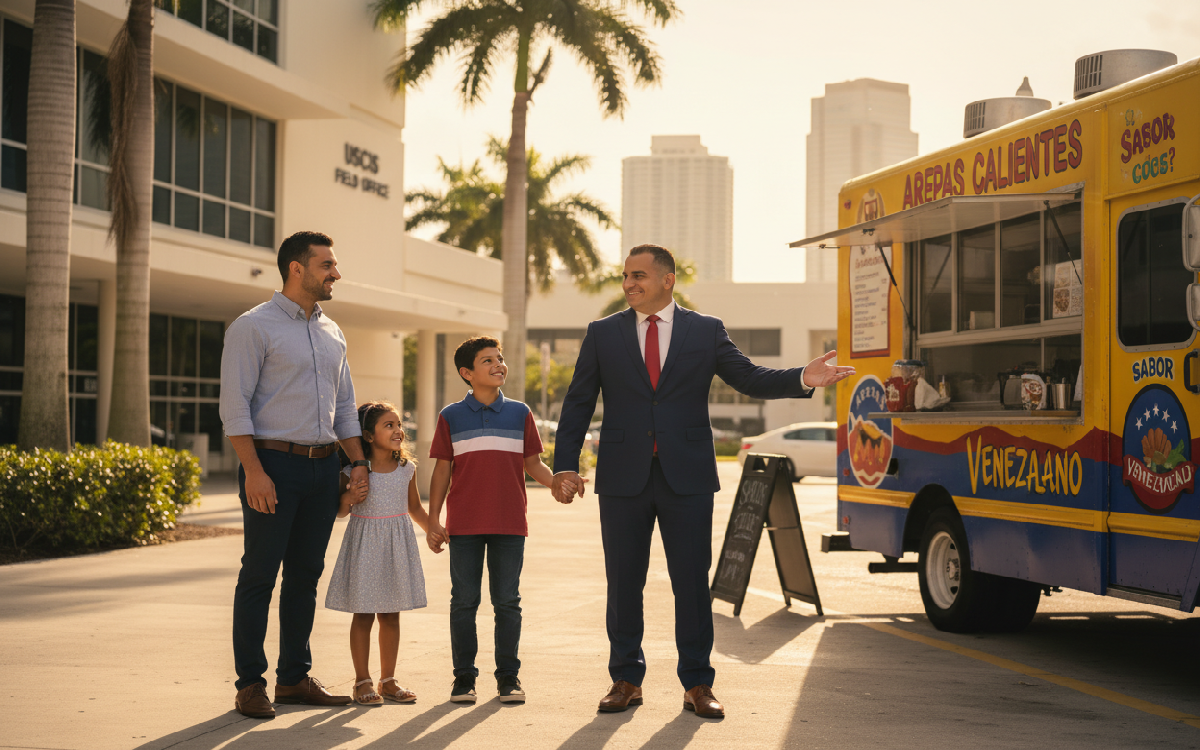
The Supreme Court's stance on Temporary Protected Status (TPS) for Venezuelans profoundly impacts thousands of individuals and families across Florida. This designation, initially granted due to humanitarian crises, has seen legal challenges. Recent developments from the Supreme Court, particularly regarding appeals related to its termination, mean beneficiaries must stay informed and understand their rights to avoid potential deportation risks.
- Stay updated on USCIS announcements regarding TPS Venezuela eligibility.
- Consult an immigration lawyer immediately if your TPS status is at risk.
- Gather all necessary documents for potential re-registration or new applications.
- Understand that judicial decisions can change rapidly, requiring constant vigilance.
- Deportation risks are real if TPS protections are ultimately removed or not renewed.
Are you a Venezuelan national in Florida concerned about your immigration status following recent Supreme Court developments regarding Temporary Protected Status (TPS)? The legal landscape surrounding TPS for Venezuelans has been complex and constantly evolving, leaving many families in Tallahassee, Miami, Orlando, and across the state uncertain about their future. Understanding the implications of these high-level court decisions is crucial for protecting your right to live and work in the United States.
At Florida Immigration Lawyers, we understand the anxiety and confusion these changes can cause. Our dedicated team is committed to providing clear, empathetic legal guidance to help you navigate these challenging times. We are here to ensure you have the most up-to-date information and robust legal representation.
This comprehensive guide will break down the Supreme Court's impact on immigration matters for Venezuelans, explore eligibility, and outline the steps you need to take to safeguard your status. We will also address common concerns and explain why expert legal assistance is indispensable. Call Florida Immigration Lawyers at 1-844-967-3536 for a free consultation to discuss your specific situation and explore your options.
Understanding Temporary Protected Status (TPS) for Venezuelans
Temporary Protected Status (TPS) is a humanitarian immigration benefit provided by the United States government. It offers temporary legal status to eligible foreign nationals from designated countries. This designation occurs when conditions in their home country prevent their safe return, such as ongoing armed conflict, environmental disaster, or other extraordinary and temporary conditions.
For Venezuelans, TPS was initially designated due to the severe humanitarian crisis, political instability, and economic collapse plaguing their home country. This designation has provided a crucial lifeline, allowing many to live and work legally in the U.S. without fear of deportation.
A Brief History of Venezuela's TPS Designation
Venezuela was initially designated for TPS on March 8, 2021, for 18 months, based on extraordinary and temporary conditions. This decision acknowledged the dire circumstances that made safe return impossible for many. Since then, the designation has been extended and re-designated multiple times, reflecting the continued instability in Venezuela.
However, these extensions have often been accompanied by legal challenges and administrative hurdles, creating a climate of uncertainty. Various administrations have taken different stances, leading to court battles that have ultimately reached the highest court in the land. These legal skirmishes have focused on the authority to terminate or extend TPS designations, with significant implications for beneficiaries.
Navigating the Supreme Court TPS Venezuela Decision: A Step-by-Step Guide
In October 2025, the Supreme Court declined to review an appellate court decision that had allowed the termination of TPS for certain Venezuelans to proceed while litigation continued. This decision, or lack thereof, significantly impacts many, particularly those in Florida who rely on TPS for their legal status. Understanding the practical steps to take is vital.
-
Understand the Specifics of the Supreme Court's Action: The Supreme Court's decision not to intervene in the appeal means that previous rulings, which might have terminated TPS for certain groups, could take effect. This does not necessarily mean an immediate end for all TPS beneficiaries but signals a critical shift. Always check the official USCIS website for the latest announcements on TPS for Venezuela. You can find up-to-date information on USCIS.gov.
-
Verify Your Current TPS Status and Expiration Date: It is imperative to know your exact TPS expiration date. Many individuals in Florida might have received extensions based on previous court orders or administrative actions. The Supreme Court's recent decision could alter these timelines. Review your Employment Authorization Document (EAD) and any notices from USCIS.
-
Consult with an Experienced Immigration Attorney: This is perhaps the most critical step. An attorney can interpret the nuances of the Supreme Court's action and its direct impact on your specific case. They can help you understand if you are affected by a potential termination or if you remain eligible for a renewal. Our firm, Florida Immigration Lawyers, regularly advises clients in Tallahassee and throughout Florida on these complex issues.
-
Explore Alternative Immigration Pathways: If your TPS status is at risk, it's essential to consider other immigration options. You may be eligible for asylum, family-based petitions, or even employment-based visas. An attorney can assess your eligibility for these alternatives and help you apply. Learn more about asylum and family immigration options.
-
Prepare for Potential Re-registration or New Applications: Even if termination looms, there might be opportunities for re-registration or new applications based on future designations or legislative changes. Having your documents ready will position you favorably for any upcoming opportunities or the need to switch to a different status. This includes proof of continuous physical presence in the U.S. and identity documents.
-
Stay Informed Through Reliable Sources: Follow official government announcements from USCIS and the Department of Homeland Security (DHS). Be wary of misinformation. Reliable news sources and your legal counsel are your best resources for accurate updates. The Federal Register is a key source for official notices.
Key Considerations for Florida Residents
Florida is home to a significant Venezuelan population, particularly in South Florida areas like Miami-Dade and Broward counties, and central Florida cities like Orlando. Any changes to TPS for Venezuelans have a profound and immediate effect on these communities. Local USCIS field offices, such as those in Miami, Orlando, and Tampa, will be the primary points of contact for processing applications.
It is crucial for Florida residents to understand that state-level protections do not supersede federal immigration law. While Florida has a large immigrant population, the ultimate authority on TPS lies with the federal government. Therefore, staying informed about federal policy and judicial decisions is paramount.
Essential Documents for TPS Applications and Renewals
Whether you are applying for TPS for the first time or re-registering, having all your documents in order is vital. Missing or incorrect documentation can lead to significant delays or even denial. Here's a general checklist:
- ✓ Form I-821, Application for Temporary Protected Status
- ✓ Form I-765, Application for Employment Authorization (if you want an EAD)
- ✓ Form I-601, Application for Waiver of Grounds of Inadmissibility (if applicable)
- ✓ Evidence of Identity and Nationality (e.g., copy of your passport, birth certificate with photo ID)
- ✓ Evidence of Date of Entry into the U.S. (e.g., passport entry stamp, Form I-94 arrival/departure record)
- ✓ Evidence of Continuous Physical Presence in the U.S. since the designated date (e.g., utility bills, employment records, school records, medical records, leases, bank statements)
- ✓ Two passport-style photos
- ✓ Any previous USCIS notices or documents related to your immigration status
Always make copies of all submitted documents for your records. An immigration attorney can help you compile these documents and ensure your application is complete and accurate, minimizing the risk of issues.
TPS Application Timeline and Processing Expectations
The processing times for TPS applications and re-registrations can vary significantly. Factors such as the volume of applications, the specific USCIS service center handling your case, and the complexity of your individual situation all play a role. Following a Supreme Court decision, there can be an initial surge of applications or inquiries, potentially leading to longer waits.
Typically, after submitting your application, you will receive a receipt notice within a few weeks. This is followed by a biometrics appointment, where your fingerprints and photo are taken. The final decision can take several months, sometimes extending beyond a year, especially during periods of high demand or policy changes. It is crucial to monitor your case status online via the USCIS website and respond promptly to any Requests for Evidence (RFEs).
Cost Factors and Fees for TPS Applications
Applying for or re-registering for TPS involves several fees payable to USCIS. These typically include the filing fee for Form I-821 (Application for Temporary Protected Status), the filing fee for Form I-765 (Application for Employment Authorization, if requested), and the biometrics services fee. These fees are subject to change and can be found on the official USCIS website. Fee waivers may be available for eligible applicants who can demonstrate an inability to pay.
Beyond government fees, you should also consider potential legal fees if you choose to hire an immigration attorney. While this is an additional cost, the expertise and peace of mind provided by a lawyer can be invaluable. Attorneys help prevent costly mistakes, ensure timely submission, and represent your best interests throughout the process. Investing in legal counsel can often save you money and stress in the long run.
Do not navigate this process alone. The complexities of immigration law, especially after a significant Supreme Court decision impacting TPS Venezuela, require expert guidance. Protecting your future in Florida is paramount. Contact Florida Immigration Lawyers today for assistance with your TPS application or to explore alternative immigration pathways. We are here to help.
Common Mistakes to Avoid in Your TPS Application
-
Missing Deadlines: Failing to file your application or re-registration within the specified window is a common and often fatal error. Missing a deadline can result in the loss of your TPS eligibility and expose you to deportation. Always mark your calendar and aim to submit well in advance.
-
Incomplete or Inaccurate Information: Providing incorrect details or leaving sections blank on your forms can lead to Requests for Evidence (RFEs) or outright denials. Double-check all information and ensure consistency across all documents. Minor discrepancies can raise red flags.
-
Insufficient Supporting Documentation: Not submitting enough evidence to prove your identity, nationality, date of entry, and continuous physical presence is a frequent issue. USCIS requires robust proof for each claim. Keep thorough records and provide clear, legible copies.
-
Failure to Disclose Criminal History: Hiding any past arrests or convictions, even minor ones, can lead to severe consequences, including fraud charges and permanent bars from immigration benefits. Always be truthful and disclose all relevant information to your attorney. Certain criminal offenses can make you ineligible for TPS under 8 U.S.C. § 1254a(c)(2)(B).
-
Not Paying Correct Fees: Incorrect fee amounts or using an expired payment method will cause your application to be rejected. Always verify the current fees on the USCIS website or with your attorney before submission. Fee waivers must be properly requested and justified.
-
Applying Without Legal Counsel: While not a strict mistake, attempting to navigate the complex TPS process, especially after a Supreme Court ruling, without an attorney significantly increases the risk of errors. An attorney provides invaluable expertise and guidance, ensuring compliance with USCIS Policy Manual guidelines.
-
Ignoring USCIS Communications: Failing to respond to RFEs or appointment notices in a timely manner can lead to your application being denied or abandoned. Check your mail regularly and inform USCIS of any address changes promptly.
-
Assuming Automatic Renewal: TPS is not automatically renewed. You must actively re-register during each designated period. Always confirm the re-registration window and process through official channels. Failure to do so will result in the loss of your protected status.
When to Call a Florida Immigration Lawyer for TPS Assistance
The intricacies of immigration law, particularly concerning humanitarian relief like TPS, demand professional expertise. After a Supreme Court decision, the landscape can become even more challenging. Here are specific scenarios where contacting Florida Immigration Lawyers is not just recommended, but often essential:
-
Uncertainty About Eligibility: If you are unsure whether you meet all the criteria for TPS, especially in light of new rulings or if you have specific circumstances like prior immigration violations, a lawyer can assess your case thoroughly. This includes understanding the continuous physical presence requirements as outlined in 8 CFR § 244.2.
-
Facing Potential Termination or Denial: If you receive a notice of intent to terminate your TPS or a denial, immediate legal intervention is critical. An attorney can help you appeal the decision, gather additional evidence, or explore other forms of relief like deportation defense.
-
Complex Criminal History: Any past arrests or convictions, even minor ones, can significantly complicate your TPS application. An attorney can analyze your criminal record, advise on inadmissibility waivers, and represent you if necessary.
-
Exploring Other Immigration Options: If TPS is no longer a viable option, or if you wish to pursue a more permanent status, a lawyer can guide you through pathways such as citizenship, family-based visas, or even business immigration opportunities.
-
Difficulty Gathering Documentation: If you are struggling to obtain necessary documents, especially from Venezuela, an attorney can advise on alternative evidence or strategies. We have experience assisting clients across Florida, including those in Tallahassee, with these challenges.
-
Seeking Asylum or Other Protections: For some, asylum may be a stronger long-term solution. Our attorneys are skilled in asylum law and can help determine if it's the right path for you.
Florida Immigration Lawyers stands ready to assist you. Our team of experienced attorneys is well-versed in the latest immigration laws and court decisions, including those from the Supreme Court. We are dedicated to protecting your rights and securing your future.
Frequently Asked Questions About TPS Venezuela in Florida
What city in Florida has the most Venezuelans?
While precise, up-to-the-minute statistics can fluctuate, Miami-Dade County, particularly the city of Doral, is widely recognized as having the highest concentration of Venezuelans in Florida and indeed, in the United States. Other significant Venezuelan populations reside in Broward County (Fort Lauderdale area) and Orange County (Orlando area). These communities are deeply impacted by federal immigration policies, including those concerning TPS, and often serve as hubs for information and support for new arrivals and established residents.
What did the judge rule on TPS for Venezuelans?
The legal journey for TPS Venezuela has involved multiple court rulings. Most recently, in October 2025, the Supreme Court declined to review a specific appellate court decision. This action effectively allowed a lower court's ruling regarding the termination of TPS for certain Venezuelans to take effect while other aspects of the litigation continue. It did not issue a broad new ruling on the entire TPS program for Venezuela but rather allowed a previous decision to stand, thereby affecting specific groups of beneficiaries. This highlights the complex and fragmented nature of judicial review in immigration matters.
Can Venezuelans with TPS get deported?
Yes, Venezuelans with TPS can potentially face deportation under certain circumstances. While TPS generally protects beneficiaries from removal, this protection is not absolute. If an individual commits certain crimes, is found to be inadmissible on specific grounds, or if their TPS status is terminated and they do not secure an alternative legal status, they can be placed in removal proceedings. The recent Supreme Court action has heightened these risks for some, making it imperative to consult an attorney to understand individual vulnerabilities and options, including deportation defense.
What's the latest on TPS for Venezuelans?
As of February 2026, the latest development revolves around the Supreme Court's decision in October 2025 not to hear an appeal, allowing a lower court's ruling concerning the termination of TPS for certain Venezuelan beneficiaries to stand. This means some individuals may lose their TPS protection unless they qualify for a new designation or extension, or can switch to another immigration status. USCIS continues to manage re-registration periods for existing beneficiaries, but the overall landscape is one of increased uncertainty for some. It is critical to monitor official USCIS announcements and consult with an immigration attorney for personalized advice.
How does the Supreme Court decision impact new TPS applications?
The Supreme Court's decision primarily affects the continuation of TPS for existing beneficiaries who were part of the specific legal challenge. It may create a precedent or signal a stricter approach to future extensions or re-designations. For new applicants, eligibility criteria remain defined by the initial and any subsequent re-designations by the Secretary of Homeland Security. However, the legal climate emphasizes the need for thorough applications and strong legal counsel to navigate any future changes or challenges to the program.
What if my TPS is terminated? What are my options?
If your TPS is terminated, you may have several options depending on your individual circumstances. These could include applying for asylum if you fear persecution in Venezuela, seeking a family-based visa if you have eligible relatives who are U.S. citizens or lawful permanent residents, or exploring employment-based visas. It is crucial to act quickly and consult an attorney to assess all available avenues to avoid falling out of legal status and becoming subject to deportation. Do not delay in seeking legal advice.
Can I travel outside the U.S. with TPS?
Yes, TPS beneficiaries can generally travel outside the U.S. with an approved Form I-131, Application for Travel Document (Advance Parole). However, travel carries risks, especially if there are any inadmissibility issues or if the country conditions change. It is always recommended to consult with an immigration attorney before traveling to ensure your return to the U.S. will not be jeopardized. Unauthorized travel can lead to serious immigration consequences upon your attempted re-entry.
How can Florida Immigration Lawyers help with my TPS case?
Florida Immigration Lawyers can provide comprehensive assistance with your TPS case. This includes evaluating your eligibility, preparing and filing initial applications or re-registrations, responding to Requests for Evidence (RFEs), representing you in appeals, and exploring alternative immigration pathways if TPS is no longer viable. We stay updated on all legal developments, including Supreme Court rulings, to provide the most current and effective legal strategies for our clients across Florida, including Tallahassee. Our goal is to protect your status and future.
About Florida Immigration Lawyers
Florida Immigration Lawyers is a leading immigration law firm dedicated to serving individuals and families throughout Florida. We understand the profound impact immigration laws have on your life and are committed to providing compassionate, effective, and results-driven legal representation. Our attorneys possess extensive experience in all facets of U.S. immigration law.
We offer a wide range of services, including assistance with Temporary Protected Status (TPS), asylum claims, family-based petitions, employment visas, deportation defense, and naturalization. Our firm prides itself on its client-focused approach, ensuring that each client receives personalized attention and strategic advice tailored to their unique situation. We are available 24/7 to address your urgent needs and offer free consultations to help you understand your options.
When you choose Florida Immigration Lawyers, you choose a partner who will stand by you every step of the way. We are dedicated to protecting your rights and helping you achieve your American dream. Visit our website at https://www.floridaimmigrationlawyers.net or call us at 1-844-967-3536 to schedule your free consultation today.
This article is for general informational purposes only and does not constitute legal advice. Immigration laws change frequently. For advice specific to your situation, please consult with a qualified immigration attorney.
The journey through U.S. immigration law can be daunting, especially with significant rulings from the Supreme Court impacting programs like TPS for Venezuelans. Do not face these challenges alone. Let the experienced team at Florida Immigration Lawyers guide you with expertise and empathy. Take the first step towards securing your future. Call us now at 1-844-967-3536 for a free, confidential consultation. We are here to help you navigate the complexities and protect your rights in Florida.
Florida Immigration Lawyers
Legal Team
Our experienced attorneys at Florida Immigration Lawyers have been serving clients across Florida for over 20 years. We specialize in immigration, personal injury, criminal defense, workers compensation, and family law.