Naturalization Ceremony ICE Concerns Florida 2026: Your Guide
Understand naturalization ceremony ICE concerns in Florida 2026. While rare, ICE presence at ceremonies is typically targeted at individuals with unresolved legal issues. Naturalized citizens are protected from deportation, but vigilance and honesty are crucial. This guide covers the naturalization process, common mistakes, and when to seek legal help. Florida Immigration Lawyers offers expert guidance to ensure a smooth path to U.S. citizenship. Contact us for a free consultation to address your specific situation and navigate the complexities with confidence.
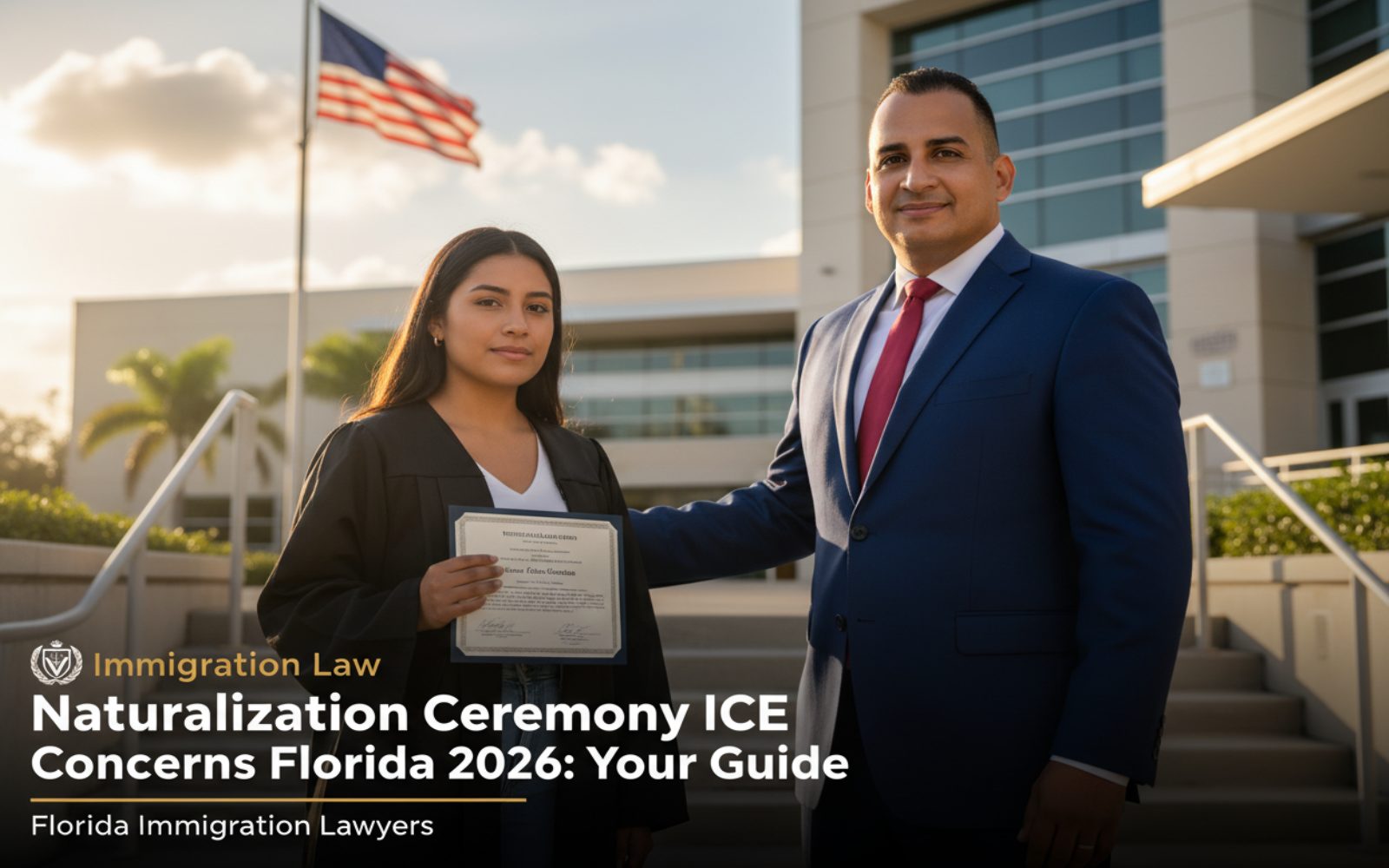
While reports of U.S. Immigration and Customs Enforcement (ICE) presence at naturalization ceremonies have caused anxiety, such incidents are generally rare and targeted. ICE typically only appears if an individual has an outstanding warrant, a criminal history, or a pending immigration case not fully resolved. Naturalized citizens are protected from deportation. Knowing your rights and consulting an experienced immigration lawyer in Florida can provide peace of mind.
- ICE presence at ceremonies is uncommon and usually targeted.
- Naturalized citizens are generally protected from deportation.
- Always be truthful and fully disclose information during the process.
- Consult a Florida immigration lawyer if you have concerns or a complex case.
- Understanding your rights is crucial for a smooth naturalization journey.
Navigating Naturalization Ceremony ICE Concerns in Florida 2026
For many aspiring U.S. citizens in Florida, the naturalization ceremony represents the culmination of a long and often challenging journey. It is a moment of immense pride and relief, marking the official oath of allegiance to the United States. However, recent reports and anxieties about U.S. Immigration and Customs Enforcement (ICE) presence at these ceremonies have cast a shadow of concern for some.
Are these concerns valid? What should you, as an applicant in Coral Springs or elsewhere in Florida, know about ICE and your naturalization ceremony in 2026? This comprehensive guide from Florida Immigration Lawyers addresses these vital questions, helping you understand your rights and the realities of the process.
We understand the stress and uncertainty you might be feeling. Our goal is to provide clarity and guidance. Do not let fear overshadow this significant milestone. Call Florida Immigration Lawyers at 1-844-967-3536 for a free consultation and let us help you prepare confidently for your naturalization ceremony.
Understanding Naturalization and ICE's Role in Florida
Naturalization is the process by which a lawful permanent resident (green card holder) becomes a U.S. citizen. This process is overseen by U.S. Citizenship and Immigration Services (USCIS). The final step is typically the Oath of Allegiance ceremony, a public event where applicants swear loyalty to the United States.
Concerns about ICE at naturalization ceremonies have risen due to isolated incidents where individuals with specific, unresolved legal issues were apprehended. It is crucial to understand that ICE's primary mandate is to enforce immigration laws, which includes identifying and apprehending individuals who may pose a risk to public safety or who have outstanding warrants or orders of removal.
In Florida, like other states, USCIS and ICE operate as separate agencies, albeit sometimes with overlapping jurisdictions. USCIS focuses on benefit applications, while ICE focuses on enforcement. An individual who has successfully completed the naturalization process and taken the Oath of Allegiance is a U.S. citizen and is generally not subject to deportation by ICE. However, if there are undisclosed issues or fraud involved in the application, this could lead to serious consequences, including denaturalization.
For individuals in areas like Coral Springs, Tampa, or Miami, the local USCIS field offices conduct these ceremonies. While the vast majority proceed without incident, understanding the rare circumstances under which ICE might be present is key to easing your naturalization ceremony ICE concerns.
The Naturalization Process: A Step-by-Step Guide for Florida Residents
Becoming a U.S. citizen involves several key steps. Each stage requires careful attention to detail and adherence to USCIS guidelines. Here is a general overview of the naturalization process for Florida residents:
-
Determine Eligibility: You must meet specific requirements, including age (18+), continuous residence and physical presence in the U.S. (typically 3 or 5 years), good moral character, ability to read, write, and speak basic English, and knowledge of U.S. history and government. You must also be a lawful permanent resident.
The continuous residency requirement is outlined in Section 316 of the Immigration and Nationality Act (INA), codified at 8 U.S.C. § 1427. This is a foundational aspect of the citizenship process Florida residents must meet.
-
Prepare and File Form N-400: The Application for Naturalization, Form N-400, is the central document. It requires extensive personal, residential, employment, and travel history, along with questions about your good moral character and any criminal record. Accuracy is paramount to avoid naturalization ceremony ICE concerns later.
Ensure all information is truthful and complete. Any misrepresentation, even unintentional, can lead to significant delays or even denial of your application.
-
Attend Biometrics Appointment: After filing, you will receive an appointment notice for a biometrics screening. This involves fingerprinting, photographs, and a signature. These are used for background checks by the FBI and other agencies.
This step is critical for verifying your identity and ensuring you meet the good moral character requirement.
-
Complete the Naturalization Interview: A USCIS officer will interview you to verify the information on your N-400, test your English proficiency, and assess your knowledge of U.S. civics. They may ask about your travel history, any arrests, and your commitment to the U.S. Constitution.
Be prepared to answer all questions honestly and provide any requested documents. This is a key opportunity to demonstrate your eligibility.
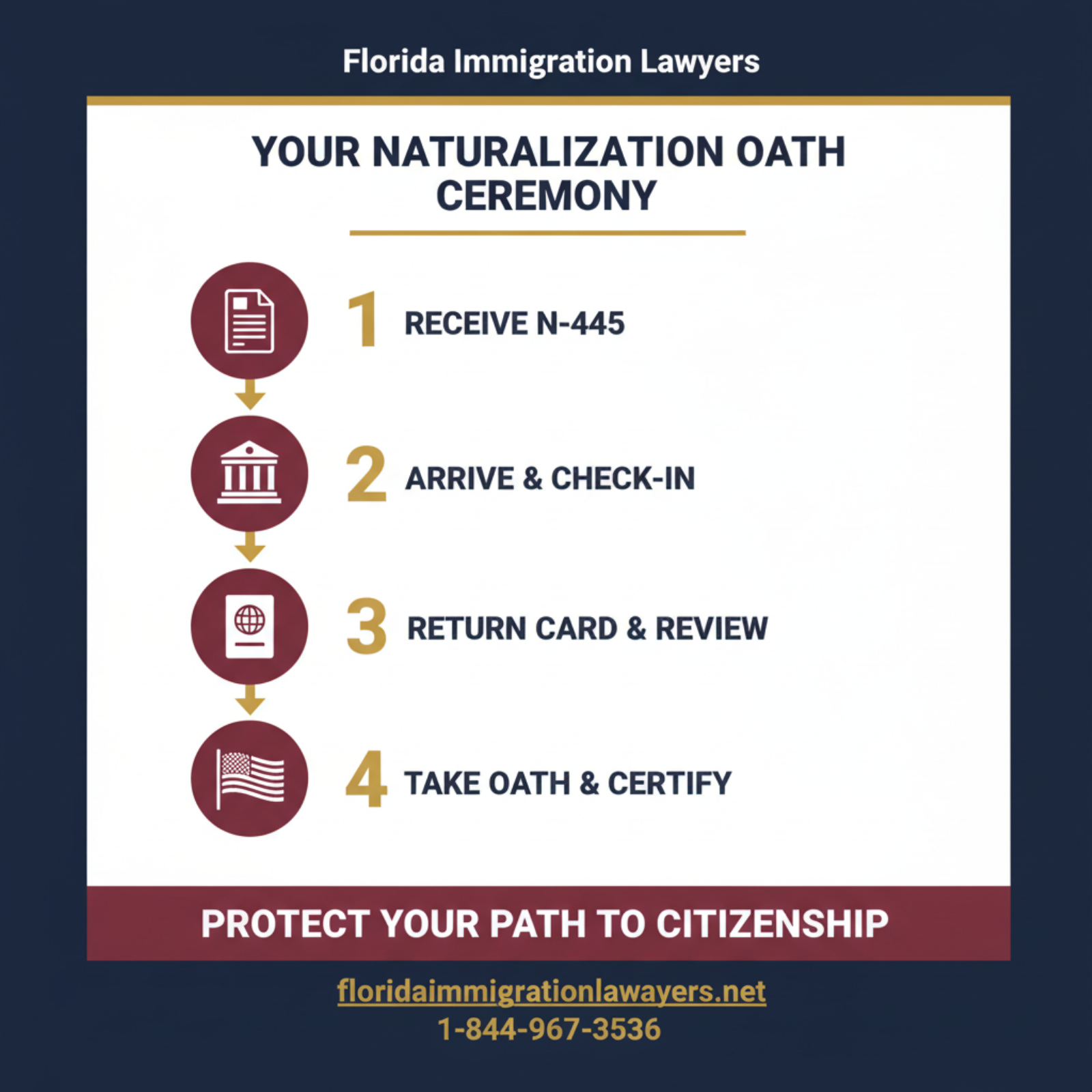
Step-by-Step Process Guide -
Receive a Decision: After the interview, USCIS will issue a decision. This could be an approval, a request for more evidence, or a denial. If approved, you will typically receive a notice for the Oath of Allegiance ceremony.
If denied, you have the right to appeal the decision by filing Form N-336, Request for a Hearing on a Decision in Naturalization Proceedings, within 30 days.
-
Attend the Oath of Allegiance Ceremony: This is the final step where you renounce foreign allegiances and pledge loyalty to the U.S. Constitution. Upon taking the oath, you officially become a U.S. citizen and receive your Certificate of Naturalization.
This U.S. Citizenship Oath ceremony is a momentous occasion, and understanding potential naturalization ceremony ICE concerns can help alleviate anxiety.
Essential Document Checklist for Naturalization
Preparing all necessary documents is a critical part of a successful naturalization application. Missing or incorrect documents can cause delays or even lead to a denial. Here is a general list of documents you should prepare and bring to your interview and ceremony:
- Your Permanent Resident Card (Green Card).
- Your State-Issued Identification (Driver's License or State ID).
- All passports (current and expired) you have used.
- Your marriage certificate, if applicable.
- Divorce decrees or death certificates for former spouses, if applicable.
- Birth certificates for your children, if applicable.
- Documentation of any arrests, citations, or convictions, even if expunged or dismissed.
- Tax transcripts or tax returns for the last five years (or three years if applying based on marriage to a U.S. citizen).
- Proof of selective service registration, if applicable (for males aged 18-26).
- Travel records, including dates of all trips outside the U.S. since becoming a permanent resident.
- Any USCIS correspondence related to your green card or other immigration benefits.
- Form N-400, Application for Naturalization, copy you submitted.
- Appointment notice for your interview or oath ceremony.
Always bring original documents to your interview, even if you submitted copies with your application. A thorough review of your documents by an immigration attorney Florida residents trust can prevent issues.
Naturalization Timeline and Processing Expectations in Florida 2026
The naturalization process timeline can vary significantly based on your USCIS field office, the complexity of your case, and current processing backlogs. For applicants in Florida, processing times can range from 8 to 24 months, or even longer in some instances.
As of 2026, USCIS continues to work on improving efficiency, but high application volumes can still lead to delays. You can check current processing times on the USCIS website for specific field offices like Miami, Orlando, or Tampa. Factors that can impact your timeline include:
- Case Complexity: Any criminal history, extensive travel, or discrepancies in your application can prolong the process.
- Requests for Evidence (RFE): If USCIS requests additional documents, your case will be paused until you respond.
- Interview Delays: Rescheduling an interview or waiting for a second interview can add months to your timeline.
- Oath Ceremony Scheduling: The scheduling of your U.S. Citizenship Oath ceremony can sometimes take a few weeks or even months after interview approval, depending on local office availability.
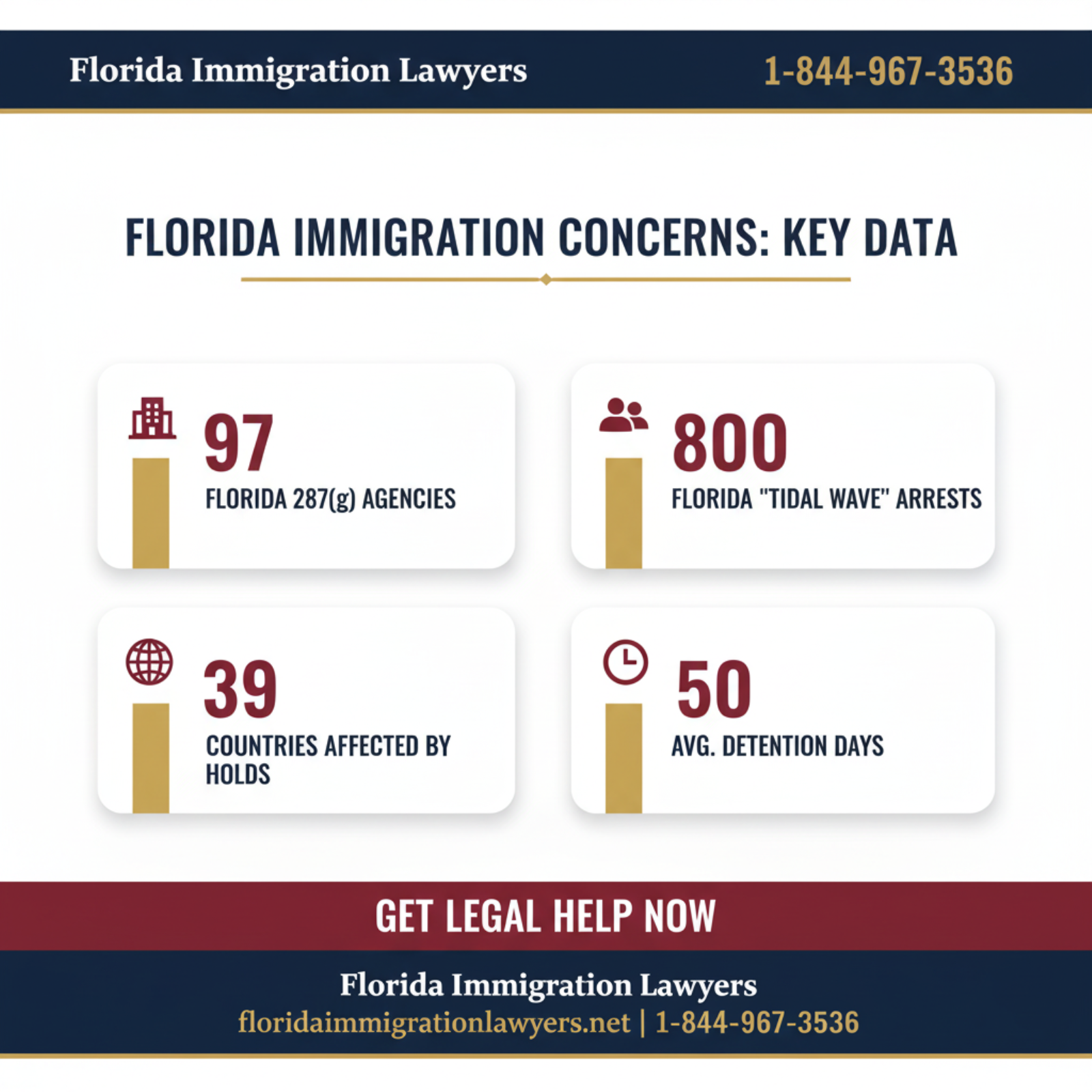
It is important to remain patient and responsive to all USCIS communications. An immigration attorney can help you monitor your case status and respond to any inquiries promptly, addressing any potential naturalization ceremony ICE concerns proactively.
Cost Factors and Fee Breakdown for Naturalization
The naturalization process involves several fees that applicants must pay directly to USCIS. These fees are subject to change, so it is always best to check the most current fee schedule on the official USCIS website before filing. As of 2026, the primary fees typically include:
- Form N-400 Filing Fee: This is the main application fee.
- Biometrics Services Fee: This fee covers the cost of fingerprinting and background checks.
In certain circumstances, applicants may be eligible for a fee waiver or a reduced fee. Eligibility for these waivers is based on income and other factors. It is crucial to determine if you qualify before submitting your application. Improperly filed fee waiver requests can delay your case.
Beyond USCIS fees, you may also incur other costs, such as:
- Legal Fees: Hiring an experienced immigration lawyer in Coral Springs, Florida, provides invaluable assistance in preparing your application, reviewing documents, and representing you at the interview. While not mandatory, legal counsel can significantly increase your chances of success and address any naturalization ceremony ICE concerns.
- Document Translation Fees: If any of your supporting documents are not in English, they must be translated by a certified translator.
- Travel Expenses: Costs associated with traveling to USCIS appointments and the oath ceremony.
Investing in legal guidance can often save you time, stress, and potential costly mistakes in the long run. Our team at Florida Immigration Lawyers is transparent about our fee structure and offers free consultations to discuss your specific needs.
Do not navigate this complex process alone. The stakes are too high. Contact Florida Immigration Lawyers today to ensure your naturalization journey is smooth and secure. Our dedicated team is ready to assist you.
Common Mistakes to Avoid in Your Naturalization Process
The naturalization process is detailed and unforgiving of errors. Avoiding common pitfalls can save you significant time and prevent naturalization ceremony ICE concerns. Here are some frequent mistakes applicants make:
-
Failing to Disclose All Information: Many applicants mistakenly believe minor infractions or old arrests are irrelevant. USCIS requires full disclosure of all criminal history, regardless of how minor, old, or expunged. Failure to disclose can be seen as a lack of good moral character or even fraud, leading to denial and potential denaturalization proceedings.
This is a critical point, as any past issues, even if resolved, must be reported. This transparency helps avoid any misunderstandings that could lead to naturalization ceremony ICE concerns.
-
Incorrectly Calculating Continuous Residence or Physical Presence: The requirements for continuous residence and physical presence are strict. Extended trips outside the U.S. can break continuous residence. Miscalculating these dates can lead to a denial.
Referencing 8 U.S.C. § 1427, the INA outlines these requirements precisely. Consult an attorney to ensure your calculations are accurate.
-
Poor English Language Skills or Civics Knowledge: Applicants must demonstrate basic English proficiency and knowledge of U.S. history and government. Underestimating these tests can lead to failure and delays.
Practice regularly and consider study materials provided by USCIS or seek tutoring if needed.
-
Submitting Incomplete or Incorrect Forms/Documents: Even small errors or missing signatures can cause USCIS to reject your application or issue a Request for Evidence (RFE), significantly extending your processing time.
Double-check everything, and ideally, have an experienced professional review your application before submission.
-
Ignoring USCIS Mail or Deadlines: Failing to respond to RFEs or appointment notices in a timely manner can lead to abandonment or denial of your application. Always keep your address updated with USCIS.
Prompt communication with USCIS is essential for a smooth process.
-
Believing Naturalization Guarantees Immunity from Denaturalization: While rare, naturalized citizens can be denaturalized if it's found they obtained citizenship fraudulently or illegally. This is covered under INA 340 (8 U.S.C. § 1451).
Honesty and integrity throughout the process are your best defense against such serious allegations.
-
Not Consulting an Immigration Attorney: Many applicants try to navigate the complex process alone, only to encounter problems that could have been avoided with legal guidance. An attorney can identify potential issues early on.
Especially if you have any naturalization ceremony ICE concerns or a complicated history, legal counsel is invaluable.
When to Call Florida Immigration Lawyers for Your Naturalization
While some naturalization cases are straightforward, many benefit immensely from the expertise of a seasoned immigration lawyer. If you find yourself in any of the following scenarios, it is highly advisable to seek legal counsel from Florida Immigration Lawyers:
- Criminal History: Even minor arrests, charges, or convictions can impact your good moral character requirement. An attorney can assess the impact and advise on disclosure. This is a primary factor in naturalization ceremony ICE concerns.
- Prior Deportation or Removal Proceedings: If you have ever been in removal proceedings, even if your case was terminated, it adds complexity to your naturalization application.
- Long Absences from the U.S.: Extensive travel outside the U.S. can affect your continuous residence and physical presence requirements.
- Marital Issues: If you are applying based on marriage to a U.S. citizen and have had divorce, separation, or annulment, or if your marriage is no longer viable, it can complicate your case.
- Undisclosed Information: If you believe you may have unintentionally omitted or misrepresented information in past immigration applications.
- Denial of Naturalization: If your N-400 application has been denied, an attorney can help you understand the reasons and pursue an appeal.
- Fear of ICE at Ceremony: If you have specific naturalization ceremony ICE concerns due to a past issue or pending matter, a lawyer can assess your risk and advise on precautions.
- General Uncertainty or Anxiety: The naturalization process can be overwhelming. Having an expert guide you can alleviate stress and ensure everything is handled correctly.
Our attorneys at Florida Immigration Lawyers specialize in helping individuals throughout Florida, including Coral Springs, successfully navigate the citizenship process. We provide comprehensive support, from initial application review to interview preparation, ensuring you are fully prepared and confident.
About Florida Immigration Lawyers
Florida Immigration Lawyers is a premier law firm dedicated to providing exceptional immigration legal services across the entire state of Florida. With a deep understanding of U.S. immigration law and a compassionate approach, we proudly serve individuals, families, and businesses seeking to achieve their immigration goals.
Our experienced team is committed to delivering personalized attention and strategic solutions for a wide range of immigration matters, including:general immigration, asylum, deportation defense, citizenship and naturalization, family-based visas, and business immigration. We believe in empowering our clients with knowledge and advocating fiercely on their behalf.
Why choose Florida Immigration Lawyers? We offer 24/7 availability, free initial consultations, and a bilingual team ready to assist you. Our dedication to client success and our comprehensive understanding of Florida's unique immigration landscape set us apart. Let us be your trusted partner on your path to U.S. citizenship. Visit our attorneys page or contact us directly.
Phone: 1-844-967-3536
Website: https://www.floridaimmigrationlawyers.net
Sources and References
- U.S. Citizenship and Immigration Services (USCIS) - 10 Steps to Naturalization
- USCIS Policy Manual - Volume 12, Part D, Chapter 2 (Good Moral Character)
- 8 U.S.C. Chapter 12 - Immigration and Nationality Act (INA)
- 8 U.S.C. § 1427 - Requirements for Naturalization (Continuous Residence and Physical Presence)
- 8 U.S.C. § 1451 - Revocation of Naturalization (Denaturalization)
- Code of Federal Regulations (CFR) Title 8, Part 316 - General Requirements for Naturalization
- Executive Office for Immigration Review (EOIR) - Immigration Court Locations
This article provides general legal information and is not intended as legal advice. Every case is unique, and outcomes depend on specific facts and circumstances. Contact an attorney for advice about your particular situation.
Secure Your Future: Contact Florida Immigration Lawyers Today
The journey to U.S. citizenship is a profound one, and it should be celebrated without undue anxiety. While naturalization ceremony ICE concerns are understandable, they are often manageable with proper preparation and legal guidance. Do not let fear or misinformation deter you from achieving your dream.
Florida Immigration Lawyers stands ready to provide the expert legal support you need throughout your naturalization process in Florida, including Coral Springs and beyond. Our team is dedicated to protecting your rights and ensuring a smooth path to citizenship.
For a free, confidential consultation to discuss your naturalization ceremony ICE concerns or any aspect of your citizenship application, please call us today. We are available 24/7 to assist you.
Call Florida Immigration Lawyers: 1-844-967-3536
Se Habla Español - Estamos aquí para ayudarle.
Need help with Immigration?
Our Florida immigration attorneys offer free consultations. Call today or schedule online.
Frequently Asked Questions
Florida Immigration Lawyers
Legal Team
Our experienced attorneys at Florida Immigration Lawyers have been serving clients across Florida for over 20 years. We specialize in immigration, personal injury, criminal defense, workers compensation, and family law.