Naturalization Ceremony ICE Concerns in Florida: What You Need to Know
For those seeking U.S. citizenship in Florida, concerns about ICE presence at naturalization ceremonies can be a source of anxiety. While rare, understanding your rights and the enforcement landscape is crucial. This guide from Florida Immigration Lawyers addresses common 'naturalization ceremony ICE concerns,' detailing the process, necessary documents, and potential pitfalls. We emphasize that once you take the Oath of Allegiance, you become a U.S. citizen with full protections. Learn how to prepare for your ceremony, avoid common mistakes, and when to seek expert legal counsel, especially if you have a complex history or unique circumstances. Our firm offers free consultations to ensure a smooth path to citizenship in Florida.
While naturalization ceremonies are generally safe, some individuals may have naturalization ceremony ICE concerns due to past issues or accompanying family members. ICE's primary focus at these events is typically on individuals with outstanding warrants or serious criminal histories. Knowing your rights and having legal counsel is crucial to navigate any potential interactions effectively.
- ICE's presence is rare but possible; focus is usually on specific individuals.
- Your naturalization certificate protects you once you become a U.S. citizen.
- Consult an attorney if you have past issues or concerns before the ceremony.
- Always carry your USCIS notices and valid identification.
Becoming a U.S. citizen is a monumental achievement, a culmination of years of hard work and dedication. For many in Florida, especially in diverse communities like Jacksonville, the naturalization ceremony represents the final step in this transformative journey. However, the excitement can sometimes be overshadowed by naturalization ceremony ICE concerns, a worry that can cause significant anxiety for applicants and their families.
You may wonder what role Immigration and Customs Enforcement (ICE) plays at these ceremonies, or if your past could lead to an unexpected encounter. Understanding your rights and the realities of immigration enforcement is crucial. This comprehensive guide from Florida Immigration Lawyers aims to demystify these concerns, providing clarity and peace of mind as you approach your citizenship oath.
Do not let fear overshadow this joyous occasion. If you have specific naturalization ceremony ICE concerns or require assistance with your naturalization application in Florida, call Florida Immigration Lawyers at 1-844-967-3536 for a free consultation. Our experienced team is here to help you every step of the way.
Understanding Naturalization and ICE's Role in Florida
Naturalization is the process by which a lawful permanent resident (green card holder) becomes a U.S. citizen. It involves meeting strict eligibility requirements, passing a civics and English test, and ultimately taking the Oath of Allegiance. This process is managed by U.S. Citizenship and Immigration Services (USCIS), a component of the Department of Homeland Security (DHS).
ICE, also part of DHS, is primarily responsible for enforcing immigration laws, including identifying, apprehending, and deporting non-citizens who violate these laws. While USCIS facilitates legal immigration benefits, ICE focuses on enforcement. This distinction is important, but their shared umbrella under DHS can sometimes lead to confusion and naturalization ceremony ICE concerns.
In Florida, a state with a significant immigrant population, the presence of various federal agencies is a reality. While it is rare for ICE to conduct broad enforcement actions at naturalization ceremonies, it is not entirely unprecedented. Their focus, when present, is typically highly targeted towards individuals with outstanding warrants, serious criminal records, or those deemed a threat to public safety. This targeted approach aims to avoid disrupting the solemnity of the ceremony for the vast majority of applicants.
It is important to remember that once you take the Oath of Allegiance and receive your Certificate of Naturalization, you become a U.S. citizen. As a citizen, you are protected from deportation, and ICE generally has no jurisdiction over you. The concerns primarily arise for individuals who may have undisclosed issues prior to the oath, or for non-citizen family members accompanying them. Understanding your citizenship rights is paramount.
Navigating the USCIS Naturalization Process: A Step-by-Step Guide
The path to becoming a U.S. citizen through naturalization involves several key stages. Each step requires careful attention to detail and adherence to USCIS guidelines. Understanding this process can help alleviate some naturalization ceremony ICE concerns by ensuring you are fully prepared.
-
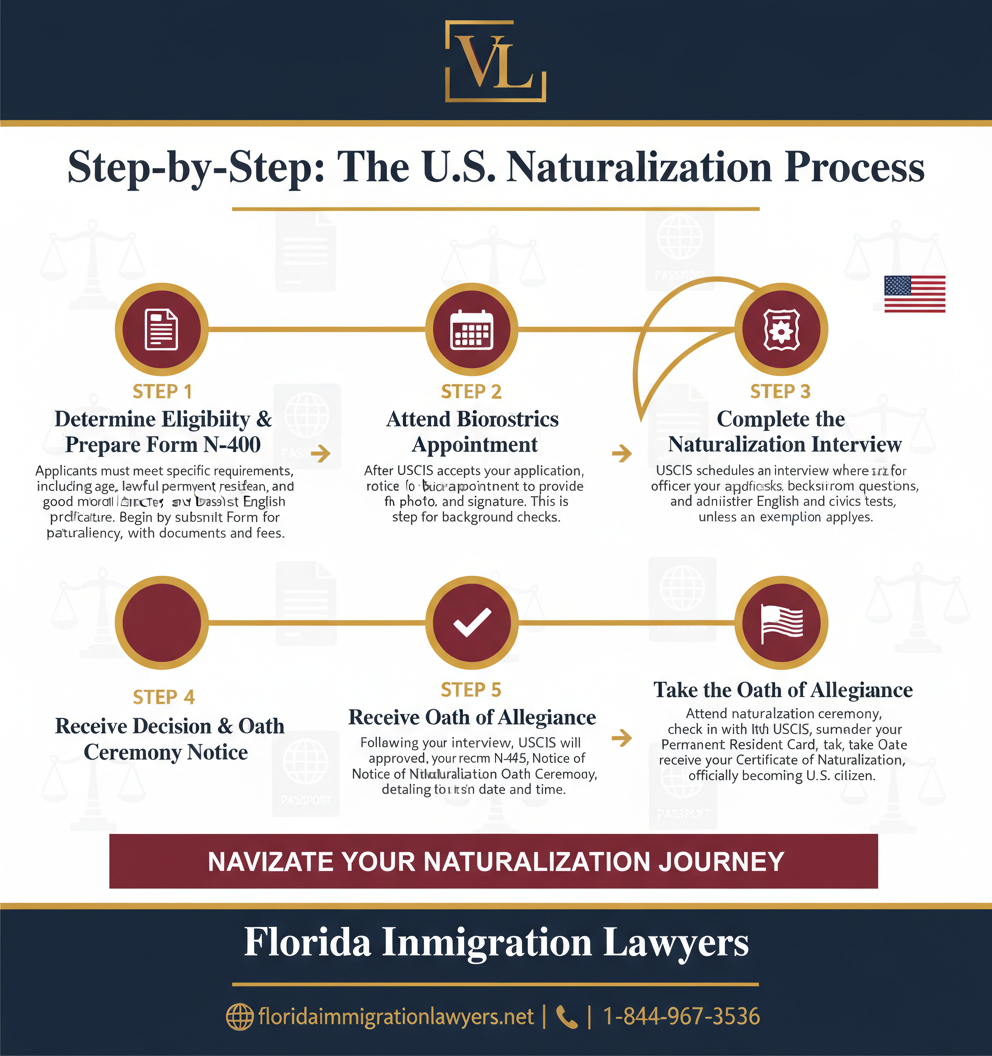
Determine Eligibility: Before applying, ensure you meet all requirements. This typically includes being 18 or older, a green card holder for at least 5 years (or 3 years if married to a U.S. citizen), demonstrating continuous residence, good moral character, and an ability to read, write, and speak basic English, along with knowledge of U.S. history and government. These are outlined in 8 U.S.C. § 1427.
-
File Form N-400, Application for Naturalization: This is the official application form. It requires detailed personal information, residency history, employment, travel, and criminal history. Accuracy is critical, as any misrepresentation can have severe consequences, impacting your eligibility and potentially leading to deportation defense issues.
-
Biometrics Appointment: After filing, you will receive a notice for a biometrics appointment at a local Application Support Center (ASC). Here, your fingerprints, photograph, and signature are collected for background checks. This is a standard security measure for all applicants.
-
Naturalization Interview: You will be scheduled for an interview with a USCIS officer. During this interview, the officer will review your N-400 application, test your English and civics knowledge, and ask questions to verify your eligibility and good moral character. Be prepared to answer truthfully and provide any requested documents.
-
Receive a Decision: Following your interview, USCIS will issue a decision. This could be an approval, a request for more evidence, or a denial. If approved, you will typically receive a notice for your Oath of Allegiance ceremony.
Step-by-Step Process Guide -
Take the Oath of Allegiance and Become a U.S. Citizen: This is the final step. At the naturalization ceremony, you will surrender your Permanent Resident Card, take the Oath of Allegiance, and receive your Certificate of Naturalization. This is the moment you officially become a U.S. citizen. For more detailed information, you can visit the USCIS Naturalization webpage.
The Importance of the Oath of Allegiance
The Oath of Allegiance is not just a formality; it is a profound declaration of loyalty to the United States. You pledge to support the Constitution, renounce allegiance to any foreign state, and bear arms on behalf of the U.S. when required. Until you take this oath, you are not a U.S. citizen, and your immigration status remains that of a lawful permanent resident. This is why naturalization ceremony ICE concerns are specifically relevant to the period leading up to and during the ceremony itself. The requirements for the oath are detailed in Section 337 of the Immigration and Nationality Act (INA), 8 U.S.C. § 1448, and 8 CFR Part 337.
USCIS Field Offices in Florida
Florida is home to several USCIS field offices that process naturalization applications, including the Jacksonville Field Office, Miami Field Office, and Orlando Field Office. Your interview and oath ceremony will typically be scheduled at the office closest to your residence. These offices serve a vast and diverse population, and each has its own scheduling nuances. Understanding which office handles your case can help you anticipate timelines and procedures in your local area, such as Jacksonville.
Essential Documents for Your Naturalization Ceremony
Preparing for your naturalization ceremony involves ensuring you have all the necessary documents. Missing even one item can delay your citizenship. Having everything in order can also help alleviate any lingering naturalization ceremony ICE concerns by ensuring a smooth, uninterrupted process.
On the day of your ceremony, you will typically need to bring the following:
- ✓ Your Permanent Resident Card (Green Card): You must surrender this card at the ceremony as you will no longer need it once you become a citizen.
- ✓ USCIS Interview Appointment Notice: This is the letter you received instructing you to appear for your naturalization interview.
- ✓ USCIS Form N-445, Notice of Naturalization Oath Ceremony: This form confirms your eligibility and serves as your invitation to the ceremony. You must complete and sign the questionnaire on the back of this form truthfully.
- ✓ Any other immigration documents USCIS requested: Always review your N-445 for specific instructions or requests for additional documents.
- ✓ Valid State-Issued Identification: While not always explicitly required for the ceremony itself, it's always wise to carry a valid driver's license or state ID for general identification purposes.
- ✓ Travel Documents: If you have traveled outside the U.S. since your interview, bring your passport(s) and any travel itineraries.
It is generally advisable to bring only the documents explicitly requested by USCIS. Do not bring unrelated personal documents or sensitive information unless specifically instructed. For comprehensive support with all immigration processes, our firm is ready to assist.
Timeline and Processing Expectations for Florida Applicants
The naturalization process timeline can vary significantly based on the USCIS field office processing your application, the complexity of your case, and current caseloads. In 2026, processing times may continue to fluctuate, but understanding general expectations can help you plan.
For applicants in Florida, including those in Jacksonville, processing times for Form N-400 typically range from 8 to 14 months, or sometimes longer. This includes the time from filing your application to receiving your Oath of Allegiance ceremony notice. You can check current processing times for your specific field office on the USCIS website.
Factors influencing your timeline include:
- Location: Major metropolitan areas like Miami and Orlando often have higher volumes, which can sometimes lead to longer waits compared to smaller offices.
- Completeness of Application: Any errors or missing information on your N-400 will cause delays as USCIS sends Requests for Evidence (RFEs).
- Background Checks: Extensive travel history or complex personal backgrounds can prolong the security checks.
- Interview Performance: If the USCIS officer requires additional documentation or further review after your interview, it will extend the process.
While delays are frustrating, they are generally part of the administrative process and not usually a cause for naturalization ceremony ICE concerns directly. However, if your case is significantly delayed without clear reason, or if you have any changes in circumstances (e.g., new arrest, divorce), it is imperative to consult with an immigration attorney immediately.
Cost Factors and Fee Breakdown in the Naturalization Journey
The cost associated with naturalization is an important consideration for many applicants in Florida. Understanding these fees helps you budget and avoid unexpected financial burdens. While exact figures are subject to change by USCIS, we can outline the typical components.
The primary cost is the USCIS filing fee for Form N-400, Application for Naturalization. This fee typically includes the biometrics services fee. USCIS periodically updates its fee schedule, so it is crucial to check the most current fees on the official USCIS website before filing. Fee waivers may be available for eligible low-income applicants, which can significantly reduce the financial strain.
Beyond the government filing fees, other potential costs include:
- Attorney Fees: Hiring a Florida immigration lawyer provides invaluable assistance, ensuring your application is accurate, complete, and addresses any potential issues. Legal fees vary depending on the complexity of your case and the services required.
- Document Translation Fees: If any supporting documents are not in English, certified translations will be required, incurring additional costs.
- Travel Expenses: Costs associated with traveling to your biometrics appointment, interview, and oath ceremony, especially if you live far from a USCIS field office in Florida.
- Preparation Course Fees: Some applicants choose to enroll in civics or English classes to prepare for the naturalization tests.
While these costs can seem daunting, investing in proper preparation and legal guidance can prevent costly mistakes and delays down the line. We encourage you to contact us to discuss the potential costs for your specific case and explore your options.
Common Mistakes to Avoid During Your Naturalization Process
Mistakes during the naturalization process can lead to delays, denials, or even more serious immigration consequences. Being aware of these pitfalls can help you avoid unnecessary stress, especially regarding potential naturalization ceremony ICE concerns.
-
Failing to Disclose All Information: Omitting or misrepresenting information on your N-400, especially regarding criminal history, marital status, or past addresses, is a serious offense. This can be considered fraud and lead to denial, and in some cases, removal proceedings. Be completely honest and thorough.
-
Not Meeting Good Moral Character Requirements: Certain criminal offenses, even minor ones, can disqualify you from naturalization or require a waiting period. These are outlined in INA 101(f) and 316(a). Consult an attorney if you have any criminal history, no matter how minor or old.
-
Spending Too Much Time Outside the U.S.: Exceeding the continuous residence requirements can break your eligibility. Generally, you cannot be outside the U.S. for more than six months at a time during your statutory period. Longer absences can lead to a presumption of breaking continuous residence.
-
Failing to Register for Selective Service: If you are a male who lived in the U.S. between the ages of 18 and 26, you must have registered for Selective Service. Failure to do so can impact your good moral character and naturalization eligibility, unless you can prove the failure was not knowing and willful.
-
Not Filing Taxes or Paying Child Support: Demonstrating good moral character includes fulfilling your financial obligations, such as paying federal, state, and local taxes, and complying with child support orders. Failure to do so can be a significant hurdle.
-
Missing Deadlines or Appointments: Ignoring USCIS notices for biometrics, interviews, or Requests for Evidence can lead to your application being denied. Always respond promptly and attend all scheduled appointments.
-
Not Updating Your Address with USCIS: Moving without notifying USCIS using Form AR-11 can cause you to miss important notices, leading to delays or even application abandonment. Keep your address current at all times.
-
Bringing Unauthorized Individuals to the Ceremony: While you may want to celebrate with family, only the applicant and, in some cases, their attorney are permitted in the restricted area of the oath ceremony. Non-citizens accompanying you, especially if they have their own immigration issues, could potentially face scrutiny, increasing naturalization ceremony ICE concerns for your loved ones.
-
Not Reviewing the N-445 Form Carefully: The questionnaire on the back of the N-445 asks about any changes since your interview. Answering untruthfully or inaccurately can cause issues at the ceremony itself.
When to Call a Florida Immigration Lawyer
While the naturalization process might seem straightforward for some, many applicants benefit immensely from legal counsel. This is particularly true if you have any concerns that could complicate your case or raise naturalization ceremony ICE concerns. A dedicated Florida immigration lawyer can provide invaluable support.
You should consider contacting Florida Immigration Lawyers if:
- You Have a Criminal History: Even minor arrests or convictions, regardless of how long ago, can affect your good moral character and eligibility. An attorney can assess your record and advise on potential waivers or waiting periods.
- You Have Been Denied Naturalization Before: Understanding the reasons for a previous denial is crucial for a successful reapplication.
- You Have Spent Significant Time Outside the U.S.: Long absences can impact your continuous residence requirement. An attorney can help calculate your eligibility.
- You Have Questions About Good Moral Character: If you're unsure whether your past actions meet the good moral character standard, seeking legal advice is essential.
- You Have Concerns About ICE Interaction: If you or a family member accompanying you to the ceremony have any outstanding immigration issues, warrants, or prior deportation orders, an attorney can advise on the risks and best course of action.
- Your Case is Experiencing Unexplained Delays: A lawyer can inquire with USCIS about the status of your application and advocate on your behalf.
- You Received a Request for Evidence (RFE) or Notice of Intent to Deny (NOID): These require a thorough and timely response, which an attorney can help prepare.
Our firm specializes in helping individuals throughout Florida, including Jacksonville, navigate complex immigration issues. We understand the nuances of the USCIS process and are committed to protecting your rights and ensuring a smooth path to citizenship. We offer comprehensive services for family immigration and business immigration as well.
Frequently Asked Questions About Naturalization and ICE
Do naturalized citizens have to worry about ICE?
Once you have taken the Oath of Allegiance and received your Certificate of Naturalization, you are a U.S. citizen. As a citizen, you are generally protected from deportation and do not have to worry about ICE enforcement actions that target non-citizens. Your citizenship is a powerful protection. However, if it is later discovered that you obtained naturalization through fraud or misrepresentation, your citizenship could potentially be revoked, making you subject to deportation. This is extremely rare and typically involves deliberate, serious deception.
Can ICE deport you if you are a naturalized citizen?
No, a naturalized citizen cannot be deported by ICE. Once you are a U.S. citizen, you hold the same rights and protections as a native-born citizen. The only theoretical exception is if your naturalization was obtained through fraud or misrepresentation, and a court of law denaturalizes you. This is a complex legal process known as denaturalization, which is distinct from deportation and has a very high legal bar for the government to prove. For the vast majority of naturalized citizens, deportation is not a concern.
Is it illegal for ICE to ask for proof of citizenship?
ICE agents, like any law enforcement officer, can ask for your identification and inquire about your immigration status. However, you are not legally required to answer questions about your immigration status if you are a U.S. citizen. You have the right to remain silent. If you are a citizen, you can state, "I am a U.S. citizen," and show your proof of citizenship (e.g., U.S. passport, Certificate of Naturalization). You are not required to carry these documents at all times, but it can be helpful. It is never illegal for them to ask, but you have rights regarding your response.
Do naturalized citizens need to worry about immigration?
No, naturalized citizens do not need to worry about immigration in the same way non-citizens do. Your immigration journey culminates in citizenship, granting you full rights and protections. You are no longer subject to immigration rules regarding visas, green cards, or deportation. Your status is permanent and cannot be revoked unless obtained through fraud. You can travel freely, vote, and sponsor family members for immigration benefits without fear of your own status being questioned by immigration authorities.
What happens if I have a criminal record before my naturalization ceremony?
A criminal record can significantly impact your naturalization eligibility, especially if it affects your ability to demonstrate good moral character. USCIS reviews your criminal history from the statutory period (typically 3 or 5 years before filing N-400) and sometimes beyond. Certain crimes, such as aggravated felonies, can be permanent bars. It is crucial to consult a Florida immigration lawyer if you have any criminal history, even if charges were dismissed or expunged, before proceeding with your application or attending your ceremony.
Can family members attend my naturalization ceremony?
Generally, immediate family members (spouse, children, parents) are welcome to attend the public portion of the naturalization ceremony. However, seating is often limited, especially in smaller venues. There may be restrictions on how many guests you can bring. It's important to check the specific instructions on your N-445 notice or with the USCIS field office (e.g., Jacksonville) regarding guest policies. Individuals with outstanding immigration issues should consider not attending to avoid potential naturalization ceremony ICE concerns for themselves.
What if I need an accommodation for my naturalization ceremony?
USCIS is committed to providing reasonable accommodations for individuals with disabilities. If you require special assistance, such as a sign language interpreter, wheelchair access, or other accommodations, you should notify USCIS as soon as possible after receiving your N-445 notice. You can usually indicate this on the N-445 form itself or contact the USCIS contact center. Early notification ensures they can make the necessary arrangements for your comfort and accessibility.
How do I prepare for the civics and English tests?
The civics test covers U.S. history and government, while the English test assesses your ability to read, write, and speak basic English. USCIS provides study materials, including 100 civics questions and their answers, and vocabulary lists. Many community organizations and adult education centers in Florida also offer free or low-cost naturalization preparation classes. Consistent study and practice are key to success. You can find all study materials on the USCIS website.
What if my N-445 questionnaire has changed since my interview?
The N-445 form includes a questionnaire that asks about any changes in your eligibility or good moral character since your naturalization interview. It is absolutely critical to answer these questions truthfully. If, for example, you were arrested, traveled extensively, or changed your marital status, you must disclose this. If you answer "yes" to any of the questions, be prepared to explain the circumstances and provide supporting documentation at the ceremony. If you have any doubts, consult with a Florida immigration lawyer before the ceremony.
About Florida Immigration Lawyers
Florida Immigration Lawyers is a leading immigration law firm dedicated to serving individuals and families across the entire state of Florida. With offices and services reaching from Jacksonville to Miami, we understand the unique challenges and opportunities that immigrants face in our diverse communities.
Our team of experienced and compassionate attorneys specializes in a wide range of immigration services, including naturalization, asylum, deportation defense, family-based petitions, business immigration, and more. We pride ourselves on providing personalized legal strategies, clear communication, and aggressive advocacy to achieve the best possible outcomes for our clients.
We are available 24/7 to address your urgent legal needs and offer free consultations to help you understand your options without financial commitment. Choosing Florida Immigration Lawyers means choosing a partner who will stand by your side, offering expert guidance and unwavering support through every step of your immigration journey. Your success is our priority.
This article is for general informational purposes only and does not constitute legal advice. Immigration laws change frequently. For advice specific to your situation, please consult with a qualified immigration attorney.
The journey to U.S. citizenship is a momentous occasion, and understanding every aspect, including potential naturalization ceremony ICE concerns, is vital. Do not let uncertainty deter you from achieving your American dream. Contact Florida Immigration Lawyers today at 1-844-967-3536 for a free, confidential consultation and let our expertise guide you to a successful outcome.
Florida Immigration Lawyers
Legal Team
Our experienced attorneys at Florida Immigration Lawyers have been serving clients across Florida for over 20 years. We specialize in immigration, personal injury, criminal defense, workers compensation, and family law.