Japan Immigration News 2026: What Florida Residents Must Know
For Florida residents, staying updated on Japan immigration news in 2026 is vital for successful visa applications. This comprehensive guide covers visa types, the critical Certificate of Eligibility (COE) process, required documentation, and expected timelines. We address common pitfalls and emphasize the importance of legal assistance. Whether you plan to work, study, or join family in Japan, understanding the nuances of the application process is key. Florida Immigration Lawyers offers expert guidance to navigate these complex international immigration laws, helping you avoid mistakes and secure your future. Contact us for a free consultation.
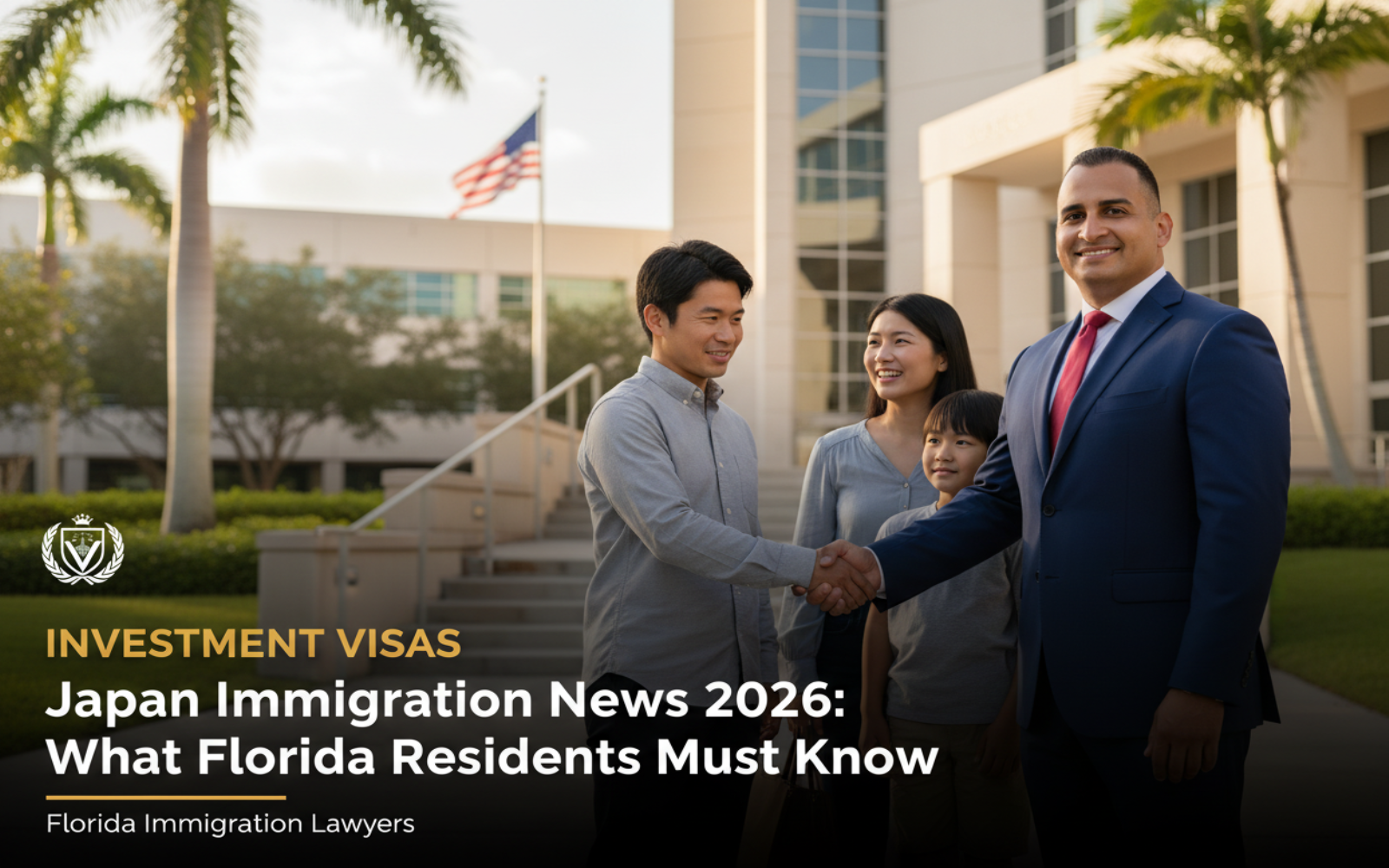
Navigating Japan immigration news in 2026 requires understanding evolving visa policies and application procedures for Florida residents. Key updates may impact eligibility for work, study, and family visas, often necessitating a Certificate of Eligibility (COE) from Japan. Staying informed and preparing thoroughly is crucial for a successful application process.
- Japan's visa policies are continually updated.
- A Certificate of Eligibility (COE) is often required.
- Florida residents apply through the Consulate-General of Japan in Miami.
- Legal assistance can simplify complex application processes.
- New rules in 2026 may affect various visa categories.
Imagine dreaming of living, working, or studying in Japan, only to find the immigration process complex and confusing. For many Florida residents, staying updated on the latest Japan immigration news is essential, especially with evolving policies in 2026. The journey to Japan, whether for a temporary stay or long-term residency, involves specific requirements and careful preparation.
This comprehensive guide from Florida Immigration Lawyers will walk you through the current landscape of Japan immigration, focusing on what you, our valued Florida client, need to know. We will cover visa types, application steps, required documents, and critical changes expected in 2026. Understanding these details can make a significant difference in your application's success.
Do not navigate this intricate process alone. Call Florida Immigration Lawyers at 1-844-967-3536 for a free consultation to discuss your unique situation and immigration goals.
Understanding Japan Immigration for Florida Residents in 2026
Japan's immigration landscape is dynamic, driven by demographic shifts and economic needs. As of 2026, Japan continues to refine its policies to attract skilled workers, students, and address its aging population. For Florida residents interested in moving to Japan, understanding these overarching trends is the first step.
While some rumors circulate about Japan paying people to move there and have kids, these are largely misconceptions. Japan does offer various incentives for families and new residents, especially in rural areas, but these are typically part of broader regional revitalization efforts, not direct payments for immigration. You should always verify such claims with official sources.
The Role of the Consulate-General of Japan in Miami
For all Florida residents, the primary point of contact for Japan visa applications is the Consulate-General of Japan in Miami. This office handles all visa-related inquiries and submissions for those residing in Florida, Puerto Rico, and the U.S. Virgin Islands. It is crucial to follow their specific guidelines for appointments and documentation.
The Consulate's website is an invaluable resource for current forms, requirements, and announcements regarding any new rules for Japan in 2026. Always check their official page before starting your application process to ensure you have the most up-to-date information.
Key Visa Categories and Eligibility
Japan offers various visa categories tailored to different purposes of stay. These generally fall into short-term (tourism, business visits) and long-term (work, study, family, specified visas) categories. Each type has distinct eligibility criteria and documentation requirements.
Long-term visas typically require a Certificate of Eligibility (COE) issued by the Japanese immigration authorities. This pre-approval streamlines the visa application process at the Consulate in Miami. Common long-term visas include:
- Work Visas: For professionals in various fields, often tied to a sponsoring employer in Japan.
- Student Visas: For those enrolled in Japanese educational institutions.
- Dependent Visas: For family members of long-term residents.
- Specified Visas: Including highly skilled professional visas and designated activities visas.
Understanding which category best fits your objectives is paramount. Incorrectly applying can lead to significant delays or denials, impacting your plans from Florida to Japan.
Navigating the Japan Visa and Certificate of Eligibility (COE) Process
The process of obtaining a Japan visa, particularly for long-term stays, can seem intricate. The Certificate of Eligibility (COE) is a critical component for many applicants. This document signifies that Japanese immigration authorities have pre-approved your eligibility for a specific visa category.
What is a Certificate of Eligibility (COE)?
The Certificate of Eligibility (COE) is issued by the Regional Immigration Services Bureau in Japan. It certifies that the foreign national meets the conditions for landing in Japan and is eligible for a specific status of residence. For Florida residents, securing a COE simplifies the subsequent visa application at the Consulate-General of Japan in Miami.
Your sponsor in Japan (e.g., employer, school, family member) typically applies for the COE on your behalf. Once issued, the COE is valid for three months, meaning you must apply for your visa within this timeframe. This document is a cornerstone of the Japan immigration news for long-term residents.
Step-by-Step Application Guide
While specific requirements may vary, the general process for Japan immigration in 2026 for Florida residents involves these key steps:
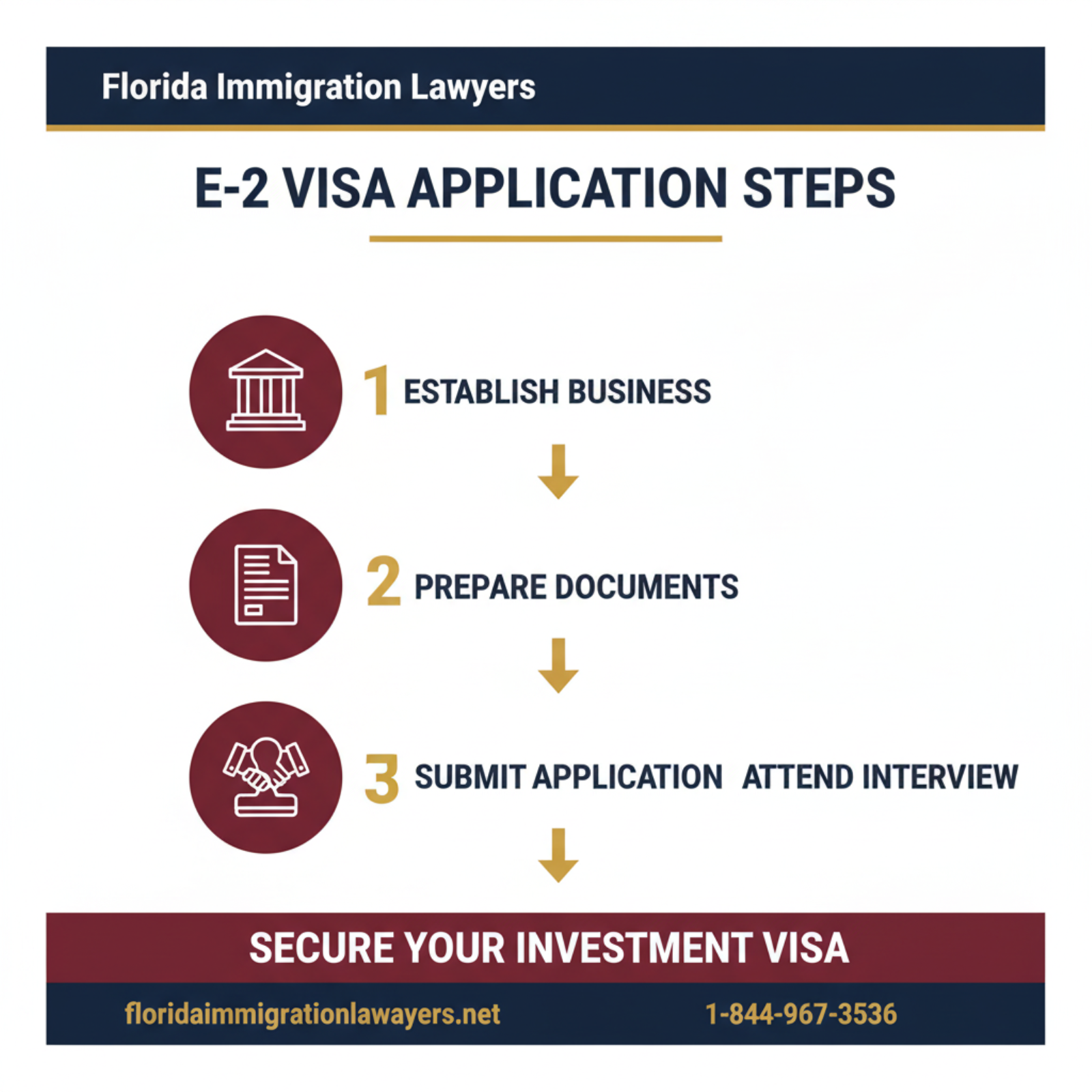
- Step 1: Determine Your Visa Type. Identify the appropriate visa category based on your purpose of stay (work, study, family, etc.). Research the specific requirements for that visa type on the Japanese Ministry of Foreign Affairs or Consulate-General of Japan in Miami websites.
- Step 2: Obtain a Certificate of Eligibility (COE). For most long-term visas, your sponsor in Japan must apply for a COE at a regional immigration services bureau. This process can take several weeks to a few months. Ensure your sponsor understands the requirements for a Japan Certificate of Eligibility application form.
- Step 3: Prepare Your Visa Application. Once you receive your COE, gather all necessary documents. This includes your passport, visa application form, recent photographs, and other supporting materials specific to your visa category. Ensure all documents are current and accurately reflect your information.
- Step 4: Submit Your Application. Schedule an appointment with the Consulate-General of Japan in Miami. Submit your completed application, COE, and all supporting documents in person or by mail, depending on the Consulate's current policy.
- Step 5: Attend an Interview (if required). Some visa applications may require an interview to clarify information or assess your intentions. Be prepared to discuss your plans in Japan and provide any additional details requested by the consular officer.
- Step 6: Receive Your Visa. If approved, your visa will be affixed to your passport. Review all details carefully, including the validity period and conditions of your stay, before departing from Florida.
Essential Documents for Japan Immigration Applications
Proper documentation is critical for any Japan immigration application. For Florida residents, meticulous preparation of documents can prevent delays and improve your chances of success. Always ensure your documents are current, legible, and match the information provided in your application forms.
General Requirements
Regardless of your specific visa type, certain documents are almost universally required. These typically include:
- Valid passport with sufficient blank pages and validity beyond your intended stay.
- Completed visa application form (available from the Consulate's website).
- Recent passport-sized photograph.
- Certificate of Eligibility (COE), if applicable for your visa type.
- Proof of financial means to cover your expenses in Japan (e.g., bank statements, scholarship letters, sponsor's financial documents). This addresses concerns about Japan visa funds requirements.
- Flight itinerary or travel plans.
Specific Documents for COE Applications
When your sponsor applies for the COE in Japan, they will need a comprehensive set of documents from you. These can vary significantly based on the visa category:
- Personal information (resume, academic transcripts, professional certifications).
- Proof of relationship (for dependent visas, e.g., marriage certificate, birth certificate).
- For work visas: employment contract, company registration documents, details of your position.
- For student visas: admission letter from a Japanese educational institution, proof of tuition payment.
- Medical certificates or health records, if specifically requested.
It is crucial to provide accurate and complete information to your sponsor to avoid issues with the Certificate of Eligibility Japan application. A sample COE Japan document can often be found online for reference, but always rely on official checklists.
Timeline and Processing Expectations for Japan Visas
Understanding the processing timeline is vital for planning your move from Florida to Japan. The duration can vary significantly based on the visa type, the completeness of your application, and the volume of applications being processed by Japanese immigration authorities.
Typical Processing Times
For most long-term visas requiring a COE, the process typically involves two main stages:
- COE Issuance: This can take anywhere from 1 to 3 months, or sometimes longer, depending on the complexity of the case and the specific immigration bureau in Japan.
- Visa Issuance (after COE): Once you have the COE, the visa application at the Consulate-General of Japan in Miami typically takes 5 business days to a few weeks. However, expedited processing is generally not available, so plan accordingly.
For short-term visas that do not require a COE, processing can be quicker, often within a week. However, these visas have strict limitations on activities and duration of stay.
Factors Affecting Processing Delays
Several factors can cause delays in your Japan visa application:
- Incomplete Application: Missing documents or incorrect information is the most common reason for delays.
- Request for Additional Information: If Japanese authorities require further clarification or documents, it will extend the processing time.
- Peak Seasons: Applications submitted during peak travel or academic seasons may experience longer waits.
- Policy Changes: Unexpected changes in Japan immigration news or policy can impact processing.
Following Up on Your Application
While you can inquire about your Japan visa application in progress, it is generally advised to wait until the stated processing time has passed. Frequent inquiries may not expedite the process. Keep detailed records of your submission date and any communication from the Consulate or your sponsor in Japan.
Cost Factors and Fee Breakdown for Japan Immigration
Applying for a Japan visa involves various costs beyond just the application fees. Florida residents should budget carefully for all potential expenses associated with their immigration journey.
Application Fees and Other Charges
Visa application fees are typically paid at the Consulate-General of Japan in Miami upon submission. These fees can vary based on your nationality and the type of visa. It's important to note that fees are subject to change and are generally non-refundable, even if your application is denied.
Beyond the visa fee, consider other potential costs:
- COE Application Fee: While there is no direct fee for the COE application itself, your sponsor in Japan may incur costs for documents or services.
- Translation Fees: If any of your documents are not in English or Japanese, certified translations will be required.
- Document Procurement: Costs associated with obtaining birth certificates, marriage certificates, academic transcripts, or police clearances.
Potential Legal and Translation Costs
Engaging a skilled Florida immigration lawyer can be a wise investment, especially for complex cases. Legal fees for consultation and representation will be an additional cost, but they can significantly reduce the risk of errors and enhance your application's chances of success. Translation services for documents can also add to the overall expense, particularly for extensive records.
Navigating international immigration law can be daunting, especially when dealing with specific requirements like those for Japan immigration news and visa processes. Do not navigate this process alone. Contact Florida Immigration Lawyers today to ensure your application is accurate, complete, and filed correctly. Our experienced team is ready to assist you.
Common Mistakes to Avoid
- Ignoring the Certificate of Eligibility (COE): Many applicants from Florida mistakenly believe they can apply directly for a long-term visa without a COE. This document, issued by the Japanese Ministry of Justice, is crucial for most long-term stays and its absence will lead to immediate rejection, as per Japan's Immigration Control and Refugee Recognition Act.
- Submitting Incomplete or Incorrect Documentation: Each visa type has a precise list of required documents. Failing to provide every item, or submitting outdated or improperly completed forms, is a common error that causes significant delays or outright denials.
- Underestimating Processing Times: Japan immigration processes, especially for COEs, can take several months. Applicants often make travel plans too early, leading to frustration and potential financial loss if their visa is not approved in time.
- Providing Inconsistent Information: Any discrepancies between your application forms, supporting documents, and interview statements can raise red flags. Ensure all information is consistent and truthful to maintain credibility, as immigration authorities perform thorough checks.
- Failing to Meet Financial Requirements: Japanese immigration authorities require proof that you can financially support yourself during your stay. Not demonstrating sufficient funds can be a major reason for denial, particularly for student or work visas, aligning with requirements under 8 U.S.C. § 1182 (INA Section 212) for general admissibility.
- Misunderstanding Visa Categories: Applying for the wrong visa category for your intended purpose in Japan is a critical mistake. For example, trying to work on a tourist visa is illegal and can lead to serious consequences, including deportation.
- Not Seeking Professional Legal Advice: The complexities of international immigration law, coupled with specific Japanese regulations, can be overwhelming. Attempting to navigate this without an experienced immigration lawyer can result in preventable errors and a higher chance of denial.
When to Call a Lawyer
The complexities of Japan immigration news and the application process can be overwhelming. While some simple tourist visas might be straightforward, any long-term stay, work permit, or family reunification case often benefits immensely from legal guidance. Our team at Florida Immigration Lawyers is here to help.
You should consider contacting an attorney if you:
- Have a complex case history, such as previous visa denials from any country.
- Are unsure about which visa category applies to your specific situation or need assistance obtaining a Certificate of Eligibility.
- Are facing strict deadlines or require expedited processing due to unique circumstances.
- Received a Request for Evidence (RFE) or a Notice of Intent to Deny (NOID) from Japanese immigration authorities.
- Are sponsoring a family member and need to navigate the nuances of family immigration processes.
- Require assistance with appeals or have concerns about potential deportation defense if you are already in Japan and facing issues.
- Need help understanding the intricate details of Japanese immigration law, including relevant sections of the Immigration Control and Refugee Recognition Act.
Our dedicated attorneys are well-versed in international immigration matters and can provide crucial support. We serve clients across Florida, including West Palm Beach, Miami, Orlando, and Tampa, offering strategic advice tailored to your needs. Even U.S. immigration matters related to your status in Florida, such as dealing with a USCIS Florida office, can be intertwined with international travel plans.
About Florida Immigration Lawyers
Florida Immigration Lawyers is a leading law firm dedicated to providing comprehensive and compassionate immigration services across the entire state of Florida. Our experienced team understands the profound impact immigration matters have on individuals and families. We are committed to upholding your rights and guiding you through every step of your immigration journey.
We specialize in a wide range of immigration services, including visa applications, asylum claims, deportation defense, citizenship applications, family-based petitions, and business immigration solutions. Our firm prides itself on personalized attention and strategic legal representation.
Choosing Florida Immigration Lawyers means choosing a partner who is available 24/7, offers free consultations, and possesses a deep understanding of both U.S. and international immigration complexities. Our goal is to achieve the best possible outcome for your case.
Contact us today for a free consultation:
Phone: 1-844-967-3536
Website: https://www.floridaimmigrationlawyers.net
Serving all of Florida, including West Palm Beach, Miami, Orlando, and Jacksonville.
Sources and References
- U.S. Department of State - Country Information: Japan
- U.S. Citizenship and Immigration Services (USCIS) - Florida Field Offices
- Immigration Control and Refugee Recognition Act (Act No. 319 of 1951, as amended) - Japan
- Immigration and Nationality Act (INA) Section 212 - 8 U.S.C. § 1182
- 8 Code of Federal Regulations (CFR) Part 214 - Nonimmigrant Classes
This article provides general legal information and is not intended as legal advice. Every case is unique, and outcomes depend on specific facts and circumstances. Contact an attorney for advice about your particular situation.
Staying informed about Japan immigration news is crucial, but navigating the legal landscape requires expert guidance. Do not leave your future to chance. Let the dedicated team at Florida Immigration Lawyers provide the support and representation you deserve. We offer free, confidential consultations to discuss your Japan immigration needs. Call us today at 1-844-967-3536. Se Habla Español - Estamos aquí para ayudarle.
Florida Immigration Lawyers
Legal Team
Our experienced attorneys at Florida Immigration Lawyers have been serving clients across Florida for over 20 years. We specialize in immigration, personal injury, criminal defense, workers compensation, and family law.