Immigration Policy News Florida 2026: What Immigrants Need to Know
Dive into the latest immigration policy news for Florida in 2026, focusing on how new state laws and federal USCIS updates impact residents, including those in Hollywood. This guide covers essential steps for navigating the immigration process, crucial documents, expected timelines, and cost factors. Learn about common pitfalls to avoid and when to seek expert legal assistance from a Hollywood immigration lawyer. Stay informed about your rights and options amidst evolving immigration regulations. Florida Immigration Lawyers offers free consultations to help you understand these complex changes and secure your immigration future.
Immigration policy news in Florida for 2026 continues to evolve, impacting residents across the state, including Hollywood. New legislative changes and USCIS updates may affect visa applications, green card processes, and deportation defense strategies. Understanding these changes is crucial for anyone navigating the U.S. immigration system.
- Florida's legislative landscape significantly influences state-level immigration enforcement.
- USCIS regularly updates procedures and forms, requiring constant vigilance.
- Seeking legal counsel is vital for interpreting complex new policies.
- Changes may affect employment, family-based petitions, and asylum claims.
- Proactive planning can mitigate potential negative impacts on your immigration journey.
Navigating the complex world of immigration can be daunting, especially with the constant flux of immigration policy news. In Florida, a state with a vibrant and diverse immigrant community, these changes are felt deeply. As we look into 2026, understanding the latest developments is not just helpful-it's essential for your future and the future of your family.
You might be wondering how recent legislative actions or federal directives could impact your visa application, your path to a green card, or even your existing status. The landscape of immigration law is dynamic, requiring careful attention to detail and a proactive approach. This comprehensive guide will break down the key immigration policy news in Florida for 2026, offering clarity and actionable insights.
We will explore the significant updates from USCIS, delve into Florida-specific laws, and provide practical steps you can take. Our goal is to empower you with the knowledge to make informed decisions. Do not navigate these waters alone. Call Florida Immigration Lawyers at 1-844-967-3536 for a free consultation to discuss your specific situation.
Understanding the Evolving Immigration Policy News in Florida for 2026
Florida has always been at the forefront of national discussions regarding immigration. Its unique geographical position and diverse population mean that immigration policy news often carries significant weight here. For 2026, we anticipate continued focus on both state-level enforcement and federal policy adjustments that directly impact residents.
State legislation in Florida often aims to supplement or influence federal immigration efforts. This can manifest in various ways, from employment verification mandates to restrictions on local government cooperation with federal immigration agencies. These laws can create a complex web of regulations that immigrants and employers must carefully navigate.
At the federal level, USCIS (U.S. Citizenship and Immigration Services) remains the primary agency responsible for administering immigration benefits. USCIS updates for 2026 are crucial, as they can modify application procedures, introduce new forms, or adjust eligibility requirements for various petitions. Staying informed about these changes is paramount to avoiding delays or rejections in your immigration process.
Key Legislative Trends Affecting Florida Immigrants
In recent years, Florida has seen several significant legislative actions related to immigration. In 2026, these trends are expected to continue, potentially introducing new challenges or opportunities for immigrants. For instance, discussions around E-Verify mandates or stricter penalties for employers hiring undocumented workers could intensify.
These state-level initiatives, while often framed as public safety measures, can have profound effects on immigrant communities in cities like Hollywood and across Florida. They may influence access to services, employment opportunities, and even daily life. Understanding the nuances of these Florida immigration laws is critical for your peace of mind and legal standing.
Federal Immigration Policy Shifts and Their Impact
Beyond state laws, federal immigration policy news can dramatically alter the landscape. Changes in presidential administrations or new congressional legislation can lead to shifts in enforcement priorities, visa availability, or asylum procedures. For example, policies regarding border security or the treatment of asylum seekers can directly affect individuals seeking protection in the U.S.
USCIS, as an agency under the Department of Homeland Security, implements these federal policies. This means that even without new legislation, USCIS can adjust its interpretations, processing times, and forms. Monitoring official USCIS announcements and policy manuals is essential for anyone undergoing an immigration process.
Navigating USCIS Updates and Florida Immigration Laws: A Step-by-Step Guide
Successfully navigating the immigration process requires careful planning and adherence to precise steps. With ongoing immigration policy news and USCIS updates for 2026, it's more important than ever to follow a structured approach. This guide outlines general steps, but remember that your specific situation may require tailored advice from a Hollywood immigration lawyer.
- Assess Your Eligibility and Goals: Before starting any application, determine your immigration goals (e.g., family-based visa, employment visa, asylum, citizenship). Research the specific eligibility criteria for each path. This initial assessment will guide your entire process and help you avoid unnecessary applications or delays. Consider if you are eligible for family-based immigration through a U.S. citizen or lawful permanent resident relative, or if your skills qualify you for business immigration visas.
- Gather Required Documentation: Immigration applications are document-intensive. Collect all necessary personal documents, such as birth certificates, marriage certificates, passports, and educational records. Also, gather any financial records, employment letters, or other supporting evidence specific to your petition. Ensure all documents are current and accurately translated if not in English.
- Complete and File the Correct Forms: USCIS forms are highly specific and must be filled out accurately. Any error or omission can lead to delays or even denial. Always use the most current version of the forms available on the USCIS website. Pay close attention to instructions, which often change with USCIS updates.
- Pay Applicable Fees: Most immigration applications require filing fees. These fees are subject to change and are non-refundable. Check the current fee schedule on the USCIS website. If you are facing financial hardship, you may be eligible for a fee waiver, but specific criteria apply.
- Attend Biometrics Appointments and Interviews: After filing, you will typically receive notices for biometrics appointments (fingerprints, photos, signature) and potentially an interview. Prepare thoroughly for your interview, bringing all original documents and being ready to answer questions about your application. For those in Hollywood, Florida, your biometrics appointment will likely be at a local Application Support Center.
- Respond to Requests for Evidence (RFEs) or Notices of Intent to Deny (NOIDs): USCIS may send an RFE if they need more information or a NOID if they intend to deny your application. These notices have strict deadlines. Responding promptly and thoroughly is critical to keeping your case on track. A Hollywood immigration lawyer can be invaluable in crafting a strong response.
- Monitor Your Case Status: You can track the status of your application online using the receipt number provided by USCIS. While processing times can be long, regular monitoring helps you stay informed and anticipate next steps. Be aware that processing times can vary significantly based on the type of application and the specific USCIS service center.
Essential Documents for Immigration Processes in Florida
A successful immigration application hinges on submitting a complete and accurate set of documents. With evolving immigration policy news and USCIS requirements, keeping your documentation in order is more critical than ever. This general checklist provides an overview of commonly required documents. However, your specific case may require additional evidence.
General Document Checklist for Most Immigration Applications:
- Valid Passport or Travel Document: Ensure it has sufficient validity remaining.
- Birth Certificate: Original or certified copy, with certified translation if not in English.
- Marriage Certificate (if applicable): For family-based petitions.
- Divorce Decrees or Death Certificates (if applicable): For previous marriages.
- Photographs: Passport-style photos meeting USCIS specifications.
- Proof of Relationship: For family-based petitions, such as photos, joint bank accounts, lease agreements, etc.
- Affidavit of Support (Form I-864): Required for most family-based immigrants, demonstrating financial sponsorship.
- Tax Transcripts and Income Statements: To support the Affidavit of Support.
- Medical Examination Report (Form I-693): Completed by a USCIS-approved civil surgeon.
- Police Certificates: From all countries where you have lived for a certain period.
- Educational Transcripts and Diplomas (if applicable): For employment-based visas or certain waivers.
- Employment Letters and Pay Stubs (if applicable): To prove work history or job offers.
- Proof of Legal Entry and Status: Such as I-94 arrival/departure record, previous visa stamps.
- Any Prior Immigration Petitions or Decisions: Such as denial notices or previous approvals.
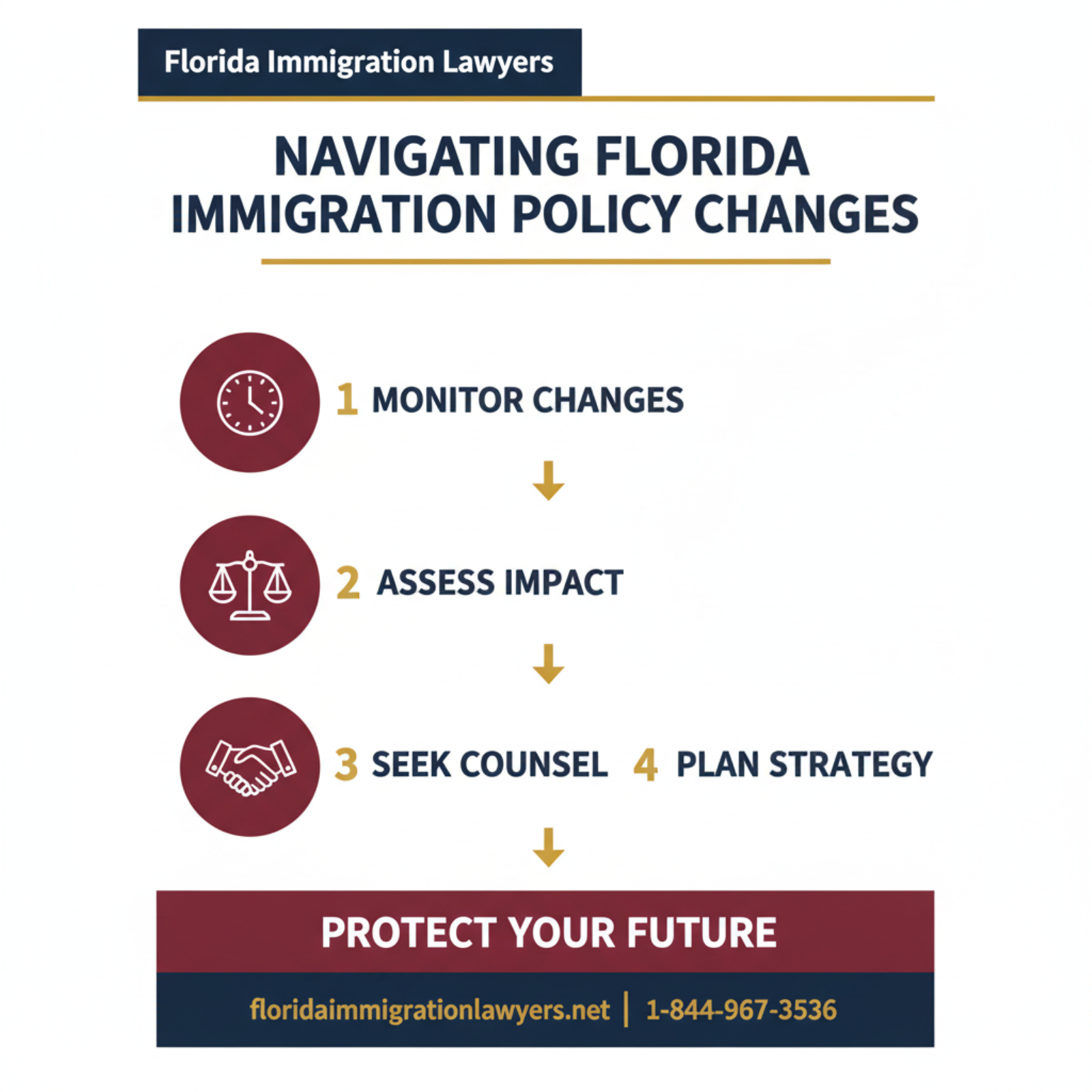
Remember, USCIS updates can introduce new document requirements or change existing ones. Always consult the official USCIS website or a qualified Hollywood immigration lawyer to ensure you have the most current list of documents for your specific application.
Expected Timelines and Processing for Immigration Cases in Hollywood, Florida
One of the most common questions immigrants have concerns processing times. The reality is that immigration policy news and USCIS updates significantly influence how long applications take. While it's impossible to provide exact timelines, we can discuss general expectations for those in Hollywood, Florida, and across the state.
Processing times vary widely depending on the type of petition, the specific USCIS service center or field office handling your case, and the volume of applications. For instance, a family-based green card petition may take longer than certain employment-based visas due to visa bulletin backlogs for some categories. You can typically find estimated processing times on the USCIS website.
Factors Influencing Processing Times in Florida
- Application Type: Each form (e.g., I-130, I-485, N-400) has its own processing queue.
- Service Center Workload: Different USCIS service centers (e.g., Nebraska, Texas, California, Vermont, Potomac) have varying backlogs. Your case will be routed to one of these based on your application type and residence.
- Completeness of Application: Incomplete applications or those with errors will almost certainly face delays, including Requests for Evidence (RFEs).
- Background Checks: All applicants undergo security and background checks, which can sometimes extend processing times unpredictably.
- Interview Schedules: If an interview is required at a local field office (e.g., Miami, Orlando, Tampa for Florida residents), the scheduling availability can impact your timeline.
- Policy Changes: New immigration policy news or USCIS updates can shift priorities, affecting how quickly certain cases are processed.
What to Expect in 2026
For 2026, anticipate that processing times will remain significant for many categories. While USCIS continually works to improve efficiency, high demand and resource limitations often lead to extended waits. It's crucial to file your application as completely and accurately as possible to minimize potential delays.
If you are in Hollywood or elsewhere in Florida, your local USCIS field office (likely Miami for many South Florida residents) will handle interviews and some specific case types. Always monitor your case status online and respond promptly to any communication from USCIS. Patience and diligence are key throughout this process.
Understanding Cost Factors and Immigration Fees in Florida
The financial aspect of immigration can be a significant concern for many individuals and families in Florida. Understanding the various costs involved is essential for proper planning. These costs generally fall into two main categories: government filing fees and legal fees. It is important to note that government fees are subject to change based on immigration policy news and USCIS updates.
Government Filing Fees
USCIS charges fees for nearly every form and application. These fees are set by the agency and are critical for funding their operations. While specific amounts are not listed here (as they can change), you should always check the most current fee schedule on the official USCIS website. Some common fees include those for:
- Petition for Alien Relative (Form I-130)
- Application to Adjust Status (Form I-485)
- Application for Naturalization (Form N-400)
- Application for Employment Authorization (Form I-765)
- Application for Travel Document (Form I-131)
- Biometrics services fee
In some cases, fee waivers may be available for individuals who can demonstrate an inability to pay. However, strict eligibility criteria apply, and not all forms are eligible for waivers. Discussing potential fee waivers with a knowledgeable attorney can help determine if this option is available to you.
Legal Fees for Immigration Services
Hiring an experienced Hollywood immigration lawyer is an investment in the success of your case. Legal fees cover the attorney's time, expertise, and resources dedicated to preparing and filing your application, responding to RFEs, and representing you in interviews or court proceedings. While firm fees vary, they reflect the complexity of immigration law and the personalized attention your case requires.
Many law firms, including Florida Immigration Lawyers, offer free initial consultations to discuss your case and provide an estimate of legal fees. This allows you to understand the financial commitment upfront. Investing in legal counsel can often save you money in the long run by preventing costly mistakes, delays, or even denials that could require more expensive appeals or re-filings.
Do not navigate this process alone. Contact Florida Immigration Lawyers today to ensure your case is handled with the expertise it deserves. Call 1-844-967-3536 for dedicated legal support.
Common Mistakes to Avoid in Florida Immigration Cases
Navigating immigration policy news and complex procedures can be challenging. Even small errors can lead to significant delays or even denial of your application. Here are some common mistakes to avoid when pursuing an immigration case in Florida:
- Filing Incomplete or Incorrect Forms: Submitting forms with missing information, incorrect answers, or outdated versions is a frequent cause of RFEs or outright rejections. USCIS instructions are very specific and must be followed precisely. Consequences can include prolonged processing times and additional costs.
- Missing Deadlines: Immigration processes are time-sensitive. Failing to respond to an RFE, attend an interview, or file an appeal within the specified timeframe can lead to the abandonment or denial of your case. This can force you to start the entire process over or lose eligibility.
- Providing Inconsistent Information: Any discrepancies between current and past applications, interviews, or sworn statements can raise red flags with USCIS. This can lead to accusations of misrepresentation, which may result in severe penalties, including a finding of inadmissibility under INA § 212(a)(6)(C)(i).
- Not Disclosing Criminal History: Even minor offenses, arrests without conviction, or expunged records must generally be disclosed. Failure to do so can be considered misrepresentation and lead to denial or deportation defense issues. Always consult an attorney about any past interactions with law enforcement.
- Ignoring Public Charge Rule Updates: While the public charge rule has seen changes, it remains a consideration. Not demonstrating sufficient financial support or becoming a public charge can negatively impact your adjustment of status application. Staying updated on these rules is crucial.
- Traveling Without Proper Authorization: Leaving the U.S. while an adjustment of status application is pending without obtaining advance parole can lead to the abandonment of your application. Always consult your attorney before making any international travel plans during an ongoing immigration process.
- Failing to Update Your Address: If you move, you must notify USCIS of your new address within 10 days using Form AR-11. Failure to do so can result in missed notices, interview appointments, or other critical communications, potentially jeopardizing your case. This is especially important for those moving within Florida or to a new state.
- Not Seeking Professional Legal Advice: Immigration law is incredibly complex and constantly changing. Attempting to navigate it alone without the guidance of an experienced Hollywood immigration lawyer significantly increases the risk of errors, delays, or denials. An attorney can help you understand all immigration policy news and apply it to your specific case.
- Assuming All Information Online is Accurate for Your Case: While online resources can be helpful, general information may not apply to your unique situation. Immigration law is highly fact-specific. Always verify information with official sources or an attorney.
- Underestimating the Importance of Evidence: Simply stating facts is not enough; you must provide compelling evidence to support your claims. Weak or insufficient evidence can lead to RFEs or denials. This is particularly true for complex cases like asylum or waivers.
When to Consult a Hollywood Immigration Lawyer
Given the complexity and frequent changes in immigration policy news, knowing when to seek professional legal help is critical. While some simple cases might seem manageable, even minor missteps can have long-lasting consequences. Florida Immigration Lawyers are here to provide expert guidance, especially if you encounter any of the following scenarios:
Specific Scenarios Requiring Legal Help:
- Complex Case History: If you have previous denials, a deportation order, or an extensive immigration history, an attorney can help untangle the complexities and identify potential solutions. This is particularly true for individuals with past deportation defense needs.
- Criminal Record: Any arrests, charges, or convictions, even minor ones, can significantly impact your immigration eligibility. A lawyer can assess the implications and advise on potential waivers or defense strategies to avoid inadmissibility under 8 U.S.C. § 1182.
- Facing Deportation or Removal Proceedings: If you have received a Notice to Appear (NTA) or are in immigration court, immediate legal representation is crucial. A skilled attorney can provide deportation defense, explore relief options like asylum, or challenge inadmissibility.
- Denial of an Application or Petition: If USCIS has denied your application, an attorney can review the decision, explain the reasons, and advise on appeal options or strategies for re-filing.
- Unusual Delays in Processing: While delays are common, excessive or unexplained waits might indicate a problem. An attorney can inquire with USCIS or explore options like a Writ of Mandamus if necessary.
- Applying for Asylum or Withholding of Removal: These cases are highly complex and require strong legal arguments and extensive documentation. An attorney specializing in asylum can significantly improve your chances of success.
- Business or Investment Immigration: These categories often involve intricate legal and financial requirements. A business immigration lawyer can ensure compliance and maximize your chances of approval.
- Any Doubts or Confusion: If you are unsure about any aspect of your immigration process, it is always best to consult with an attorney. Proactive legal advice can prevent costly mistakes.
Florida Immigration Lawyers serves clients throughout Florida, including Hollywood, Miami, Fort Lauderdale, and Orlando. We are well-versed in the latest immigration policy news and local nuances. Our team is dedicated to providing compassionate and effective legal representation for all your immigration needs, from family immigration to citizenship applications.
About Florida Immigration Lawyers
Florida Immigration Lawyers is a leading law firm dedicated to providing comprehensive and compassionate immigration legal services across the entire state of Florida. Our team of experienced attorneys understands the profound impact that immigration matters have on individuals and families. We are committed to guiding you through every step of your immigration journey with expertise and empathy.
We offer a broad range of immigration services, including family-based visas, employment visas, asylum claims, deportation defense, naturalization, and assistance with USCIS applications and appeals. Our deep knowledge of immigration policy news and Florida-specific contexts allows us to provide tailored and effective legal strategies for our diverse clientele.
Why choose Florida Immigration Lawyers? We pride ourselves on our client-focused approach, transparent communication, and unwavering dedication to achieving the best possible outcomes. We understand the challenges you face and are here to offer clear, professional guidance. Our firm is available 24/7, offering free consultations to discuss your case and provide immediate assistance. You can reach us directly at 1-844-967-3536 or visit our website at https://www.floridaimmigrationlawyers.net to learn more about our services.
Frequently Asked Questions (FAQs) About Florida Immigration Policy
Is ICE getting immigrants in Florida?
Immigration and Customs Enforcement (ICE) continues to operate in Florida as part of its federal mandate to enforce immigration laws. ICE conducts targeted operations and arrests individuals who are subject to deportation, including those with final orders of removal or those who have committed certain crimes. The specific focus and intensity of ICE operations can vary based on federal priorities and local agreements. It's crucial for individuals in Florida to understand their rights if approached by immigration officials and to seek legal counsel if they have concerns about their status. For official information, refer to ICE.gov.
Is the U.S. suspending immigrant visas?
The U.S. government has, at various times, suspended or limited the issuance of certain immigrant visas, particularly during national emergencies or due to specific presidential proclamations. However, such suspensions are typically temporary and target specific categories or countries. As of 2026, the general issuance of immigrant visas is ongoing, though processing backlogs and specific restrictions may apply. It is essential to check the latest Department of State and USCIS updates for the most current information regarding visa availability and any potential suspensions. Your eligibility for an immigrant visa depends heavily on your specific circumstances and the current immigration policy news.
Does Florida still have immigration law?
Yes, Florida absolutely has its own state-level immigration laws that operate in conjunction with federal immigration laws. These state laws often address issues like identification requirements, employer verification (such as E-Verify mandates), and cooperation between local law enforcement and federal immigration agencies. Florida's legislative actions can significantly impact undocumented residents and even legal immigrants within the state. These laws are distinct from federal immigration statutes, such as the Immigration and Nationality Act (INA), but they often interact with and influence the enforcement of federal policy. Staying informed about both federal and Florida immigration laws is vital for anyone residing in the state.
Are green card holders being detained by ICE?
While green card holders (lawful permanent residents) have significant protections, they can still be detained by ICE under certain circumstances. This typically occurs if a green card holder is deemed deportable due to committing certain criminal offenses, engaging in fraud, or violating other immigration laws. For example, convictions for aggravated felonies or certain drug offenses can lead to detention and removal proceedings, even for long-term green card holders. If you are a green card holder and have concerns about potential detention or deportation defense, it is imperative to seek immediate legal advice from an experienced immigration attorney. Refer to 8 U.S.C. § 1227 for grounds of deportability.
Sources and References
- U.S. Citizenship and Immigration Services (USCIS)
- U.S. Department of State
- Executive Office for Immigration Review (EOIR)
- U.S. Immigration and Customs Enforcement (ICE)
- 8 U.S.C. Chapter 12 - Immigration and Nationality Act (INA)
- INA § 212(a)(6)(C)(i) - Misrepresentation
- INA § 237 - Grounds of Deportability
- 8 CFR - Code of Federal Regulations related to immigration
This article provides general legal information and is not intended as legal advice. Every case is unique, and outcomes depend on specific facts and circumstances. Contact an attorney for advice about your particular situation.
Staying informed about immigration policy news in Florida for 2026 is a continuous process that requires diligence and expert guidance. The intricacies of federal and state laws, coupled with constant USCIS updates, make the immigration journey challenging for many.
Remember, you don't have to navigate these complexities alone. Florida Immigration Lawyers is here to provide the experienced and compassionate legal support you deserve. Whether you are in Hollywood, Miami, or anywhere else in Florida, our team is ready to assist you with a free, confidential consultation.
Take the first step towards securing your future. Call Florida Immigration Lawyers today at 1-844-967-3536 for your free consultation. Se Habla Español - Estamos aquí para ayudarle.
Frequently Asked Questions
Florida Immigration Lawyers
Legal Team
Our experienced attorneys at Florida Immigration Lawyers have been serving clients across Florida for over 20 years. We specialize in immigration, personal injury, criminal defense, workers compensation, and family law.