DACA News 2026: Florida Updates & What Dreamers Should Know
Navigating the evolving landscape of DACA news 2026 can be challenging for Dreamers across Florida. This comprehensive guide from Florida Immigration Lawyers provides crucial updates, outlines the DACA renewal process, and addresses common concerns for those seeking to maintain or understand their deferred action status. We delve into eligibility, necessary documentation, and potential changes impacting DACA new applicants, especially within the Florida context. Our aim is to equip you with the knowledge needed to confidently approach your immigration journey. Learn how our dedicated legal team can assist you through every step, ensuring your rights are protected amidst ongoing legal developments.
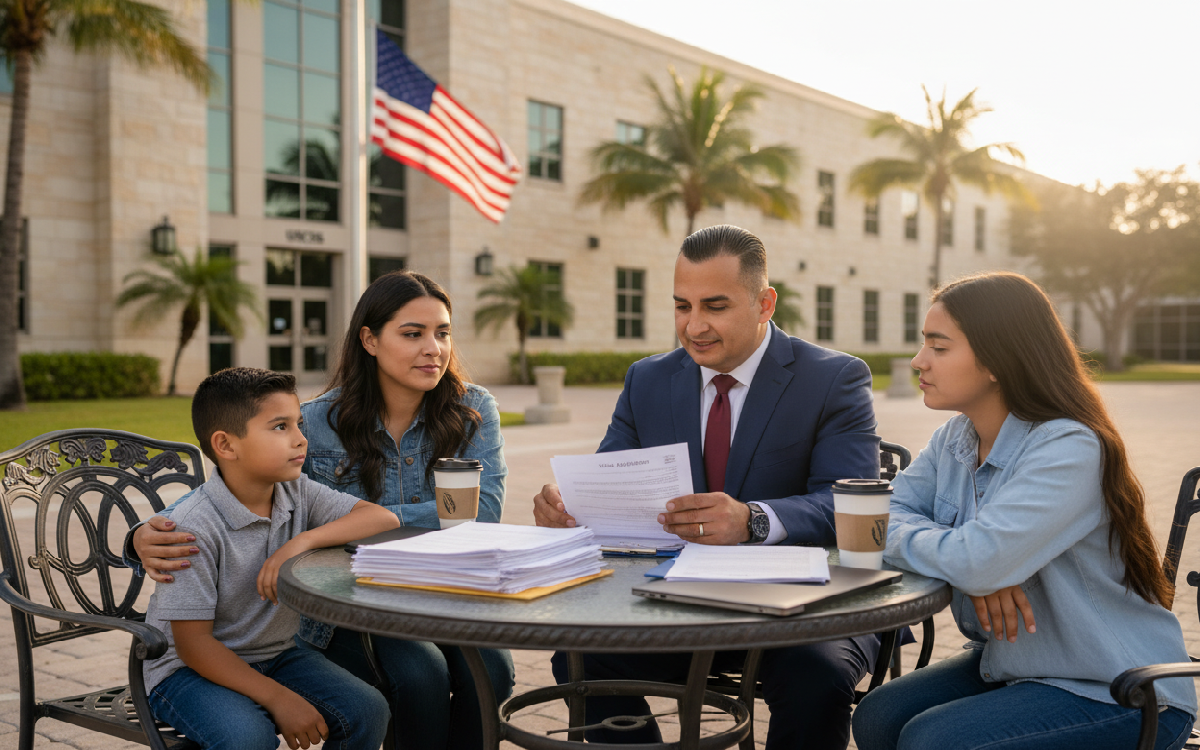
DACA, or Deferred Action for Childhood Arrivals, is a vital program for eligible non-citizens who arrived in the U.S. as children. As of early 2026, while new initial applications are generally paused due to ongoing litigation, renewals are still being processed by USCIS. The program's future remains uncertain, making it crucial for Florida Dreamers to stay informed and seek legal counsel.
- DACA renewals are currently accepted by USCIS.
- New initial DACA applications are generally not being processed.
- The program's long-term future depends on court rulings and potential new laws.
- Florida DACA recipients should consult an attorney for personalized guidance.
- Stay updated on official USCIS announcements and legal developments.
For many young people across Florida, the Deferred Action for Childhood Arrivals (DACA) program offers a path to stability. If you are a DACA recipient, you know its status is often in flux due to legal challenges and policy shifts. The latest daca news 2026 signals continued complexity, making reliable information essential.
This guide from Florida Immigration Lawyers aims to clarify the current state of DACA. We will explore what USCIS DACA updates mean for you and how to navigate renewals and potential changes specific to Florida residents. Our goal is to empower you with accurate information to protect your future and immigration status Florida.
Do not face these challenges alone. For personalized advice and to discuss your specific situation, call Florida Immigration Lawyers at 1-844-967-3536 for a free consultation. Our experienced team is here to help.
Understanding DACA News 2026 and Its Impact on Florida Dreamers
The DACA program, established in 2012, offers protection from deportation and work authorization to certain eligible individuals who came to the United States as children. However, its legal standing has been under continuous challenge, leading to a complex situation for many. As of early 2026, DACA continues to operate under injunctions that generally prevent USCIS from approving new initial DACA applications. Renewals, however, are still being accepted and processed, a crucial distinction.
The Fifth Circuit Court of Appeals has been central to recent DACA litigation, often upholding previous rulings that found the DACA program unlawful. Despite this, renewals have typically been allowed to continue temporarily. This legal back-and-forth means the program's long-term future remains uncertain, particularly for DACA new applicants. The government's ability to implement or alter DACA policies is directly tied to court orders and potential legislative action, such as the Department of Homeland Security's (DHS) Final Rule on DACA (codified at 8 CFR Part 236), which itself has faced judicial review.
Florida, home to a significant population of DACA recipients, is deeply affected by these developments. Many Dreamers in cities like Tampa, Orlando, and Miami contribute significantly to our state's economy and culture. The legal landscape surrounding DACA directly impacts their ability to live and work without constant fear. We understand that these constant shifts can be overwhelming. Florida Immigration Lawyers monitors legal precedents and administrative guidance from USCIS to provide accurate, up-to-date information on daca news 2026. For more detailed information on immigration policies, visit uscis.gov. Understanding immigration law, like INA § 236, helps contextualize DACA's protections.
Florida's DACA Demographics and Local Impact
Florida is home to one of the largest populations of DACA-eligible individuals in the country. Many of these young people arrived in Florida as children, building their lives and futures here. In communities like Tampa, DACA recipients are integral, attending local universities and contributing to various industries. The uncertainty surrounding DACA creates immense stress for them and the broader Florida community.
The Role of Ongoing Litigation in DACA's Future
Legal challenges against DACA primarily question the Executive Branch's authority to establish such a program without explicit congressional approval. Cases like Texas v. United States have been pivotal. Court decisions, often from the Fifth Circuit, distinguish between the legality of initial DACA and the ability to renew existing grants. This is why renewals continue while new applications are paused. The U.S. Department of Justice (DOJ) continues to defend DACA in court; updates can be found at justice.gov. We urge you to consult an immigration attorney to understand how these complex proceedings affect your immigration status Florida.
The DACA Renewal Process: A Step-by-Step Guide for Florida Residents
For current DACA recipients in Florida, timely renewal is critical to maintaining your protection and work authorization. Missing deadlines can have severe consequences. Here's a general step-by-step guide:
- Monitor Your Expiration Date: File your DACA renewal application between 120 and 150 days before your current DACA status expires. This window allows ample processing time and helps avoid any lapse.
- Gather Required Documents: Collect all necessary documentation, including previous DACA approval notices, proof of identity, and any new arrest records or criminal charges (even if dismissed). A detailed checklist is provided below.
- Complete Forms I-821D, I-765, and I-765 Worksheet: These are the primary forms for DACA renewal. Form I-821D is for Deferred Action, Form I-765 for Employment Authorization, and the I-765 Worksheet supports EAD eligibility.
- Pay the Filing Fees: As of early 2026, there is a combined fee for Form I-821D and Form I-765, including the biometrics fee. USCIS does not accept fee waivers for DACA, but limited fee exemptions may apply. Always check the USCIS website for current fees.
- Submit Your Application Package: Mail your completed forms and supporting documents to the correct USCIS lockbox facility for Florida residents to avoid delays.
- Attend Biometrics Appointment: You will typically receive a notice for a biometrics (fingerprinting) appointment at an Application Support Center (ASC), a mandatory step.
- Receive Decision: USCIS will review your application and send a decision notice. If approved, you will receive a new I-797 approval notice and a new Employment Authorization Document (EAD).
Navigating the DACA renewal process can be complex. If you have concerns about eligibility or documentation, our team at Florida Immigration Lawyers can assist. We help ensure your application is complete and accurate, minimizing potential delays or denials. We also offer guidance on deportation defense if your status is at risk.
Essential Document Checklist for DACA Applications and Renewals
Having all your documents in order is critical for a successful DACA application or renewal. Missing paperwork can lead to delays or denial. Here's a comprehensive checklist:
- ✅ Form I-821D, Consideration of Deferred Action for Childhood Arrivals: Complete and sign accurately.
- ✅ Form I-765, Application for Employment Authorization: For your work permit.
- ✅ Form I-765 Worksheet: Justifies EAD eligibility.
- ✅ Copy of Your Previous DACA Approval Notice (I-797): Proves prior DACA grant.
- ✅ Copy of Your Current Employment Authorization Document (EAD): Front and back.
- ✅ Two Passport-Style Photos: Taken within 30 days of filing, meeting USCIS specifications.
- ✅ Proof of Identity: Copy of birth certificate with certified translation, passport, or national identity document.
- ✅ Proof of Continuous Residence: Documents showing U.S. residence since June 15, 2007 (e.g., school/medical/employment records, rent receipts, utility bills, bank statements).
- ✅ Proof of Education or Military Service: High school diploma, GED, transcripts, or military discharge papers (Form DD-214).
- ✅ Proof of Any Criminal History: Certified court dispositions for any arrests or convictions, even if expunged. Full disclosure is mandatory.
- ✅ Payment for Filing Fees: Check or money order payable to "U.S. Department of Homeland Security" for the exact current amount.
Organizing these documents can be daunting. Florida Immigration Lawyers can help you prepare your package, ensuring no critical documents are overlooked. This meticulous approach is vital for a smooth process and to address specific DACA eligibility Florida requirements.
DACA Processing Timelines and Expectations for 2026
Processing times for DACA applications and renewals vary significantly due to application volume, USCIS workload, and policy changes. In 2026, Florida DACA recipients should be prepared for potential fluctuations. USCIS typically aims to process DACA renewals within a few months, but extensions are common, especially with Requests for Additional Evidence (RFEs) or complex cases. You can check current processing times on the USCIS website at egov.uscis.gov/processing-times/.
It's crucial to file your renewal application within the recommended 120-150 day window before expiration. Filing too early may result in denial, while filing too late could lead to a lapse in your DACA status and employment authorization. A lapse has serious implications, including potential job loss and increased deportation risk. Proactive filing with a complete, accurate application is your best defense against delays. If your DACA is nearing expiration and you haven't received a decision, consulting an attorney can be beneficial. We can help inquire about your case status and advise on next steps.
Cost Factors and Fee Breakdown for DACA Filings
Understanding the costs associated with DACA applications and renewals is an important part of planning. Fees are set by USCIS and are subject to change, so always verify current fees on the USCIS website before submitting. The primary costs for DACA renewal typically include the fee for Form I-765 (Application for Employment Authorization) and the biometrics services fee. These are usually paid as a single combined amount. USCIS generally does not accept fee waivers for DACA, though very rare fee exemptions might apply for extreme financial hardship.
Beyond government filing fees, you might also incur other costs: attorney fees for legal advice and application assistance, translation costs for non-English documents, postage for certified mail, and passport photos. While these fees can seem substantial, investing in a properly prepared application can save you from costly delays, denials, or potential deportation proceedings. Florida Immigration Lawyers offers transparent fee structures and can help you understand all associated costs for your DACA application or renewal.
Do not navigate this process alone. Contact Florida Immigration Lawyers today to discuss your DACA case and ensure your application is handled with expertise and care. We are here to help protect your immigration future.
Common Mistakes Florida DACA Applicants Must Avoid
Even a small error in your DACA application can lead to significant delays or denial. Being aware of these common pitfalls can help you avoid them:
- Filing Outside the Recommended Window: Submitting your renewal too late (risking lapse) or too early (risking denial) can cause issues. Adhere to the 120-150 day window.
- Incomplete Forms: Leaving fields blank or not fully answering questions on Forms I-821D, I-765, and the I-765 Worksheet. All sections must be addressed.
- Missing Signature: Forgetting to sign forms in all required places will lead to rejection.
- Incorrect Filing Fees: Sending the wrong payment amount. Always verify current fees on the USCIS website. Fee waivers are generally not accepted for DACA.
- Lack of Supporting Documentation: Failing to include all necessary evidence, like proof of continuous residence or educational attainment. This is a common reason for RFEs.
- Not Disclosing Criminal History: Omitting or misrepresenting any arrests, charges, or convictions, even minor or expunged ones. Full disclosure is mandatory.
- Submitting Expired Documents: Providing copies of expired IDs or EADs. Ensure all materials are current and valid.
- Poor Quality Copies: Sending blurry or unreadable copies of supporting documents. Copies must be clear and legible.
- Using Outdated Forms: Always download the latest version of forms directly from the USCIS website.
- Incorrect Mailing Address: Sending your application to the wrong USCIS lockbox facility. Verify the correct address for Florida residents.
- Not Responding to RFEs Promptly: Failing to respond comprehensively and on time to a Request for Evidence (RFE) will likely result in denial.
- Not Consulting an Attorney for Complex Cases: Navigating complicated DACA cases, especially with criminal records or prior immigration issues, without legal counsel can lead to irreversible mistakes.
When to Call a Florida Immigration Lawyer for DACA Assistance
While some DACA renewals may seem straightforward, the program's volatile nature means that legal expertise is often invaluable. Florida Immigration Lawyers stands ready to assist you in various scenarios:
- First-Time DACA Applicants (if rules change): Should DACA new applicants ever be allowed again, the process will be complex. Our firm can guide you through eligibility and application.
- Complex Renewal Cases: If you have any criminal history, even minor offenses, or if you have traveled outside the U.S. without advance parole, your renewal is not simple.
- Previous Denials or RFEs: If your DACA application was previously denied, or if you received an RFE that you're unsure how to address, professional help is crucial.
- Changes in Personal Circumstances: Marriage, divorce, or changes in your residence or employment status can impact your DACA eligibility or renewal.
- Uncertainty About Eligibility: If you are unsure whether you meet the DACA eligibility Florida criteria, or have questions about continuous residence requirements.
- Fear of Deportation: If you have received a Notice to Appear (NTA) or are concerned about deportation defense, immediate legal counsel is paramount.
- Navigating Legal Updates: With ongoing daca news 2026 and court cases, understanding how new rulings affect you requires expert interpretation.
Our attorneys provide comprehensive immigration services, from DACA renewals to asylum applications, family immigration, and citizenship. We are dedicated to protecting your rights and helping you achieve your immigration goals in Florida. Don't wait; contact us for guidance.
What will happen to DACA recipients in 2025?
As of late 2025 and into 2026, the DACA program remains legally challenged. The Fifth Circuit Court of Appeals has ruled DACA unlawful but has allowed renewals for existing recipients to continue. This means new initial applications are generally not processed, but current DACA holders can still renew. The program's ultimate fate depends on future court rulings, possibly from the Supreme Court, or new legislative action. Florida DACA recipients should diligently renew their status and stay informed through reliable sources like Florida Immigration Lawyers.
Can DACA recipients be in Florida?
Yes, DACA recipients can certainly reside in Florida. A significant population of DACA recipients lives, works, and studies across the state, including in major cities like Tampa, Miami, and Orlando. DACA provides protection from deportation and work authorization, allowing recipients to lawfully reside and contribute. DACA recipients can generally access state driver's licenses and, depending on specific state legislation (like potential Florida Senate Bill 1053), in-state tuition at some public colleges. It is vital to stay updated on both federal daca news 2026 and Florida-specific laws.
Why is DACA taking so long in 2025?
The perceived slowness of DACA processing in 2025, continuing into 2026, stems from several factors. Ongoing litigation keeps the program in a precarious legal state, leading to administrative caution and potential backlogs at USCIS. The agency must operate within court orders, which complicates processes. Additionally, fluctuations in application volume and staffing can impact processing times. The inherent complexity of immigration casework, including background checks and evidence review, also contributes. These legal and administrative environments often create delays, emphasizing the need for applicants to file early and accurately.
Is USCIS accepting new DACA?
Generally, as of early 2026, USCIS is NOT accepting new initial DACA applications. This policy is due to court injunctions from the U.S. District Court for the Southern District of Texas, upheld by the Fifth Circuit. These rulings found DACA unlawful and blocked DHS from implementing the DACA Final Rule for new applicants. While USCIS continues to process DACA renewal applications for existing recipients, individuals who have never received DACA before are typically unable to apply. Any change would require a new court order or significant congressional action. Stay tuned to official USCIS DACA updates for any changes.
What are the DACA eligibility requirements?
To be eligible for DACA, individuals must meet specific criteria. They must have been under 31 as of June 15, 2012; arrived in the U.S. before their 16th birthday; continuously resided in the U.S. since June 15, 2007; been physically present on June 15, 2012, and at the time of request; had no lawful status on June 15, 2012; and be currently in school, graduated high school, obtained a GED, or be an honorably discharged veteran. They must also have no felony, significant misdemeanor, or three+ other misdemeanor convictions, and not pose a threat to national security. These are key aspects of DACA eligibility Florida residents must consider.
How long is DACA valid?
A DACA grant and its associated Employment Authorization Document (EAD) are typically valid for two years from the approval date. This requires DACA recipients to apply for renewal every two years to maintain their deferred action status and work authorization. It is essential to monitor your DACA and EAD expiration dates and initiate the renewal process within the recommended 120 to 150 days before expiration. A lapse can lead to loss of employment authorization and increased risk of removal proceedings. Proactive management of your renewal schedule is crucial for your immigration status Florida.
Can DACA recipients travel outside the U.S.?
Under current DACA policy, recipients generally cannot travel outside the U.S. and return without first obtaining Advance Parole from USCIS. Traveling abroad without Advance Parole will typically terminate your DACA status and may prevent readmission. Advance Parole is granted for specific humanitarian, educational, or employment purposes. The application involves filing Form I-131, Application for Travel Document, and requires approval before departure. It is crucial to consult an immigration attorney before planning international travel, as rules can change and consequences are severe.
What are the legislative efforts to protect DACA?
Numerous legislative efforts in Congress have aimed to provide a permanent solution for DACA recipients, often called "Dreamers." Bills like the DREAM Act have sought to create a pathway to lawful permanent residency and eventually citizenship. However, these efforts have historically faced political hurdles and have not yet become law. Advocates continue to push for bipartisan legislation to protect Dreamers from DACA's ongoing legal uncertainties. The program's future ultimately depends on a favorable court resolution or congressional action. Staying engaged with advocacy groups and monitoring legislative daca news 2026 is important.
About Florida Immigration Lawyers
Florida Immigration Lawyers is a leading law firm providing comprehensive and compassionate immigration legal services across the entire state of Florida. Our experienced attorneys understand the complexities and emotional challenges of immigration law, guiding our clients through every step.
We offer a wide range of services, including DACA renewals, asylum applications, deportation defense, citizenship and naturalization, family-based immigration, and business immigration. Our firm prides itself on personalized attention, strategic advocacy, and a deep commitment to achieving positive outcomes for our diverse clientele.
Why choose Florida Immigration Lawyers? We are available 24/7, offer free consultations, and provide bilingual services for clear communication. Our dedicated attorneys serve all of Florida, from Tampa to Miami, Orlando to Jacksonville, providing expert legal counsel you can trust.
Visit our website at https://www.floridaimmigrationlawyers.net or call us anytime at 1-844-967-3536 to schedule your free consultation.
This article is for general informational purposes only and does not constitute legal advice. Immigration laws change frequently. For advice specific to your situation, please consult with a qualified immigration attorney.
The landscape of DACA is constantly shifting, and staying informed is your best defense. Do not leave your future to chance. For expert guidance on daca news 2026 and personalized legal strategies, reach out to Florida Immigration Lawyers today. We are here to help you navigate these complex times. Call us now at 1-844-967-3536 for a free, confidential consultation.
Florida Immigration Lawyers
Legal Team
Our experienced attorneys at Florida Immigration Lawyers have been serving clients across Florida for over 20 years. We specialize in immigration, personal injury, criminal defense, workers compensation, and family law.