DACA News 2026 Florida Update: What Dreamers Need to Know
For Florida Dreamers, understanding the latest DACA news 2026 is crucial amidst ongoing legal challenges. While new applications are largely on hold, current DACA recipients are still eligible to apply for renewals. This detailed guide from Florida Immigration Lawyers provides comprehensive insights into the DACA renewal process, essential document checklists, and expected processing timelines for 2026. We also highlight common mistakes to avoid and explain when seeking legal counsel is vital. With the landscape of immigration law constantly shifting, proactive engagement and expert legal support are more important than ever to protect your deferred action status and work authorization in Florida. Learn how our firm can help you navigate these complexities.
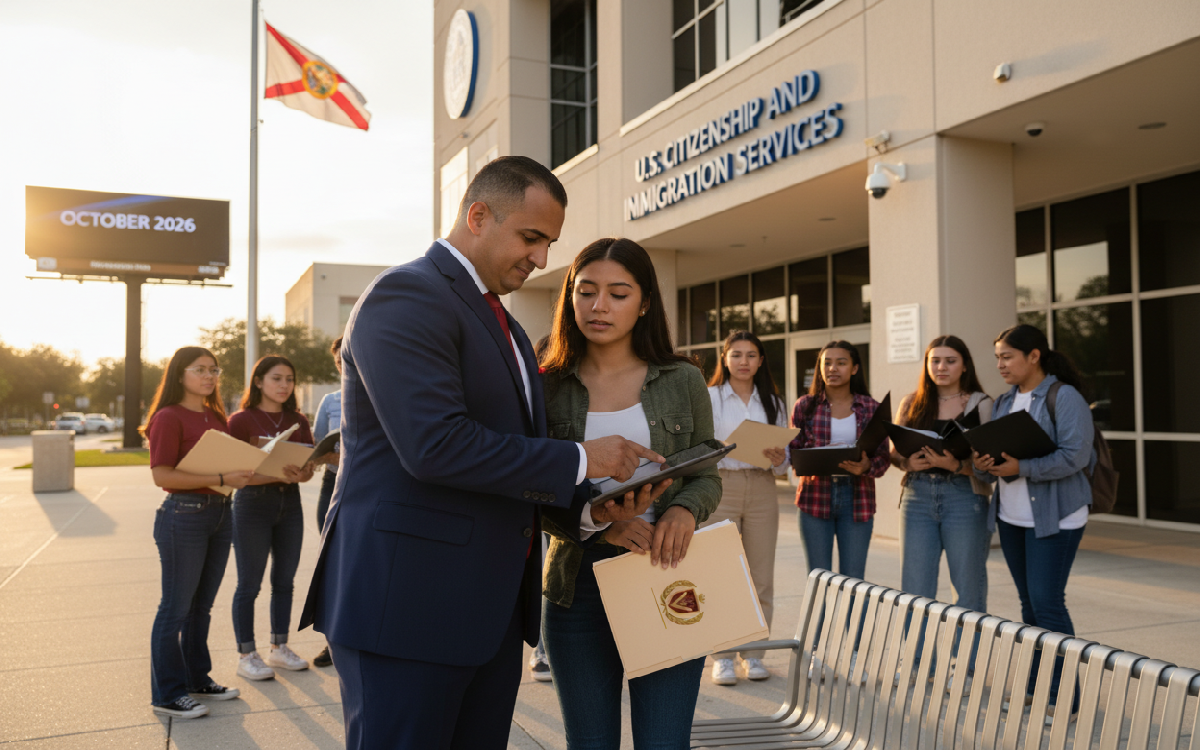
The status of DACA in 2026 for Florida Dreamers remains complex due to ongoing legal challenges, though renewals are generally still being processed. New applications are largely halted. It is crucial for recipients to stay informed about policy changes and renewal deadlines. Consulting an experienced immigration attorney is highly recommended to navigate these uncertainties and protect your status.
- DACA renewals are generally accepted in 2026.
- New DACA applications are largely on hold.
- Legal challenges continue to impact DACA's future.
- Florida Dreamers should seek legal counsel for personalized advice.
- Monitor USCIS updates closely for any policy changes.
Are you a DACA recipient in Florida wondering about the latest DACA news 2026? The Deferred Action for Childhood Arrivals (DACA) program has provided a lifeline for hundreds of thousands of young people, often called Dreamers, across the United States. However, its future remains a subject of ongoing legal and political debate.
Navigating the complexities of DACA, especially with the constant shifts in policy and court rulings, can feel overwhelming. This comprehensive guide from Florida Immigration Lawyers aims to provide clarity on the current state of DACA in 2026, specifically for those residing in Florida, including Tampa and surrounding areas. We will cover renewal processes, potential legal challenges, and how our firm can assist you.
Understanding your rights and responsibilities as a DACA recipient is more critical than ever. The landscape of immigration law is constantly evolving. If you have questions or need assistance with your DACA status, do not hesitate. Call Florida Immigration Lawyers at 1-844-967-3536 for a free consultation today.
Overview of DACA and Its Current Status in 2026 Florida
The Deferred Action for Childhood Arrivals (DACA) program was established in 2012. It offers temporary protection from deportation and work authorization to eligible undocumented immigrants who came to the U.S. as children. While it is not a path to citizenship, it provides a crucial measure of stability.
The legal framework for DACA has been challenged repeatedly since its inception. In 2026, the program continues to operate under a cloud of uncertainty, primarily due to federal court injunctions. These injunctions have largely stopped U.S. Citizenship and Immigration Services (USCIS) from approving new initial DACA applications.
For current DACA recipients in Florida, the critical piece of DACA news 2026 is that renewals are generally still being processed. This means that if you currently hold DACA status, you are typically eligible to apply for renewal. However, the exact timeline and requirements may shift based on judicial decisions.
Florida is home to a significant population of DACA recipients, with many contributing to our communities and economy. The legal battles often leave these individuals in a state of anxiety. Florida Immigration Lawyers are committed to keeping our clients informed about all developments affecting Dreamers in Tampa and throughout the state.
The program itself is rooted in the Department of Homeland Security's (DHS) exercise of prosecutorial discretion, as outlined in general immigration law principles. Specifically, deferred action allows DHS to defer removal proceedings against certain individuals for a specified period, as permitted under statutory authority like INA Section 212(d)(5) and regulatory provisions found in 8 CFR 214.2(c)(1).
Navigating DACA Renewal in 2026: A Step-by-Step Guide
Renewing your DACA status in 2026 is a critical process that requires careful attention to detail and timely submission. Even with ongoing legal challenges, current DACA recipients are strongly encouraged to renew their status. This ensures continued protection and work authorization.
The process involves submitting specific forms and supporting documentation to USCIS. Missing deadlines or providing incomplete information can lead to significant delays or even denial. Our firm can help you prepare and submit a strong renewal application.
Eligibility Criteria for DACA Renewal
To be eligible for DACA renewal in 2026, you must generally meet the original DACA guidelines. You must have received DACA previously. You should not have departed the United States without advance parole on or after August 15, 2012.
Furthermore, you must not have been convicted of a felony, a significant misdemeanor, or three or more other misdemeanors. You also cannot pose a threat to national security or public safety. USCIS will review your entire history to ensure you still meet these criteria.
The Application Process Explained
The DACA renewal process involves several key steps. Following these steps diligently is essential for a successful outcome. We recommend starting your renewal application well in advance of your current DACA expiration date, ideally 120 to 150 days before.
- Gather Required Forms: You will need to complete Form I-821D, Consideration of Deferred Action for Childhood Arrivals. You must also file Form I-765, Application for Employment Authorization, and Form I-765 Worksheet.
- Collect Supporting Documents: Assemble all necessary documents proving your identity, continuous residence, and absence of disqualifying criminal history. This includes previous DACA approval notices.
- Pay Filing Fees: Submit the required filing fees for Form I-765. As of 2026, USCIS fees are subject to change, so always check the most current fee schedule on the USCIS website.
- Biometrics Appointment: After filing, USCIS will send you an appointment notice for biometrics (fingerprints and photos). Attending this appointment is mandatory.
- Receive Decision: USCIS will process your application and mail you a decision notice. If approved, you will receive a new Employment Authorization Document (EAD).
Essential Document Checklist for Your DACA Application
Having all your documents organized and ready is crucial for a smooth DACA renewal process. A missing document can cause significant delays. We advise creating a folder specifically for your DACA application materials.
This checklist outlines the typical documents required. Your specific situation may require additional evidence. Always consult with a legal professional to confirm your needs.
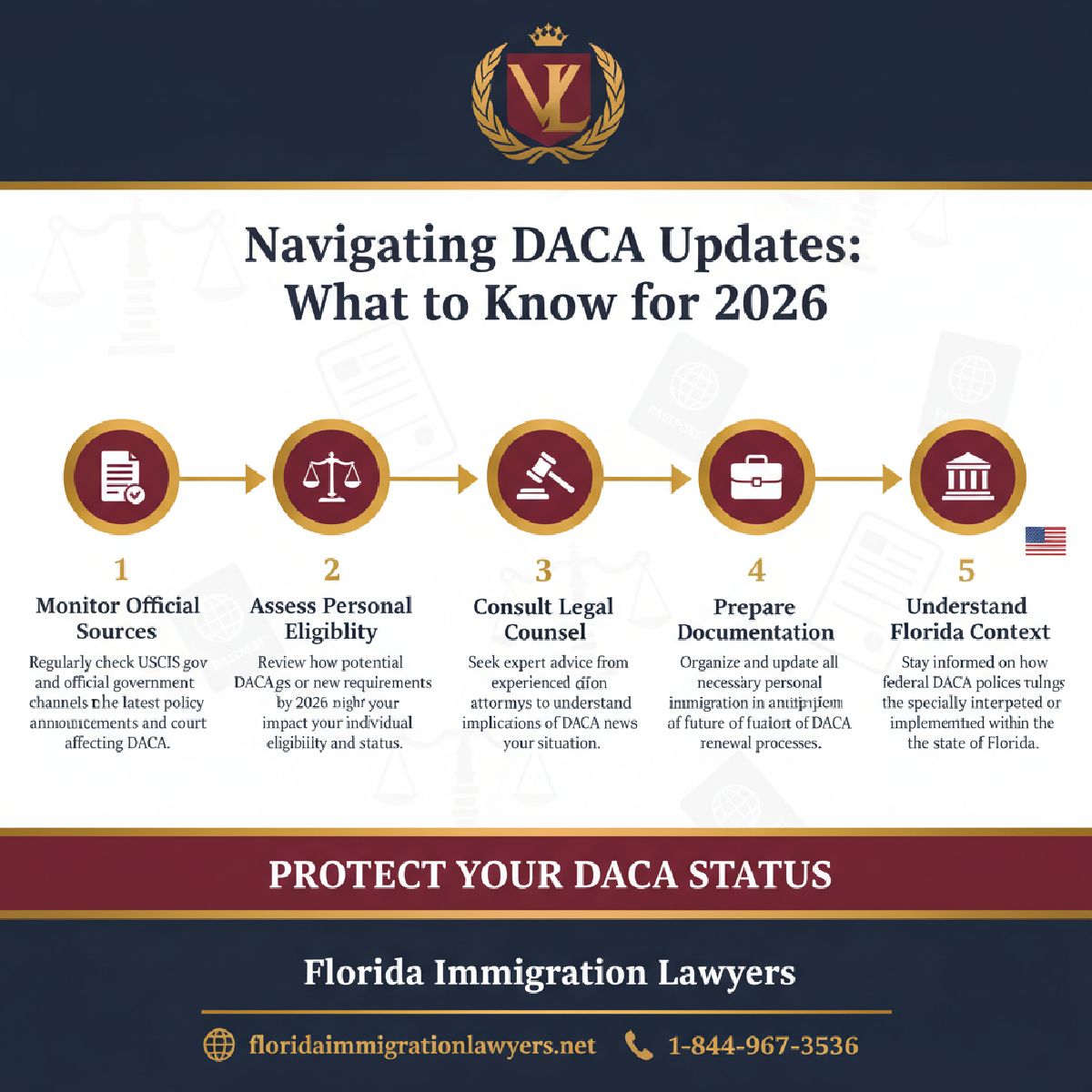
- ✓ Copy of your most recent DACA approval notice (Form I-797).
- ✓ Copy of your most recent Employment Authorization Document (EAD).
- ✓ Copies of all previous EADs issued under DACA.
- ✓ Two passport-style photos taken within 30 days of filing.
- ✓ Evidence of continuous residence since your last DACA approval (e.g., utility bills, school transcripts, employment records).
- ✓ Proof of identity (e.g., passport from country of origin, birth certificate with photo ID).
- ✓ If applicable, certified copies of any court dispositions for arrests or convictions, even minor ones.
- ✓ Completed Form I-821D, Form I-765, and Form I-765 Worksheet.
- ✓ Check or money order for the correct filing fees, payable to "U.S. Department of Homeland Security."
DACA Processing Timeline and Expectations for 2026
Understanding the typical processing times for DACA renewals can help manage your expectations. While USCIS aims to process applications efficiently, delays can occur due to various factors. These factors include the volume of applications, ongoing legal reviews, and operational changes at USCIS service centers.
Generally, DACA renewal applications can take anywhere from 3 to 6 months to process. However, some cases may take longer. It is vital to apply well in advance of your EAD expiration date. This proactive approach helps prevent any lapse in your work authorization.
You can check the current processing times on the USCIS website. Select Form I-821D and your service center. Remember that these times are estimates and not guarantees. If your application is pending for an unusually long time, an attorney can help inquire with USCIS.
For Florida Dreamers, the USCIS offices and service centers serving the state handle thousands of applications. While there are no specific regional differences in processing policy, localized backlogs can sometimes occur. Staying informed about the latest DACA news 2026 from official sources is crucial.
Understanding DACA Cost Factors and Fee Breakdown
The cost associated with a DACA renewal application primarily consists of USCIS filing fees. These fees are subject to change, so always verify the current amounts directly on the USCIS website before submitting your application. As of early 2026, the fee structure typically includes fees for Form I-765 (Application for Employment Authorization) and biometrics services.
There is no separate fee for Form I-821D itself. However, the total cost for the I-765 and biometrics combined can be substantial. It is important to budget for these expenses. USCIS does not generally offer fee waivers for DACA applications, though there are very limited exceptions for extreme hardship cases.
Beyond the government fees, you may also incur costs for legal assistance. While it is possible to file DACA renewal applications on your own, the complex and ever-changing legal landscape makes professional guidance invaluable. An experienced immigration lawyer can ensure your application is complete, accurate, and submitted correctly, minimizing the risk of delays or denial.
Florida Immigration Lawyers offers free consultations to discuss your DACA case and provide a clear understanding of potential legal fees. Investing in legal counsel can save you time, stress, and potential future complications. This is particularly true given the uncertain future of DACA, which may involve further litigation or legislative efforts that could impact eligibility or status.
Potential Future Legislative Changes for Florida Dreamers
The long-term solution for DACA recipients ultimately lies in legislative action from Congress. Various proposals for a pathway to permanent residency or citizenship for Dreamers have been introduced over the years. However, none have yet garnered sufficient bipartisan support to pass both chambers of Congress.
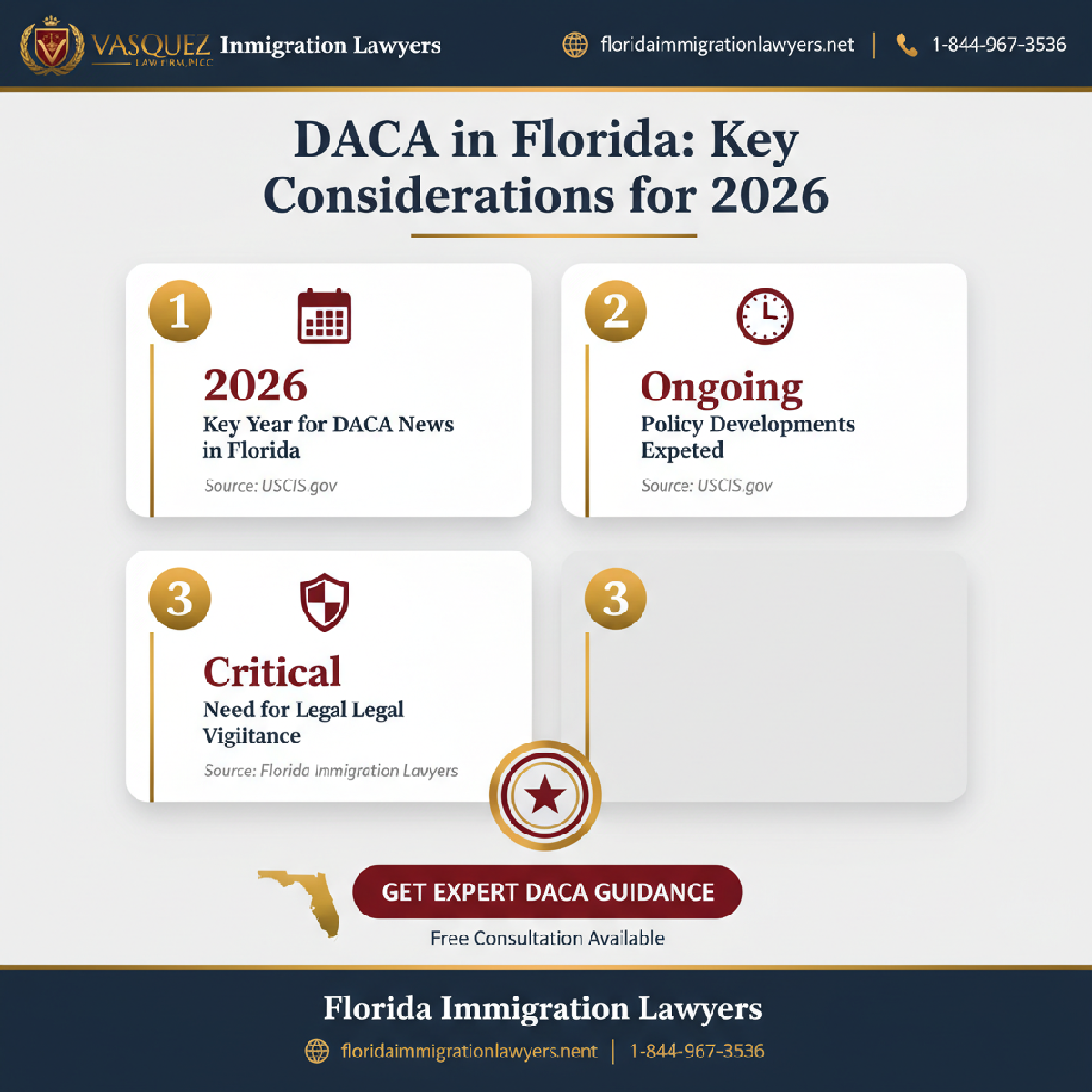
In Florida, state-level initiatives have also been discussed, but federal law governs immigration status. While state laws, like access to in-state tuition for some undocumented students, can provide relief, they do not alter federal immigration standing. The focus remains on federal reform to provide a durable solution for Dreamers.
The ongoing legal challenges reinforce the need for a permanent legislative fix. Organizations and advocates continue to push for comprehensive immigration reform that includes DACA recipients. Monitoring these developments is part of staying informed on DACA news 2026.
Do not navigate this process alone. The complexities of DACA and immigration law demand expert attention. Contact Florida Immigration Lawyers today to schedule your free consultation. We are here to provide the guidance and support you need.
Common Mistakes to Avoid in Your DACA Renewal
- Filing Late: Submitting your renewal application after your current DACA or EAD has expired can lead to a lapse in your work authorization and even potential deportation proceedings. Always aim to file 120-150 days before expiration.
- Incomplete Forms: Leaving sections blank or failing to answer all questions truthfully and completely can result in USCIS rejecting or denying your application. Review everything carefully before submission.
- Incorrect Fees: Submitting the wrong filing fee amount or an expired payment method will cause your application to be returned. Always verify the current fees on the USCIS website.
- Lack of Evidence: Not providing sufficient evidence of continuous residence, identity, or absence of disqualifying criminal history can weaken your case. Over-document rather than under-document.
- Failure to Disclose Criminal History: Even minor arrests or convictions, if not properly disclosed with certified dispositions, can lead to serious complications or denial. Transparency is key.
- Ignoring Biometrics Appointment: Missing your scheduled biometrics appointment without rescheduling can lead to the denial of your application. Always attend or reschedule promptly.
- Mailing to the Wrong Address: USCIS has specific Lockbox facilities for different form types. Sending your application to the incorrect address will cause significant delays.
- Not Keeping Copies: Always make a complete copy of your entire application package, including all forms and supporting documents, before mailing it. This is vital for your records.
- Assuming Past Approval Guarantees Future: While renewals are generally accepted, USCIS still reviews eligibility. Any changes in your criminal record or residency can impact your renewal.
- Not Seeking Legal Advice for Complex Cases: If you have any arrests, prior deportations, or periods out of status, attempting to renew DACA without legal counsel is a significant risk.
- Waiting for "Better" News: Delaying your renewal in hopes of a permanent legislative solution can put your current DACA status at risk. Renew when eligible.
- Using Outdated Forms: USCIS regularly updates its forms. Ensure you are using the most current version available on the USCIS website to avoid rejection.
When to Call a Lawyer for Your DACA Case
While some DACA renewals may seem straightforward, the program's precarious legal standing means that even minor issues can become significant hurdles. Florida Immigration Lawyers strongly advises consulting an attorney in several scenarios. Our experienced team in Tampa is ready to assist you.
You should definitely seek legal counsel if you have had any arrests or convictions, even if they were dismissed or expunged. Any interaction with law enforcement can impact your DACA eligibility under 8 USC 1227. An attorney can help assess the impact and prepare appropriate documentation.
Furthermore, if you have traveled outside the U.S. without advance parole, or if you have a prior deportation order, your case is highly complex. Attempting to renew DACA under these circumstances without legal guidance could lead to severe immigration consequences. We can help you explore all available options, including potential applications for advance parole.
If USCIS has issued a Request for Evidence (RFE) or a Notice of Intent to Deny (NOID) for your DACA application, it is a clear red flag. These notices indicate a problem with your application that requires a detailed and timely response. Our attorneys can help you craft a strong response to address USCIS concerns effectively.
Finally, if you are simply overwhelmed by the process, the paperwork, or the constant changes in DACA news 2026, our firm is here to provide peace of mind. We simplify complex legal language and ensure your application is handled professionally. Our goal is to protect your status and future in Florida.
Frequently Asked Questions About DACA in 2026
What is the current status of DACA for recipients in 2026?
As of 2026, DACA continues to face legal challenges, primarily from federal court rulings that have deemed it unlawful. However, existing DACA recipients are generally still able to apply for and receive renewals of their deferred action and employment authorization. USCIS is not accepting new initial DACA applications. It is crucial for recipients to monitor official USCIS announcements and consult with an immigration attorney for the most up-to-date information, as court decisions can change the landscape rapidly. Florida Immigration Lawyers stays abreast of all developments to advise our clients effectively.
Can DACA recipients live and work in Florida?
Yes, DACA recipients are legally permitted to live and work in Florida, provided their DACA status and Employment Authorization Document (EAD) are current and valid. DACA grants temporary protection from deportation and work authorization, allowing recipients to contribute to Florida's economy and communities. While DACA does not grant a specific immigration status, it provides a crucial layer of protection. Many DACA recipients in Florida attend school, work in various industries, and are integral parts of their local areas, including Tampa and Orlando. Always ensure your DACA and EAD are renewed on time to maintain your eligibility.
Why are DACA processing times lengthy in 2026?
DACA processing times in 2026 can be lengthy due to a combination of factors. These include the sheer volume of applications USCIS receives, staffing levels at service centers, and the ongoing legal and political uncertainties surrounding the DACA program. Court orders and potential policy changes can also divert resources or introduce new review procedures, causing delays. It is not uncommon for renewals to take several months. To minimize personal impact, DACA recipients in Florida should file their renewal applications 120-150 days before their current EAD expires. Regularly checking the USCIS processing times website can provide general estimates.
Is USCIS accepting new DACA applications in 2026?
No, as of 2026, USCIS is generally not accepting new initial DACA applications. Federal court orders have largely halted the processing of first-time DACA requests. This means that individuals who have never received DACA before are typically unable to apply. USCIS continues to accept and process DACA renewal requests for individuals who have previously been granted DACA. Any change to this policy would require a new court order or legislative action. Florida Immigration Lawyers closely monitors these developments and will provide updates if the situation changes.
What happens if my DACA expires before my renewal is approved?
If your DACA expires before your renewal is approved, you will lose your protection from deportation and your Employment Authorization Document (EAD) will no longer be valid. This means you would temporarily lose your legal ability to work in the U.S. and could be subject to removal proceedings. To avoid this, it is critical to file your renewal application within the recommended timeframe of 120-150 days before expiration. If your DACA does lapse, it is imperative to consult an immigration attorney immediately to discuss your options and the potential risks involved. Our firm can help assess your situation.
Can DACA recipients apply for advance parole in 2026?
Yes, DACA recipients whose DACA status is current and valid are generally eligible to apply for advance parole in 2026. Advance parole allows DACA recipients to travel outside the United States and lawfully return. It is typically granted for humanitarian, educational, or employment purposes. Traveling without advance parole can lead to serious immigration consequences, including being barred from re-entry. The application involves filing Form I-131, Application for Travel Document. Consulting with an attorney is highly recommended before planning any international travel to ensure eligibility and proper application submission.
What are the long-term prospects for DACA recipients in Florida?
The long-term prospects for DACA recipients in Florida, and across the U.S., remain uncertain without a permanent legislative solution. While DACA provides temporary relief, it does not offer a pathway to permanent residency or citizenship. Various legislative proposals, often referred to as the DREAM Act, aim to create such a pathway. However, these bills have not yet passed Congress. The future of DACA is heavily influenced by court decisions and potential federal legislation. Florida Immigration Lawyers advocates for durable solutions and keeps clients informed about legislative developments that could impact their future.
Are there any state-specific protections for DACA recipients in Florida?
While DACA is a federal program, Florida has some state-level policies that can benefit DACA recipients. For example, some DACA recipients in Florida may be eligible for in-state tuition at public colleges and universities. However, these state-level benefits do not change federal immigration status or provide protection from deportation beyond DACA itself. It's important to differentiate between state and federal laws. For any questions regarding your specific rights and benefits as a DACA recipient in Florida, contacting an immigration attorney is advisable. We can clarify how various laws apply to your unique situation.
About Florida Immigration Lawyers
Florida Immigration Lawyers is a leading immigration law firm dedicated to serving individuals and families across all of Florida. With offices located strategically to serve areas like Tampa, Orlando, Miami, and Jacksonville, we are committed to providing expert legal counsel and compassionate representation for a wide range of immigration matters. Our team understands the profound impact immigration issues have on your life and your family's future.
We specialize in areas including DACA, deportation defense, asylum, family-based immigration, business immigration, and citizenship applications. Our experienced attorneys are available 24/7 to address your concerns and provide clear, actionable advice. We believe everyone deserves high-quality legal representation, regardless of their background or current situation.
Choosing Florida Immigration Lawyers means choosing a firm that prioritizes your needs and fights tirelessly for your rights. We offer free consultations to discuss your case and explore the best legal strategies for you. Let us be your trusted partner in navigating the complexities of U.S. immigration law. Visit our website at https://www.floridaimmigrationlawyers.net or call us at 1-844-967-3536 to schedule your free consultation today.
This article is for general informational purposes only and does not constitute legal advice. Immigration laws change frequently. For advice specific to your situation, please consult with a qualified immigration attorney.
The future of DACA may be uncertain, but your peace of mind doesn't have to be. Stay informed about DACA news 2026 and take proactive steps to protect your status. Contact Florida Immigration Lawyers at 1-844-967-3536 for a free, confidential consultation. Let our dedicated team provide the expert legal guidance you deserve.
Florida Immigration Lawyers
Legal Team
Our experienced attorneys at Florida Immigration Lawyers have been serving clients across Florida for over 20 years. We specialize in immigration, personal injury, criminal defense, workers compensation, and family law.