DACA News 2026: Florida Dreamers Guide to Renewal & Future
Stay informed on the latest DACA news 2026 for Florida Dreamers with this comprehensive guide from Florida Immigration Lawyers. We cover essential renewal processes, current eligibility criteria, and critical legal updates impacting DACA recipients in Coral Springs and across Florida. Understand the ongoing court challenges, what to expect regarding processing times, and the necessary documents for a successful renewal. This article also highlights common mistakes to avoid and when to seek expert legal assistance. Don't navigate the complexities of DACA alone; learn how Florida Immigration Lawyers can help protect your future. Contact us today for a free consultation.
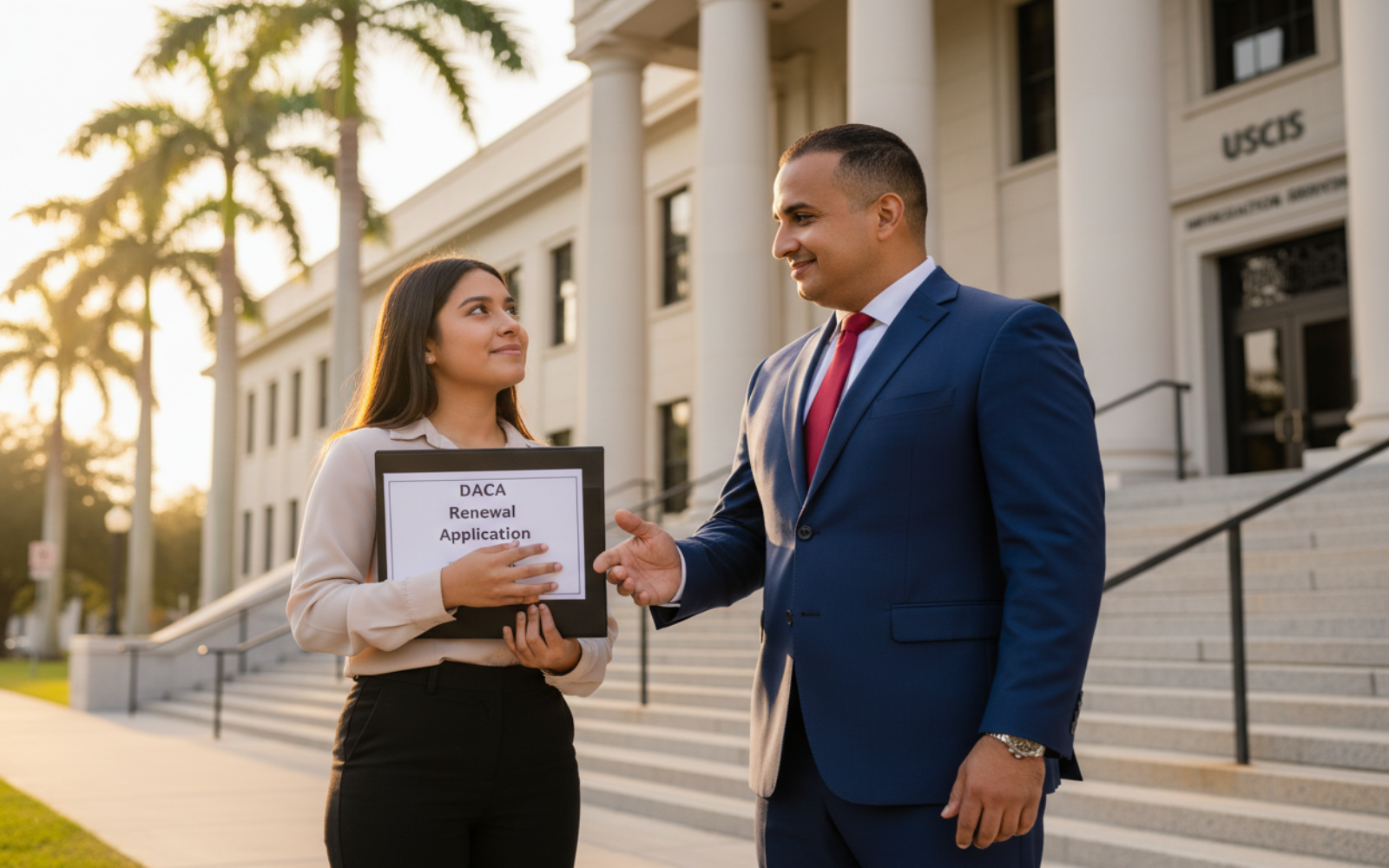
The daca news 2026 for Florida Dreamers indicates continued uncertainty for new applications due to ongoing legal challenges. However, current DACA recipients can generally still apply for renewal. It is crucial to understand the updated processes, eligibility criteria, and potential legal hurdles to protect your status.
- New DACA applications remain paused in 2026 due to court orders.
- Existing DACA recipients are generally eligible to renew their status.
- Timely filing and accurate documentation are critical for renewal.
- Legal challenges continue to shape the future of DACA.
- Consulting an experienced Florida immigration lawyer is highly recommended.
DACA News 2026: Florida Dreamers Guide to Renewal & Future
For thousands of young people in Florida, the Deferred Action for Childhood Arrivals (DACA) program represents hope and stability. Many Dreamers in cities like Coral Springs and across the state have built their lives here, contributing to our communities and economy. However, the legal landscape surrounding DACA is constantly shifting, creating anxiety and questions about the future. Staying informed about the latest daca news 2026 is essential for protecting your status and planning ahead.
This comprehensive guide from Florida Immigration Lawyers will walk you through the current state of DACA in 2026. We will cover renewal processes, eligibility requirements, common challenges, and crucial updates impacting Dreamers in Florida. Our goal is to provide clarity and empower you with the knowledge needed to navigate these complex immigration matters.
Do you have urgent questions about your DACA status? Don't wait. Call Florida Immigration Lawyers at 1-844-967-3536 for a free consultation today. Our experienced team is here to help you understand the latest daca news 2026 and your options.
Understanding DACA's Current Status in 2026 for Florida Dreamers
As we navigate 2026, the DACA program continues to operate under the shadow of significant legal challenges. Federal court decisions have largely maintained the status quo, meaning that while renewals for existing DACA recipients are generally being processed, new applications remain paused. This ongoing legal battle creates considerable uncertainty for young immigrants who arrived in the U.S. as children.
Specifically, the U.S. Court of Appeals for the Fifth Circuit's rulings have played a pivotal role in limiting DACA. These decisions have affirmed that the Department of Homeland Security (DHS) cannot process initial DACA applications. This means that if you have never received DACA before, you are currently unable to apply for it. We understand this is disheartening for many aspiring Dreamers in Florida.
The Impact of Court Rulings on DACA Eligibility
The legal challenges primarily stem from arguments that DACA was created without proper legal authority. While these cases proceed, the injunctions prevent USCIS from accepting new DACA requests. For existing DACA recipients, however, the process for renewal has largely been allowed to continue, albeit with careful scrutiny and adherence to existing guidelines. This distinction is critical for understanding your current situation.
It is important to note that the legal landscape can change rapidly. We continuously monitor federal court decisions and USCIS DACA updates to provide the most current information. Florida Immigration Lawyers is dedicated to keeping our clients informed about any new developments that may affect their DACA status or eligibility. Our firm actively helps individuals understand the nuances of immigration law, including provisions outlined in the Immigration and Nationality Act (INA), such as those pertaining to eligibility for relief from removal, found in sections like 8 U.S.C. § 1227.
DACA Renewal Process: A Step-by-Step Guide for Florida Residents
For current DACA recipients in Florida, renewing your status is a critical process that requires attention to detail and timely action. Missing deadlines or submitting incomplete applications can lead to serious consequences, including the lapse of your DACA status and employment authorization. Here is a step-by-step guide to help you navigate the DACA renewal process in 2026.
- Review Your Eligibility: Before beginning, ensure you still meet the DACA eligibility criteria. This includes not having departed the U.S. without advance parole, maintaining continuous residence, and not having been convicted of certain crimes. If your circumstances have changed, consult with an attorney.
- Gather Required Documents: Collect all necessary documentation, including previous DACA approval notices, identification, and proof of continuous residence. We will detail these documents in the next section. Accuracy and completeness are paramount for a successful renewal.
- Complete Forms I-821D, I-765, and I-765WS: You must accurately fill out Form I-821D (Consideration of Deferred Action for Childhood Arrivals), Form I-765 (Application for Employment Authorization), and Form I-765 Worksheet (I-765WS). These forms are essential for both your deferred action and your work permit.
- Pay the Filing Fees: As of 2026, there are specific filing fees for DACA renewal. These fees typically cover both the Form I-821D and Form I-765, along with the biometric services fee. Always refer to the official USCIS website for the most current fee schedule, as these amounts can change.
- Submit Your Application Package: Mail your completed forms, supporting documents, and payment to the correct USCIS lockbox facility. The mailing address depends on your state of residence. For Florida residents, check the USCIS website for the specific address. It's advisable to send your package via certified mail with a return receipt.
- Attend Biometrics Appointment: After USCIS accepts your application, you will typically receive an appointment notice for biometrics (fingerprints and photo) at an Application Support Center (ASC). It is crucial to attend this appointment on time.
- Respond to Requests for Evidence (RFE) or Notices: USCIS may send a Request for Evidence (RFE) if they need more information or clarification. Respond promptly and thoroughly to any RFE. You may also receive other notices regarding your application status.
- Monitor Your Case Status: You can track the status of your DACA renewal application online using the receipt number provided by USCIS. Regularly checking your status can help you anticipate next steps.
Timely renewal is key. USCIS recommends filing your renewal application 120 to 150 days before your current DACA status expires. This timeframe helps account for potential processing delays. Our firm can assist you with understanding the nuances of the DACA renewal process. Learn more about how we defend against deportation defense, a critical service for DACA recipients whose status may lapse.
Essential Documents for Your DACA Application or Renewal in Florida
Preparing a complete and accurate document package is fundamental to a successful DACA renewal. Any missing or incorrect documentation can lead to delays, Requests for Evidence (RFEs), or even denial. Here is a comprehensive checklist of documents you will typically need to submit to USCIS for your DACA renewal in Florida.
- Form I-821D, Consideration of Deferred Action for Childhood Arrivals: Ensure all sections are accurately completed and signed.
- Form I-765, Application for Employment Authorization: This form is necessary to receive your work permit.
- Form I-765 Worksheet (I-765WS): Provides additional information required for the employment authorization application.
- Copies of Previous DACA Approval Notices (I-797): Include copies of all previous DACA approval letters and Employment Authorization Documents (EAD cards).
- Proof of Identity: Copies of your passport, birth certificate with photo ID, or other government-issued identification.
- Proof of Continuous Residence in the U.S.: Documents showing you have continuously resided in the U.S. from June 15, 2007, to the present. Examples include school records, employment records, medical records, utility bills, bank statements, and rental agreements.
- Proof of Entry into the U.S. Before Age 16: Documents like a passport with an admission stamp, I-94 arrival/departure record, or birth certificate.
- Proof of Absence from Disqualifying Criminal History: While not always required to submit proactively, be prepared to disclose any interactions with law enforcement.
- Passport-style Photographs: Two identical, unmounted, color passport-style photographs taken within 30 days of filing.
- Payment for Fees: Check or money order payable to "U.S. Department of Homeland Security" for the correct filing fees.
Organizing these documents thoroughly will streamline your application process. If you have any doubts about which documents are applicable to your specific situation, especially concerning your asylum application or other complex immigration histories, seeking legal counsel is always prudent. Our team can help you compile a robust application package.
DACA Processing Times and Expectations for 2026 Applicants in Florida
Understanding the potential timeline for your DACA renewal is crucial for planning your life and work in Florida. While USCIS aims for efficient processing, various factors can influence how long it takes to receive a decision. For daca news 2026, processing times remain a key concern for many Dreamers.
Typically, USCIS aims to process DACA renewal applications within a few months, often between 3 to 5 months. However, these times are estimates and can fluctuate significantly. Factors such as the volume of applications, staffing levels at USCIS service centers, and the complexity of individual cases can all impact the actual processing duration. For residents of Coral Springs and other Florida communities, the specific service center handling your case may also affect the timeline.
Factors Influencing DACA Processing Delays
- Application Volume: High numbers of applications can create backlogs and extend processing times.
- Requests for Evidence (RFEs): If USCIS issues an RFE, it will pause your application's processing until they receive and review your response.
- Background Checks: Security checks are a standard part of the process and can sometimes take longer than expected.
- Legal Challenges: The ongoing legal battles surrounding DACA can introduce periods of uncertainty or policy shifts that affect processing.
- Errors or Incomplete Applications: Any mistakes or missing information in your application will inevitably lead to delays.
You can check the current average processing times for Form I-821D and Form I-765 on the official USCIS website. It is important to remember that these are averages, and your individual case may take more or less time. If your DACA is nearing expiration and you have not received a decision, it is advisable to contact USCIS directly or seek legal assistance. A knowledgeable attorney can help you inquire about your case status and address any potential issues. Timely action is paramount to avoid gaps in your employment authorization and deferred action.
Understanding DACA Costs and Fees in 2026
The financial aspect of applying for or renewing DACA is an important consideration for many Dreamers in Florida. As of 2026, there are specific fees associated with the DACA renewal process. These fees are set by USCIS and are subject to change, so it is always vital to verify the most current amounts directly on the USCIS website before submitting your application.
The total cost for a DACA renewal typically includes the fee for Form I-821D (Consideration of Deferred Action for Childhood Arrivals) and the fee for Form I-765 (Application for Employment Authorization), which also covers the biometric services fee. USCIS generally requires these fees to be submitted together as part of your application package. Remember, fee waivers for DACA applications are very rarely granted, so you should plan to pay the full amount.
Potential Additional Costs to Consider
- Legal Fees: While you can file DACA applications yourself, many individuals choose to hire an experienced immigration attorney. Legal fees will vary depending on the complexity of your case and the services provided. An attorney can help ensure accuracy, completeness, and address any unique circumstances.
- Document Preparation Costs: You might incur costs for obtaining certified copies of documents, translation services for foreign-language documents, or postage for mailing your application.
- Travel Expenses: If you need to travel to a USCIS Application Support Center (ASC) for biometrics, consider potential travel and parking costs.
Investing in legal assistance from Florida Immigration Lawyers can often save you time, reduce stress, and prevent costly mistakes. Our team can help you understand the current fee structure, ensure your payment is correctly submitted, and guide you through the entire process. We believe that everyone deserves expert legal support, especially when navigating critical immigration processes. Contact us at Florida Immigration Lawyers Contact page to discuss your options.
Do not navigate this process alone. The complexities of DACA and the ever-changing legal landscape require expert guidance. Contact Florida Immigration Lawyers today to ensure your application is handled with precision and care. We are here to protect your future.
Common Mistakes to Avoid When Applying for DACA in Florida
Navegating the DACA renewal process can be challenging, and even minor errors can lead to significant delays or denials. Being aware of common pitfalls can help you avoid them and ensure a smoother application experience. Here are some of the most frequent mistakes DACA applicants in Florida make:
- Filing Late: One of the most critical errors is submitting your renewal application after your current DACA status has expired. This can lead to a lapse in your employment authorization and even put you at risk of removal proceedings. USCIS recommends filing 120-150 days before expiration.
- Incomplete or Incorrect Forms: Failing to fill out all sections of Forms I-821D, I-765, and I-765WS accurately and completely is a common issue. Missing signatures or incorrect dates can cause your application to be rejected or returned.
- Insufficient Supporting Documentation: Not providing all required evidence for continuous residence, identity, or educational attainment can result in a Request for Evidence (RFE), significantly delaying your case. Ensure every piece of evidence is relevant and clearly presented.
- Not Disclosing Criminal History: Attempting to hide or misrepresent any criminal history, no matter how minor, can lead to immediate denial and severe immigration consequences. Always be truthful and seek legal advice if you have a criminal record.
- Incorrect Filing Fees: Submitting the wrong fee amount or an expired payment method will result in your application being rejected. Always check the USCIS website for the most current fee schedule before sending payment.
- Mailing to the Wrong Address: USCIS has specific lockbox facilities for DACA applications based on your state of residence. Sending your package to the wrong address will cause delays and potential loss of documents.
- Failing to Keep Copies: Always make and keep copies of your entire application package, including all forms, supporting documents, and the check or money order used for payment. This is crucial for your records and if USCIS requests additional information.
- Not Updating Your Address with USCIS: If you move while your application is pending, failing to update your address with USCIS can result in missed notices, RFEs, or appointment letters, potentially leading to a denial without your knowledge.
- Assuming Automatic Renewal: DACA status does not automatically renew. You must proactively file a new application and meet all requirements before your current status expires.
- Ignoring Legal Advice: Trying to navigate complex aspects of DACA, especially with a complicated history, without legal counsel can lead to critical errors. An attorney can identify potential issues and guide you effectively.
When to Call a Florida Immigration Lawyer for DACA Assistance
While some DACA renewals may seem straightforward, the program's intricate nature and the ongoing legal battles mean that professional legal guidance is often invaluable. Knowing when to consult a Florida immigration lawyer can make a significant difference in the outcome of your case. Florida Immigration Lawyers is here to provide the support you need.
You should strongly consider contacting us if any of the following scenarios apply to you:
- Complex Renewal Cases: If your DACA renewal involves a change in circumstances, such as a prolonged absence from the U.S. or new legal issues, an attorney can help you navigate these complexities.
- Criminal History: Any arrest, charge, or conviction, even minor ones, can jeopardize your DACA eligibility. An attorney can assess your record and advise on the best course of action.
- Prior DACA Denials or Issues: If your previous DACA application was denied, or if you faced challenges during a past renewal, legal counsel is essential to understand the reasons and strategize for a successful resubmission.
- Travel Outside the U.S.: If you traveled outside the U.S. without advance parole, this could affect your continuous residence requirement. An attorney can evaluate the impact on your DACA status.
- Questions About Eligibility: If you are unsure whether you meet all DACA eligibility criteria, especially concerning continuous residence or educational requirements, an attorney can provide clarity.
- Requests for Evidence (RFEs): Responding to an RFE can be complex. An attorney can help you gather the correct documentation and formulate a comprehensive response to USCIS.
- Concerns About the Future of DACA: Given the political and legal uncertainties, an attorney can offer informed perspectives on the latest daca news 2026 and help you explore alternative immigration pathways, such as family immigration options if applicable.
Florida Immigration Lawyers serves clients across Florida, including Coral Springs, Orlando, Miami, and Tampa. We understand the unique challenges faced by Dreamers in our state. Our dedicated team stays current on all USCIS DACA updates and legal developments to provide you with the most accurate and effective representation. Your future is too important to leave to chance. Let us help you protect it.
Frequently Asked Questions About DACA in Florida
What will happen to DACA recipients in 2025?
As we move into 2026, the legal challenges impacting DACA from 2025 continue. The U.S. Court of Appeals for the Fifth Circuit's decision, which found DACA unlawful, has been a significant factor. This ruling has generally maintained that new DACA applications cannot be processed. For existing DACA recipients, renewals are still being accepted and processed by USCIS. However, the program's long-term future remains uncertain, pending further court decisions or potential legislative action. It's crucial for Florida Dreamers to stay informed and consult with an immigration attorney.
Can DACA get a license in Florida?
Yes, DACA recipients in Florida can generally obtain a driver's license or state identification card. To do so, you typically need to present your valid Employment Authorization Document (EAD card) issued by USCIS, along with your Social Security number and proof of Florida residency. The Florida Department of Highway Safety and Motor Vehicles (FLHSMV) accepts the EAD card as proof of lawful presence for this purpose. Always check the FLHSMV website for the most current requirements.
Why is DACA taking so long in 2025?
DACA processing times in 2025 and into 2026 have been affected by several factors. The ongoing legal challenges, particularly the Fifth Circuit's ruling, have created administrative complexities and uncertainty for USCIS. Increased application volumes, staffing issues, and the need for thorough background checks also contribute to delays. Furthermore, any Requests for Evidence (RFEs) or issues with your application can significantly extend processing times. Patience and proactive communication with USCIS, or through an attorney, are often necessary.
What is the 5th circuit decision for DACA?
The U.S. Court of Appeals for the Fifth Circuit's decision regarding DACA, issued in late 2022 and upheld in subsequent rulings, found the DACA program to be unlawful. Specifically, it affirmed a lower court's ruling that the 2012 DACA memorandum was not lawfully created. This decision has led to the injunction preventing USCIS from approving any new DACA applications. However, the court allowed the Deferred Action for Childhood Arrivals Final Rule, issued in 2022, to remain in effect for existing DACA recipients, permitting them to continue applying for renewals. The legal battle is ongoing, with potential for Supreme Court review.
About Florida Immigration Lawyers
Florida Immigration Lawyers is a leading immigration law firm dedicated to serving individuals and families across the entire state of Florida. With offices conveniently located and a commitment to accessible legal services, we pride ourselves on being a trusted resource for the immigrant community.
Our firm offers a comprehensive range of immigration legal services, including family-based petitions, employment visas, deportation defense, asylum applications, and naturalization. We understand the profound impact immigration matters have on your life, and we approach every case with compassion, diligence, and a deep understanding of U.S. immigration law.
Why choose Florida Immigration Lawyers? Our experienced attorneys possess extensive knowledge of the complex and ever-changing immigration system. We provide personalized attention, clear communication, and strategic advocacy tailored to your unique circumstances. We are available 24/7 to answer your questions and offer free consultations to help you understand your legal options. Let us be your dedicated advocates in navigating the path to a secure future in Florida.
Contact us today for a free consultation: 1-844-967-3536 or visit our website: https://www.floridaimmigrationlawyers.net. We are here to help you every step of the way.
Sources and References
- U.S. Citizenship and Immigration Services (USCIS) - Deferred Action for Childhood Arrivals (DACA)
- U.S. Citizenship and Immigration Services (USCIS) - Filing Fees
- Executive Office for Immigration Review (EOIR) - Board of Immigration Appeals (BIA)
- 8 U.S.C. Chapter 12 - Immigration and Nationality Act (INA) - e.g., 8 U.S.C. § 1227 - Deportable aliens
- 8 CFR Part 274a - Control of Employment of Aliens
- U.S. Department of State - Visa Bulletin (general immigration context)
Related Articles
You may also be interested in:
- Abrego Garcia Deportation: Florida Immigration Defense in 2026
Understanding the complexities of deportation is crucial for anyone facing removal proceedings in Florida. Cases like th...
- TPS to Green Card Florida: Your Path to Permanent Residency
For individuals with Temporary Protected Status (TPS) in Florida, the dream of obtaining a green card and securing perma...
- Visa Bulletin October 2025 Florida: Your Immigration Pathway
The U.S. Department of State's Visa Bulletin for October 2025 holds significant implications for thousands of aspiring i...
- Immigration Lawyer Hialeah Florida: Your Guide to Legal Success
Navigating immigration law in Hialeah, Florida, requires expert guidance. This comprehensive guide from Florida Immigrat...
This article provides general legal information and is not intended as legal advice. Every case is unique, and outcomes depend on specific facts and circumstances. Contact an attorney for advice about your particular situation.
Don't face the uncertainties of daca news 2026 alone. Secure your future by speaking with an expert. Call Florida Immigration Lawyers now for your free consultation at 1-844-967-3536. Se Habla Español - Estamos aquí para ayudarle.
Florida Immigration Lawyers
Legal Team
Our experienced attorneys at Florida Immigration Lawyers have been serving clients across Florida for over 20 years. We specialize in immigration, personal injury, criminal defense, workers compensation, and family law.