Canada Immigration News: What Florida Residents Need to Know in 2026
For Canadians in Florida, staying updated on Canada immigration news and U.S. policy changes in 2026 is vital. This guide covers key changes for visitors and snowbirds, outlines U.S. visa processes, details essential documents, and explains cost factors. Learn how to avoid common mistakes and when to seek legal counsel from an experienced Florida immigration lawyer, especially for those in Fort Lauderdale. Florida Immigration Lawyers offers free consultations to help you navigate these complex regulations and ensure compliance with both Canadian and U.S. immigration laws.
- Monitor Canadian policy updates closely.
- Understand U.S. visa and residency requirements.
- Be aware of potential impacts on Canadian snowbirds Florida.
- Consult an immigration law Florida expert for personalized advice.
Are you a Canadian resident living in or frequently visiting the sunny state of Florida? Perhaps you're considering a more permanent move, or you simply want to ensure your regular visits comply with evolving regulations. The landscape of Canada immigration news can directly influence your plans and legal standing in the U.S., especially here in Florida. Staying updated on these developments is not just recommended, it's essential for your peace of mind and legal compliance.
At Florida Immigration Lawyers, we understand the complexities that arise when international policies intersect with your personal situation in the U.S. This comprehensive guide will explore the latest Canada immigration news relevant to Florida residents in 2026, covering everything from travel advisories to potential changes in residency requirements. We aim to equip you with the knowledge needed to navigate these waters confidently. If you have specific concerns or require immediate legal assistance, do not hesitate. Call Florida Immigration Lawyers at 1-844-967-3536 for a free consultation.
Understanding Canada Immigration News and Its Impact on Florida
The relationship between Canada and Florida is unique, marked by a significant population of Canadian snowbirds and permanent residents. In 2026, various factors, including evolving economic conditions, political shifts, and specific policy amendments, continue to shape immigration dynamics. These changes in Canada immigration news can have ripple effects, influencing how Canadians enter, reside in, and interact with U.S. immigration systems, particularly in popular destinations like Fort Lauderdale and other parts of Florida.
Florida remains a top destination for Canadians seeking warmer climates and new opportunities. However, navigating immigration rules requires careful attention to detail. Both Canadian and U.S. immigration authorities are constantly updating their guidelines, which can create confusion for individuals. Our firm stays abreast of these changes to provide our clients with the most current and accurate information.
Key Changes for Canadian Visitors and Snowbirds in Florida (2026)
For many years, Canadians have enjoyed relatively straightforward access to the U.S. for tourism and extended stays. However, the legal framework is dynamic. In 2026, Canadian snowbirds Florida residents may face new considerations regarding their duration of stay, visa requirements, and even tax implications. It's crucial to distinguish between Canadian immigration policies and U.S. immigration policies, as both can affect your status.
One area of focus might be enhanced scrutiny on long-term stays. While Canadians generally enjoy visa-free entry for up to six months, repeated long visits or attempts to stay beyond the permitted period without proper authorization can lead to serious consequences, including future bars from entry. The U.S. Customs and Border Protection (CBP) closely monitors entry and exit records.
- Understanding Visitor Status: As a Canadian visitor, you are typically admitted under a B-2 nonimmigrant visa waiver for tourism. This status does not permit employment in the U.S. and has strict limitations on the length of stay.
- Permitted Stay Duration: The standard maximum stay for Canadians without a visa is six months. However, the CBP officer at your port of entry has the final say and may grant a shorter period. It is vital to adhere to the date stamped in your passport or on your I-94 record.
- Avoiding Overstay: Overstaying your permitted period can lead to accrual of unlawful presence, which can result in future re-entry bars to the U.S. for several years. This is a severe immigration violation that requires careful avoidance.
Navigating U.S. Immigration Policies from Florida: A Step-by-Step Guide
If your plans extend beyond typical tourist visits, such as working, studying, or seeking permanent residency, you will need to apply for a specific U.S. visa. This process can be complex and requires meticulous preparation. Understanding the steps involved is the first move towards a successful application. Florida Immigration Lawyers frequently assists clients in Fort Lauderdale and across the state with these applications.
- Identify Your Immigration Goal: Determine if you need a nonimmigrant visa (temporary stay) or an immigrant visa (permanent residency). Common nonimmigrant visas include E-2 (investor), L-1 (intracompany transfer), H-1B (specialty occupation), or student visas. For permanent residency, family-based or employment-based petitions are typical.
- Research Eligibility Requirements: Each visa category has specific criteria. For example, an E-2 investor visa requires a substantial investment in a U.S. business, while a family-based petition requires a qualifying U.S. citizen or lawful permanent resident petitioner. Review the requirements on USCIS.gov.
- Gather Necessary Documentation: This is a critical step. Collect all required personal documents, financial records, educational transcripts, employment letters, and any other evidence supporting your eligibility. Missing or incorrect documents are a common cause of delays and denials.
- File the Appropriate Petition/Application: Depending on your visa type, you might first file a petition with USCIS (e.g., Form I-130 for family, Form I-140 for employment). Once approved, you would proceed with the visa application at a U.S. Embassy or Consulate in Canada, or if eligible, adjust your status within the U.S. (Form I-485).
- Attend Interviews and Biometrics Appointments: For most visa applications, you will need to attend an interview and provide biometric data (fingerprints, photos). Prepare thoroughly for interviews, as officers will assess your eligibility and intent.
- Await Decision and Receive Visa: After all steps are completed, USCIS or the Department of State will issue a decision. If approved, your visa will be affixed to your passport, or your Green Card will be mailed to your Florida address.
Special Considerations for Fort Lauderdale Residents
Fort Lauderdale, with its vibrant international community and proximity to major ports of entry, often sees a high volume of immigration activity. If you reside in or plan to move to Fort Lauderdale, understanding local resources, such as the USCIS Field Office or Immigration Court, can be beneficial. Our firm, serving clients throughout Florida, is well-versed in local procedural nuances.
Essential Documents for Canadians in Florida: A Checklist
Proper documentation is the bedrock of any successful immigration endeavor. Whether you are a visitor, a student, or applying for permanent residency, having your papers in order is non-negotiable. This list provides a general overview, but always check specific requirements for your case.
- Valid Canadian Passport: Ensure it is current and valid for at least six months beyond your intended period of stay.
- I-94 Arrival/Departure Record: Obtainable online from CBP after entry, this record proves your legal entry and permitted stay duration.
- Proof of Ties to Canada: Documents like property deeds, bank statements, employment letters, or family ties demonstrating your intent to return to Canada.
- Proof of Funds: Bank statements or other financial documents showing you can support yourself during your stay without working illegally.
- Travel Insurance: Especially important for Canadian snowbirds Florida residents to cover medical emergencies.
- Visa-Specific Documents: Depending on your visa type (e.g., E-2 investor, L-1 intra-company transferee, family-based), you will need extensive supporting evidence. This could include business plans, financial statements, marriage certificates, birth certificates, and more.
- Educational and Employment Records: Diplomas, transcripts, letters of experience, and professional licenses if applying for employment-based visas.
- Medical Examination Results: Required for most immigrant visa applicants and some nonimmigrant visas.
- Police Certificates: From Canada and any other country where you have lived for a significant period.
Timeline and Processing Expectations for U.S. Immigration
Immigration processing times can vary significantly based on the type of application, the specific USCIS service center or embassy handling the case, and current backlogs. While it is challenging to provide exact dates, understanding general expectations can help you plan. You can typically check current processing times on the USCIS website.
- Nonimmigrant Visas: Processing for nonimmigrant visas filed at U.S. Consulates in Canada can range from a few weeks to several months. Some petitions, like H-1B or L-1, filed with USCIS first, can take longer, especially if premium processing is not utilized.
- Family-Based Immigrant Visas: These often have the longest processing times, particularly for categories subject to annual numerical limits. These can take several years, depending on the preference category and the visa bulletin availability.
- Employment-Based Immigrant Visas: While some employment-based categories are relatively current, others also face significant backlogs. The specific sub-category and the applicant's country of chargeability play a major role.
Factors Affecting Processing Delays
Several factors can contribute to delays. These include Request for Evidence (RFE) from USCIS, security checks, administrative processing at consulates, and government shutdowns or policy changes. Working with an experienced Florida immigration lawyer can help you prepare a strong application and respond efficiently to any queries, potentially minimizing delays.
Cost Factors and Fee Breakdown in U.S. Immigration
The financial aspect of immigration is a significant consideration. Various fees are associated with different stages of the immigration process. These fees are subject to change, so always verify the most current amounts on the official USCIS website. It's important to budget not only for government filing fees but also for potential legal fees, translation services, and other related expenses.
- USCIS Filing Fees: These vary widely by form type. For example, an I-130 Petition for Alien Relative has one fee, while an I-485 Application to Adjust Status has another, often including biometrics.
- Visa Application Fees: Paid to the Department of State for consular processing.
- Medical Examination Fees: Paid directly to an authorized physician; these are not government fees.
- Attorney Fees: The cost for legal representation varies based on the complexity of the case and the firm's experience. Florida Immigration Lawyers offers transparent fee structures.
- Other Costs: These may include passport photos, travel expenses for interviews, document translations, and courier services.
Do not navigate this process alone. Contact Florida Immigration Lawyers today to ensure your application is handled with precision and expertise.
Common Mistakes to Avoid
Navigating U.S. immigration law can be fraught with potential pitfalls. Avoiding these common mistakes can save you significant time, money, and stress.
- Overstaying Your Permitted Period: Even by a single day, overstaying your I-94 authorized period can lead to unlawful presence and future bars from re-entry, severely impacting your ability to return to Florida.
- Misrepresenting Information: Providing false or misleading information on any immigration form or during an interview can result in a finding of misrepresentation, leading to permanent bars from the U.S. This is a very serious offense under INA Section 212(a)(6)(C)(i).
- Working Without Authorization: Engaging in any form of employment in the U.S. without proper work authorization is a violation of your nonimmigrant status and can lead to deportation or future visa denials.
- Ignoring Minor Violations: Even seemingly minor issues, like a past traffic infraction, can become relevant during immigration background checks. Always disclose all information honestly.
- Failing to Update Contact Information: If you move within Florida or change your address, you are legally required to notify USCIS within 10 days using Form AR-11. Failure to do so can result in missed notices and potential case abandonment.
- Not Seeking Legal Advice: Attempting to self-file complex immigration petitions without understanding the nuances of the law can lead to costly errors, delays, or outright denials. An experienced Fort Lauderdale immigration lawyer can provide invaluable guidance.
- Assuming Canadian and U.S. Laws are Identical: While neighboring countries, their immigration systems, laws (like 8 USC and CFR regulations), and policies are distinct. What applies in Canada does not necessarily apply in the U.S.
When to Call a Lawyer
While this guide provides general information, your specific situation is unique. There are critical junctures when legal counsel becomes indispensable. You should consider contacting Florida Immigration Lawyers if you:
- Have a complex immigration history, including previous denials or deportations.
- Are unsure which visa category best fits your goals.
- Received a Request for Evidence (RFE) or Notice of Intent to Deny (NOID) from USCIS.
- Are facing deportation or removal proceedings. Our firm offers robust deportation defense services.
- Need assistance with family-based immigration or business immigration petitions.
- Require representation at an interview with USCIS or an immigration court.
- Wish to understand the implications of new Canada immigration news on your specific case.
- Are a Canadian snowbird Florida resident concerned about long-term stay implications.
Our attorneys specialize in a broad range of immigration matters, including general immigration, citizenship applications, and more. Don't leave your future to chance. Contact us for expert guidance.
Frequently Asked Questions About Canada Immigration News and Florida
Is Canada still accepting US immigrants?
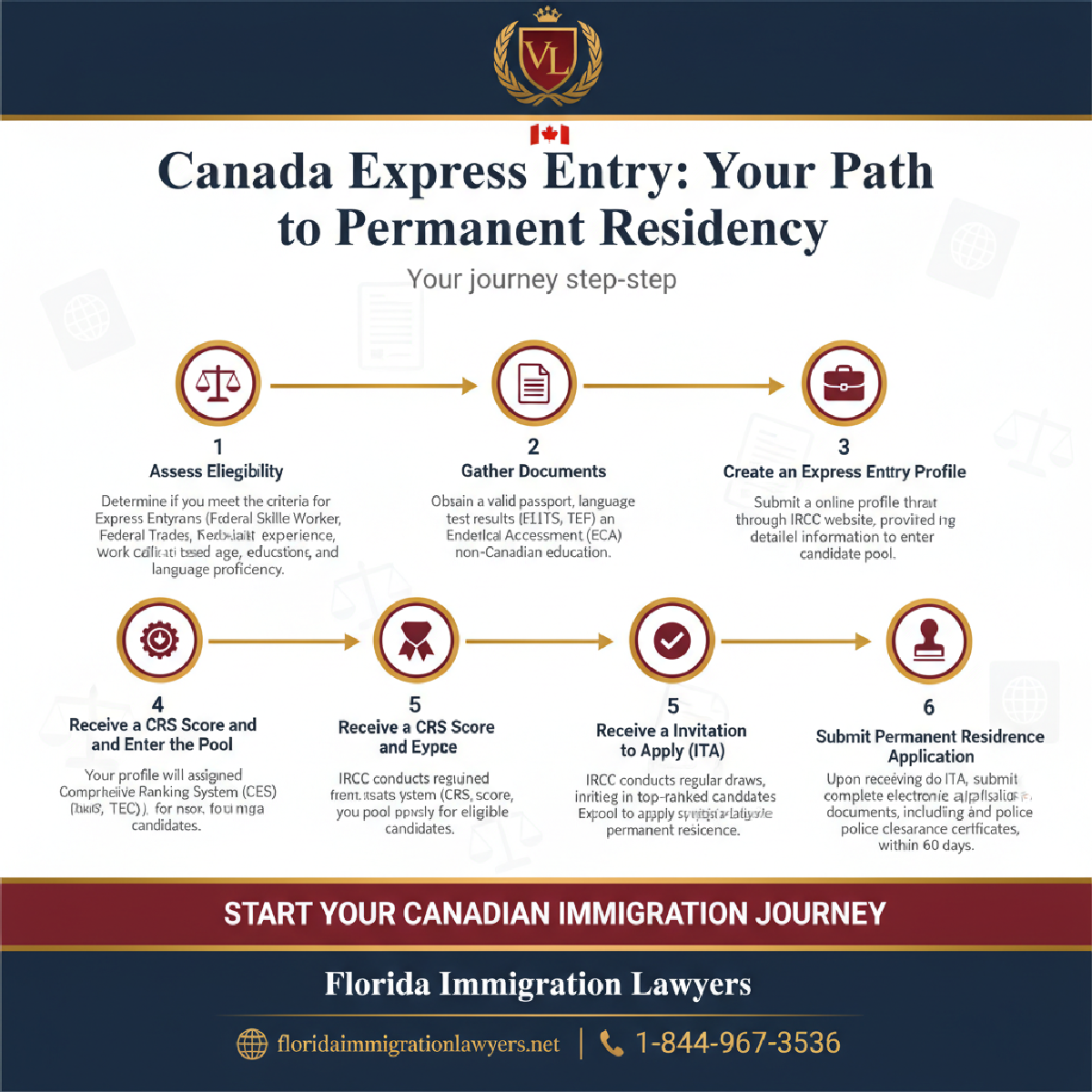
Yes, Canada continues to accept immigrants from the U.S. and around the world through various programs. Canada has a points-based system for economic immigrants, family sponsorship programs, and refugee programs. Programs like Express Entry, Provincial Nominee Programs (PNPs), and specific work permit streams are popular pathways. Eligibility depends on factors such as age, education, language proficiency, work experience, and adaptability. Many U.S. citizens and residents find Canada's immigration system appealing due to its robust economic opportunities and quality of life. It's important to research the specific program that aligns with your qualifications and goals on the official Immigration, Refugees and Citizenship Canada (IRCC) website.
Are Canadian snowbirds leaving Florida?
While some reports indicate a slight decrease in Canadian visitors to Florida due to various factors like exchange rates, travel restrictions during specific periods, or increased cost of living, there is no widespread exodus of Canadian snowbirds Florida. Florida remains a premier destination for Canadians seeking warmer winters. Many Canadian snowbirds Florida residents have established deep roots and property ownership in the state. Instead of leaving entirely, some may adjust their length of stay or frequency of visits. It's always wise for snowbirds to stay informed about U.S. immigration policies regarding long-term stays to avoid any issues.
What is the new immigration news in Canada 2026?
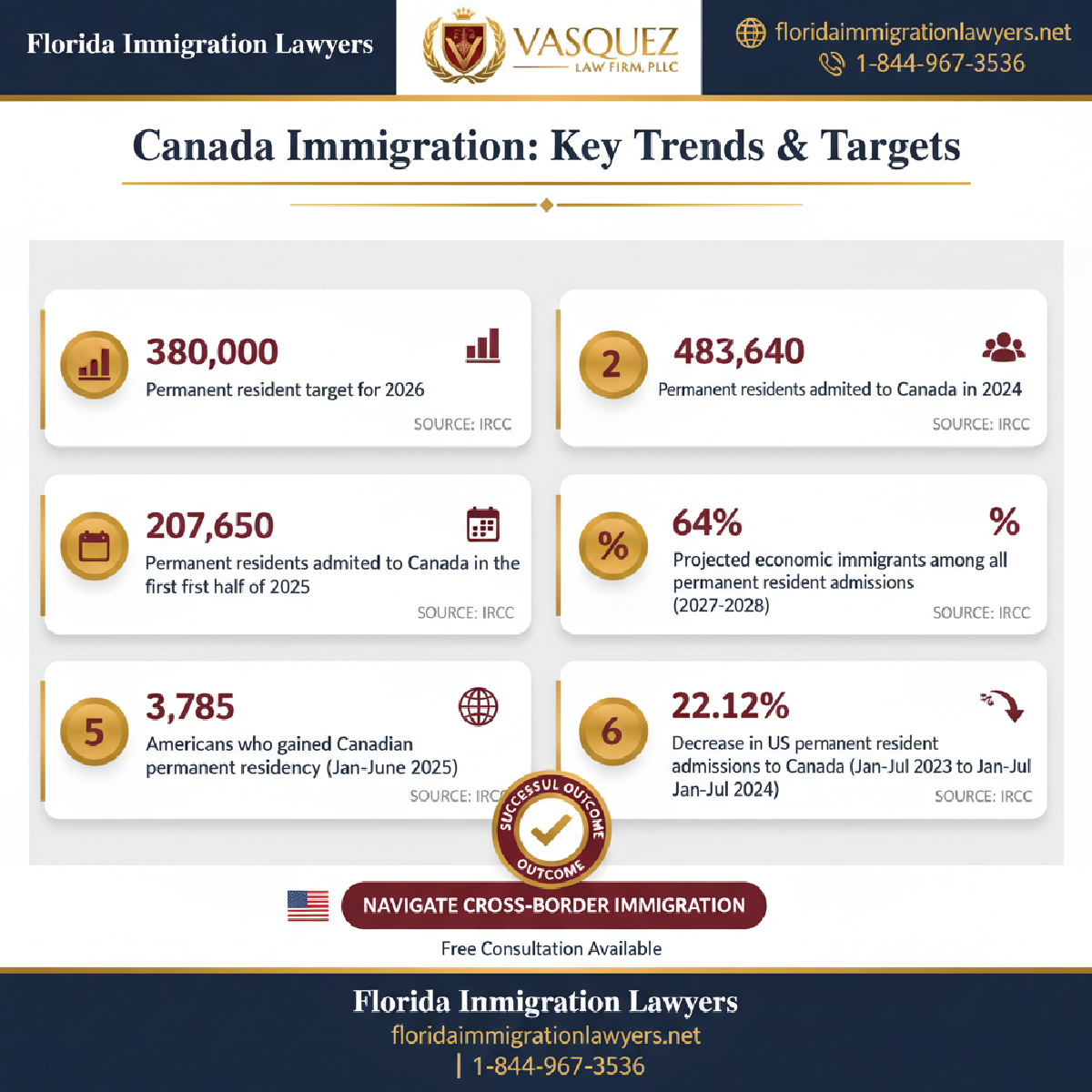
As of 2026, Canada immigration news continues to focus on attracting skilled workers, supporting family reunification, and addressing labor market needs. Key developments may include updates to the Express Entry system, potential changes to Provincial Nominee Programs (PNPs) to better align with provincial economic priorities, and adjustments to international student programs. Canada has historically maintained high immigration targets, and this trend is expected to continue to fuel economic growth and address an aging population. For the most current and specific updates, always refer to the official Immigration, Refugees and Citizenship Canada (IRCC) website or consult with an immigration professional.
What is the new law in Canada for immigration?
While there isn't one single "new law" that dramatically overhauls the entire Canadian immigration system in 2026, there are continuous legislative and policy adjustments. Canada's immigration framework, primarily governed by the Immigration and Refugee Protection Act (IRPA) and its regulations, is often updated through ministerial instructions and regulatory amendments rather than entirely new acts. These changes typically refine existing programs like Express Entry, introduce new pilot programs for specific sectors or regions, or adjust eligibility criteria for various streams. Staying updated through official government channels is essential, as these incremental changes can significantly impact applicants.
How long can a Canadian citizen stay in Florida without a visa?
Canadian citizens can generally stay in Florida and other parts of the U.S. for up to six months as visitors for tourism or business purposes without needing a visa. This entry is typically granted under a B-2 (visitor for pleasure) or B-1 (visitor for business) status. However, the exact duration of your authorized stay is determined by the U.S. Customs and Border Protection (CBP) officer at the port of entry. They will stamp your passport with an admission date and a "D/S" (Duration of Status) or a specific departure date. It is crucial to adhere to this date to avoid overstaying, which can lead to serious immigration consequences.
Can Canadians buy property in Florida?
Yes, Canadian citizens are generally permitted to buy property in Florida. There are no specific U.S. federal laws or Florida state laws that prohibit foreign nationals from purchasing real estate. Many Canadian snowbirds Florida residents own homes or condominiums in the state. However, purchasing property does not grant you any special immigration status or extend your permitted period of stay in the U.S. You must still comply with U.S. immigration laws regarding your entry and duration of stay, typically as a visitor. It's advisable to consult with a real estate attorney and tax advisor familiar with international transactions.
What are the tax implications for Canadians living in Florida?
Canadians living in Florida, especially for extended periods, can face complex tax implications from both the U.S. and Canadian tax authorities. If you spend a significant amount of time in the U.S., you may be considered a U.S. resident for tax purposes under the substantial presence test, even if you are not an immigration resident. This can trigger U.S. tax obligations on your worldwide income. Conversely, Canada also taxes its residents on worldwide income. The Canada-U.S. Tax Treaty helps prevent double taxation, but understanding its provisions and filing requirements is crucial. Consulting with a cross-border tax specialist is highly recommended for Canadian snowbirds Florida residents.
What if I want to work in Florida as a Canadian?
If you are a Canadian citizen and wish to work in Florida, you generally need to obtain a specific U.S. work visa. Entering as a visitor (B-1/B-2 status) does not permit employment. Common work visa options include E-2 visas for treaty investors, L-1 visas for intracompany transferees, H-1B visas for specialty occupations, or TN visas under NAFTA for certain professionals. Each visa has strict eligibility criteria and application processes. Working without authorization can lead to severe penalties, including deportation and future bars from entry. It is essential to consult with an experienced Florida immigration lawyer to determine the best work visa pathway for your qualifications.
About Florida Immigration Lawyers
At Florida Immigration Lawyers, we are dedicated to providing unparalleled legal representation to individuals and families navigating the complexities of U.S. immigration law across all of Florida. Our team of experienced attorneys understands the challenges you face and is committed to offering compassionate, effective, and results-driven advocacy. We pride ourselves on clear communication and personalized strategies for every client.
Whether you are seeking a visa, facing deportation defense, pursuing citizenship, or need assistance with family-based immigration, we are here to help. We offer a comprehensive range of immigration services.
Choose Florida Immigration Lawyers for:
- Experienced and Dedicated Attorneys: Our team brings extensive knowledge of immigration law.
- Client-Centered Approach: Your goals are our priority, and we tailor solutions to your unique needs.
- Bilingual Services: We offer full services in both English and Spanish to serve Florida's diverse community.
- Free Consultations: Start your journey with expert advice at no initial cost.
- Available 24/7: We are here when you need us most.
Visit our website at https://www.floridaimmigrationlawyers.net or call us anytime at 1-844-967-3536. Let us be your trusted legal partners in Florida.
Don't let uncertainty about Canada immigration news or U.S. immigration policies jeopardize your future in Florida. Take the proactive step to protect your rights and achieve your goals. For a free, confidential consultation with an experienced Florida immigration lawyer, call Florida Immigration Lawyers today at 1-844-967-3536. We are ready to assist you.
Florida Immigration Lawyers
Legal Team
Our experienced attorneys at Florida Immigration Lawyers have been serving clients across Florida for over 20 years. We specialize in immigration, personal injury, criminal defense, workers compensation, and family law.