Abrego Garcia Deportation in Florida: Legal Insights & Help
The Kilmar Abrego Garcia deportation case underscores the critical need for expert legal representation in U.S. immigration proceedings. For individuals in Florida facing similar challenges, understanding the complex legal framework and due process rights is essential. This comprehensive blog post from Florida Immigration Lawyers provides vital insights into deportation cases, including the step-by-step process, necessary documentation, timelines, and cost factors. We emphasize common mistakes to avoid and highlight when to seek professional legal counsel. With a focus on St. Petersburg and broader Florida contexts, our firm is dedicated to defending your rights and guiding you through every stage of your immigration journey. Contact us for a free consultation to protect your future.
The Kilmar Abrego Garcia deportation case highlights the complexities of U.S. immigration law, particularly regarding due process and removal proceedings. For individuals facing similar situations in Florida, understanding your rights and the legal pathways available is crucial. Seeking timely legal counsel can significantly impact the outcome of your case. Florida Immigration Lawyers offers comprehensive support.
- Deportation cases are highly complex and require expert legal guidance.
- Due process rights are critical in all removal proceedings.
- Mistakes can lead to severe consequences, including forced removal.
- Legal representation can help challenge deportation orders and explore relief options.
- Florida Immigration Lawyers provides dedicated defense for individuals facing deportation.
Facing deportation can be one of the most frightening experiences for anyone living in the United States, especially when questions of due process or mistaken identity arise. Cases like the highly publicized Kilmar Abrego Garcia deportation underscore the profound challenges and legal intricacies involved in removal proceedings. For individuals and families in Florida, understanding your rights and the legal landscape is paramount.
The complexities of immigration law, coupled with the emotional toll of potential removal, demand expert guidance. This comprehensive guide will explore the general aspects of deportation cases in Florida, drawing parallels to the types of legal challenges seen in significant cases. We will cover the procedural steps, necessary documentation, expected timelines, and associated costs.
Our goal is to provide clarity and empower you with the knowledge needed to navigate these challenging times. At Florida Immigration Lawyers, we are committed to defending your rights and offering robust legal strategies. Do not face this journey alone. Call Florida Immigration Lawyers at 1-844-967-3536 for a free consultation and let our experienced team provide the support you need.
Understanding Abrego Garcia Deportation Cases in Florida
The case of Kilmar Abrego Garcia brought significant attention to the potential pitfalls within the U.S. immigration system, particularly concerning due process and the finality of deportation orders. While every case is unique, the general issues highlighted often involve allegations of illegal entry, criminal activity, or violations of immigration status. These situations demand a thorough and strategic legal defense.
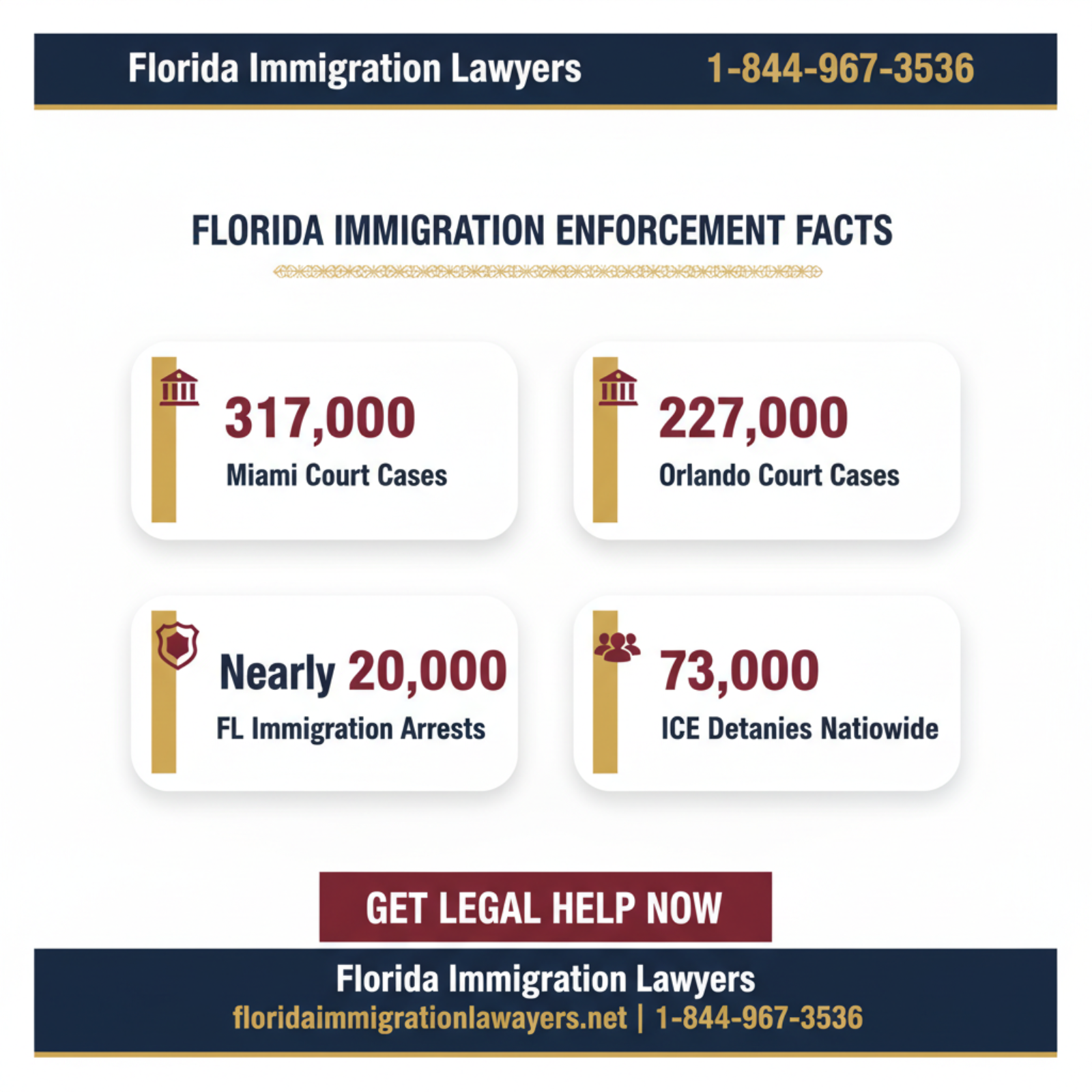
In Florida, individuals facing an abrego garcia deportation type of challenge are subject to federal immigration laws, but the local context matters significantly. Florida hosts several immigration courts, including those in Miami and Orlando, along with various detention facilities. The specific court and jurisdiction can influence procedural aspects and timelines.
Understanding the grounds for deportability is the first critical step. The Immigration and Nationality Act (INA) outlines various reasons an individual may be deemed deportable. These can range from overstaying a visa to committing certain criminal offenses. Our firm specializes in dissecting these charges and building strong defenses for our clients across Florida.
The legal landscape is constantly evolving, making it essential to have up-to-date information and skilled representation. Whether you are in St. Petersburg, Tampa, or anywhere else in Florida, the stakes in a deportation case are incredibly high. Our dedicated attorneys are here to ensure your rights are protected throughout the entire process.
The Deportation Process: A Step-by-Step Guide in Florida
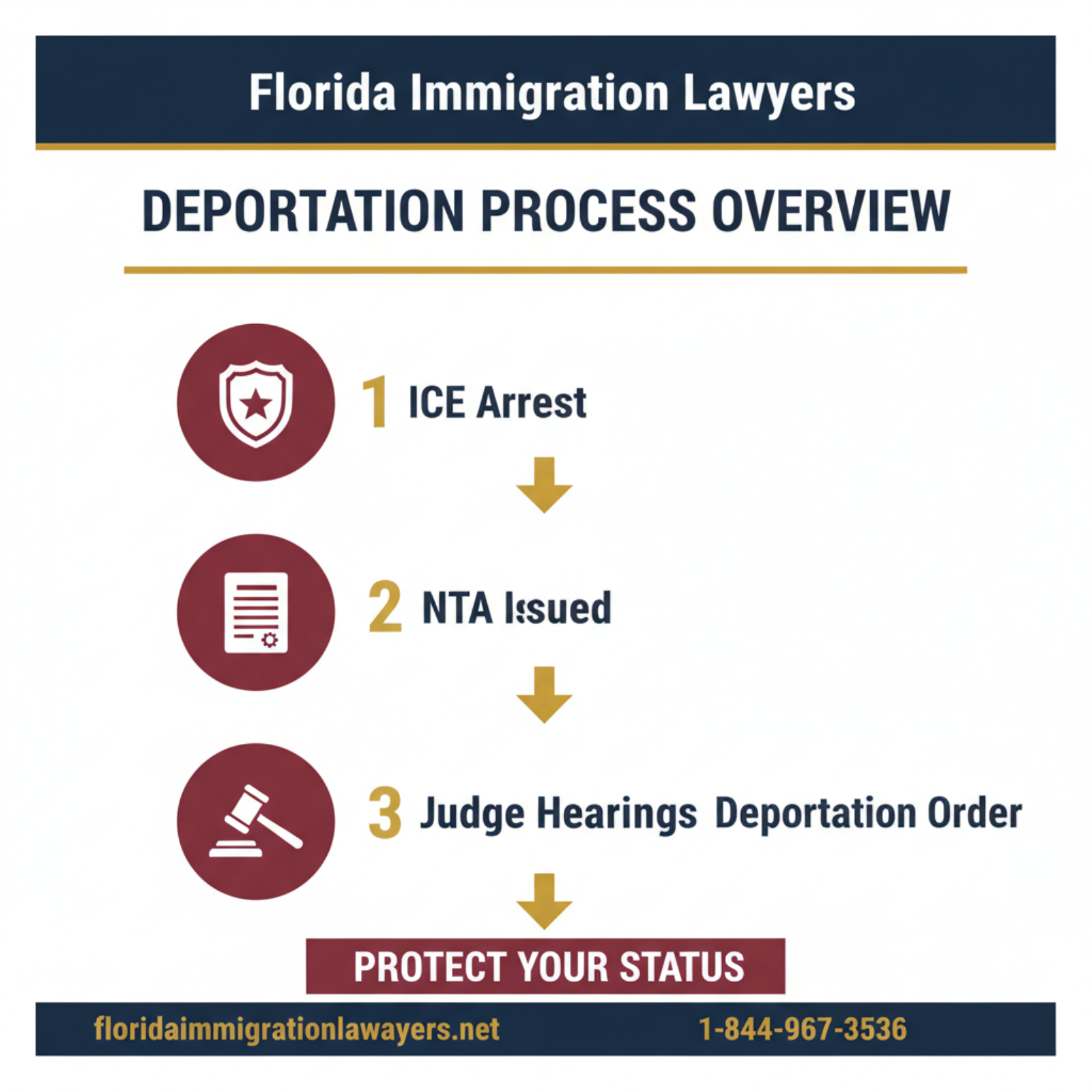
Deportation, formally known as removal, is a multi-stage legal process initiated by the Department of Homeland Security (DHS). Navigating this process requires careful attention to detail and adherence to strict deadlines. Here is a general outline of the steps typically involved:
-
Issuance of a Notice to Appear (NTA): The process begins when Immigration and Customs Enforcement (ICE) issues an NTA. This document charges an individual with being removable from the U.S. and instructs them to appear before an immigration judge. Receiving an NTA is a clear signal that you need immediate legal assistance from a deportation defense lawyer.
The NTA will specify the alleged grounds of deportability, such as visa overstay or criminal convictions. It is crucial to review this document carefully with your attorney to understand the accusations against you.
-
Master Calendar Hearing: This is the initial hearing before an immigration judge. During this hearing, the judge will confirm your identity, ensure you received the NTA, and explain the charges. You will be asked to admit or deny the allegations and state whether you wish to seek relief from removal.
Your attorney, especially a skilled St. Petersburg immigration lawyer, will enter an appearance on your behalf, advise you on the charges, and help you plead to the allegations. They can also request additional time to gather evidence or explore potential relief options.
-
Individual Hearing (Merits Hearing): If you deny the charges or seek relief from removal, the judge will schedule an Individual Hearing. This is similar to a trial, where both sides present evidence, call witnesses, and make legal arguments. This hearing is critical for presenting your defense.
Your attorney will present your case, cross-examine government witnesses, and argue for any forms of relief you may be eligible for, such as asylum, cancellation of removal, or adjustment of status. Strong preparation is key to a successful outcome at this stage.
-
Immigration Judge's Decision: After the Individual Hearing, the immigration judge will issue a decision. This decision may order your removal, grant your request for relief, or terminate the proceedings. The judge's order will explain the basis for their decision.
If the judge orders your removal, your attorney can advise you on the possibility of an immigration appeal. It is essential to understand the implications of the judge's ruling and your options moving forward.
-
Appeals Process: If either party disagrees with the immigration judge's decision, they can file an appeal with the Board of Immigration Appeals (BIA). The BIA is the highest administrative body for interpreting and applying immigration laws. Further appeals can be made to federal circuit courts.
The appeals process is highly technical and requires specialized legal knowledge. Our attorneys are experienced in handling complex appeals, ensuring that all procedural requirements are met and strong legal arguments are presented.
Essential Documents for Deportation Defense
Preparing for a deportation case involves meticulously gathering and organizing a wide array of documents. The specific documents needed will vary based on the grounds for removal and the type of relief you are seeking. However, a general checklist includes the following:
- Identity and Nationality Documents: Your birth certificate, passport, national identity card from your home country, and any U.S. government-issued IDs (e.g., driver's license, state ID).
- Proof of Entry and Residence: I-94 arrival/departure records, visa stamps, previous green cards, or any other documentation showing your legal entry and periods of residence in the U.S.
- Evidence of Family Ties: Marriage certificates, birth certificates of U.S. citizen or lawful permanent resident children, spouses, or parents. This is crucial for family-based relief options.
- Employment and Financial Records: Pay stubs, tax returns, employment letters, bank statements, and proof of property ownership. These demonstrate your economic contributions and ties to the community.
- Medical and Mental Health Records: Relevant medical reports, diagnoses, and treatment plans, especially if you or a family member has a severe medical condition that would be exacerbated by deportation.
- Educational Records: Diplomas, transcripts, and school enrollment records for yourself and your children, showing integration into the U.S. educational system.
- Community Involvement: Letters from community leaders, religious organizations, volunteer groups, or employers attesting to your good moral character and contributions.
- Criminal Records (if applicable): Certified court dispositions for any arrests or convictions, even if they were minor or expunged. Full disclosure is critical for your Florida immigration law attorney.
- Previous Immigration Filings: Copies of any prior applications, petitions, or correspondence with USCIS, ICE, or the immigration court.
- Affidavits: Sworn statements from family members, friends, or employers detailing the hardship they would face if you were deported.
Organizing these documents can be overwhelming, but it is a vital step in building a strong defense. Your deportation defense Florida attorney will guide you through this process, ensuring all necessary evidence is compiled and presented effectively.
Timelines and Expectations for Deportation Cases
The duration of a deportation case in Florida can vary significantly, ranging from a few months to several years. This variability depends on numerous factors, including the complexity of your case, the volume of cases in the immigration court, the availability of judges, and whether appeals are filed.
Typically, a Master Calendar Hearing might be scheduled a few weeks or months after the NTA is issued. However, Individual Hearings often take much longer to schedule due to court backlogs. It is not uncommon for these hearings to be set a year or more in the future. Appeals to the BIA can also add several months or even years to the overall timeline.
Factors that can influence your case timeline include:
- Court Caseload: Immigration courts, particularly in busy areas like Miami and Orlando, often have extensive backlogs.
- Case Complexity: Cases involving multiple forms of relief, complex legal arguments, or extensive evidence may take longer.
- Judge's Schedule: Individual judges have different calendars and caseloads, affecting scheduling.
- Availability of Witnesses: If your case relies on witnesses, their availability can impact scheduling.
- Appeals: Filing an appeal with the BIA or federal courts will extend the process considerably.
It is crucial to understand that patience is often required in these proceedings. Your Florida immigration lawyer will keep you informed about the expected timeline for each stage of your case and advise you on how to best prepare for potential delays. Maintaining consistent communication with your legal team is essential throughout this extended process.
Cost Factors and Fee Breakdown in Florida Deportation Proceedings
The financial aspect of a deportation case is an important consideration for many families. Legal fees and other associated costs can vary widely depending on the complexity of the case, the experience of the attorney, and the duration of the proceedings. It is vital to have a clear understanding of these costs from the outset.
Typically, legal fees for deportation defense Florida can be structured in several ways:
- Hourly Fees: Some attorneys charge an hourly rate for their services. This is common in complex cases where the exact amount of work cannot be precisely estimated in advance.
- Flat Fees: Many immigration attorneys offer flat fees for specific stages of a deportation case, such as representation at a Master Calendar Hearing, an Individual Hearing, or an immigration appeal. This provides predictability regarding legal costs.
- Retainer Agreements: An initial retainer fee is often required, which is then drawn against as legal work is performed.
Beyond legal fees, you may encounter other expenses:
- Government Filing Fees: USCIS and EOIR (Executive Office for Immigration Review) charge fees for certain applications for relief, such as an application for cancellation of removal or adjustment of status. These fees are subject to change and should be verified on the official USCIS or EOIR websites.
- Translation and Interpretation Costs: If documents need to be translated into English or if an interpreter is needed for court proceedings, these services will incur additional costs.
- Expert Witness Fees: In some cases, expert testimony (e.g., from psychologists, country conditions experts) may be beneficial, which involves additional fees.
- Travel Expenses: If your attorney needs to travel to different courts or detention centers, these expenses may be passed on to you.
During your free consultation with Florida Immigration Lawyers, we will discuss our fee structure transparently. We understand the financial pressures our clients face and strive to provide high-quality legal services at fair and manageable costs. Our team will help you understand all potential expenses involved in your abrego garcia deportation defense.
Do not navigate this process alone. Contact Florida Immigration Lawyers today to get the dedicated legal support you deserve. Our experienced team is ready to assist you.
Common Mistakes to Avoid in Deportation Cases
Navigating a deportation case is fraught with potential missteps that can severely jeopardize your ability to remain in the U.S. Avoiding these common mistakes is as crucial as building a strong defense. Here are key errors to watch out for:
-
Missing Court Dates: Failing to appear for any scheduled immigration court hearing, including Master Calendar and Individual Hearings, almost always results in an in absentia removal order. This order can be extremely difficult to reverse.
Consequence: An automatic deportation order issued against you, making it very hard to reopen your case.
-
Not Understanding the Charges: Many individuals do not fully comprehend the specific grounds of deportability listed in their Notice to Appear (NTA). This lack of understanding can lead to incorrect admissions or missed opportunities for defense.
Consequence: You may inadvertently agree to charges that could have been challenged, weakening your case.
-
Lying to Immigration Officials: Providing false information or misrepresentations to any immigration officer or judge can lead to severe penalties, including a permanent bar from future immigration benefits and even criminal charges.
Consequence: Loss of credibility, potential criminal prosecution, and a permanent bar from the U.S.
-
Failing to Disclose Criminal History: Attempting to conceal past arrests, charges, or convictions, even if they were minor or occurred long ago, can be detrimental. Immigration authorities often have access to criminal records.
Consequence: Allegations of misrepresentation, which can lead to further grounds of deportability and denial of relief.
-
Not Seeking Legal Counsel: Attempting to represent yourself in immigration court is a significant risk. Immigration law is incredibly complex, and pro se litigants are often at a severe disadvantage against government attorneys.
Consequence: Missed legal arguments, procedural errors, and a significantly higher chance of a removal order.
-
Not Preserving Evidence: Failing to collect and maintain all relevant documents and evidence to support your case can weaken your defense. This includes personal documents, financial records, and evidence of ties to the U.S.
Consequence: Inability to prove eligibility for relief, leading to a weaker case.
-
Overstaying a Visa Without Action: While an overstay itself can lead to removal proceedings, failing to address it or seek legal pathways to adjust status can escalate the situation, leading to accrual of unlawful presence and potential bars to reentry.
Consequence: Accrual of unlawful presence, which can trigger 3-year or 10-year bars to re-entry.
-
Not Pursuing All Possible Relief: There may be multiple forms of relief from removal available to you, such as asylum, cancellation of removal, or adjustment of status. Not exploring all options with an attorney can lead to a missed opportunity.
Consequence: Overlooking viable pathways to stay in the U.S.
-
Ignoring Requests for Information: Failing to respond promptly and accurately to requests for evidence or information from USCIS or the immigration court can lead to adverse decisions or delays.
Consequence: Denial of applications or petitions, and potential removal orders.
-
Traveling Internationally Without Proper Clearance: If you are in removal proceedings or have a pending application for relief, traveling outside the U.S. without specific permission (e.g., advance parole) can be considered self-deportation or lead to inadmissibility upon return.
Consequence: Inability to re-enter the U.S. and termination of pending applications.
When to Call a Florida Immigration Lawyer
The complexities of immigration law, particularly in deportation defense, necessitate the expertise of a seasoned attorney. Knowing when to seek legal help can be the deciding factor in your case. You should contact a Florida immigration lawyer immediately if any of the following scenarios apply to you:
- You Receive a Notice to Appear (NTA): This is the official document initiating removal proceedings. It is critical to consult an attorney as soon as you receive it to understand the charges and prepare your defense.
- You Are Detained by ICE: If you or a loved one is arrested and detained by Immigration and Customs Enforcement, securing legal representation is paramount. An attorney can help seek bond, challenge detention, and initiate defense strategies from the outset.
- You Have a Criminal Record: Even minor offenses can have severe immigration consequences, potentially leading to deportability. An attorney can assess your criminal history and advise on its impact on your immigration status.
- You Overstayed Your Visa: If your visa has expired, or you are otherwise out of status, you may be vulnerable to removal proceedings. An attorney can explore options to adjust your status or provide defense in court.
- You Believe You Are Eligible for Asylum or Other Relief: If you fear persecution in your home country or believe you qualify for cancellation of removal, adjustment of status, or other waivers, an attorney can help you prepare and present a compelling case.
- You Have a Previous Deportation Order: If you were previously ordered deported, even in absentia, an attorney can assess options for reopening your case or challenging the prior order.
- You are Seeking an Immigration Appeal: Appealing a decision from an immigration judge or the BIA is a highly specialized area of law. Our firm has extensive experience in handling complex immigration appeals.
Warning signs that you need legal help include any communication from USCIS or ICE that seems unusual or threatening, any arrest by law enforcement, or changes in your immigration status. Do not wait for a crisis to worsen. Florida Immigration Lawyers offers comprehensive services for deportation defense, asylum, and citizenship matters. Our team in St. Petersburg and across Florida is ready to provide the dedicated support you need.
Frequently Asked Questions (FAQs) About Deportation in Florida
Can a deportation order be appealed?
Yes, in most cases, a deportation (removal) order issued by an immigration judge can be appealed. The first step is typically to file an appeal with the Board of Immigration Appeals (BIA). If the BIA upholds the removal order, further appeals may be possible in a U.S. federal circuit court of appeals. The grounds for appeal are generally limited to legal errors made by the immigration judge or the BIA, or if new evidence becomes available. It is crucial to act quickly, as strict deadlines apply for filing appeals.
What is a Notice to Appear (NTA)?
A Notice to Appear (NTA) is a formal document issued by the Department of Homeland Security (DHS) that initiates removal proceedings against an individual in immigration court. The NTA specifies the alleged violations of immigration law that make an individual deportable and directs them to appear before an immigration judge at a specific date and time. Receiving an NTA means you are officially in deportation proceedings, and seeking legal counsel immediately is vital.
How long does a deportation case take in Florida?
The duration of a deportation case in Florida varies significantly based on factors such as the complexity of the case, the specific immigration court, the judge's schedule, and whether appeals are filed. Simple cases might conclude in a few months, but more complex cases involving multiple forms of relief or appeals can take several years. Backlogs in Florida's immigration courts, such as those in Miami and Orlando, can also contribute to extended timelines. Your attorney can provide a more tailored estimate based on your specific circumstances.
What are common defenses against deportation?
There are several potential defenses and forms of relief from deportation, depending on an individual's specific situation. Common defenses include asylum or withholding of removal (for those fearing persecution), cancellation of removal (for certain long-term residents with U.S. citizen or LPR family members who would suffer extreme hardship), adjustment of status (if eligible for a green card), waivers of inadmissibility, and challenging the charges in the NTA. The best defense strategy requires a thorough evaluation by an experienced **deportation defense Florida** attorney.
Can I be deported if I have a green card?
Yes, even lawful permanent residents (green card holders) can be deported from the U.S. if they commit certain criminal offenses or violate immigration laws. Common grounds for deportability for LPRs include conviction for an aggravated felony, certain crimes involving moral turpitude, drug offenses, or committing marriage fraud. The specific nature of the crime and its consequences under immigration law are complex, making legal representation essential for LPRs facing removal proceedings.
About Florida Immigration Lawyers
Florida Immigration Lawyers is a leading immigration law firm dedicated to serving individuals and families across the entire state of Florida. With offices and a strong presence throughout the region, including St. Petersburg, we provide compassionate and effective legal representation for a wide range of immigration matters. Our mission is to protect your rights and help you achieve your immigration goals.
Our experienced team of attorneys specializes in complex deportation defense, family immigration, business immigration, asylum, and citizenship applications. We understand the unique challenges faced by immigrants in Florida and are committed to offering personalized strategies tailored to your specific needs. Our firm is known for its diligent advocacy, in-depth knowledge of **Florida immigration law**, and unwavering commitment to our clients.
Why choose Florida Immigration Lawyers? We offer free consultations to discuss your case and provide clear guidance. Our team is available 24/7, ensuring you have access to legal support when you need it most. We pride ourselves on transparent communication, ethical practice, and a track record of successfully helping clients navigate the intricacies of the U.S. immigration system. Let us be your trusted partner in your immigration journey.
Contact Florida Immigration Lawyers today:
- Phone: 1-844-967-3536
- Website: https://www.floridaimmigrationlawyers.net
- Availability: 24/7 for your convenience
- Consultations: Free and confidential
- Service Area: All of Florida
Sources and References
- U.S. Citizenship and Immigration Services (USCIS)
- Executive Office for Immigration Review (EOIR)
- U.S. Department of State - Bureau of Consular Affairs
- 8 U.S.C. Chapter 12 - Immigration and Nationality Act (INA)
- INA § 237 (8 U.S.C. § 1227) - Deportable Aliens
- 8 CFR § 240 - Proceedings to Determine Deportability of Aliens
This article provides general legal information and is not intended as legal advice. Every case is unique, and outcomes depend on specific facts and circumstances. Contact an attorney for advice about your particular situation.
Navigating the complexities of immigration law, especially when facing a potential abrego garcia deportation scenario, requires unwavering dedication and expert legal knowledge. Do not leave your future to chance. Our team at Florida Immigration Lawyers is here to provide the compassionate and effective representation you deserve. We offer free, confidential consultations to discuss your options and develop a strong defense strategy.
Call Florida Immigration Lawyers today at 1-844-967-3536 for your free consultation. Se Habla Español - Estamos aquí para ayudarle.
Florida Immigration Lawyers
Legal Team
Our experienced attorneys at Florida Immigration Lawyers have been serving clients across Florida for over 20 years. We specialize in immigration, personal injury, criminal defense, workers compensation, and family law.