Exclusive Citizenship Act of 2025: Comprehensive Guide to Florida's Immigration Future
Explore the Exclusive Citizenship Act of 2025 and its profound impact on Florida immigration. Understand new eligibility, dual citizenship changes, and legal pathways. Contact ${FIRM_NAME} for expert guidance.
Exclusive Citizenship Act of 2025: Comprehensive Guide to Florida's Immigration Future
The landscape of immigration in Florida is on the cusp of a significant transformation with the anticipated implementation of the Exclusive Citizenship Act of 2025 (ECA 2025). This landmark legislation, poised to redefine who can become a U.S. citizen and under what terms, carries profound implications for hundreds of thousands of residents, businesses, and communities across the Sunshine State. From altering pathways to naturalization to potentially reshaping the concept of dual nationality, the ECA 2025 demands careful attention and a thorough understanding. Its provisions are expected to introduce new criteria, modify existing processes, and present a fresh set of challenges and opportunities for immigrants and legal professionals alike. Navigating these complex changes will require accurate information and expert legal guidance to ensure compliance and protect individual rights.
If you have immediate questions about how the Exclusive Citizenship Act of 2025 might affect your immigration status or future plans, do not hesitate to contact ${FIRM_NAME} at ${FIRM_PHONE} for a confidential consultation. Our experienced team is here to provide clarity and strategic advice during this pivotal time.
Understanding the Core Provisions of the ECA 2025
The Exclusive Citizenship Act of 2025 is designed to streamline and, in some respects, restrict the path to U.S. citizenship, particularly emphasizing a singular allegiance to the United States. At its heart, the Act seeks to reinforce the value of American citizenship by introducing more stringent requirements and a clearer definition of what it means to be an American citizen. Key provisions include revised residency periods, enhanced language and civics test requirements, and a significant focus on the renunciation of prior allegiances. The stated goal is to ensure that new citizens are fully integrated into American society and committed solely to its principles. However, the practical application of these provisions could create substantial hurdles for many aspiring citizens, particularly those from diverse cultural backgrounds or with strong ties to their countries of origin.
Eligibility Criteria and Application Process
Under the ECA 2025, the eligibility criteria for naturalization are expected to undergo substantial revisions. While specific details are still emerging, early drafts suggest a potential increase in the continuous residency requirement, a more rigorous evaluation of moral character, and possibly new categories of disqualification. The application process itself may also see significant overhauls, including new forms, additional biometric screenings, and extended interview procedures. Applicants will likely need to provide more extensive documentation proving their commitment to the U.S. and their severance of ties to other nations. Staying informed about these precise requirements will be crucial for anyone planning to apply for citizenship. For general information on immigration services and forms, you can always refer to the official website of U.S. Citizenship and Immigration Services (USCIS).
The Concept of "Exclusive Citizenship" Defined
One of the most impactful aspects of the ECA 2025 is its emphasis on "exclusive citizenship." This concept implies a legal framework that discourages or even prohibits dual nationality for new citizens. While the U.S. has historically tolerated dual citizenship, the ECA 2025 aims to shift this paradigm, potentially requiring individuals to formally renounce any other citizenship they hold as a prerequisite for naturalization. This would represent a significant departure from current policy and could have far-reaching consequences for individuals who have maintained strong cultural, familial, or economic ties to their birth countries. The Act seeks to ensure that a U.S. citizen's primary loyalty and legal obligations are unequivocally to the United States, thereby eliminating potential conflicts of interest or divided allegiances. Understanding the nuances of this definition will be paramount for those considering naturalization.
Impact on Current Florida Residents and Immigrants
Florida, a state with one of the nation's largest immigrant populations, will undoubtedly feel the profound effects of the Exclusive Citizenship Act of 2025. The new legislation is not merely an abstract policy change; it will directly influence the lives and futures of countless individuals and families who call Florida home. From long-term green card holders planning for naturalization to recent arrivals on various visa categories, the ECA 2025 introduces a layer of uncertainty and complexity. The Act's provisions could alter timelines for achieving permanent residency, impose new conditions on existing visa statuses, and even affect the ability of certain individuals to remain in the country. Understanding these potential shifts is critical for all immigrants in Florida, as proactive legal planning will be essential to navigate the evolving landscape successfully.
Implications for Green Card Holders and Visa Holders
For current Green Card holders (Lawful Permanent Residents) in Florida, the ECA 2025 could introduce new challenges on their path to citizenship. While their permanent residency status itself may not be immediately revoked, the requirements for naturalization are expected to become more stringent. This could mean longer waiting periods, additional background checks, or new criteria related to foreign ties. Similarly, individuals holding various non-immigrant visas (such as H-1B, L-1, F-1, etc.) might find their future prospects for transitioning to permanent residency or citizenship impacted. The Act could introduce new barriers or extend processing times, making it harder to secure long-term status in the U.S. It is crucial for all visa and Green Card holders to review their specific situations with an immigration attorney to understand how these changes might apply to them. Our firm offers comprehensive legal services for all aspects of immigration law.
Effects on Asylum Seekers and Refugees
The Exclusive Citizenship Act of 2025 may also have significant ramifications for asylum seekers and refugees in Florida. While the Act primarily targets naturalization, its broader implications for immigration policy could indirectly affect those seeking or holding protected status. Changes in the definition of "exclusive citizenship" or stricter vetting processes could impact their ability to eventually adjust status or apply for citizenship. Furthermore, any general tightening of immigration laws can create a more challenging environment for individuals fleeing persecution and seeking safety in the U.S. It is vital for asylum seekers and refugees to stay informed about these potential changes and to seek legal counsel to protect their rights and navigate their unique circumstances. Our firm has dedicated expertise in asylum law and is prepared to assist you.
Facing potential changes to your immigration status, whether as a Green Card holder, visa holder, or asylum seeker? Our experienced attorneys at ${FIRM_NAME} are ready to assist you in understanding the ECA 2025 and its potential impact. Call us at ${FIRM_PHONE} to schedule your consultation.
Dual Citizenship: A Paradigm Shift for Floridians
The concept of dual citizenship, long a common reality for many immigrants in the United States, faces a profound challenge under the Exclusive Citizenship Act of 2025. This legislation is poised to usher in a paradigm shift, potentially requiring new citizens to formally and unequivocally renounce all other allegiances. For Floridians who have maintained strong ties to their countries of origin, whether through family, property, or cultural heritage, this could present an agonizing choice. The Act aims to ensure that a U.S. citizen's loyalty is singular, a departure from the current policy where the U.S. generally tolerates dual nationality without explicitly endorsing it. This change could impact everything from international travel and property rights to political engagement in one's country of birth, forcing individuals to sever ties that have been central to their identity and life. Understanding the full implications of this shift is critical for anyone considering naturalization or currently holding dual nationality. For official information regarding dual nationality, you can consult the U.S. Department of State website.
Economic and Social Ramifications for Florida
Beyond individual immigration statuses, the Exclusive Citizenship Act of 2025 is expected to trigger significant economic and social ramifications across Florida. As a state heavily reliant on immigrant labor and diverse communities, any major shift in immigration policy will ripple through various sectors. Businesses, particularly those in agriculture, hospitality, and construction, could face workforce shortages or increased operational costs. Social services, educational institutions, and healthcare providers may also need to adapt to changes in population demographics and eligibility for assistance. The Act's emphasis on "exclusive citizenship" could also influence community integration, potentially leading to a more homogenous, yet less globally connected, populace. These broader impacts underscore the far-reaching nature of the ECA 2025, affecting not just immigrants but the entire fabric of Florida society.
Labor Market Adjustments and Workforce Dynamics
Florida's economy thrives on a diverse workforce, with immigrants playing a crucial role in many key industries. The ECA 2025, by potentially reducing the number of eligible workers or altering their legal status, could lead to significant labor market adjustments. Industries that heavily rely on foreign-born labor, such as agriculture, tourism, and certain skilled trades, might experience shortages, increased wages, or a push towards automation. Businesses may face challenges in recruiting and retaining talent, impacting productivity and economic growth. Furthermore, the Act could influence the flow of international students and highly skilled professionals, affecting Florida's innovation and competitive edge. Adapting to these shifts will require strategic planning from both employers and policymakers.
Community Integration and Social Services
The social fabric of Florida's diverse communities could also be significantly impacted by the ECA 2025. Changes in citizenship requirements and the emphasis on exclusive allegiance might affect how immigrants integrate into their new homes. There could be increased demand for language and civics education, as well as support services to help individuals navigate the new legal landscape. Furthermore, the Act's provisions could influence access to social services, healthcare, and educational opportunities for certain populations, potentially straining existing resources. Promoting successful integration while adhering to the new legal framework will be a delicate balance for local governments and community organizations, requiring thoughtful approaches to maintain social cohesion and support vulnerable populations.
Navigating the New Landscape: Legal Pathways and Challenges
The Exclusive Citizenship Act of 2025 introduces a complex and often daunting new legal landscape for immigrants in Florida. Navigating these changes will require more than just understanding the new rules; it will demand strategic legal planning, proactive measures, and robust representation. The Act's stringent requirements, particularly concerning "exclusive citizenship" and enhanced vetting, are likely to increase the complexity of naturalization applications, potentially leading to higher rates of denials or requests for additional evidence. Individuals may face challenges in demonstrating their sole allegiance to the U.S., especially if they have maintained significant ties abroad. Moreover, the Act could inadvertently create new grounds for inadmissibility or even deportation defense for those who unknowingly violate its provisions or fail to meet its strict criteria. The potential for misinterpretation or misapplication of the law by immigration authorities also presents a significant challenge, underscoring the critical need for expert legal counsel. An experienced immigration attorney can help individuals understand their specific rights and obligations, identify potential pitfalls, and develop a tailored strategy to pursue their immigration goals. This includes assisting with document preparation, representation during interviews, and advocating on behalf of clients in administrative proceedings or appeals. The legal pathways under the ECA 2025 will be intricate, and attempting to navigate them without professional guidance could lead to irreversible consequences. Therefore, seeking timely and knowledgeable legal advice is not just recommended, but essential for anyone whose life will be touched by this transformative legislation.
Don't navigate these complex changes alone. The dedicated legal team at ${FIRM_NAME} can provide clarity, strategic representation, and peace of mind. Reach us at ${FIRM_PHONE} to discuss your options.
Preparing for the ECA 2025: Steps You Can Take Now
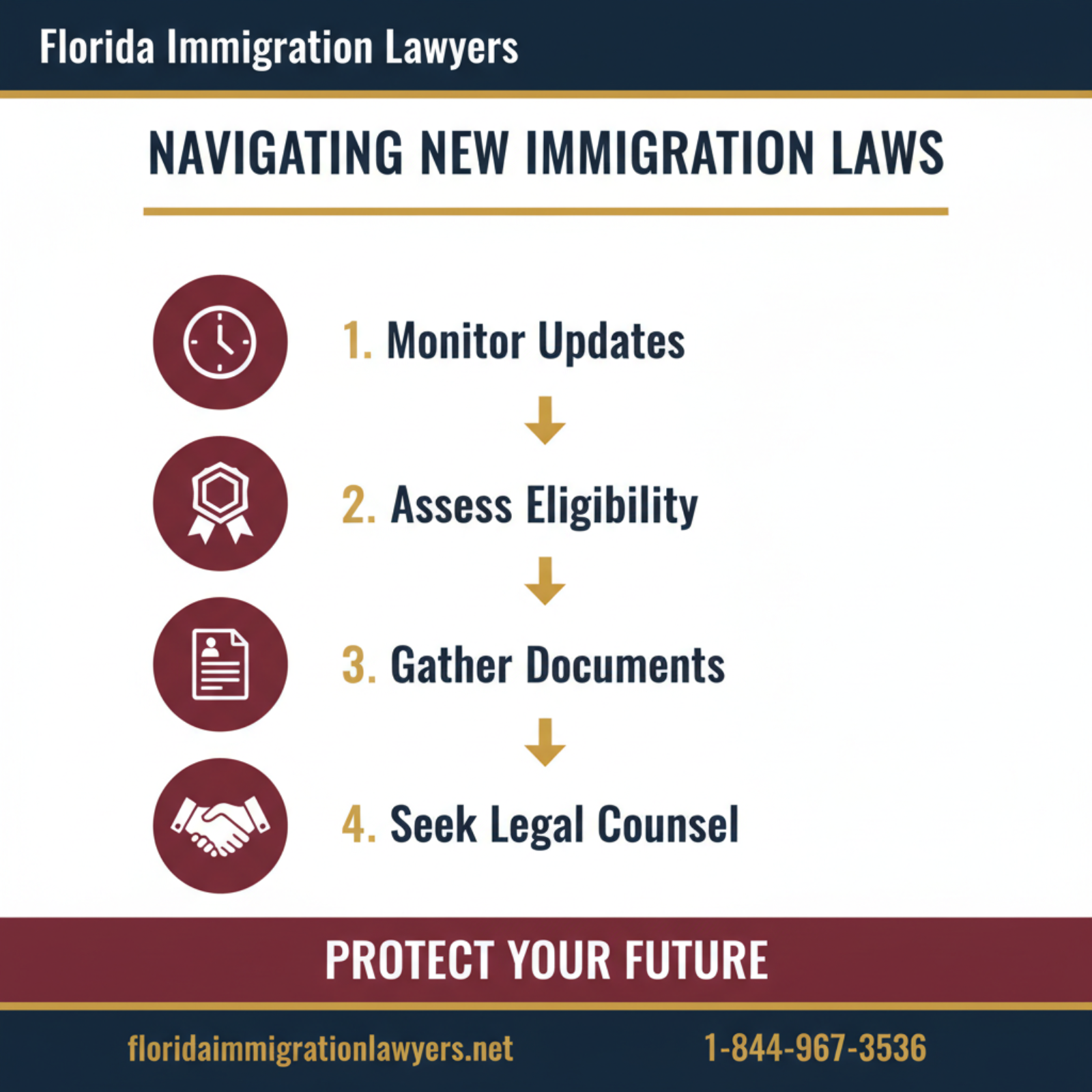
Given the significant changes anticipated with the Exclusive Citizenship Act of 2025, proactive preparation is key for anyone who might be affected. The time to start planning is now, even before the Act fully takes effect. Begin by thoroughly reviewing your current immigration status, including the expiration dates of your Green Card or visa, and gather all pertinent documentation such as birth certificates, marriage certificates, previous immigration applications, and financial records. It is also advisable to ensure that your tax filings are up-to-date and accurate, as financial compliance is often a critical component of immigration evaluations. Consider strengthening your ties to the U.S. by actively participating in community activities, volunteering, or engaging in civic education. Most importantly, seek legal counsel early. An immigration attorney can help you assess your current standing, identify potential challenges under the new Act, and develop a personalized strategy to best position yourself for success. Staying informed through reliable sources, such as government websites and reputable legal firms, will also be crucial. For general information on the U.S. legal system and government resources, you can visit the Department of Justice website.
For personalized advice and to develop a proactive strategy tailored to your unique situation, schedule a consultation with ${FIRM_NAME} today. Contact us at ${FIRM_PHONE} to secure your future.
The Exclusive Citizenship Act of 2025 represents a pivotal moment in U.S. immigration policy, particularly for Florida. Its far-reaching implications necessitate a proactive and informed approach. Whether you are a Green Card holder, a visa applicant, or an asylum seeker, understanding the nuances of this legislation and its potential impact on your life is paramount. By seeking timely legal guidance from experienced professionals, you can navigate these complex changes with confidence, protect your rights, and secure your future in the United States. Our team at ${FIRM_NAME} is committed to providing the expert support you need during this transformative period.
Frequently Asked Questions (FAQs) About the Exclusive Citizenship Act of 2025
- Q1: What is the primary purpose of the Exclusive Citizenship Act of 2025?
- The Exclusive Citizenship Act of 2025 (ECA 2025) aims to redefine and strengthen the concept of U.S. citizenship by introducing more stringent eligibility requirements and emphasizing a singular allegiance to the United States. Its primary purpose is to ensure that new citizens are fully integrated into American society and committed solely to its principles, potentially by requiring the formal renunciation of other nationalities. This legislation seeks to streamline the naturalization process while also making it more rigorous, reflecting a shift in national immigration policy towards a more exclusive interpretation of citizenship.
- Q2: How will the ECA 2025 affect individuals with existing Green Cards?
- For individuals holding existing Green Cards (Lawful Permanent Residents) in Florida, the ECA 2025 will primarily impact their path to naturalization. While their permanent residency status is generally secure, the requirements for becoming a U.S. citizen are expected to become more stringent. This could include longer continuous residency periods, more rigorous background checks, enhanced language and civics testing, and new conditions related to maintaining ties with their country of origin. It is crucial for Green Card holders to review their eligibility and consider applying for citizenship sooner rather than later, if possible, before the new rules fully take effect.
- Q3: Will the Act impact my ability to hold dual citizenship?
- Yes, one of the most significant changes introduced by the ECA 2025 is its strong emphasis on "exclusive citizenship," which is expected to significantly impact the ability of new citizens to hold dual nationality. While the U.S. has historically tolerated dual citizenship, the Act aims to move towards a policy that may require individuals to formally renounce any other citizenship they hold as a prerequisite for naturalization. This would represent a major shift, potentially forcing individuals to choose between their U.S. citizenship and their ties to another country. Existing dual citizens who are not seeking naturalization may still face new considerations regarding their status.
- Q4: What are the new eligibility requirements for citizenship under the ECA 2025?
- The new eligibility requirements under the ECA 2025 are anticipated to be more rigorous than current standards. While specific details are still being finalized, they are expected to include potentially increased continuous residency periods, a more in-depth assessment of moral character, and possibly new categories of disqualification. Furthermore, the Act will likely introduce enhanced language and civics test requirements, ensuring a deeper understanding of American values and governance. A key component will also be the demonstration of exclusive allegiance to the United States, which may involve formal renunciation of other citizenships. Applicants will need to be prepared for a more comprehensive and demanding application process.
- Q5: How will the Act affect businesses and the workforce in Florida?
- The ECA 2025 is expected to have notable economic impacts on Florida, particularly concerning its businesses and workforce. Industries heavily reliant on immigrant labor, such as agriculture, hospitality, and construction, may face potential labor shortages or increased operational costs due to changes in immigration flows and eligibility. The Act could also influence the availability of skilled professionals and international students, potentially affecting Florida's innovation capacity and global competitiveness. Businesses will need to adapt to these shifts, possibly by investing in automation, adjusting recruitment strategies, or advocating for specific exemptions or support programs to mitigate adverse effects on the state's economy.
- Q6: What should asylum seekers and refugees in Florida know about the ECA 2025?
- Asylum seekers and refugees in Florida should be aware that while the ECA 2025 primarily targets naturalization, its broader implications for immigration policy could indirectly affect their pathways to permanent residency and eventual citizenship. Any general tightening of immigration laws or increased scrutiny of foreign ties could create a more challenging environment. While their protected status under international and U.S. law remains crucial, future adjustments of status or naturalization applications may face new hurdles. It is imperative for asylum seekers and refugees to consult with an immigration attorney to understand how these evolving policies might specifically impact their unique legal situation and to ensure their rights are protected throughout the process.
- Q7: When is the Exclusive Citizenship Act of 2025 expected to take effect?
- The Exclusive Citizenship Act is slated for implementation in 2025, though the exact effective date within that year may vary depending on legislative finalization and necessary administrative preparations by government agencies. Typically, new federal legislation includes a grace period or phased implementation to allow agencies like USCIS to develop new forms, update procedures, and train staff. It is crucial for individuals who anticipate being affected by the Act to monitor official government announcements and consult with legal professionals for the most up-to-date information regarding its effective date and any transitional provisions. Early preparation based on anticipated changes is highly recommended.
- Q8: Where can I find reliable legal assistance regarding the ECA 2025?
- For reliable legal assistance concerning the Exclusive Citizenship Act of 2025, it is highly recommended to seek counsel from an experienced and reputable immigration law firm. Look for attorneys who specialize in U.S. immigration law, have a deep understanding of federal legislation, and stay current with policy changes. Firms like ${FIRM_NAME} offer expert guidance, helping clients understand the new requirements, prepare necessary documentation, and navigate the complex application process. Do not rely on unofficial sources or unverified information. For personalized, strategic advice and representation, contact ${FIRM_NAME} at ${FIRM_PHONE} to schedule a comprehensive consultation.
Vasquez Law Firm
Equipo Legal
Por más de 15 años, Vasquez Law Firm ha estado sirviendo a clientes en Florida. Nos especializamos en inmigración, lesiones personales, defensa criminal, compensación laboral y derecho familiar.