UK Immigration Reform Denmark Model: What Florida Residents Need to Know
The UK's exploration of the "Denmark model" for immigration reform signals a global trend towards stricter asylum policies. While this directly impacts UK policy, it highlights the increasing complexity of international immigration. For Florida residents, understanding the robust yet intricate U.S. immigration system is paramount. This article explores the Danish model's principles, the UK's motivations, and provides a comprehensive guide to navigating U.S. immigration law in Florida, including essential documentation, processing timelines, and cost factors. Learn to avoid common mistakes and discover when expert legal counsel from Florida Immigration Lawyers is indispensable for a successful immigration journey.
The UK is exploring a "Denmark model" for immigration reform, focusing on stricter asylum policies and external processing. This approach seeks to limit arrivals and streamline removals. While this directly impacts UK policy, it highlights a global trend towards stricter immigration controls. For Florida residents, understanding U.S. immigration law remains paramount, as these international discussions underscore the complexities and frequent changes in immigration landscapes worldwide.
- The Denmark model emphasizes strict control over asylum applications.
- The UK aims to reduce illegal immigration and streamline removals.
- Global immigration reforms can influence broader policy discussions.
- Navigating U.S. immigration law requires expert legal guidance.
- Florida Immigration Lawyers provides essential support for your case.
Imagine a world where immigration policies are constantly shifting, with countries looking to new models for inspiration. The United Kingdom is currently exploring a "Denmark model" for its immigration reform, a move that could reshape how asylum claims are processed and managed. While this directly concerns the UK, it reflects broader global trends in immigration policy, prompting many in Florida to consider what such shifts might mean for their own immigration journeys.
This article will delve into the specifics of the Denmark model, its proposed application in the UK, and how these international discussions underscore the importance of robust U.S. immigration legal guidance, particularly for our diverse communities across Florida, from Orlando to Miami. Understanding these global shifts can help you appreciate the foundational stability and specific pathways available within the U.S. immigration system.
If you are navigating the complexities of immigration law in Florida, do not hesitate to call Florida Immigration Lawyers at 1-844-967-3536 for a free consultation. We are here to help you understand your options and protect your rights.
Understanding the UK Immigration Reform Denmark Model
The concept of the "Denmark model" for immigration reform has gained significant attention on the international stage, particularly as the UK seeks to overhaul its own immigration system. This model is often cited for its stringent approach to asylum and immigration, aiming to reduce the number of new arrivals and deter illegal crossings.
What is the Danish Immigration Model?
The Danish immigration model is characterized by a strong emphasis on control, integration requirements, and a policy of discouraging asylum seekers from entering Denmark. Its core principles include strict border controls, limited family reunification rights, and the aim to process asylum applications outside of Denmark, potentially in third countries. The goal is to signal that Denmark is not an attractive destination for asylum seekers.
Historically, Denmark has implemented various measures to achieve these goals, including temporary protection status, stringent requirements for permanent residency, and a focus on returning individuals whose asylum claims are rejected. This approach reflects a broader political consensus in Denmark, which has seen both left and right-wing governments adopt increasingly restrictive immigration policies over the past two decades. While Denmark has traditionally been seen as a progressive nation, its immigration stance has often been described as pragmatic and conservative in this specific area.
Why is the UK Considering This Approach?
The UK government is looking to the Danish immigration model as it grapples with a significant increase in illegal crossings, particularly across the English Channel. The primary motivations for considering such a drastic reform include a desire to regain control over borders, deter illegal immigration, and streamline the asylum process. Political pressure to reduce net migration and fulfill post-Brexit promises also plays a crucial role in this policy discussion.
By adopting elements of the Danish model, the UK hopes to create a more robust and deterrent-focused immigration policy. This includes proposals for offshore processing of asylum claims and stricter rules for those who arrive without authorization. Such reforms would represent a significant shift in UK immigration policy, impacting thousands of individuals seeking safety and a new life.
Potential Global Implications of Strict Immigration Policies
The discussions surrounding the UK immigration reform Denmark model are not isolated. They are part of a larger global conversation about migration, national sovereignty, and humanitarian responsibilities. If successful, such stringent models could influence other nations, including the United States, to consider similar approaches to border management and asylum processing.
While the U.S. immigration system operates under a different legal framework, the principles of control and deterrence are always present in policy debates. Global trends toward stricter immigration policies underscore the critical importance of understanding and adhering to existing U.S. immigration law. For Florida residents, this highlights the need for diligent preparation and expert legal counsel when navigating any immigration pathway.
Navigating the U.S. Immigration System in Florida: A General Guide
While the UK debates its immigration future with the Denmark model, individuals in Florida must navigate the established U.S. immigration system. This system, governed by federal law, offers various pathways for those seeking to live, work, or find refuge in the United States. Understanding these pathways is the first crucial step in your immigration journey.
The U.S. immigration system is complex, with different categories for family-based immigration, employment-based immigration, asylum, and naturalization. Each path has specific eligibility requirements and a detailed application process. Below is a general step-by-step guide to help you understand what to expect when pursuing an immigration benefit in Florida.
-
Determine Your Eligibility and Immigration Path: Your journey begins by identifying the correct immigration category for your situation. This could be a family-sponsored visa (such as for a spouse, child, or parent), an employment-based visa, or an asylum claim if you fear persecution in your home country. Eligibility criteria are defined under the Immigration and Nationality Act (INA), specifically 8 U.S.C. § 1151 et seq. for immigrant visas. An immigration attorney can help you assess your eligibility for various U.S. immigration system benefits.
-
Gather Required Documentation: Once your immigration path is determined, you must meticulously collect all necessary supporting documents. This often includes birth certificates, marriage certificates, passports, financial records, and police clearances. Specific applications, such as for asylum (Form I-589) or a marriage-based green card (Form I-130), will require additional, tailored evidence.
-
File Your Petition or Application with USCIS: Most immigration processes begin with filing a petition or application with U.S. Citizenship and Immigration Services (USCIS). For example, a U.S. citizen sponsoring a relative will file Form I-130, Petition for Alien Relative. An employer sponsoring a foreign worker will file Form I-140, Immigrant Petition for Alien Worker. Ensure all forms are accurately completed and signed.
-
Attend Biometrics Appointment: After filing, USCIS will typically schedule an appointment for you to provide biometrics (fingerprints, photograph, and signature). This data is used for background checks and identity verification. You will receive a notice with the date, time, and location of your appointment, often at an Application Support Center (ASC) in Florida.
-
Prepare for Interviews: Many immigration applications, particularly for green cards or citizenship, require an interview with a USCIS officer. For those applying from outside the U.S., a consular interview at a U.S. embassy or consulate abroad is necessary. Thorough preparation for these interviews is critical to ensure you can confidently answer questions about your application and eligibility.
-
Receive a Decision: Following the interview and completion of all background checks, USCIS will issue a decision on your case. This could be an approval, a Request for Evidence (RFE) if more information is needed, or a denial. An approval means you are granted the immigration benefit you sought, such as a green card or U.S. citizenship.
-
Address Potential Challenges: If your application faces delays, receives an RFE, or is denied, it is crucial to understand your options. In some cases, denials can lead to deportation defense proceedings. Seeking immediate legal advice from Florida Immigration Lawyers can help you navigate these complex challenges effectively.
Essential Documentation for Your Florida Immigration Case
The success of any immigration application in Florida hinges significantly on the completeness and accuracy of your submitted documentation. Missing or incorrect documents can lead to delays, requests for evidence (RFEs), or even denial of your petition. It is vital to prepare a comprehensive packet of supporting materials for USCIS.
While specific requirements vary by case type, here is a general checklist of documents commonly needed for various U.S. immigration processes:
- Identity and Civil Documents: Valid passport, birth certificates for all applicants, marriage certificates (if applicable), divorce decrees (if applicable), national identity cards.
- Financial Documents: Affidavits of Support (Form I-864) from sponsors, tax returns, employment letters, bank statements, and proof of assets to demonstrate financial stability and ability to support the immigrant.
- Biographical Information: Detailed personal history, including addresses, employment history, and educational background.
- Police and Court Records: Certified copies of any arrest records, court dispositions, or police clearances, even if charges were dismissed or expunged. Full disclosure is paramount.
- Medical Examination Records: A completed medical examination report (Form I-693) from a USCIS-approved civil surgeon in Florida.
- Photographs: Passport-style photographs meeting USCIS specifications.
- Proof of Relationship (for family-based cases): Birth certificates, marriage certificates, photographs, joint bank accounts, utility bills, leases, and affidavits from friends and family testifying to the bona fide nature of the relationship. This is critical for family immigration cases.
- Employment-Related Documents (for employment-based cases): Job offer letters, educational degrees, professional licenses, employment verification letters, and detailed resumes or CVs. This applies to business immigration petitions.
- Asylum-Specific Evidence (for asylum cases): Personal statements detailing persecution, country condition reports, news articles, affidavits from witnesses, and any other evidence supporting the claim of fear for return.
- Translations: All documents not in English must be accompanied by a certified English translation.
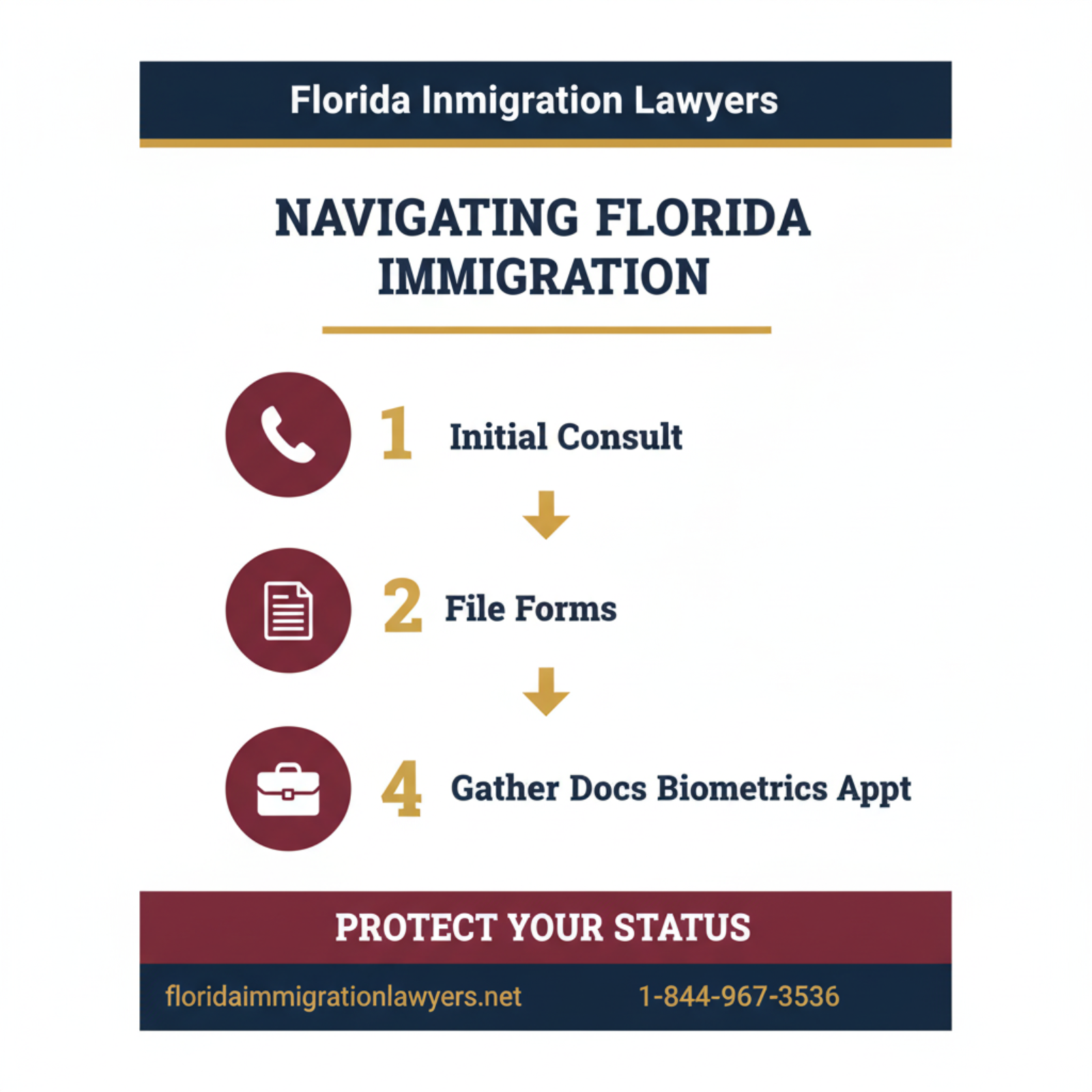
Always ensure you keep copies of everything you submit to USCIS. For unique or complex situations, a Florida immigration lawyer can provide a tailored document checklist and assist with proper preparation.
Understanding Immigration Timelines and Processing Expectations in Florida
One of the most common questions immigrants in Florida have concerns how long their case will take. Immigration processing times can vary significantly, influenced by numerous factors including the type of application, the specific USCIS service center or field office handling the case, and current caseloads. While it is challenging to give exact dates, understanding the general expectations can help manage your journey.
USCIS regularly updates its processing times online, which provides estimates based on historical data. These times are not guarantees but offer a useful benchmark. For Florida residents, cases might be processed through various USCIS field offices located in major cities like Orlando, Miami, and Tampa, or through one of the national service centers. Each office can have slightly different backlogs and processing speeds.
Factors that typically influence processing times include:
- Case Type: Some petitions, like naturalization (N-400) or adjustment of status (I-485), generally have longer processing times than others.
- Completeness of Application: Incomplete applications or those requiring a Request for Evidence (RFE) will naturally take longer.
- Interview Requirements: Cases requiring an interview at a local USCIS field office or a U.S. embassy abroad often add to the timeline.
- Background Checks: Security and background checks are mandatory and can sometimes cause unforeseen delays.
- Policy Changes: New regulations or changes in immigration policy can impact processing priorities and timelines.
For individuals facing deportation defense proceedings, cases are handled by the Executive Office for Immigration Review (EOIR) courts, which have their own dockets and processing speeds. Florida has busy immigration courts in locations such as Orlando and Miami. These court proceedings can extend over months or even years, depending on the complexity of the case and court schedules. Staying informed and having legal representation is crucial to navigating these extended timelines effectively.
Cost Factors and Fee Breakdown in U.S. Immigration
Pursuing an immigration benefit in the United States involves various costs, which can be a significant consideration for many individuals and families in Florida. These expenses typically include government filing fees, legal fees for attorney services, and other associated costs. It is important to budget for these factors when planning your immigration journey.
Government filing fees, set by USCIS, are mandatory for nearly all petitions and applications. These fees are subject to change and vary widely depending on the type of form. For example, applying for a green card or citizenship each carries distinct fees. USCIS fees are generally non-refundable, even if your application is denied. You can find the most current fee schedule on the official USCIS website, as outlined in 8 CFR § 103.7.
Beyond government fees, other common costs include:
- Legal Fees: Hiring an experienced immigration attorney, like those at Florida Immigration Lawyers, is an investment in the success and efficiency of your case. Legal fees cover the attorney's expertise, preparation of forms, strategy development, communication with USCIS, and representation in interviews or court. While an upfront cost, legal guidance can prevent costly mistakes and delays.
- Medical Examination Fees: Most adjustment of status applicants are required to undergo a medical examination by a USCIS-approved civil surgeon. The fees for these exams are paid directly to the surgeon and can vary.
- Translation Costs: If any of your supporting documents are not in English, you will need to pay for certified translations.
- Travel Expenses: Costs associated with traveling to biometrics appointments, interviews, or attorney meetings should also be considered.
- Miscellaneous Fees: This might include fees for obtaining birth certificates, marriage licenses, or other civil documents from your home country or within the U.S.
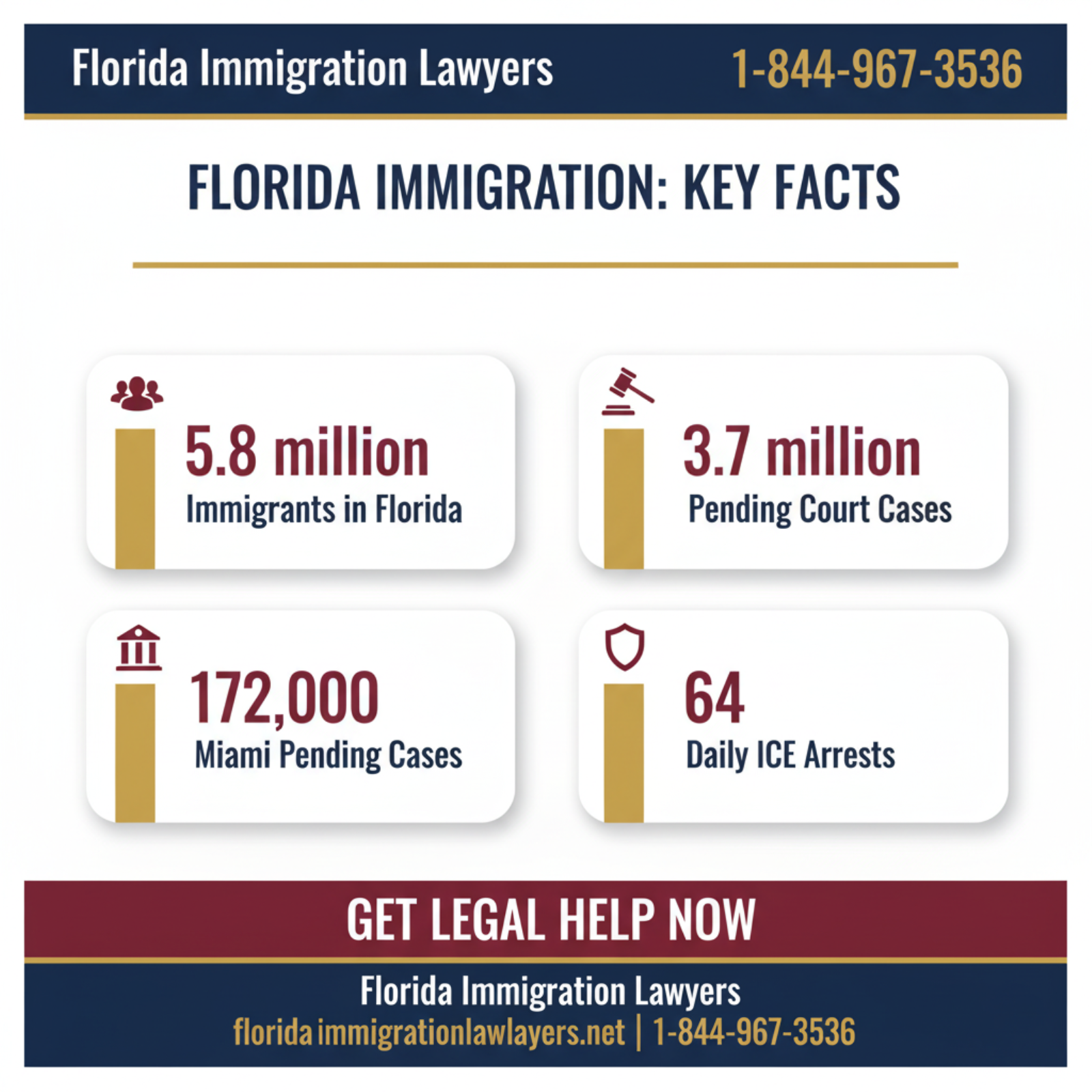
While the overall cost can seem daunting, remember that investing in proper legal guidance can streamline the process, reduce stress, and significantly improve your chances of a successful outcome. Florida Immigration Lawyers offers free consultations to help you understand the potential costs involved in your specific case.
Do not navigate this complex process alone. The nuances of U.S. immigration law, especially in a dynamic state like Florida, require experienced guidance. Contact Florida Immigration Lawyers today for dedicated support.
Common Mistakes to Avoid in Your Florida Immigration Journey
Navigating the U.S. immigration system can be fraught with potential pitfalls. Even minor errors can lead to significant delays, requests for evidence, or even the denial of your application. For individuals in Florida, understanding and avoiding these common mistakes is crucial for a successful immigration journey. Here are some key errors to watch out for:
-
Failing to Disclose Complete and Accurate Information: Any misrepresentation or omission of material facts, whether intentional or unintentional, can have severe consequences. This includes past arrests, immigration violations, or misstatements on forms. Such actions can lead to accusations of fraud or misrepresentation, potentially resulting in permanent bars from immigration benefits under INA § 212(a)(6)(C)(i).
-
Missing Deadlines: USCIS and immigration courts adhere to strict deadlines for filing applications, responding to RFEs, and attending hearings. Missing a deadline can lead to case abandonment, automatic denial, or even a removal order, especially in deportation defense cases.
-
Submitting Incomplete or Incorrect Forms: Applications that are not fully completed, lack required signatures, or contain incorrect information will often be rejected or returned. This wastes valuable time and money and can push back your processing timeline significantly.
-
Ignoring Requests for Evidence (RFEs) or Notices of Intent to Deny (NOIDs): When USCIS sends an RFE or NOID, it means they require more information or intend to deny your case. Failing to respond comprehensively and on time will almost certainly lead to a denial. These notices demand immediate and careful attention.
-
Traveling Without Proper Authorization (Advance Parole): If you have a pending adjustment of status application (Form I-485) and leave the U.S. without an approved Advance Parole document, you may be considered to have abandoned your application. This can prevent your re-entry and force you to restart your immigration process.
-
Not Understanding Visa Overstay Consequences: Overstaying a visa, even by a single day, can trigger unlawful presence bars to future re-entry into the U.S. Depending on the length of the overstay, you could face 3-year or 10-year bars from returning, as per INA § 212(a)(9)(B).
-
Failing to Maintain Legal Status: If you are in the U.S. on a nonimmigrant visa, it is critical to maintain your status by adhering to its terms and conditions. Allowing your status to lapse can lead to unlawful presence and make you ineligible for certain benefits, such as adjustment of status.
-
Providing Inconsistent Information: Discrepancies between your current application and previous immigration filings, or even information provided to other government agencies, can raise red flags. USCIS officers are trained to identify inconsistencies, which can lead to credibility issues and denials.
-
Attempting to Handle Complex Cases Alone: While some straightforward applications might be manageable, cases involving criminal history, previous immigration violations, complex waivers, or asylum claims require the nuanced understanding of an experienced attorney. Self-representation in such cases often leads to avoidable errors.
-
Not Preparing for Interviews: Appearing unprepared for a USCIS or consular interview can undermine your credibility. It is essential to review your application thoroughly, understand the questions you might be asked, and practice your responses. An attorney can help you prepare for these critical meetings.
-
Failing to Update USCIS of Address Changes: If you move, you are legally required to notify USCIS of your new address within 10 days by filing Form AR-11. Failure to do so can result in missed notices, interview appointments, or even a final decision on your case without your knowledge.
-
Falling Victim to Notario Fraud: In some communities, unauthorized individuals (often called "notarios" who are not licensed attorneys) offer immigration services. Engaging with such individuals can lead to incorrect advice, fraudulent filings, and severe legal repercussions. Always seek advice from a licensed attorney.
When to Call a Florida Immigration Lawyer
The intricacies of immigration law demand professional expertise, especially when your future in the United States is at stake. While some immigration processes may seem straightforward, even minor missteps can have profound and lasting consequences. Knowing when to seek legal counsel from Florida Immigration Lawyers can make all the difference in your case.
You should consider contacting an attorney immediately if you face any of the following scenarios:
- Threat of Deportation or Removal: If you receive a Notice to Appear (NTA) in immigration court, it is critical to seek legal representation. Our deportation defense attorneys can build a strong defense and explore all available relief.
- Complex Waivers Required: If you have past immigration violations, criminal history, or other inadmissibility issues, you may need to apply for a waiver. These are highly complex and require a skilled attorney to navigate successfully.
- Applying for Asylum: Asylum claims are incredibly sensitive and require compelling evidence and legal arguments. An attorney can help you prepare your Form I-589 and represent you in interviews or court.
- Delays or Denials: If your application is experiencing unusual delays, receives an RFE, or is denied, an attorney can investigate the issue, respond effectively, and explore options like appeals or motions to reopen.
- Business or Employment-Based Immigration: These cases often involve intricate regulations and specific documentation requirements. A business immigration lawyer can ensure compliance and efficiency.
- Family-Based Immigration with Complications: While some family immigration cases are simple, issues like prior divorces, step-relationships, or age-outs can create significant hurdles that require legal expertise.
- Seeking Citizenship: Applying for citizenship can involve complex eligibility questions, especially if you have traveled extensively or have minor criminal infractions.
- Any Uncertainty: If you are unsure about any part of the immigration process, from choosing the correct form to preparing for an interview, an attorney can provide clarity and peace of mind.
Florida Immigration Lawyers stands ready to assist you. Our team understands the unique challenges faced by immigrants in Florida, and we are committed to providing compassionate, effective legal solutions. Do not wait for a problem to escalate; contact us for proactive guidance.
About Florida Immigration Lawyers
Florida Immigration Lawyers is a leading immigration law firm dedicated to serving individuals and families across the entire state of Florida. With a deep understanding of U.S. immigration law and a commitment to our clients, we provide comprehensive legal services tailored to your unique needs.
Our experienced attorneys offer expertise in a wide range of immigration matters, including family-based visas, employment-based immigration, asylum, deportation defense, citizenship, and more. We pride ourselves on delivering personalized attention, strategic advice, and vigorous representation, ensuring that your case receives the meticulous care it deserves.
Why choose Florida Immigration Lawyers? We are available 24/7 to address your urgent concerns and offer free, confidential consultations to help you understand your options without obligation. Our bilingual team (Se Habla Español) ensures clear communication and culturally sensitive support throughout your legal journey. We are passionate advocates for immigrant rights and are dedicated to achieving the best possible outcomes for our clients.
Let us be your trusted partner in navigating the complexities of U.S. immigration law. You can reach Florida Immigration Lawyers at 1-844-967-3536 or visit our website at https://www.floridaimmigrationlawyers.net to learn more about how we can assist you.
Sources and References
- U.S. Citizenship and Immigration Services (USCIS)
- USCIS Processing Times
- U.S. Department of State (travel.state.gov)
- Executive Office for Immigration Review (EOIR)
- 8 U.S.C. Chapter 12 - Immigration and Nationality Act (INA)
- 8 CFR - Code of Federal Regulations, Title 8 (Aliens and Nationality)
- INA § 208 - Asylum (8 U.S.C. § 1158)
- INA § 212 - General Classes of Aliens Ineligible to Receive Visas and Ineligible for Admission (8 U.S.C. § 1182)
- INA § 240 - Removal Proceedings (8 U.S.C. § 1229a)
- INA § 245 - Adjustment of Status (8 U.S.C. § 1255)
- USCIS Policy Manual
This article provides general legal information and is not intended as legal advice. Every case is unique, and outcomes depend on specific facts and circumstances. Contact an attorney for advice about your particular situation. Immigration laws are subject to frequent change.
The landscape of immigration law is constantly evolving, both globally and domestically. Ensuring your immigration journey in Florida is handled correctly requires expert legal guidance. Do not leave your future to chance. Call Florida Immigration Lawyers today at 1-844-967-3536 for a free, confidential consultation. Se Habla Español - Estamos aquí para ayudarle.
Need help with Immigration?
Our Florida immigration attorneys offer free consultations. Call today or schedule online.
Frequently Asked Questions
Florida Immigration Lawyers
Legal Team
Our experienced attorneys at Florida Immigration Lawyers have been serving clients across Florida for over 20 years. We specialize in immigration, personal injury, criminal defense, workers compensation, and family law.