Naturalization Ceremony ICE Concerns Florida: Your Expert Guide
Are you concerned about ICE presence at your naturalization ceremony in Florida? Many aspiring citizens share these worries. This comprehensive guide by Florida Immigration Lawyers provides crucial information on your rights, the sensitive locations policy, and essential steps to prepare for your ceremony with confidence. Learn what documents to bring, how to handle potential encounters, and when to seek expert legal counsel. We focus on Florida-specific contexts, including Kissimmee and other major cities, to give you the most relevant advice. Understand the process, avoid common mistakes, and ensure your path to U.S. citizenship is smooth and secure. Contact us for a free consultation.
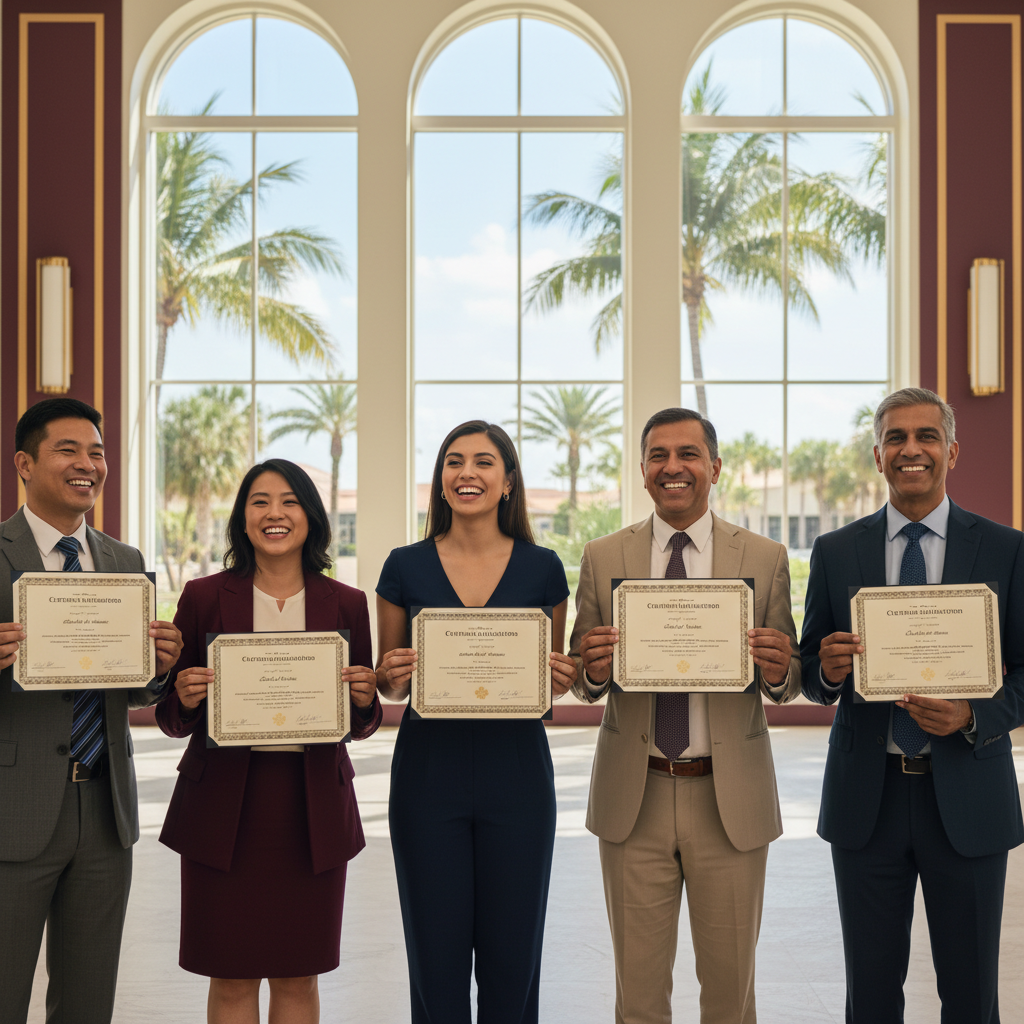
Navigating your naturalization ceremony in Florida can be an exciting, yet sometimes anxious time, especially with concerns about U.S. Immigration and Customs Enforcement (ICE). While naturalization ceremonies are generally considered sensitive locations, understanding your rights, preparing thoroughly, and seeking legal counsel are crucial steps to ensure a smooth and successful experience.
- Know Your Rights: You have constitutional rights, including the right to remain silent and to speak with an attorney.
- Sensitive Locations Policy: ICE generally avoids enforcement actions at naturalization ceremonies.
- Prepare Diligently: Gather all required documents and understand the ceremony process.
- Seek Legal Counsel: A Florida immigration lawyer can offer invaluable guidance and support.
- Stay Informed: Be aware of current policies and any potential changes.
Introduction: Celebrating Citizenship with Confidence
The journey to becoming a U.S. citizen culminates in one of life's most significant milestones: the Oath of Allegiance at a naturalization ceremony. This moment, filled with pride and hope, should be a joyous occasion. However, for many aspiring citizens in Florida, anxieties about potential encounters with U.S. Immigration and Customs Enforcement (ICE) can cast a shadow over this important day.
You may be wondering, "Are naturalization ceremonies safe from ICE?" or "What are my rights if ICE is present?" These are valid concerns, especially given the dynamic nature of immigration enforcement. Understanding the policies and your protections is key to approaching your ceremony with confidence.
This comprehensive guide from Florida Immigration Lawyers addresses your top concerns regarding naturalization ceremony ICE concerns in Florida. We will walk you through your rights, essential preparation steps, and how to navigate this crucial event successfully. For personalized guidance and peace of mind, we urge you to call Florida Immigration Lawyers at 1-844-967-3536 for a free consultation today.
Understanding Naturalization Ceremony ICE Concerns in Florida
Naturalization is the process by which a lawful permanent resident becomes a U.S. citizen. It represents the fulfillment of years of dedication and adherence to immigration laws. The naturalization ceremony is the final step, where you take the Oath of Allegiance.
Concerns about ICE presence at these ceremonies stem from past enforcement actions and a general climate of fear within immigrant communities. While the U.S. Citizenship and Immigration Services (USCIS) and ICE have policies regarding "sensitive locations," it's important to understand the nuances.
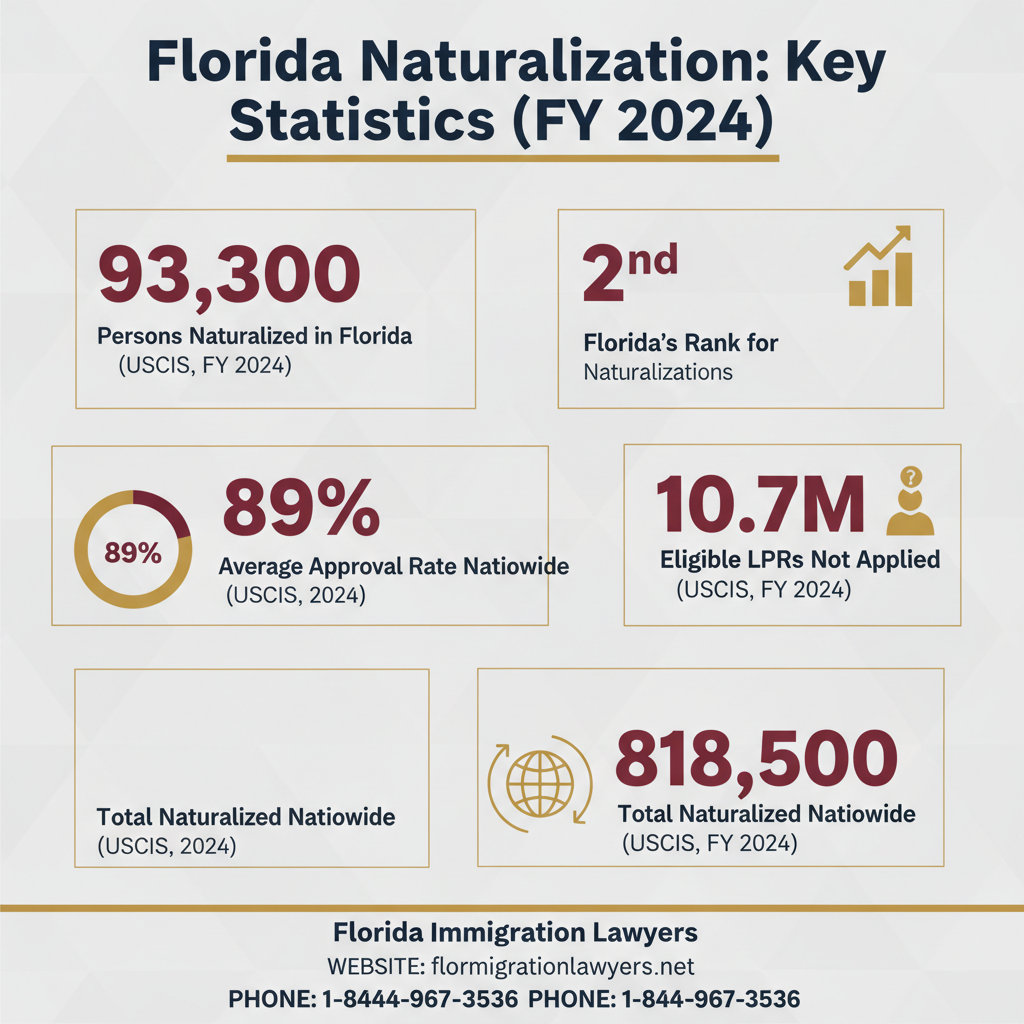
Florida, with its diverse population, including communities like Kissimmee, Orlando, and Miami, sees thousands of naturalization ceremonies each year. Our state is home to a significant number of immigrants, making these concerns particularly relevant to our residents. USCIS field offices in Florida, such as those in Miami, Orlando, and Tampa, regularly host these important events.
According to USCIS policy, naturalization ceremonies are typically considered sensitive locations. This means that ICE generally avoids enforcement actions, such as arrests, in these areas unless there are exigent circumstances or prior approval. However, "generally avoids" does not mean "never occurs," which is why preparation is so vital.
Your Rights and Protections at a Naturalization Ceremony
As an individual in the United States, you are afforded certain constitutional rights, regardless of your immigration status. These rights are particularly important to remember if you encounter immigration enforcement officials.
- Right to Remain Silent: You have the right to refuse to answer questions from law enforcement, including ICE, and you do not have to discuss your immigration status. You can simply state, "I wish to remain silent."
- Right to an Attorney: If you are questioned or detained, you have the right to speak with a lawyer. Do not sign anything without legal counsel.
- Fourth Amendment Protections: This amendment protects you from unreasonable searches and seizures. ICE officers generally need a warrant signed by a judge to enter your home without your permission.
While ICE's sensitive locations policy aims to ensure that naturalization ceremonies remain safe spaces, it is always wise to be prepared. This policy is outlined in the USCIS Policy Manual, Volume 1, Part B, Chapter 5. This chapter details when and where enforcement actions may be limited.
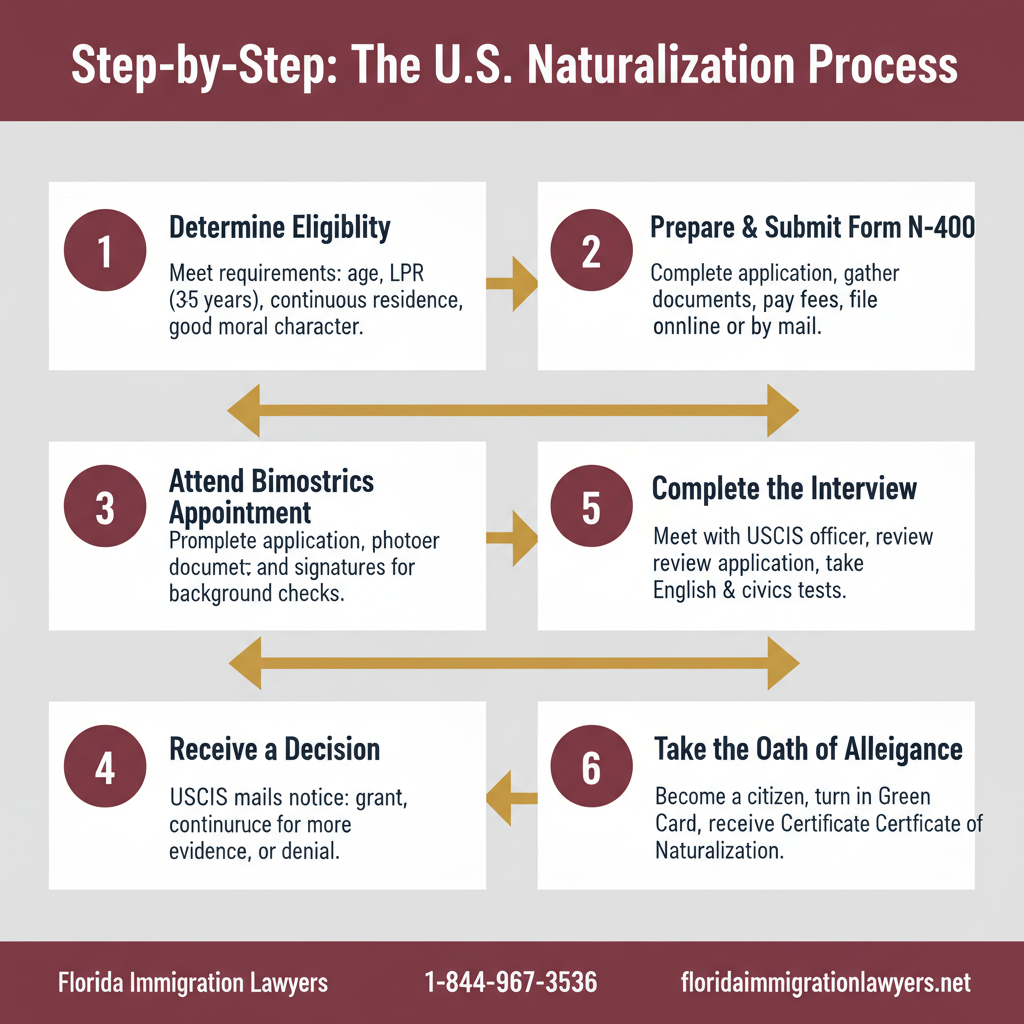
It is important to remember that ICE agents do have broad arrest powers under 8 U.S.C. § 1357(a) (also known as INA Section 287(a)). However, these powers are subject to constitutional limits and internal policy guidelines, especially in sensitive locations. Knowing these protections empowers you to assert your rights confidently.
Step-by-Step Guide to Preparing for Your Naturalization Ceremony
Thorough preparation can significantly reduce stress and help ensure a smooth naturalization ceremony experience in Florida. Follow these steps:
- Consult an Immigration Lawyer: Before your ceremony, especially if you have any past legal issues, travel history concerns, or simply want peace of mind, speak with an experienced immigration attorney. They can review your case and advise you on potential risks. Contact Florida Immigration Lawyers at Florida Immigration Lawyers for a free assessment.
- Know Your Rights: Rehearse what to say if approached by ICE. Remember you have the right to remain silent and to request an attorney. Carry a "Know Your Rights" card.
- Gather Important Documents: Ensure you have all required documents, including your Form N-445, Notice of Naturalization Oath Ceremony, your Permanent Resident Card (Green Card), and any other documents specified in your notice. We will detail this further in the next section.
- Arrange for Support: Consider bringing a trusted family member or friend for emotional support. Ensure they also understand basic "Know Your Rights" information.
- Plan Your Travel: Arrive early to the ceremony location. Factor in potential traffic, especially in busy Florida areas like Kissimmee or Orlando. Ensure you have clear directions and parking information.
- Stay Calm and Confident: While concerns are natural, focus on the positive outcome. You have worked hard to reach this point.
Essential Document Checklist for Your Naturalization Day
On the day of your naturalization ceremony, having the correct documents is paramount. Missing even one item can cause delays or issues. Use this checklist:
- ✓ Form N-445, Notice of Naturalization Oath Ceremony: This is your official invitation and instructions. Do not forget it.
- ✓ Your Permanent Resident Card (Green Card): You will surrender this card at the ceremony.
- ✓ State-Issued Identification: A valid driver's license or state ID card is typically required for identification purposes.
- ✓ Travel Documents: If you have any unexpired foreign passports or travel documents, bring them. You may need to surrender them or have them endorsed.
- ✓ Court Disposition Records: If your N-445 instructs you to bring court documents related to arrests or citations (even if dismissed), ensure you have certified copies.
- ✓ Marriage Certificates/Divorce Decrees: If your marital status has changed since your interview, bring updated documentation.
- ✓ Any Other Documents Requested: Always review your N-445 carefully for any specific items USCIS asks you to bring.
It is always better to be over-prepared than under-prepared. Organize your documents neatly in a folder for easy access.
Typical Timeline and Processing Expectations in Florida
The naturalization process, from filing Form N-400 to taking the Oath of Allegiance, varies. While USCIS aims for efficiency, several factors can influence the timeline, especially in high-volume areas like Florida.
Factors Affecting Naturalization Processing Times
- USCIS Field Office Workload: Offices in major Florida cities like Miami, Orlando, and Tampa often have higher volumes, which can impact processing.
- Completeness of Application: Any missing information or errors can lead to Requests for Evidence (RFEs) and delays.
- Background Checks: Extensive background checks are mandatory and can take varying amounts of time.
- Interview Scheduling: The availability of interview slots at your local USCIS office.
- Oath Ceremony Scheduling: Ceremonies are scheduled after your N-400 approval.
Generally, the entire process can take anywhere from 8 months to 2 years or more. You can check current processing times for your specific USCIS field office on the USCIS website. Once your N-400 is approved after your interview, you will typically receive your N-445 notice for the Oath Ceremony within a few weeks to a few months.
Cost Factors and Fee Breakdown for Naturalization
Understanding the costs associated with naturalization is an important part of your preparation. These costs typically include government filing fees and, if you choose, legal fees for attorney assistance.
Government Filing Fees
The primary government fee is for filing Form N-400, Application for Naturalization. This fee typically includes the application processing fee and a biometric services fee. USCIS fees are subject to change, so always check the most current fee schedule on the USCIS website or consult with an attorney.
Legal Fees for Attorney Assistance
While not mandatory, retaining an experienced immigration lawyer can be a valuable investment. Legal fees cover services such as:
- Reviewing your eligibility and preparing your N-400 application.
- Responding to RFEs or other USCIS inquiries.
- Preparing you for your naturalization interview.
- Addressing any complex issues, such as a criminal history or prior immigration violations.
- Providing guidance and reassurance regarding naturalization ceremony ICE concerns in Florida.
Many individuals find that the peace of mind and increased likelihood of success that comes with legal representation outweighs the cost. Florida Immigration Lawyers offers transparent fee structures and free consultations to discuss your specific needs.
Common Mistakes to Avoid During Your Naturalization Process
- Ignoring Legal Advice or Not Seeking It: Many applicants underestimate the complexity of immigration law. Failing to consult an attorney, especially with a complicated history, can lead to serious errors or even denial. An expert lawyer can spot issues you might miss.
- Failing to Disclose Complete Information: Any omissions or misrepresentations on your N-400 application, even if unintentional, can be considered fraud and lead to denial, or worse, placement into removal proceedings. Always be truthful and thorough.
- Traveling Internationally Without Legal Counsel: If you have an active N-400 application and plan to travel outside the U.S., discuss it with your lawyer first. Certain travel can impact your continuous residency requirement or raise red flags.
- Bringing Prohibited Items to the Ceremony: USCIS typically has strict rules about what you can bring into their facilities. Avoid weapons, large bags, or anything that could be misinterpreted. Check your N-445 notice for specific instructions.
- Arriving Late to Your Ceremony: Punctuality is crucial. Arriving late can cause you to miss your oath, requiring rescheduling and significant delays. Plan to arrive well in advance, especially in Florida's busy urban centers like Kissimmee.
- Misunderstanding Your Rights: Not knowing your rights if approached by ICE can lead to making statements or decisions that could harm your case. Educate yourself, or better yet, have an attorney present or on call.
- Not Preparing for the Oath of Allegiance: While the oath is straightforward, it's a solemn commitment. Understand its meaning and be ready to recite it clearly and sincerely.
When to Call a Lawyer for Naturalization Ceremony Concerns
While this guide provides general information, your specific situation may require personalized legal advice. It is always best to consult with an experienced immigration attorney, especially if any of the following apply to you:
- You have a criminal record, even if it was a minor offense or occurred many years ago.
- You have a complex travel history, including extended stays outside the U.S.
- You have previously been placed in removal (deportation) proceedings or have a history of immigration violations.
- You are concerned about potential misrepresentations or errors in your N-400 application.
- You have received any unusual notices from USCIS or are experiencing significant delays without clear explanation.
- You feel targeted or have specific concerns about naturalization ceremony ICE concerns in Florida.
- You simply want peace of mind and professional guidance throughout the entire naturalization process.
Florida Immigration Lawyers specializes in citizenship and naturalization cases, as well as deportation defense. Our team can provide the expert counsel you need to navigate these complex waters and protect your future as a U.S. citizen.
Frequently Asked Questions About Naturalization Ceremonies and ICE
Can ICE arrest me at my naturalization ceremony in Florida?
While naturalization ceremonies are generally considered "sensitive locations" where ICE typically avoids enforcement actions, there are rare exceptions. These exceptions usually involve specific exigent circumstances, such as immediate threats to public safety, or when prior approval for an enforcement action at a sensitive location has been granted. It is not common, but understanding your rights and being prepared is always advisable. Consulting with an immigration attorney can help you assess any specific risks related to your personal history.
What is a "sensitive location" for ICE, and does it apply to naturalization ceremonies?
A "sensitive location" is a place where ICE generally refrains from conducting enforcement activities. These include schools, hospitals, places of worship, and public demonstrations. Yes, naturalization ceremonies are explicitly listed as sensitive locations in USCIS and ICE policy guidelines. This policy aims to ensure that individuals can access essential services and participate in civic activities without fear of enforcement. However, this policy is subject to change and exceptions.
Should I bring my family members or friends to my naturalization ceremony?
Absolutely! Naturalization ceremonies are joyous public events, and USCIS encourages new citizens to share this moment with loved ones. Most venues have seating for guests. Bringing family and friends can provide emotional support and make the day even more special. However, ensure your guests are aware of basic security protocols for the venue and understand that they also have rights if approached by any law enforcement officials.
What if I have an old criminal record? Will it affect my naturalization ceremony?
If you have an old criminal record, it should have been thoroughly reviewed during your N-400 application process and naturalization interview. If your application was approved, it generally means USCIS determined your record did not bar you from naturalization. However, if new information has emerged or if you were instructed to bring specific court documents to the ceremony, it is crucial to comply. Any new arrests or undisclosed criminal history since your interview could be problematic. Always consult an attorney if you have a criminal record.
How long does the naturalization process typically take in Florida, from application to ceremony?
The total naturalization process can vary significantly, typically ranging from 8 months to over 2 years, depending on the USCIS field office workload, the complexity of your case, and how quickly you respond to any requests for information. After your N-400 interview and approval, you will usually receive your Oath Ceremony notice (Form N-445) within a few weeks to a few months. You can check current processing times on the USCIS website for your specific Florida office.
What documents should I absolutely not forget to bring to my naturalization ceremony?
The two most critical documents are your Form N-445, Notice of Naturalization Oath Ceremony, and your Permanent Resident Card (Green Card). You will need to surrender your Green Card. Additionally, bring a valid state-issued identification (like a driver's license) and any unexpired foreign passports. Always review your N-445 notice carefully for any other specific documents USCIS instructs you to bring, such as court dispositions or marriage certificates.
Can I refuse to answer questions if approached by ICE or other officers at the ceremony?
Yes, you have the right to remain silent under the Fifth Amendment of the U.S. Constitution. You can politely state, "I wish to remain silent and would like to speak with my attorney." You are not required to answer questions about your immigration status or country of origin. Do not make false statements, and do not sign anything without consulting a lawyer. This right applies to everyone present, including your family members.
What happens immediately after I take the Oath of Allegiance at the ceremony?
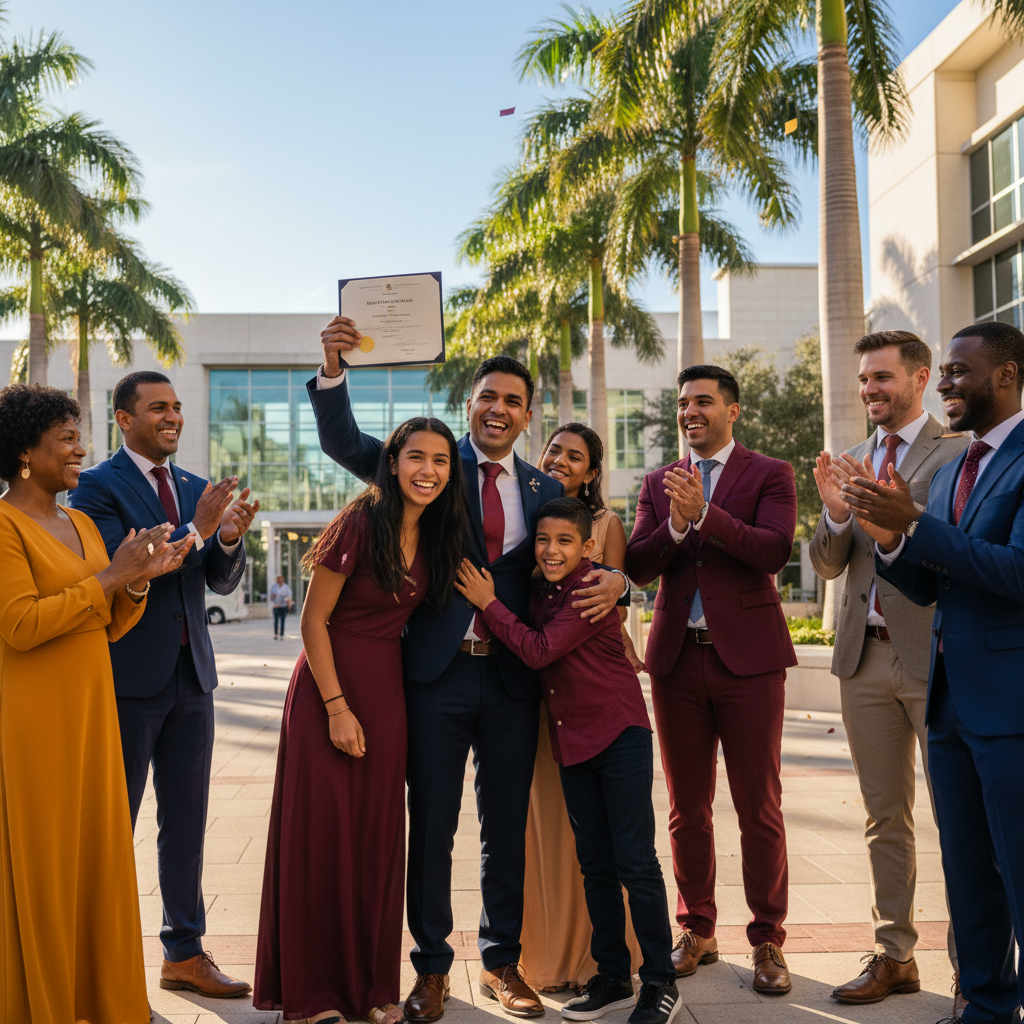
Immediately after taking the Oath of Allegiance, you become a U.S. citizen! You will receive your Certificate of Naturalization, which is proof of your U.S. citizenship. You should review it carefully for any errors before leaving the ceremony. You can then use this certificate to apply for a U.S. passport and register to vote. It's a truly momentous occasion, marking the successful completion of your journey to citizenship.
About Florida Immigration Lawyers
Florida Immigration Lawyers is a leading law firm dedicated to providing comprehensive and compassionate legal services to immigrants across Florida. With offices conveniently located throughout the state, we are committed to helping individuals and families achieve their immigration goals.
Our experienced attorneys specialize in a wide range of immigration matters, including naturalization and citizenship, family-based immigration, business immigration, asylum, and deportation defense. We understand the complexities of U.S. immigration law and the unique challenges faced by our clients.
Why Choose Florida Immigration Lawyers?
- Expertise: Our team possesses in-depth knowledge of current immigration laws and policies.
- Compassion: We treat every client with respect and empathy, understanding the personal nature of their cases.
- Accessibility: We offer services in English and Spanish and are available 24/7 to address your urgent needs.
- Results-Oriented: We are dedicated to achieving the best possible outcomes for our clients.
- Free Consultations: We offer free, confidential consultations to discuss your case and provide clear legal strategies.
Don't face your immigration challenges alone. Trust the dedicated team at Florida Immigration Lawyers to guide you. Call us today at 1-844-967-3536 or visit our website at https://www.floridaimmigrationlawyers.net to schedule your free consultation. We are here to serve all of Florida, including Kissimmee and surrounding communities.
This article is for general informational purposes only and does not constitute legal advice. Immigration laws change frequently. For advice specific to your situation, please consult with a qualified immigration attorney.
Secure your future as a U.S. citizen. Don't let uncertainty overshadow your big day. Call Florida Immigration Lawyers at 1-844-967-3536 for a free, confidential consultation. Your journey to U.S. citizenship deserves expert guidance.
Florida Immigration Lawyers
Legal Team
Our experienced attorneys at Florida Immigration Lawyers have been serving clients across Florida for over 20 years. We specialize in immigration, personal injury, criminal defense, workers compensation, and family law.