Immigration Policy News Florida: What You Need to Know in 2026
Stay informed about the latest immigration policy news in Florida for 2026. This comprehensive guide covers key changes, impacts on employment and families, and essential documentation for residents in areas like Pembroke Pines. Learn how to navigate complex federal and state laws, understand processing expectations, and avoid common mistakes. Discover when to seek legal assistance and how Florida Immigration Lawyers can provide the expert guidance and support needed to protect your future. Get a free consultation to address your specific concerns.
Quick Answer: Florida Immigration Policy News 2026
Florida's immigration landscape is consistently evolving, with new policies and enforcement measures frequently impacting residents and businesses in 2026. These changes, often at the state level, can significantly affect visa processes, employment, and legal status. Staying informed and seeking professional legal counsel is crucial to navigate these complex regulations effectively and protect your rights.
- Florida's state-level immigration policies continue to evolve, impacting various aspects of immigrant life.
- Federal and state policies often interact, creating a complex legal environment.
- New enforcement measures may affect employment, housing, and access to services for immigrants.
- Proactive legal consultation is essential to understand your rights and obligations.
- The legal team at Florida Immigration Lawyers can provide current, tailored guidance.
Immigration Policy News Florida: What You Need to Know in 2026
Are you an immigrant or a business owner in Florida, particularly in areas like Pembroke Pines, feeling uncertain about the latest changes in immigration policy? The legal landscape surrounding immigration in our state is dynamic, with new laws and enforcement directives frequently making headlines. Understanding these developments is not just helpful-it's essential for protecting your future and ensuring compliance.
Florida has been at the forefront of state-level immigration discussions, often implementing policies that interact with, and sometimes diverge from, federal guidelines. For those living and working in our communities, staying informed about these changes in 2026 is a significant challenge. This comprehensive guide will break down the crucial immigration policy news impacting Florida, helping you understand the implications for you, your family, or your business.
Navigating these complexities requires expert knowledge and strategic advice. If you have questions about how recent immigration policy news affects your situation, do not hesitate to seek professional help. Call Florida Immigration Lawyers at 1-844-967-3536 for a free consultation. Our team is ready to provide the clarity and support you need.
Understanding Recent Immigration Policy News in Florida for 2026
Florida's approach to immigration has garnered significant attention, with legislative efforts aimed at addressing various aspects of undocumented immigration and strengthening state enforcement. In 2026, these policies continue to shape the environment for immigrants and employers across the state, from Miami to Pembroke Pines and beyond. It is crucial for everyone to understand the general framework of these state-level actions.
The state legislature has passed measures that impact employment verification, transportation of undocumented individuals, and the collection of data related to immigration status. These policies are often debated and challenged, leading to an environment of continuous change. While federal law, primarily the Immigration and Nationality Act (INA), found in 8 U.S.C. Chapter 12, governs most immigration matters, state laws can create significant additional layers of complexity.
For example, recent discussions have focused on the extent of state authority in areas traditionally managed by federal agencies like U.S. Citizenship and Immigration Services (USCIS). This interplay between state and federal jurisdiction makes understanding your rights and obligations particularly challenging. Our firm is dedicated to keeping clients informed about the latest immigration policy news and how it may affect their cases.
Key Changes and Updates to Florida Immigration Laws in 2026
The year 2026 brings continued attention to Florida's evolving stance on immigration. These changes can have far-reaching effects on individuals, families, and businesses throughout the state. Understanding the specific areas of impact is the first step toward effective navigation.
-
Understanding State-Level Enforcement Shifts: Florida has reinforced measures related to immigration enforcement at the state level. This includes requirements for employers to use E-Verify and increased penalties for transporting undocumented individuals. These shifts are designed to deter undocumented immigration and can create legal risks for both individuals and businesses. It is vital to comply with all state and federal regulations.
-
Impacts on Employment and Businesses: Employers in Florida, including those in Pembroke Pines, face stricter compliance requirements regarding the employment of authorized workers. Businesses must ensure their hiring practices align with state laws, which may include stringent E-Verify mandates and documentation checks. Non-compliance can lead to severe fines and legal repercussions. If you are an employer, consulting with an experienced business immigration lawyer is highly advisable.
-
Navigating Federal and State Policy Divergences: The complex relationship between federal immigration law and Florida's specific policies often creates confusion. While federal agencies like USCIS handle visa applications, green cards, and citizenship, state laws can influence local enforcement, access to services, and the daily lives of immigrants. It is crucial to understand how these different layers of law apply to your unique situation. This is particularly relevant for those seeking asylum or facing deportation defense in Florida.
-
Considerations for Humanitarian Cases: Policy changes can also impact individuals seeking humanitarian relief, such as asylum or temporary protected status. While these are federal programs, state rhetoric and local enforcement actions can create a challenging environment for vulnerable populations. It is important for individuals in such situations to understand their protections under federal law and seek legal guidance immediately. Our firm can help you navigate these sensitive matters.
-
Staying Compliant Amidst Evolving Regulations: With the constant flow of immigration policy news, ensuring compliance is an ongoing effort. This means staying updated on legal requirements for residency, employment, and travel within Florida and the U.S. For many, this includes understanding the nuances of family immigration processes or the path to citizenship. Proactive legal consultation is the best way to ensure you are meeting all obligations and protecting your legal status.
Navigating Your Immigration Journey in Pembroke Pines: Essential Documentation and Preparedness
In an environment of changing immigration policy news, meticulous record-keeping and preparedness are more important than ever, especially for residents of Pembroke Pines and surrounding Florida communities. Having your essential documents in order can be critical in various situations, from employment verification to interactions with law enforcement or immigration officials.
Here is a general checklist of documents you should always keep secure and accessible. Remember, the specific documents required will vary based on your individual immigration status and circumstances. Always consult with a qualified attorney to understand your precise needs.
- Proof of Identity and Nationality: Valid passports, birth certificates, national identity cards from your home country.
- Proof of Lawful Status: Green Card (Form I-551), Employment Authorization Document (EAD, Form I-766), visa stamps in your passport, I-94 arrival/departure record, Notice of Action (I-797) for pending applications.
- Employment-Related Documents: Social Security card, W-2 forms, pay stubs, employment contracts, offer letters, and any relevant professional licenses.
- Proof of Residence in Florida: Utility bills, lease agreements, property deeds, driver's license or state ID card showing your Florida address (e.g., Pembroke Pines).
- Family Documents: Marriage certificates, birth certificates of children, divorce decrees, and any adoption papers for family-based immigration petitions.
- Educational Records: Diplomas, transcripts, and any professional certifications.
- Financial Records: Bank statements, tax returns (Form 1040), and proof of income or assets.
- Medical Records: Vaccination records, medical examination results (Form I-693), and any significant health history.
- Correspondence with Immigration Authorities: Copies of all forms submitted to USCIS, ICE, or other agencies, along with all notices, receipts, and decisions received.
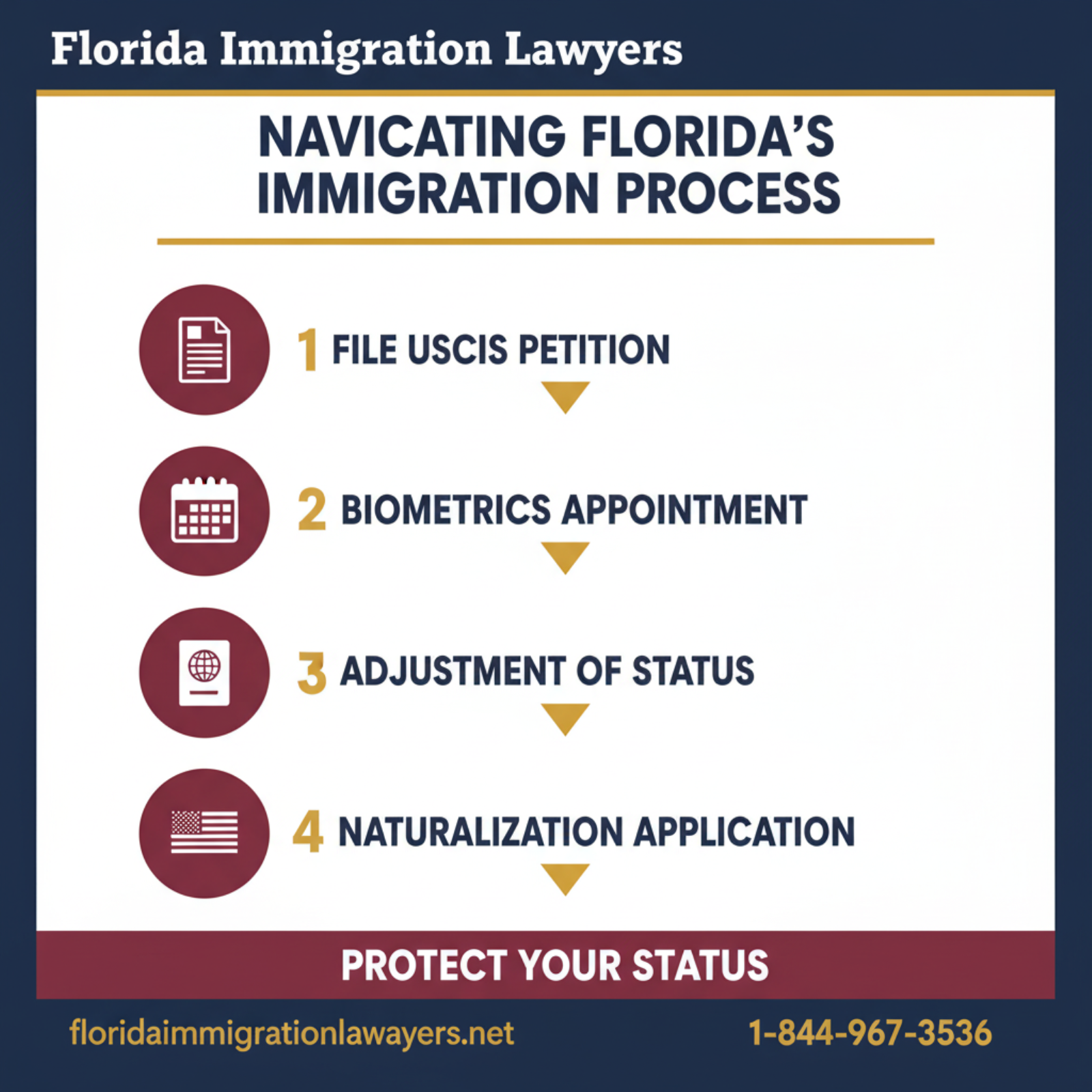
Organizing these documents systematically and keeping digital copies can be invaluable. Always carry copies, not originals, when outside your home, and know your rights regarding document requests. For any specific questions about your documentation requirements, particularly concerning your immigration status in Florida, contact Florida Immigration Lawyers.
Anticipated Timelines and Processing Expectations for Immigration Cases in Florida
The processing times for immigration cases can be a source of significant anxiety. While federal agencies like USCIS set national processing standards, local field offices and specific policy shifts can influence how quickly cases move forward in Florida. In 2026, it is important to manage expectations regarding these timelines.
USCIS provides estimated processing times for various forms on its website, which you can check here: USCIS Processing Times. These estimates are subject to change based on application volume, staffing levels, and evolving policy priorities. For residents of Pembroke Pines and other Florida cities, cases are typically processed through field offices such as Miami, Orlando, or Tampa, each with its own specific backlogs.
For example, applications for adjustment of status (Form I-485), petitions for alien relatives (Form I-130), and applications for naturalization (Form N-400) can take anywhere from several months to several years. Factors like the complexity of your case, the completeness of your documentation, and any requests for evidence (RFEs) can all extend these timelines. Recent immigration policy news can sometimes lead to increased scrutiny, potentially lengthening processing periods.
It is important to remember that these are general expectations, not guarantees. An experienced immigration lawyer can help you understand the most current processing trends for your specific type of application and advise you on strategies to avoid unnecessary delays. They can also assist with follow-ups and inquiries with USCIS if your case experiences abnormal delays.
Understanding Cost Factors and Fees in Florida Immigration Cases
Pursuing an immigration case involves various costs, including government filing fees and potential legal fees. It is essential to have a clear understanding of these financial commitments as you navigate your immigration journey in Florida. While we cannot provide specific fee amounts (as they are subject to change), we can outline the general categories of expenses you might encounter.
USCIS Filing Fees: The U.S. Citizenship and Immigration Services charges fees for nearly all forms and petitions. These fees vary significantly depending on the type of application (e.g., visa petitions, green card applications, citizenship applications). It is crucial to always check the official USCIS website for the most current fee schedule before submitting any application. You can find general information about fees on travel.state.gov for visa services, but direct USCIS forms have their own specific fees.
Legal Fees: Hiring an experienced immigration attorney, such as those at Florida Immigration Lawyers, involves legal fees for their services. These fees cover the attorney's time, expertise, preparation of documents, representation, and guidance through the complex legal process. Legal fees can vary based on the complexity of your case, the type of service required, and the attorney's experience. A free consultation with our firm can help you understand the potential legal costs involved in your specific situation.
Additional Costs: Beyond government and legal fees, you may incur other expenses. These can include fees for medical examinations, translation services for foreign documents, courier services, and travel expenses for interviews or appointments. In some cases, depending on Florida's specific immigration policy news, there might be state-level fines or fees if certain compliance issues arise. Always factor these potential additional costs into your financial planning.
Transparency regarding costs is a priority for Florida Immigration Lawyers. During your initial consultation, we will discuss all anticipated fees so you can make informed decisions. We understand the financial burden these processes can entail and strive to provide cost-effective yet high-quality legal representation.
Do not navigate this process alone. Contact Florida Immigration Lawyers today.
Common Mistakes to Avoid in Florida Immigration Cases
Navigating the complex world of immigration, especially with evolving immigration policy news in Florida, can be daunting. Many individuals make avoidable mistakes that can lead to delays, denials, or even more serious consequences. Being aware of these common pitfalls can help you protect your case.
-
Not Staying Informed about Policy Changes: Immigration laws, both federal and state, are constantly changing. Failing to keep up with current immigration policy news in Florida can lead to submitting outdated forms or missing critical deadlines. Always verify the latest requirements.
-
Providing Inaccurate or Inconsistent Information: Any discrepancies in your applications or interviews can raise red flags with USCIS or other agencies. Always be truthful and ensure all information provided is accurate and consistent across all documents.
-
Missing Deadlines: Immigration processes are time-sensitive. Missing a deadline for submitting a form, responding to an RFE, or appearing for an interview can result in the denial of your application or even removal proceedings. Keep a meticulous calendar.

Key Statistics & Data -
Traveling Without Proper Authorization: Leaving the U.S. without an advance parole document while a green card application is pending can result in the abandonment of your application. Always consult your attorney before making international travel plans.
-
Ignoring Requests for Evidence (RFEs) or Notices of Intent to Deny (NOIDs): These are critical communications from USCIS. Failing to respond comprehensively and on time will almost certainly lead to a denial. Take them seriously and seek legal help.
-
Attempting to Self-Represent in Complex Cases: While some simple cases might seem manageable, complex immigration matters, especially those involving waivers, criminal history, or deportation, require professional legal expertise. The risks of self-representation are often too high.
-
Failing to Disclose Past Immigration Issues: Attempting to hide previous visa overstays, deportations, or criminal convictions can lead to severe penalties, including a permanent bar from the U.S. Honesty and full disclosure are paramount.
-
Overlooking Potential State-Level Penalties: With Florida's specific immigration laws, actions that might seem minor could lead to state-level fines or legal issues. Be aware of local regulations, especially concerning employment and identification.
-
Not Having Proper Documentation Readily Available: As discussed, organized and accessible documentation is crucial. Being unable to produce required documents when requested can complicate your case or lead to adverse actions.
-
Assuming Old Laws Still Apply: Do not rely on information from years past or advice from non-legal sources. Immigration law is constantly evolving, and what was true yesterday may not be true today, especially regarding Florida immigration policy news.
When to Call a Lawyer
The complexities of immigration law, particularly with the dynamic immigration policy news in Florida, mean that legal guidance is often indispensable. While some situations might seem straightforward, the slightest misstep can have profound, long-lasting consequences. Knowing when to seek professional legal help can save you time, money, and immense stress.
You should contact Florida Immigration Lawyers immediately if you are facing any of these scenarios:
- You have received a Notice to Appear (NTA) in immigration court or are facing deportation or removal proceedings.
- Your visa application, green card petition, or citizenship application has been denied, or you've received an RFE/NOID.
- You have a complex immigration history, including previous deportations, visa overstays, or criminal convictions.
- You are seeking asylum or refugee status and need assistance with your application and interviews.
- You are an employer in Florida concerned about compliance with E-Verify or other state-level employment verification laws.
- You are pursuing a family-based immigration petition and need help navigating eligibility requirements or waivers.
- You are a professional or business seeking business immigration visas or employer-sponsored green cards.
- You are unclear about how recent Florida immigration policy news affects your current immigration status or future plans.
- You have been detained by ICE or other law enforcement agencies.
Our experienced attorneys at Florida Immigration Lawyers understand the nuances of both federal and state immigration laws. We can provide personalized advice, represent you in court or before USCIS, and help you strategize the best path forward. Do not wait for a problem to escalate; proactive legal advice is always the best course of action. Contact us for a free consultation.
About Florida Immigration Lawyers
Florida Immigration Lawyers is a leading immigration law firm dedicated to serving individuals, families, and businesses across the entire state of Florida, including the vibrant community of Pembroke Pines. Our mission is to provide compassionate, effective, and strategic legal representation in all areas of immigration law. We understand that every case is unique and often involves deeply personal stakes.
Our team of highly skilled and experienced immigration attorneys is committed to staying abreast of the latest immigration policy news, ensuring that our clients receive the most current and accurate advice. We offer a comprehensive range of immigration services, including family-based petitions, employment visas, deportation defense, asylum claims, naturalization, and complex litigation.
We pride ourselves on our client-focused approach, clear communication, and unwavering dedication to achieving the best possible outcomes. When you choose Florida Immigration Lawyers, you gain a trusted advocate who will tirelessly fight for your rights and guide you through every step of your immigration journey. We are available 24/7 to answer your questions and offer free, no-obligation consultations to discuss your case.
Your future in Florida is important to us. Let us help you navigate the complexities of immigration law with confidence and peace of mind. Call us today at 1-844-967-3536 or visit our website at https://www.floridaimmigrationlawyers.net to learn more.
Sources and References
- U.S. Citizenship and Immigration Services (USCIS)
- Executive Office for Immigration Review (EOIR)
- U.S. Department of State (travel.state.gov)
- 8 U.S.C. Chapter 12 - Immigration and Nationality Act (INA)
- 8 CFR Part 214 - Nonimmigrant Classes
- 8 CFR Part 240 - Removal Proceedings
This article provides general legal information and is not intended as legal advice. Every case is unique, and outcomes depend on specific facts and circumstances. Contact an attorney for advice about your particular situation.
The landscape of immigration policy news in Florida is constantly shifting, but your rights and future do not have to be uncertain. Florida Immigration Lawyers is here to provide the expert legal guidance you need. We offer free consultations to discuss your specific situation and help you understand your options. Do not face these challenges alone. Call us today at 1-844-967-3536 to schedule your free consultation.
Se Habla Español - Estamos aquí para ayudarle.
Need help with Immigration?
Our Florida immigration attorneys offer free consultations. Call today or schedule online.
Frequently Asked Questions
Florida Immigration Lawyers
Legal Team
Our experienced attorneys at Florida Immigration Lawyers have been serving clients across Florida for over 20 years. We specialize in immigration, personal injury, criminal defense, workers compensation, and family law.