Naturalization Ceremony ICE Concerns Florida: Your Safety Guide
Worried about naturalization ceremony ICE concerns in Florida? Learn your rights and how to protect yourself. Contact Florida Immigration Lawyers for a free consultation today.
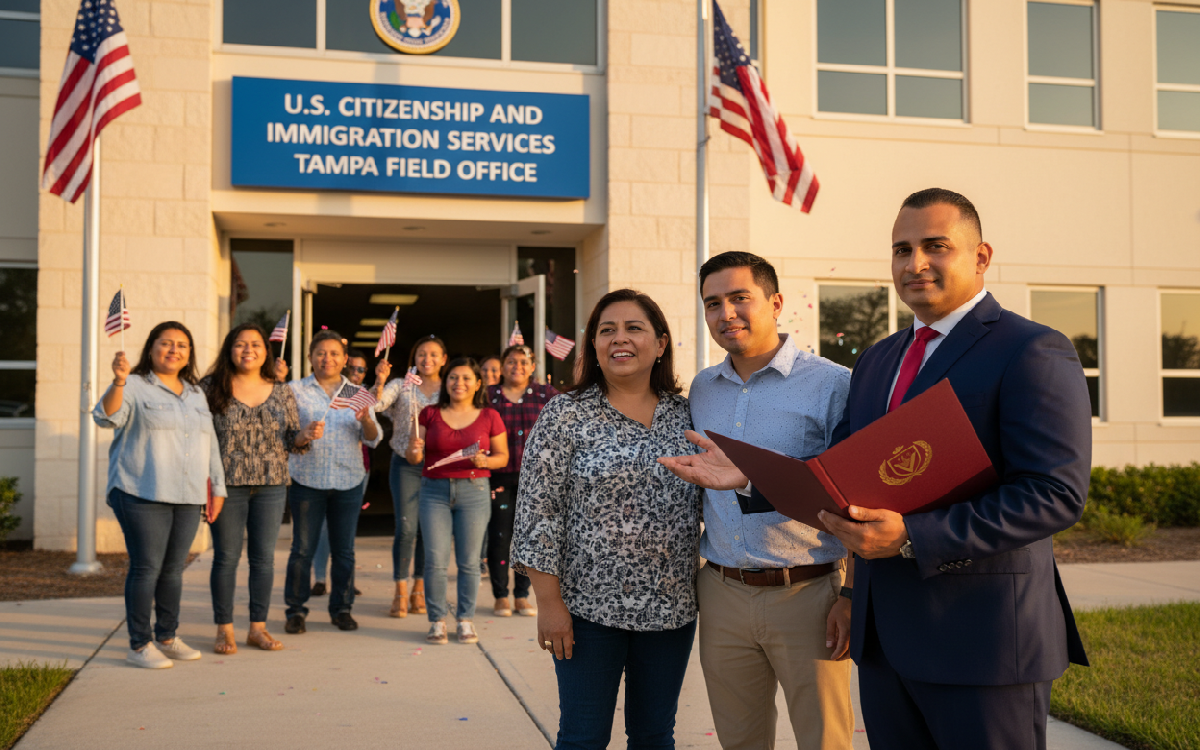
While concerns about ICE presence at naturalization ceremonies exist, it's generally rare for U.S. Immigration and Customs Enforcement (ICE) to conduct arrests at these events without a specific warrant or severe criminal history. USCIS ceremonies are typically safe spaces for new citizens. However, proper preparation and understanding your rights are crucial to ensure a smooth process.
- Know your constitutional rights and immigration status.
- Review your immigration history for any undisclosed issues.
- Consult with an experienced Florida immigration lawyer before your ceremony.
- Understand that ICE actions are usually targeted, not random, at ceremonies.
The journey to becoming a U.S. citizen is a momentous achievement, culminating in the naturalization ceremony. For many aspiring citizens in Florida, however, this final step can be shadowed by concerns about potential encounters with U.S. Immigration and Customs Enforcement (ICE). You've worked hard, followed the rules, and navigated a complex legal system, and the last thing you want is unexpected complications.
At Florida Immigration Lawyers, we understand these anxieties. This comprehensive guide addresses your legitimate questions about naturalization ceremony ICE concerns, especially here in Florida. We'll explore current policies, your rights, and how to best prepare for your big day in 2026. Our goal is to empower you with knowledge and peace of mind.
Do not let fear overshadow your celebration. For personalized guidance and to ensure your peace of mind, call Florida Immigration Lawyers at 1-844-967-3536 for a free consultation. Our dedicated team is ready to assist you on your immigration journey.
Understanding Naturalization Ceremony ICE Concerns in Florida
It's natural to feel anxious about any interaction with immigration authorities, especially given the evolving landscape of immigration enforcement. When it comes to naturalization ceremonies, the primary concern for many is the possibility of ICE presence or arrests. While high-profile incidents can fuel these fears, it's important to understand the general policy and context.
Historically, USCIS naturalization ceremonies have been considered "sensitive locations" by ICE, meaning enforcement actions are generally avoided unless there are specific, compelling circumstances. These circumstances typically involve individuals with outstanding criminal warrants, serious criminal histories, or those who have committed fraud during their naturalization process. This policy aims to allow new citizens to celebrate their achievement without undue fear, as outlined in policies like those found on ICE.gov.
However, the legal framework for immigration enforcement is broad. U.S. law, specifically 8 CFR 287.5(c)(5), outlines the authority of immigration officers. While discretion is often applied, it's not absolute. In Florida, with its significant immigrant population and numerous USCIS field offices in cities like Miami, Orlando, and Tampa, remaining informed and prepared is always your best defense against naturalization ceremony ICE concerns.
Preparing for Your Naturalization Ceremony: A Step-by-Step Guide
Thorough preparation is key to a stress-free naturalization ceremony. By following these steps, you can significantly reduce any naturalization ceremony ICE concerns and confidently embrace your new citizenship.
-
Review Your Immigration Record Thoroughly: Before your ceremony, meticulously review your entire immigration file and personal history. Look for any past arrests, even minor ones, or any issues that might have been overlooked or not fully disclosed during your N-400 application process. Ensure all information provided to USCIS was accurate and complete, as any discrepancies could raise red flags.
-
Consult an Experienced Florida Immigration Attorney: This is arguably the most critical step. An attorney from Florida Immigration Lawyers can conduct a comprehensive review of your case, identify potential red flags, and advise you on how to address them proactively. They can confirm there are no outstanding warrants or issues that might lead to unexpected immigration complications, giving you peace of mind.
-
Understand the Oath of Allegiance and Its Significance: The Oath of Allegiance is a solemn promise to the United States. Familiarize yourself with its wording and meaning. Understanding this commitment will not only prepare you for the ceremony itself but also reinforce the profound step you are taking to become a U.S. citizen.
-
Gather All Required Documents as Per Your Notice: Your "Notice of Naturalization Oath Ceremony" (Form N-445) will list specific documents you must bring. This typically includes your Permanent Resident Card (Green Card), the notice itself, and any travel documents. Double-check this list well in advance and organize your documents for easy access on the day of the ceremony.
-
Know Your Rights if Approached by Immigration Officials: While unlikely at a ceremony, knowing your rights is empowering. You have the right to remain silent and the right to speak with an attorney. Do not sign anything you don't understand. If an officer approaches you, you can politely state that you wish to speak with your lawyer. Remember, once you take the Oath, you are a U.S. citizen.
-
Arrive Prepared and Punctual: Plan to arrive early to your ceremony location in Florida, whether it's a federal courthouse in Miami or another designated site. Dress in professional attire, reflecting the solemnity of the occasion. Being well-prepared and calm will help you focus on the importance of the moment, minimizing any lingering anxieties.
Essential Document Checklist for Your Naturalization Ceremony
To ensure a smooth and successful naturalization ceremony, having all necessary documents organized and ready is paramount. This checklist will help you prepare for your big day in Florida.
- Your "Notice of Naturalization Oath Ceremony" (Form N-445): This is your official invitation and contains vital instructions.
- Your Permanent Resident Card (Green Card): You will surrender this card at the ceremony as you become a U.S. citizen.
- A valid state-issued identification: Such as your Florida Driver's License or state ID.
- Any travel documents currently in your possession: This includes your foreign passport, re-entry permit, or refugee travel document.
- Two identical, unmounted passport-style photographs: Only if specifically requested in your Form N-445.
- Any court disposition documents for past arrests or citations: If you have any criminal history, ensure you bring all related court records, even if previously submitted.
- Your "Questionnaire for the Oath of Allegiance" (Form N-445, Part 2): This must be completed and brought with you.
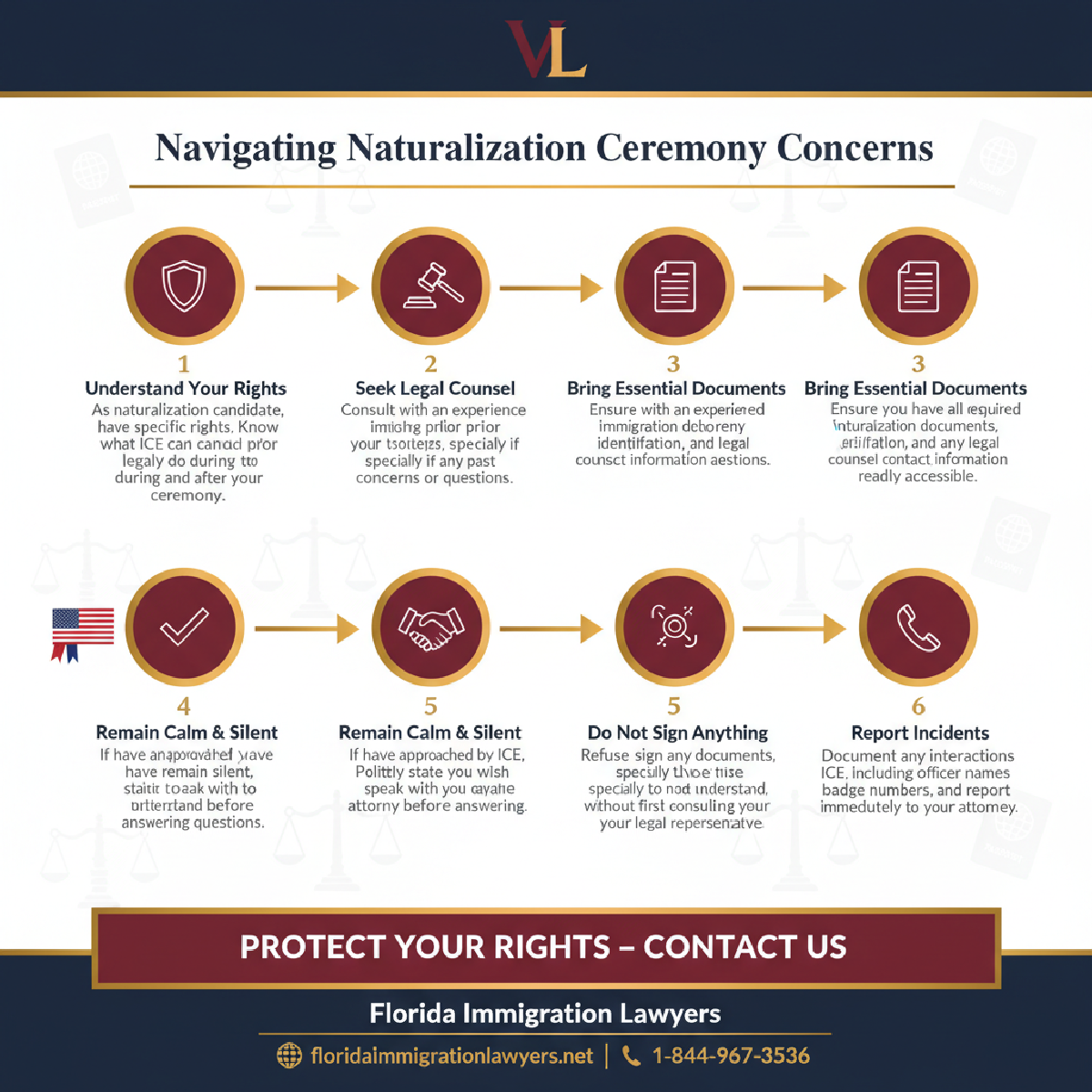
Always double-check your specific N-445 notice for any additional or unique requirements. Being meticulously organized will alleviate any last-minute stress regarding naturalization ceremony ICE concerns and help you focus on the significance of becoming a U.S. citizen.
Naturalization Timeline and Processing Expectations in 2026 for Florida Residents
Understanding the processing timeline for naturalization can help manage your expectations and reduce anxiety. While USCIS strives for efficiency, various factors can influence how long your journey to citizenship takes, particularly for those in Florida applying in 2026. This includes concerns about "cancelled citizenship ceremonies" which can cause delays.
Typically, the naturalization process, from filing Form N-400 to taking the Oath of Allegiance, can range from 8 to 18 months, or sometimes longer, depending on the USCIS field office jurisdiction (e.g., Miami, Orlando, Tampa) and the complexity of your case. Factors like background checks, interview backlogs, and requests for additional evidence can extend these timelines. You can monitor your USCIS case status online by visiting uscis.gov/casestatus and entering your receipt number.
In some instances, "cancelled citizenship ceremonies" have occurred due to administrative issues, unforeseen circumstances, or a need for further review of an applicant's file. While these are usually temporary setbacks, they can be frustrating. If your ceremony is cancelled, USCIS will typically reschedule it and send you a new notice. It is important to stay updated and contact an attorney if you experience prolonged delays or cancellations without clear reasons. For detailed information on the Oath of Allegiance and related procedures, you may refer to the USCIS Policy Manual, Volume 12, Part L, Chapter 3.
Cost Factors and Fee Breakdown for Naturalization
Understanding the financial aspects of naturalization is an important part of your preparation. While the benefits of U.S. citizenship are immeasurable, there are associated costs you should be aware of. Please note that USCIS fees are subject to change, so it's always best to check the most current information on the official USCIS website before filing.
The primary cost is the USCIS filing fee for Form N-400, Application for Naturalization. This fee often includes the biometrics services fee. USCIS periodically updates these fees, so always verify the exact amount on uscis.gov/n-400. Fee waivers may be available for eligible applicants who meet specific income guidelines or receive certain public benefits.
Beyond the government fees, you may incur other expenses. These can include legal fees if you choose to hire an immigration attorney to assist with your application, interview preparation, or to address any naturalization ceremony ICE concerns. While not mandatory, legal counsel can provide invaluable peace of mind and ensure your application is submitted correctly and comprehensively. Florida Immigration Lawyers offers transparent fee structures for our services.
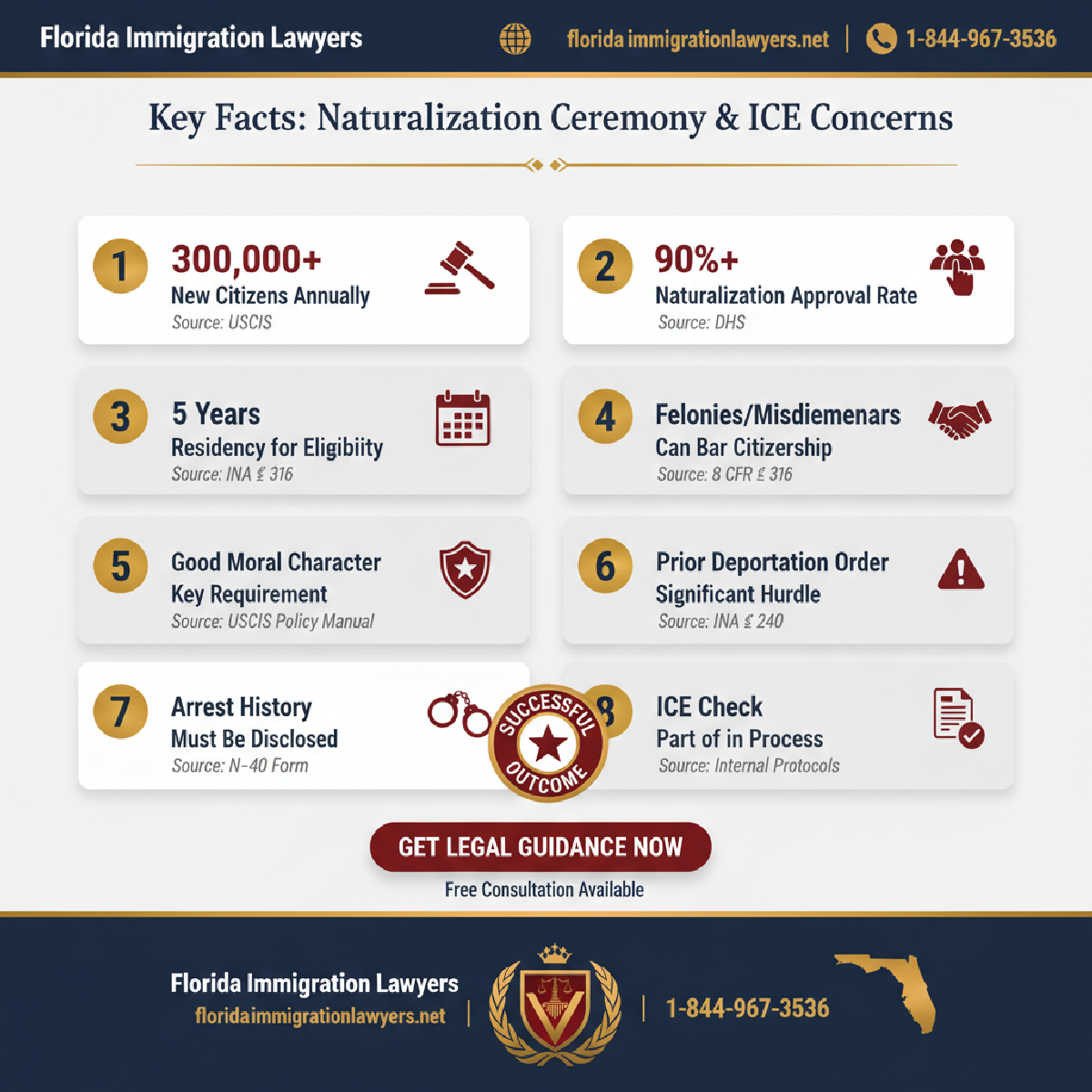
Do not navigate this complex process alone, especially with lingering "naturalization ceremony ICE concerns." The expertise of a seasoned legal team can make all the difference. Contact Florida Immigration Lawyers today for comprehensive support and peace of mind.
Common Mistakes to Avoid During Your Naturalization Journey
-
Ignoring Past Criminal Issues
Failing to disclose or properly address any past arrests, even minor ones, can lead to serious consequences. This includes charges of immigration fraud, denial of your naturalization application, or even initiation of "denaturalization" proceedings if citizenship was already granted based on false information. Always be transparent and seek legal advice.
-
Providing False or Misleading Information
Any intentional misrepresentation or omission of facts on your N-400 application or during your interview is considered fraud. This can result in denial, criminal prosecution, and potentially severe immigration consequences, far beyond just naturalization ceremony ICE concerns. Honesty is always the best policy when dealing with USCIS.
-
Failing to Update USCIS on Address Changes
If you move while your naturalization application is pending, you must inform USCIS of your new address promptly. Failure to do so can result in missed notices, interview appointments, or ceremony invitations, leading to delays or even the closure of your case. Update your address online or by mail to avoid complications.
-
Traveling Internationally Without Caution
While a pending N-400 generally allows travel, certain types of travel, extended stays abroad, or travel to specific countries could impact your continuous residence or physical presence requirements. Always consult an attorney before significant international travel, especially if your interview or ceremony is approaching, to ensure it doesn't jeopardize your application.
-
Not Attending Your Oath Ceremony
Missing your scheduled Oath of Allegiance ceremony without proper notification to USCIS can lead to your naturalization application being closed. If you cannot attend due to an emergency, immediately contact USCIS and, ideally, your immigration lawyer to reschedule. Prompt communication is vital for keeping your application active.
-
Failing to Seek Legal Counsel for Complex Cases
If you have a complicated immigration history, criminal record, or any doubts about your eligibility, attempting to navigate the process alone is a significant risk. An experienced lawyer can identify potential problems and strategize solutions, preventing costly mistakes and addressing naturalization ceremony ICE concerns effectively.
-
Assuming No Issues Exist in Your Background
Many applicants mistakenly believe their record is clean, only to discover forgotten minor infractions or administrative errors during a thorough legal review. A comprehensive check by a Florida immigration lawyer can uncover and address these issues before they become major obstacles to your citizenship. Don't leave your future to chance.
When to Call a Florida Immigration Lawyer for Your Naturalization
While the naturalization process can be straightforward for some, specific situations warrant the immediate assistance of an experienced immigration attorney. If you find yourself in any of the following scenarios, contacting Florida Immigration Lawyers is highly recommended to protect your rights and ensure a smooth path to citizenship.
-
You have a criminal history: Even minor arrests or convictions, whether expunged or not, can impact your good moral character requirement. A lawyer can assess the impact and advise on the best course of action, potentially preventing "denaturalization" or denial.
-
You have a complex immigration history: This includes previous denials, deportation orders, or multiple applications. Such complexities require expert navigation to avoid triggering naturalization ceremony ICE concerns or other issues.
-
You have received a "Notice of Intent to Deny" (NOID) or "Request for Evidence" (RFE): These notices indicate USCIS has concerns or needs more information. Responding incorrectly can jeopardize your application. Our team can help craft a strong response.
-
Your "cancelled citizenship ceremonies" notice indicates an underlying issue: Persistent delays or cancellations can signal a problem that needs investigation. An attorney can help you understand the reason and advocate on your behalf.
-
You are concerned about naturalization ceremony ICE concerns due to specific personal circumstances: If you have any reason to believe you might be targeted, even if you feel it's unfounded, a lawyer can provide reassurance and a strategic plan.
-
You are facing "denaturalization" proceedings: This is a severe legal challenge requiring robust defense. Florida Immigration Lawyers specializes in protecting the rights of naturalized citizens. Visit Justice.gov for general information on federal legal processes.
-
You have been asked to attend a second interview or a "stokes" interview: This usually indicates USCIS has doubts about the veracity of your application, often related to marriage-based green cards. Legal representation is crucial to navigate these complex interviews successfully.
Do not wait for a problem to escalate. Proactive legal counsel from Florida Immigration Lawyers can address warning signs and red flags before they derail your citizenship dreams. We serve clients across Florida, including Miami, Orlando, and Tampa, offering dedicated support for all aspects of your naturalization journey. We also assist with deportation defense and asylum cases.
Frequently Asked Questions About Naturalization and ICE
Do naturalized citizens have to worry about ICE?
Generally, once you are a naturalized U.S. citizen, you are protected from deportation. However, if there is evidence of fraud in your naturalization application, or if you committed certain crimes before or after naturalization that would have made you ineligible, you could potentially face denaturalization proceedings. This is a rare and severe process initiated by the government. ICE's primary focus is on non-citizens, but any significant issues from before naturalization could potentially resurface, making legal counsel prudent.
Can ICE deport you if you are a naturalized citizen?
As a naturalized citizen, you cannot be deported unless your naturalization is revoked through a process called denaturalization. This typically occurs in cases of fraud or misrepresentation during the naturalization process, or if you committed certain severe crimes that would have made you ineligible for citizenship. Denaturalization is a complex legal proceeding initiated by the U.S. government, often involving federal court. It is not a common occurrence but highlights the importance of honesty in your application.
Is it illegal for ICE to ask for proof of citizenship?
No, it is not illegal for an ICE agent to ask for proof of citizenship or immigration status. However, you have the right to remain silent and do not have to answer their questions without a lawyer present. If you are a U.S. citizen, you are not generally required to carry proof of citizenship, but it can be helpful to have it readily available. If you are not a U.S. citizen, you generally must carry proof of your immigration documents. Knowing your rights is key.
Can you legally refuse ICE?
Yes, you have constitutional rights. If ICE agents come to your home, they generally need a warrant signed by a judge to enter, unless there are "exigent circumstances." You can ask them to slide the warrant under the door. You have the right to remain silent and do not have to answer questions about your immigration status or where you were born. You also have the right to speak with a lawyer. Do not lie or present false documents, but you can assert your right to remain silent and refuse entry without a warrant.
What are common reasons for cancelled citizenship ceremonies?
Citizenship ceremonies can be cancelled for various reasons, sometimes due to administrative issues, natural disasters, or unexpected policy changes. In some cases, if USCIS discovers new information that questions an applicant's eligibility, such as a previously undisclosed criminal record or a change in marital status that impacts the application, they might cancel the ceremony to conduct further review. It's crucial to address any such notice promptly with legal guidance from an experienced immigration lawyer.
How can I check my USCIS case status for my naturalization application?
You can check your USCIS case status online by visiting the USCIS website and using the "Check Your Case Status" tool. You will need your 13-digit receipt number, which can be found on notices you've received from USCIS. This tool provides updates on your application's progress, including interview schedules, requests for evidence, and final decisions. Regularly checking your status is a good practice, especially if you anticipate your ceremony soon, to stay informed about your application's progress.
What is denaturalization and why does it happen?
Denaturalization is the process by which a naturalized U.S. citizen's citizenship is revoked. This is a severe legal action typically reserved for cases where citizenship was obtained fraudulently, through misrepresentation, or if the individual committed certain crimes that made them ineligible for naturalization from the outset. It's a complex process initiated by the U.S. government, often involving federal court proceedings, and requires strong legal defense. It underscores the importance of a truthful and accurate application.
Are there specific naturalization ceremony locations in Florida?
Yes, naturalization ceremonies in Florida are typically held at federal courthouses or USCIS offices across the state. Common locations include Miami, Orlando, Tampa, Fort Lauderdale, and Jacksonville. The specific location and time for your ceremony will be provided in your "Notice of Naturalization Oath Ceremony" (Form N-445). It's important to review this notice carefully for all details and instructions before your scheduled date. Planning your travel ahead of time is also advisable.
About Florida Immigration Lawyers
Florida Immigration Lawyers is a leading immigration law firm dedicated to serving individuals and families across the entire state of Florida. We understand the profound impact immigration matters have on your life and are committed to providing compassionate, effective, and ethical legal representation. Our team of experienced attorneys is passionate about helping clients achieve their American dream.
We offer a comprehensive range of immigration services, including assistance with citizenship and naturalization, family-based immigration, business immigration, deportation defense, and asylum claims. Our commitment extends to providing bilingual services, ensuring that language is never a barrier to accessing quality legal advice.
Why choose Florida Immigration Lawyers? We pride ourselves on our client-focused approach, detailed understanding of complex immigration laws (including INA sections like 8 U.S.C. 1421, which governs naturalization authority), and our unwavering dedication to your success. We are available 24/7 to address your urgent needs and offer free consultations to discuss your specific situation. Visit our attorneys page to learn more about our team, or contact us directly. Your future in Florida starts here.
Call us today: 1-844-967-3536
This article is for general informational
Preguntas Frecuentes
Vasquez Law Firm
Equipo Legal
Por más de 15 años, Vasquez Law Firm ha estado sirviendo a clientes en Florida. Nos especializamos en inmigración, lesiones personales, defensa criminal, compensación laboral y derecho familiar.