DACA News 2026: Essential Updates for Florida Dreamers
Stay informed on DACA news 2026 impacting Florida Dreamers. Learn about renewal processes, eligibility, and protecting your status. Contact Florida Immigration Lawyers for a free consultation.

DACA News 2026: Essential Updates for Florida Dreamers
For hundreds of thousands of young people across the United States, and particularly in Florida, the Deferred Action for Childhood Arrivals (DACA) program represents a pathway to education, employment, and a sense of belonging. As we look towards 2026, the landscape surrounding DACA continues to evolve, bringing both hope and uncertainty. Florida, with its significant population of DACA recipients, remains a critical state where these updates have profound personal and community-wide implications. Staying informed about renewal processes, eligibility criteria, potential legislative changes, and how to protect your status is not just important—it's essential for every Florida Dreamer.
This comprehensive guide aims to provide the most up-to-date information and strategic advice for DACA recipients in Florida. We understand the anxieties that come with an uncertain future, and our goal is to empower you with the knowledge needed to navigate the complexities of DACA in 2026 and beyond. From understanding the core tenets of the program to preparing for renewal and exploring legal avenues, this resource is designed to be your trusted companion.
Understanding DACA: A Lifeline for Florida's Youth
The Deferred Action for Childhood Arrivals (DACA) program, established in 2012, offers a temporary reprieve from deportation and provides work authorization to eligible undocumented immigrants who came to the United States as children. It has allowed recipients, often referred to as Dreamers, to pursue higher education, build careers, and contribute significantly to the American economy and society. In Florida, DACA has been a transformative force, enabling thousands of young individuals to step out of the shadows and realize their potential. These young people are doctors, teachers, entrepreneurs, and vital members of their communities, contributing taxes and enriching the cultural fabric of the state. The program acknowledges their deep roots in American society and their contributions, despite their immigration status.
The Genesis and Evolution of DACA
DACA was implemented as an exercise of prosecutorial discretion by the Department of Homeland Security (DHS) in response to the failure of Congress to pass comprehensive immigration reform, specifically the DREAM Act. It was never intended to be a permanent solution but rather a temporary measure to protect a specific group of individuals who met stringent criteria. Over the years, DACA has faced numerous legal challenges, with its very existence often hanging in the balance due to court rulings and shifting political landscapes. These challenges have created periods of immense stress and uncertainty for recipients, underscoring the need for continuous legal vigilance and advocacy. Understanding this history is crucial for appreciating the program's current fragility and the ongoing fight for its permanence. For more details on immigration policies and their history, you can visit justice.gov.
Why DACA Matters in Florida
Florida is home to one of the largest populations of DACA recipients in the nation. These individuals are integral to the state's economy and social fabric, contributing billions in taxes and filling critical workforce gaps. Their ability to work legally, obtain driver's licenses, and pursue education has a ripple effect, benefiting families, communities, and the state as a whole. Without DACA, many of these individuals would face immense barriers to employment and education, potentially leading to significant economic and social disruption. The program allows them to plan for their future, invest in their communities, and live without the constant fear of deportation, fostering stability for themselves and their families. The stakes for DACA recipients in Florida are incredibly high, as their futures are directly tied to the program's continued existence and stability.
Navigating DACA Renewal in 2026: What Florida Dreamers Need to Know
The DACA program requires recipients to renew their status every two years. This renewal process is critical for maintaining work authorization and protection from deportation. As we approach 2026, it's vital for Florida Dreamers to be proactive and understand the precise steps involved, potential changes in requirements, and the importance of timely submission. Missing a renewal deadline or submitting an incomplete application can lead to significant complications, including a lapse in work authorization and an increased risk of encountering immigration enforcement. Therefore, meticulous preparation and adherence to guidelines are paramount. Staying informed about official updates from USCIS is crucial, which can be found at uscis.gov.
Eligibility Criteria for Renewal
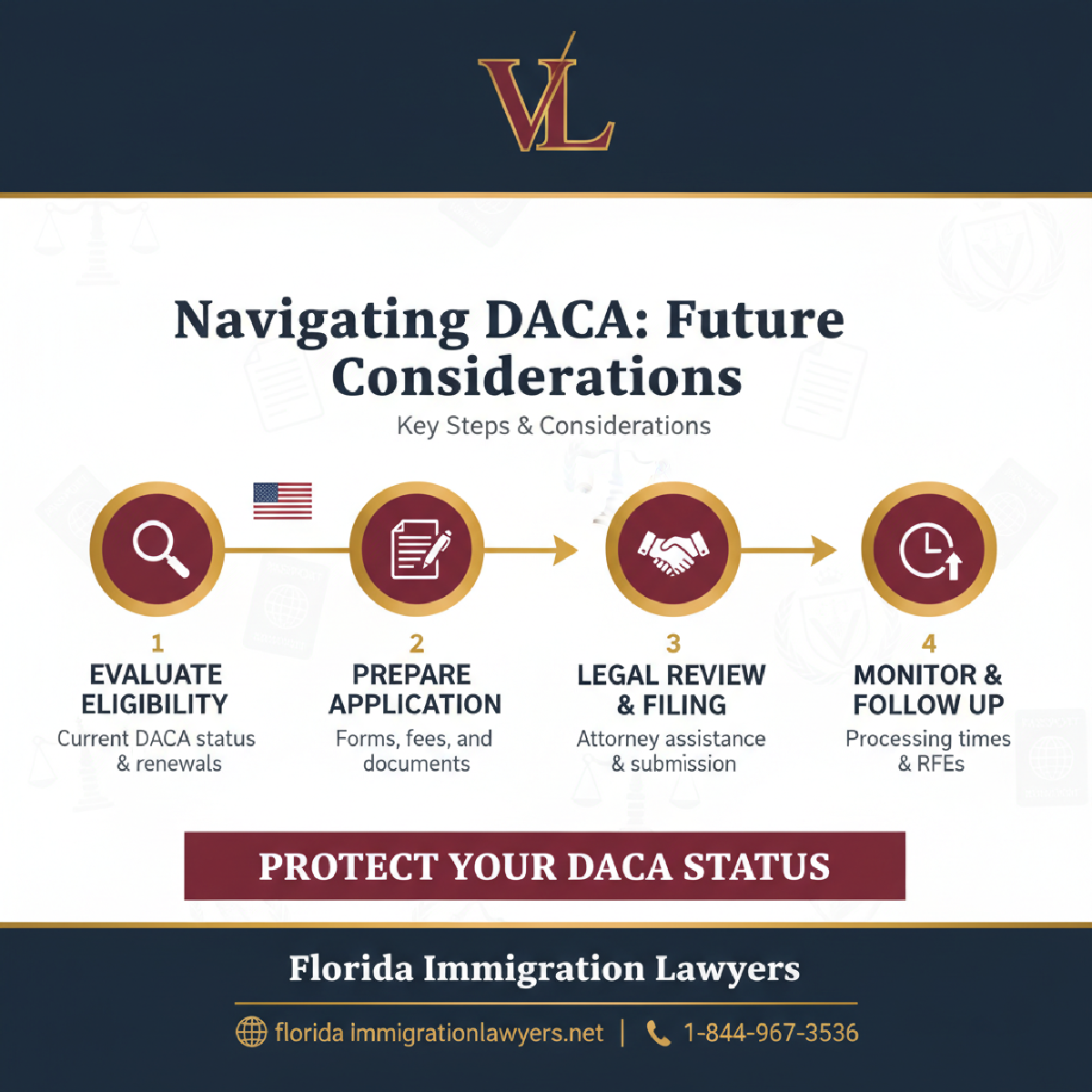
While initial DACA applications are largely on hold due to court orders, renewals are generally still being processed. To be eligible for renewal, you must meet several key criteria: you must have previously received DACA, not have departed the United States without advance parole on or after August 15, 2012, and not have been convicted of a felony, a significant misdemeanor, or three or more other misdemeanors, and not pose a threat to national security or public safety. It is crucial to review these requirements carefully, as any changes in your personal circumstances could impact your eligibility. Consulting with an experienced immigration attorney can help you assess your continued eligibility and address any potential red flags before submitting your application. Even minor infractions can sometimes be misconstrued, making legal guidance invaluable.
The Renewal Application Process and Required Documentation
The DACA renewal process involves submitting Form I-821D (Consideration of Deferred Action for Childhood Arrivals), Form I-765 (Application for Employment Authorization), and Form I-765 Worksheet. You will also need to pay the associated fees. It is highly recommended to file your renewal application between 120 and 150 days before your current DACA expiration date to avoid any lapse in coverage. Gather all necessary supporting documents, including proof of identity, previous DACA approval notices, and any updated biographical information. While USCIS may reuse biometrics from previous applications, be prepared to attend a biometrics appointment if requested. Double-checking every form and document for accuracy and completeness is essential to prevent delays or rejections. For comprehensive assistance with this process, our firm offers dedicated support for immigration services.
Financial Considerations and Fee Waivers
The filing fees for DACA renewal can be a significant burden for many recipients. As of the current guidelines, the total fee includes the Form I-765 fee and the biometrics services fee. While fee waivers are generally not available for DACA applications, USCIS does offer limited fee exemptions under specific circumstances. It is important to research the most current fee schedule and exemption policies on the USCIS website. If you are struggling to afford the fees, explore options such as community grants, legal aid organizations, or payment plans offered by some legal service providers. Never let financial constraints deter you from seeking legal advice or pursuing your renewal, as there may be resources available to help you. Planning ahead for these costs is a critical part of a successful renewal strategy.
Beyond Renewal: Work Authorization and Travel for DACA Recipients
DACA provides not only protection from deportation but also the invaluable benefit of work authorization, allowing recipients to legally secure employment and contribute to the economy. Understanding the nuances of your Employment Authorization Document (EAD) and the possibilities of international travel through Advance Parole are crucial for maximizing the benefits of your DACA status. These aspects of DACA empower recipients to build stable lives and pursue opportunities that would otherwise be inaccessible. However, both work authorization and travel come with specific rules and potential risks that must be carefully considered and adhered to, especially given the program's evolving legal status. Ensuring your EAD is always current is as important as renewing DACA itself, as a lapse can lead to job loss and financial instability. For those considering international travel, the process is even more complex and requires expert guidance.
Securing and Maintaining Your Employment Authorization Document (EAD)
Your Employment Authorization Document (EAD), often referred to as a work permit, is the physical card that proves your eligibility to work legally in the United States. It is directly tied to your DACA status and must be renewed concurrently with your DACA. Employers are legally required to verify your eligibility to work, and an expired EAD can lead to immediate termination of employment. Therefore, it is paramount to apply for your EAD renewal well in advance of its expiration, ideally at the same time you file your DACA renewal. Keep copies of all your EADs and DACA approval notices, and always carry a valid form of identification. If your EAD is lost or stolen, you must apply for a replacement promptly. Understanding your rights as a DACA recipient in the workplace is also important, and you should be aware of protections against discrimination. For more information on employment authorization, refer to official USCIS guidelines.
Understanding Advance Parole: Opportunities and Risks
Advance Parole is a travel document that allows DACA recipients to travel outside the United States and lawfully return. It is granted on a case-by-case basis for humanitarian, educational, or employment purposes. While it offers a unique opportunity for DACA recipients to visit family abroad, attend international conferences, or participate in study abroad programs, it is not without risks. Traveling without a valid Advance Parole document will result in an inability to re-enter the U.S. and could lead to your DACA status being revoked. Even with Advance Parole, re-entry is not guaranteed, as Customs and Border Protection (CBP) officers have the final authority. Before applying for or traveling with Advance Parole, it is highly advisable to consult with an immigration attorney to assess your individual circumstances and understand all potential implications. The legal landscape surrounding Advance Parole for DACA recipients can change, so staying updated on the latest policies, often found on travel.state.gov, is crucial.
The Shifting Legal Landscape: Protecting Your DACA Status
The legal future of DACA remains precarious, with ongoing court challenges and legislative debates shaping its trajectory. Florida Dreamers must remain vigilant and informed about these developments, as they can directly impact their status and future. The program has been a political football for over a decade, subjected to various legal challenges that have questioned its legality and scope. Understanding these legal battles is key to preparing for potential outcomes and advocating for more permanent solutions. The uncertainty surrounding DACA is a constant source of stress, making proactive legal planning more important than ever.
Recent Court Rulings and Their Impact
DACA has been the subject of numerous lawsuits, with courts across the country issuing varying rulings. While some decisions have allowed renewals to continue, others have halted new applications or questioned the program's fundamental legality. These rulings often create a patchwork of policies that can be confusing for recipients. It is crucial to follow reliable legal news sources and consult with immigration experts to understand how specific court decisions might affect your DACA status in Florida. The legal challenges often focus on whether DACA was lawfully implemented by the executive branch, rather than through congressional action. These legal battles are complex and often involve appeals that can take years to resolve, leaving DACA recipients in a state of limbo. Our team closely monitors these developments, particularly those that might impact deportation defense strategies.
Preparing for Potential Policy Changes
Given the ongoing legal uncertainty, DACA recipients should prepare for various scenarios, including potential changes to eligibility, application processes, or even the program's eventual termination. This preparation includes maintaining meticulous records of all immigration documents, seeking legal advice on alternative immigration pathways (if applicable), and staying engaged with advocacy efforts. While hoping for a permanent legislative solution, it is prudent to have a contingency plan. This might involve exploring options like asylum, if eligible, or other visa categories. Consulting with an attorney to understand your individual options is a critical step in building resilience against policy shifts. For those who may qualify, understanding the complexities of asylum law can be a crucial safeguard.
The Indispensable Role of Legal Counsel for Florida Dreamers
Navigating the complexities of DACA, especially amidst constant legal and policy changes, can be overwhelming. The support of an experienced immigration attorney is not just beneficial—it's often essential for ensuring your application is correctly filed, your rights are protected, and you are prepared for whatever the future may hold. An attorney can provide personalized advice tailored to your unique situation, helping you avoid common pitfalls and strategically plan for your future. They serve as a critical advocate, ensuring your voice is heard and your case is presented effectively to immigration authorities. Given the high stakes involved, professional legal guidance offers peace of mind and significantly increases the likelihood of a successful outcome for your DACA status and beyond.
How an Immigration Lawyer Can Safeguard Your Future
An immigration lawyer can assist DACA recipients in numerous ways. They can help you understand the latest DACA news and policy changes, assess your eligibility for renewal, meticulously prepare and review your application forms and supporting documents, and represent you in communications with USCIS. Furthermore, they can advise you on potential risks, such as issues related to criminal history or past immigration violations, and help you strategize to mitigate these concerns. For those considering Advance Parole, an attorney can guide you through the application process and explain the associated risks and benefits. Their expertise ensures that your application is robust and compliant with all current regulations, minimizing the chances of denial or delay. Our dedicated attorneys are here to help.
Comprehensive Support Beyond DACA Applications
Beyond DACA renewals, an immigration attorney can also explore other potential immigration pathways for you, such as family-based petitions, employment visas, or asylum claims, depending on your individual circumstances. They can provide crucial deportation defense if you face removal proceedings, offering a vital layer of protection. Having an attorney on your side means you have a knowledgeable advocate who can help you understand your rights, navigate complex legal challenges, and work towards a more permanent solution for your immigration status. This holistic approach to legal support ensures that Florida Dreamers have access to all available options to secure their future in the United States. Don't hesitate to contact us for a free consultation to discuss your specific needs.
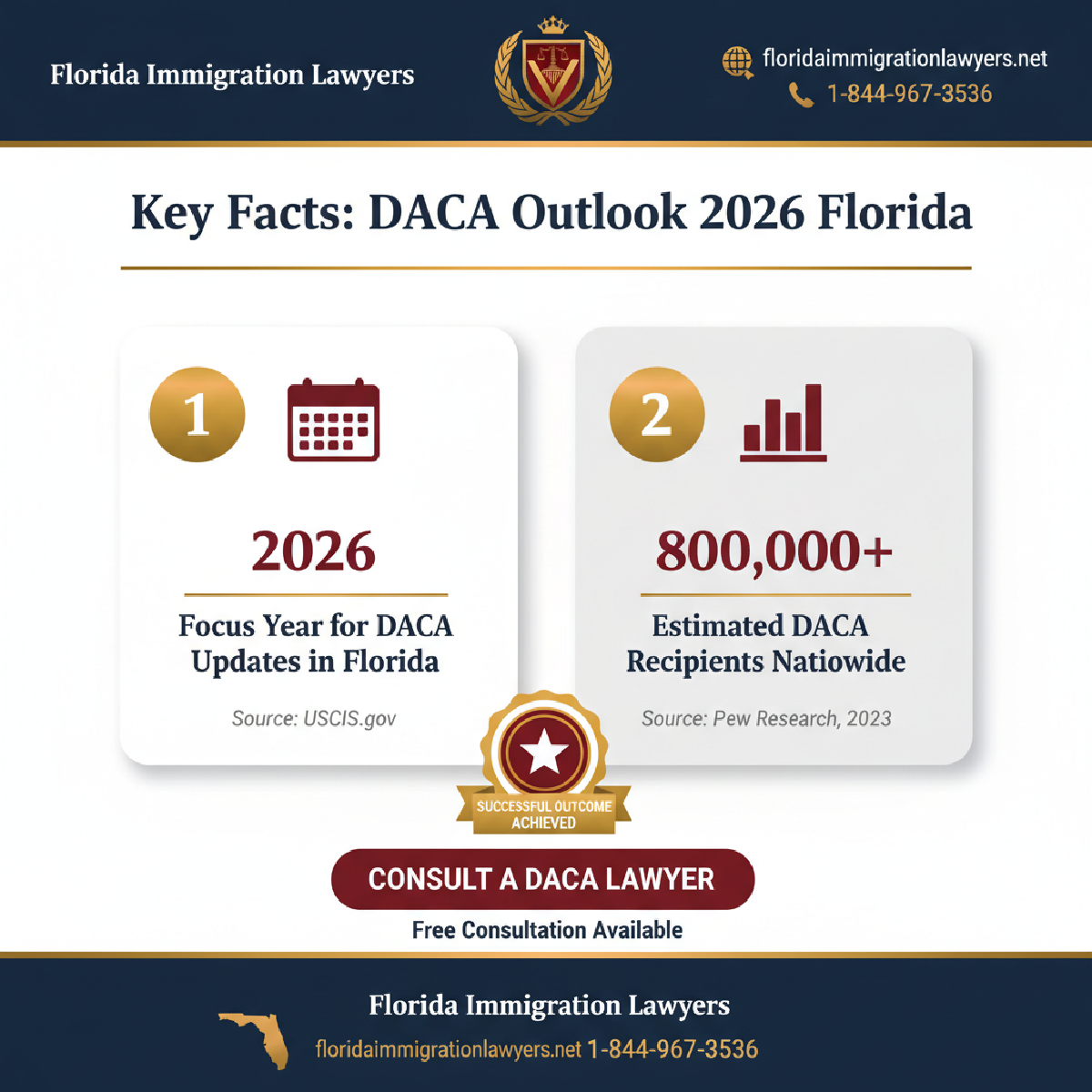
The journey for Florida Dreamers is one of resilience and hope. While the future of DACA may remain uncertain, staying informed, proactive, and seeking expert legal guidance are the most powerful tools at your disposal. Our firm is committed to supporting DACA recipients in Florida, providing the legal expertise and compassionate advocacy you need to navigate these challenging times. We encourage you to reach out for a consultation to discuss your specific situation and ensure your DACA status is protected for 2026 and beyond.
Frequently Asked Questions About DACA in Florida
Preguntas Frecuentes
Vasquez Law Firm
Equipo Legal
Por más de 15 años, Vasquez Law Firm ha estado sirviendo a clientes en Florida. Nos especializamos en inmigración, lesiones personales, defensa criminal, compensación laboral y derecho familiar.