Abrego Garcia Deportation: Florida Immigration Defense in
Facing abrego garcia deportation challenges in Florida? Learn about due process and defense strategies. Contact Florida Immigration Lawyers for a free consultation.
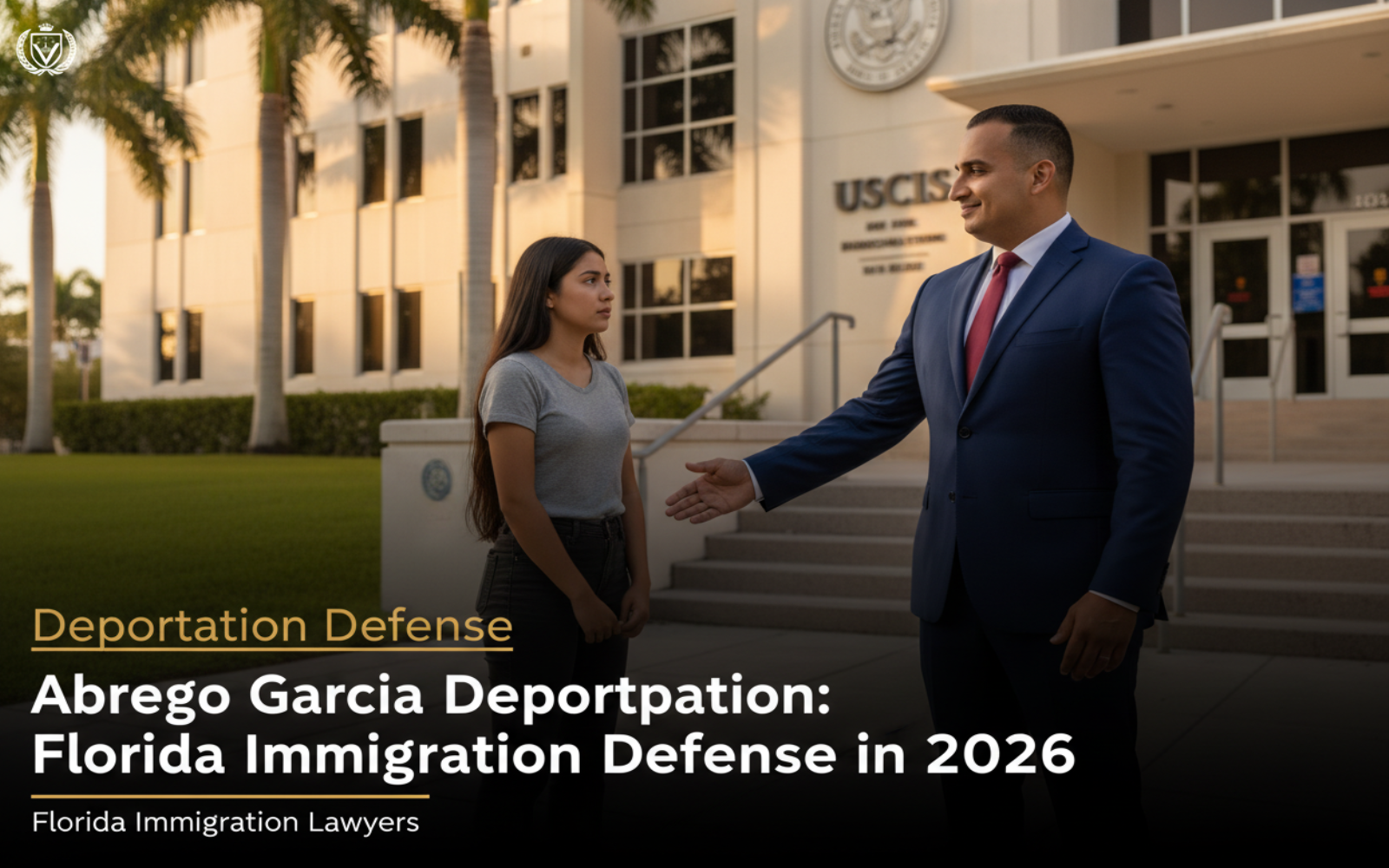
The Kilmar Abrego Garcia case brought critical attention to due process rights in deportation proceedings. For individuals and families in Florida facing similar immigration challenges, understanding your legal options and the importance of skilled legal representation is paramount. Navigating complex immigration laws requires expert guidance to protect your future and ensure fair treatment under the law.
- Due process rights are fundamental in all deportation cases.
- Complex legal challenges require expert immigration attorney Florida guidance.
- Proactive legal representation can significantly impact case outcomes.
- Florida residents have specific immigration courts and procedures to navigate.
Imagine receiving a notice that threatens your life in the United States, your family, and your future. For many immigrants in Florida, the fear of deportation is a harsh reality. The widely publicized abrego garcia deportation case, though years past, continues to serve as a stark reminder of the complexities and potential injustices within the U.S. immigration system. This landmark case underscored the critical importance of due process and robust legal defense for individuals facing removal from the country.
At Florida Immigration Lawyers, we understand the profound anxiety and uncertainty that deportation proceedings bring. This comprehensive guide will explore the lessons learned from the Abrego Garcia case, outline the deportation process in Florida, highlight key defense strategies, and explain how our dedicated team can provide the essential support you need. We are committed to protecting your rights and fighting for your future in Florida. If you or a loved one are concerned about deportation, do not wait. Call Florida Immigration Lawyers at 1-844-967-3536 for a free consultation today.
The Abrego Garcia Deportation Case: A Landmark in Due Process
The case of Kilmar Abrego Garcia, a Salvadoran national, became a national focal point, exposing significant flaws in the deportation process. His wrongful deportation, despite a court order, highlighted severe due process violations and the profound impact of administrative errors. This situation underscored the need for vigilance and expert legal advocacy in every immigration case, particularly for those in Florida.
For many in Coral Springs and across Florida, the Abrego Garcia case serves as a powerful precedent. It illustrates how critical it is for individuals to assert their rights and for legal counsel to ensure that government agencies adhere strictly to legal procedures. Understanding this historical context helps us appreciate the ongoing importance of robust deportation defense strategies. We learn that even when facing seemingly insurmountable odds, the law provides avenues for justice.
Understanding Deportation Proceedings in Florida: Your Step-by-Step Guide
Facing deportation can be an overwhelming experience, but understanding the process is the first step toward building a strong defense. In Florida, immigration cases are heard in specific courts, primarily in Miami and Orlando. These courts operate under the Executive Office for Immigration Review (EOIR), a component of the U.S. Department of Justice.
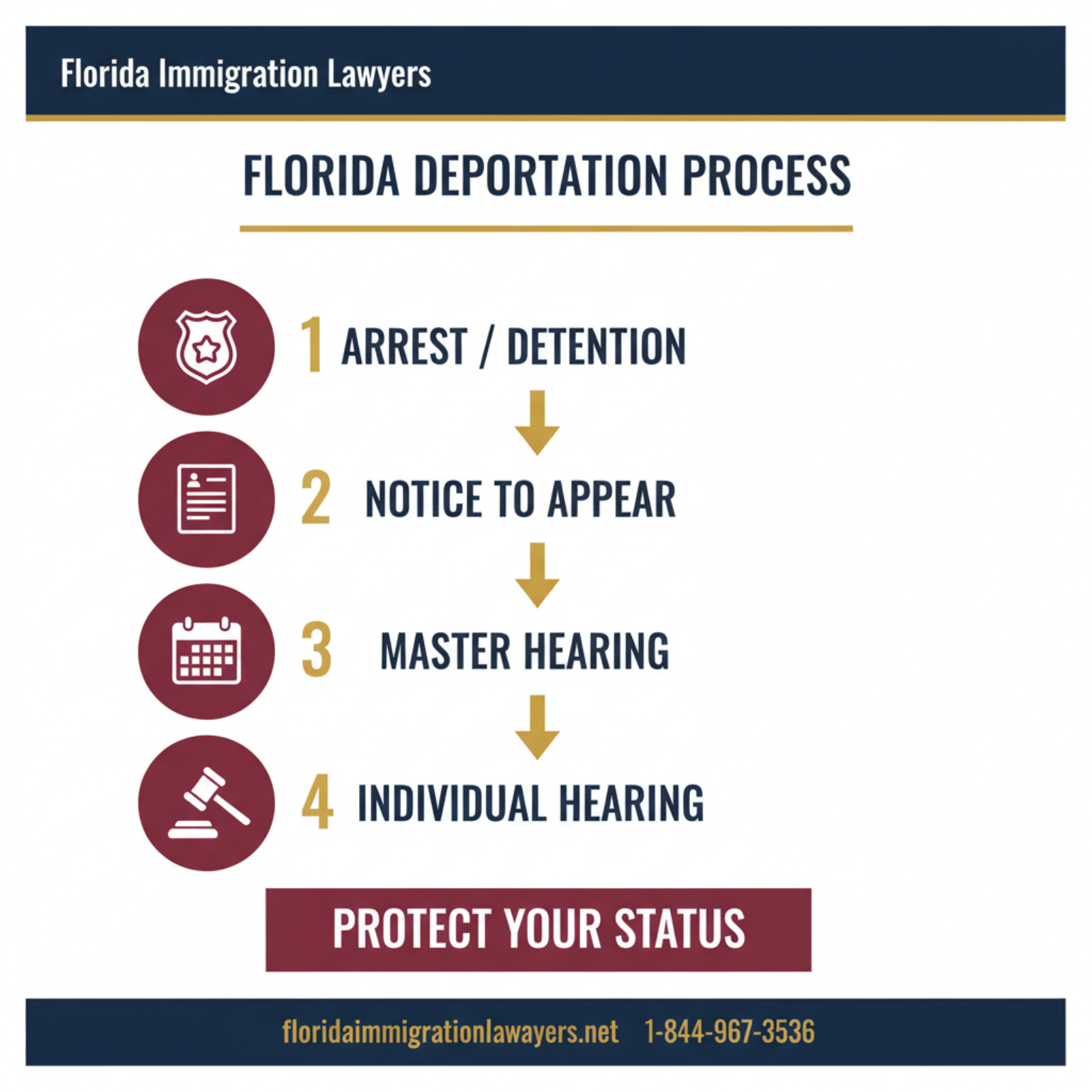
Here is a general overview of the typical deportation process:
Notice to Appear (NTA)
The process usually begins when U.S. Immigration and Customs Enforcement (ICE) issues a Form I-862, Notice to Appear. This document formally charges an individual with being removable from the United States and specifies the reasons why. Receiving an NTA means your case has been referred to an immigration judge.
Master Calendar Hearing
This is the initial hearing before an immigration judge. During this hearing, the judge will confirm your identity, ensure you understand the charges, and ask if you admit or deny the allegations. You will also be asked to state what form of relief from deportation, if any, you intend to seek. This is a critical juncture where legal representation is invaluable.
Individual Hearing (Merits Hearing)
If you deny the charges or seek relief from deportation, your case will be scheduled for an individual hearing. This is similar to a trial, where both sides present evidence, call witnesses, and make legal arguments. The immigration judge will hear your testimony and consider all submitted evidence before making a decision.
Decision by Immigration Judge
After the individual hearing, the judge will issue a decision. They may order you deported, or they may grant you relief, allowing you to remain in the United States. The judge's decision is based on the evidence presented and applicable immigration law, including in areas like Coral Springs. The legal framework is complex, drawing from the Immigration and Nationality Act (INA).
Appeals Process
If either you or the government disagrees with the judge's decision, you generally have the right to appeal to the Board of Immigration Appeals (BIA). Further appeals may be possible to a federal circuit court of appeals, and in rare instances, to the U.S. Supreme Court. Navigating these steps without an experienced immigration attorney Florida can be incredibly challenging. Our firm is adept at guiding clients through each stage, ensuring their rights are protected.
Essential Documents for Your Deportation Defense in Florida
A strong deportation defense hinges on comprehensive and accurate documentation. Gathering the right evidence can significantly bolster your case, whether you are seeking asylum, cancellation of removal, or another form of relief. In Florida, as elsewhere, immigration judges rely heavily on documentary evidence.
Here is a checklist of documents typically needed, though specific requirements vary based on your case:
- Personal Identification: Passport, birth certificate, national ID from your home country.
- Immigration Documents: Any visas, I-94 records, previous USCIS receipts, or court documents you have received.
- Proof of Residence in the U.S.: Leases, utility bills, school records, employment history, tax returns.
- Family Relationships: Marriage certificates, birth certificates of U.S. citizen or LPR children/spouses, photos.
- Financial Records: Bank statements, tax returns, pay stubs, evidence of financial support for dependents.
- Hardship Evidence: Medical records, psychological evaluations, letters from family/community members detailing hardship if you were deported.
- Criminal Records: Certified copies of any arrest records or court dispositions, even if charges were dismissed.
- Affidavits/Letters of Support: Statements from friends, family, employers, or community leaders attesting to your good character and contributions.
- Asylum-Specific Evidence: If applicable, evidence of persecution, country conditions reports, human rights reports, and personal declarations.
Organizing these documents can be daunting. Florida Immigration Lawyers can help you identify, gather, and present the necessary evidence effectively to the immigration court.
Timelines and Expectations for Florida Deportation Cases
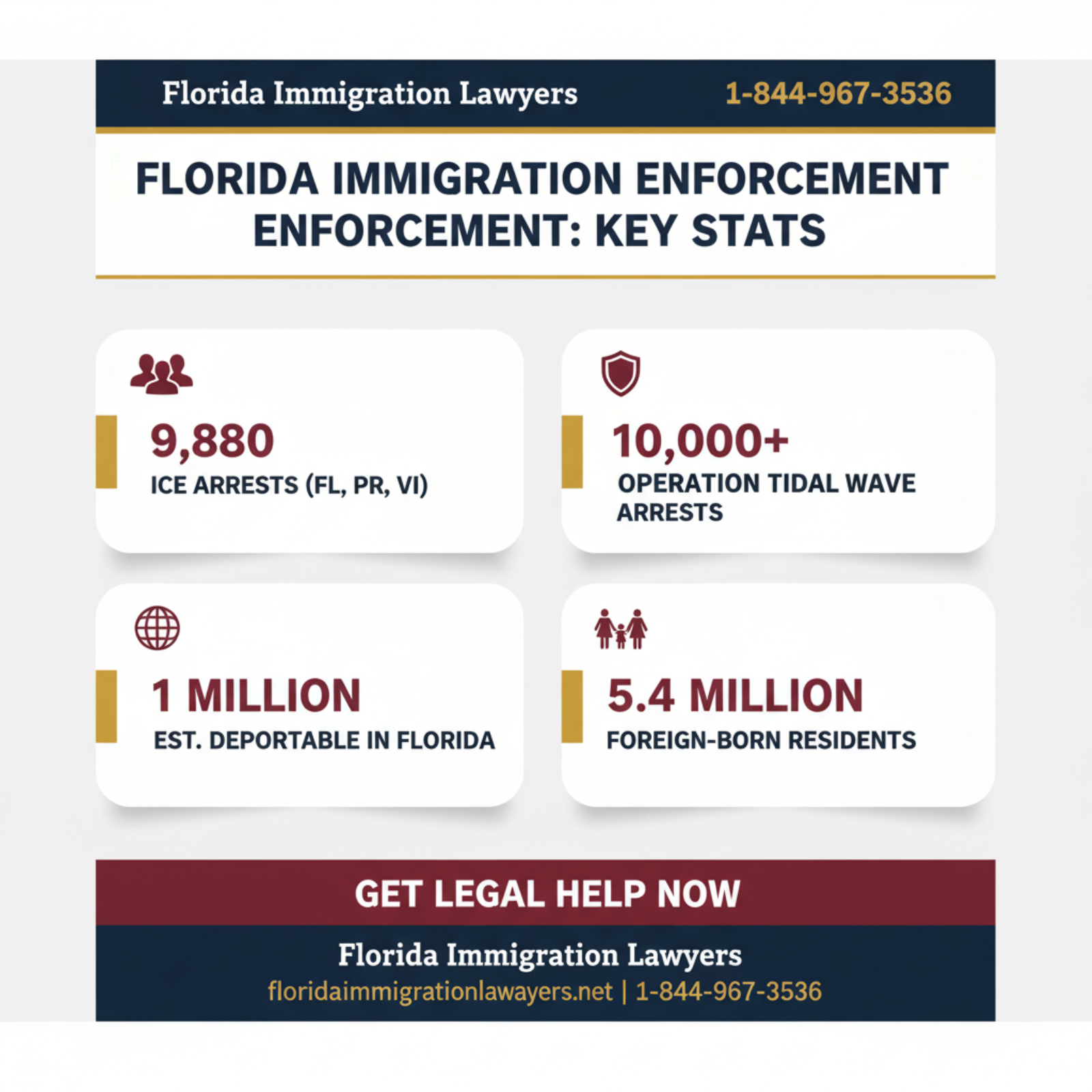
The duration of a deportation case in Florida can vary significantly, often extending from several months to several years. This variability depends on numerous factors, including the complexity of your case, the specific immigration court's backlog, and the type of relief you are seeking. For individuals in areas like Coral Springs, delays can be frustrating but must be anticipated.
Understanding these immigration court timelines Florida is vital for managing expectations. Cases involving complex legal issues, such as asylum claims or criminal convictions, typically take longer. Furthermore, the volume of cases at the Miami and Orlando immigration courts can fluctuate, directly impacting scheduling. The appeals process, if pursued, adds substantial time to the overall duration.
It is important to remember that while your case is pending, you generally have the right to remain in the U.S., though this can come with reporting requirements to ICE. Staying informed and prepared for potential delays is part of a strong deportation defense. Your legal team at Florida Immigration Lawyers will keep you updated on your case's progress and any changes in court schedules.
Navigating Costs and Fees in Immigration Cases
Understanding the potential financial aspects of an immigration case is a significant concern for many families in Florida. While we cannot provide specific filing fee amounts as they are subject to change by USCIS Florida and other agencies, we can outline the general cost factors involved in deportation defense.
The primary costs typically include:
- Government Filing Fees: These are fees paid directly to USCIS or other government agencies for applications for relief, such as an application for adjustment of status or a waiver. These fees are non-refundable and can vary.
- Legal Fees: This is the cost for the services of your immigration attorney Florida. Legal fees can vary widely depending on the complexity of your case, the attorney's experience, and the amount of work involved. Some firms offer flat fees for certain services, while others charge hourly rates.
- Ancillary Costs: These may include fees for obtaining certified records (e.g., birth certificates, criminal records), translation services for foreign documents, expert witness fees (e.g., psychological evaluations), and travel expenses for court appearances.
At Florida Immigration Lawyers, we believe in transparent pricing and offer free initial consultations to discuss your case and potential costs. We strive to make quality legal representation accessible and understandable for our clients across Florida.
Do not navigate this complex and intimidating process alone. The stakes are too high to face abrego garcia deportation challenges without professional legal guidance. Contact Florida Immigration Lawyers today to secure dedicated advocacy for your immigration case.
Common Mistakes to Avoid
- Missing Court Dates: Failing to appear for any scheduled immigration court hearing can lead to an "in absentia" removal order, meaning you are ordered deported without your presence. This is one of the most serious mistakes, making it very difficult to reopen your case.
- Providing Inaccurate or Inconsistent Information: Any discrepancies in your applications, statements, or testimony can be used against you. Always be truthful and consistent, even about minor details.
- Not Seeking Legal Counsel Early: Delaying consultation with an immigration attorney Florida can lead to missed deadlines, improper filings, or failure to identify available relief. Early intervention is crucial for a strong deportation defense.
- Failing to Disclose Criminal History: Attempting to hide past arrests or convictions, even minor ones, can severely jeopardize your case. Immigration law has strict rules regarding criminal offenses, and full disclosure is always the best approach.
- Ignoring Communications from USCIS or ICE: All letters, notices, or requests for evidence from immigration agencies must be taken seriously and responded to promptly. Ignoring them can lead to case denial or even a removal order.
- Traveling Outside the U.S. Without Permission: If you are in deportation proceedings, leaving the country without explicit authorization from an immigration judge or USCIS can result in the automatic denial of your case and prevent your return.
- Underestimating the Complexity of Your Case: Many individuals believe they can handle their immigration case alone. However, immigration law is incredibly complex and constantly changing, making professional legal guidance essential.
When to Call a Lawyer
The moment you receive a Notice to Appear (NTA) or have any interaction with immigration enforcement, it is time to call an attorney. The lessons from the abrego garcia deportation case demonstrate that due process can be compromised, and having an expert on your side is non-negotiable. If you are in Coral Springs, Miami, Orlando, or anywhere in Florida and face immigration challenges, Florida Immigration Lawyers is here to help.
You should seek legal help immediately if:
- You have received an NTA or a deportation order.
- You have been detained by ICE.
- You have a prior criminal record, regardless of how minor.
- You are seeking asylum or other forms of relief from removal.
- Your case involves complex legal issues or you are unsure of your options.
- You fear returning to your home country.
Our firm specializes in deportation defense, family immigration, asylum, and citizenship matters. We are dedicated to providing compassionate and effective legal representation to protect your rights and keep your family together in Florida.
ABOUT Florida Immigration Lawyers SECTION
Florida Immigration Lawyers is a leading law firm dedicated to serving the diverse immigration needs of individuals and families throughout Florida. With a deep understanding of complex immigration laws and a commitment to justice, our experienced attorneys provide zealous advocacy for every client. We pride ourselves on offering personalized attention, strategic legal solutions, and unwavering support during challenging times.
Our comprehensive services include deportation defense, asylum claims, family-based petitions, naturalization and citizenship applications, and business immigration solutions. We understand that every case is unique, and we tailor our approach to achieve the best possible outcomes for our clients. Choose Florida Immigration Lawyers for our proven track record, compassionate approach, and profound dedication to protecting your future in the United States. We are available 24/7 for free consultations across all of Florida. Call us at 1-844-967-3536 or visit our website at https://www.floridaimmigrationlawyers.net.
Sources and References
- U.S. Citizenship and Immigration Services (USCIS)
- Executive Office for Immigration Review (EOIR)
- U.S. Immigration and Customs Enforcement (ICE)
- 8 U.S.C. Chapter 12 - Immigration and Nationality Act (INA)
- 8 CFR - Code of Federal Regulations, Title 8, Aliens and Nationality
This article provides general legal information and is not intended as legal advice. Every case is unique, and outcomes depend on specific facts and circumstances. Contact an attorney for advice about your particular situation. Immigration laws are subject to change.
If you are facing the threat of abrego garcia deportation or any other immigration challenge in Florida, do not face it alone. The dedicated team at Florida Immigration Lawyers is ready to provide the expert legal representation you deserve.
No Navegue Este Proceso Solo
Nuestros abogados de inmigración con experiencia están listos para luchar por usted. Obtenga una consulta gratuita y confidencial hoy.
We Speak English
Preguntas Frecuentes
Florida Immigration Lawyers
Abogado de Inmigración | Fundador, Vasquez Law Firm
Veterano de la Fuerza Aérea de EE.UU. y abogado de inmigración con miles de casos resueltos. J.D., NCCU School of Law. Miembro de AILA. Admitido en los Circuitos 4.°, 5.° y 11.°
Disponible 24/7 - Consultas Gratis
Servicios legales relacionados
Nuestros abogados de inmigración en Florida pueden ayudarle con protección de asilo, consulta gratis de inmigración y áreas de práctica de inmigración. Llame hoy al 1-844-967-3536 para una consulta gratuita.
Enlaces Relacionados
Temas Relacionados
Consulta Legal Gratuita
Discuta su caso con nuestros abogados experimentados. Estamos disponibles 24/7.
Artículos Relacionados
Servicios de Abogado de Inmigración en Miami, Florida
Explore servicios integrales de abogados de inmigración en Miami, Florida. Desde asilo hasta defensa contra deportación, nuestros abogados están listos para asistirle. Llame a Florida Immigration Lawyers al 1-844-967-3536 para una consulta gratuita.
Guía de Renovación DACA para Dreamers en Florida 2026
Navegue el proceso de renovación DACA en Florida 2026 con nuestra guía completa. Aprenda los pasos, evite errores comunes y asegure el éxito de su solicitud. Llame a Florida Immigration Lawyers para una consulta gratuita.
Abogado de Inmigración Miami: Servicios en Florida
Explore los servicios integrales de abogados de inmigración disponibles en Miami, Florida, ofrecidos por Florida Immigration Lawyers. Ya sea que necesite asistencia con visas, tarjetas verdes o defensa contra deportación, nuestros abogados capacitados están aquí para ayudarle. Llámenos al 1-844-967-3536 para una consulta gratuita.