Green Card Holder ICE Detention in Florida: Your Rights
For green card holders in Florida, the threat of ICE detention is a serious concern, often stemming from criminal convictions or immigration violations. While permanent residency grants significant rights, it doesn't provide absolute immunity from arrest and potential deportation. This guide details common triggers for detention, outlines your rights during an ICE encounter, and provides a step-by-step process for navigating detention. Learn about essential documents, expected timelines, and cost factors. Crucially, understand the common mistakes to avoid and when to seek immediate legal assistance. Florida Immigration Lawyers is dedicated to defending your rights and securing your freedom.
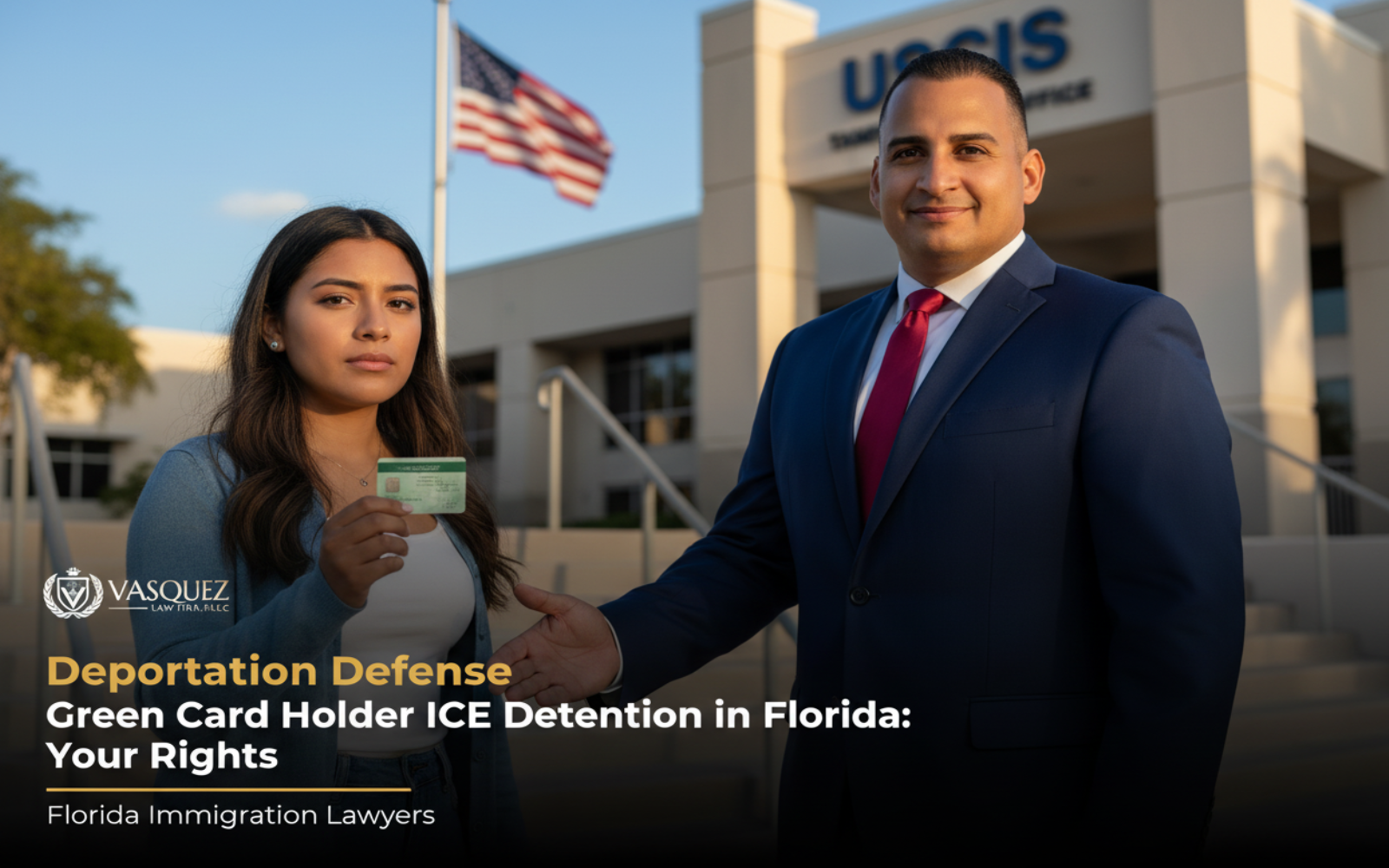
Yes, a green card holder ICE detention in Florida is possible under specific circumstances, often related to certain criminal convictions or immigration violations. While permanent residents have significant rights, they are not immune to arrest and potential deportation. It is crucial to understand your legal standing and seek immediate legal counsel to protect your rights and explore all available defense strategies.
- Green card holders can be detained and deported for specific offenses.
- Knowing your rights, including the right to an attorney, is vital.
- Detention often occurs due to criminal history or immigration issues.
- Immediate legal intervention significantly improves outcomes.
- Florida Immigration Lawyers can assist in navigating these complex cases.
Imagine a knock on your door, or an unexpected stop while traveling through a Florida airport like Miami International or Orlando International. You are a permanent resident, a green card holder, living your life in Homestead or elsewhere in Florida, believing your immigration status is secure. Suddenly, you find yourself facing questions from Immigration and Customs Enforcement (ICE) and the terrifying possibility of detention. This is a real and often confusing scenario for many in our community.
While a green card grants you permanent residency, it does not provide absolute immunity from immigration enforcement actions, including detention and even deportation. Understanding your rights and the legal landscape in Florida is paramount. This comprehensive guide from Florida Immigration Lawyers will walk you through the complexities of green card holder ICE detention in Florida, explaining common causes, your rights, and the steps you can take to protect your future. We will cover everything from initial encounters with ICE to navigating the immigration court system. If you or a loved one is facing this daunting situation, do not wait. Call Florida Immigration Lawyers at 1-844-967-3536 for a free consultation today. Our experienced team is ready to help you understand your options and fight for your freedom.
Understanding Green Card Holder ICE Detention in Florida
Being a permanent resident, or green card holder, means you have been granted the privilege to live and work permanently in the United States. This status offers many protections, but it is not unconditional. Certain actions or events can place a green card holder at risk of ICE detention and deportation proceedings, particularly in a state like Florida, known for its active immigration enforcement.
ICE, or U.S. Immigration and Customs Enforcement, is responsible for enforcing immigration laws. Their activities range from targeted arrests to operations that may affect individuals with various immigration statuses. For green card holders, detention typically arises from specific triggers that challenge their right to remain in the U.S. It is crucial to be aware of these risks to avoid potential complications.
Common Triggers for Detention
The primary reasons a green card holder might face ICE detention revolve around criminal convictions or specific immigration violations. Even minor offenses, depending on how they are classified under immigration law, can have severe consequences. These situations often lead to an immigration detention Florida experience that can be disorienting and frightening.
Crimes that could lead to detention include, but are not limited to, aggravated felonies, crimes involving moral turpitude, and certain drug offenses. It is important to note that the definition of an "aggravated felony" under immigration law is much broader than in criminal law, as defined in INA § 101(a)(43) (8 U.S.C. § 1101(a)(43)). An offense considered a misdemeanor in criminal court could be an aggravated felony for immigration purposes. This is a critical distinction that many people overlook until it is too late.
Immigration violations, such as marriage fraud, misrepresentation on immigration applications, or even abandonment of permanent resident status (e.g., by prolonged stays outside the U.S.), can also trigger ICE action. These violations can lead to an individual being placed in removal proceedings, with detention often preceding a hearing. Understanding these green card holder deportation risks is the first step toward prevention.
What Happens During an ICE Encounter and Detention?
An encounter with ICE can be sudden and stressful. It is vital for green card holders in Florida to understand their rights of green card holders during such interactions. Whether at home, work, or while traveling, knowing what to say and what not to say can significantly impact your situation. Remember, you have rights, even if you are detained.
If ICE agents approach you, they must identify themselves. You have the right to remain silent. You also have the right to speak with an attorney. Do not sign anything without legal counsel. If agents do not have a warrant signed by a judge, you are not obligated to let them into your home. A warrant for an immigration arrest (Form I-200 or I-205) is different from a criminal search warrant. Only a warrant signed by a judge allows agents to enter your home without your permission.
A Step-by-Step Guide to Navigating Detention
If you or a loved one is detained by ICE in Florida, the following steps generally outline the process. Each case is unique, and legal representation is critical at every stage. This guide provides a general overview to help you prepare for what to expect during a green card holder ICE detention.
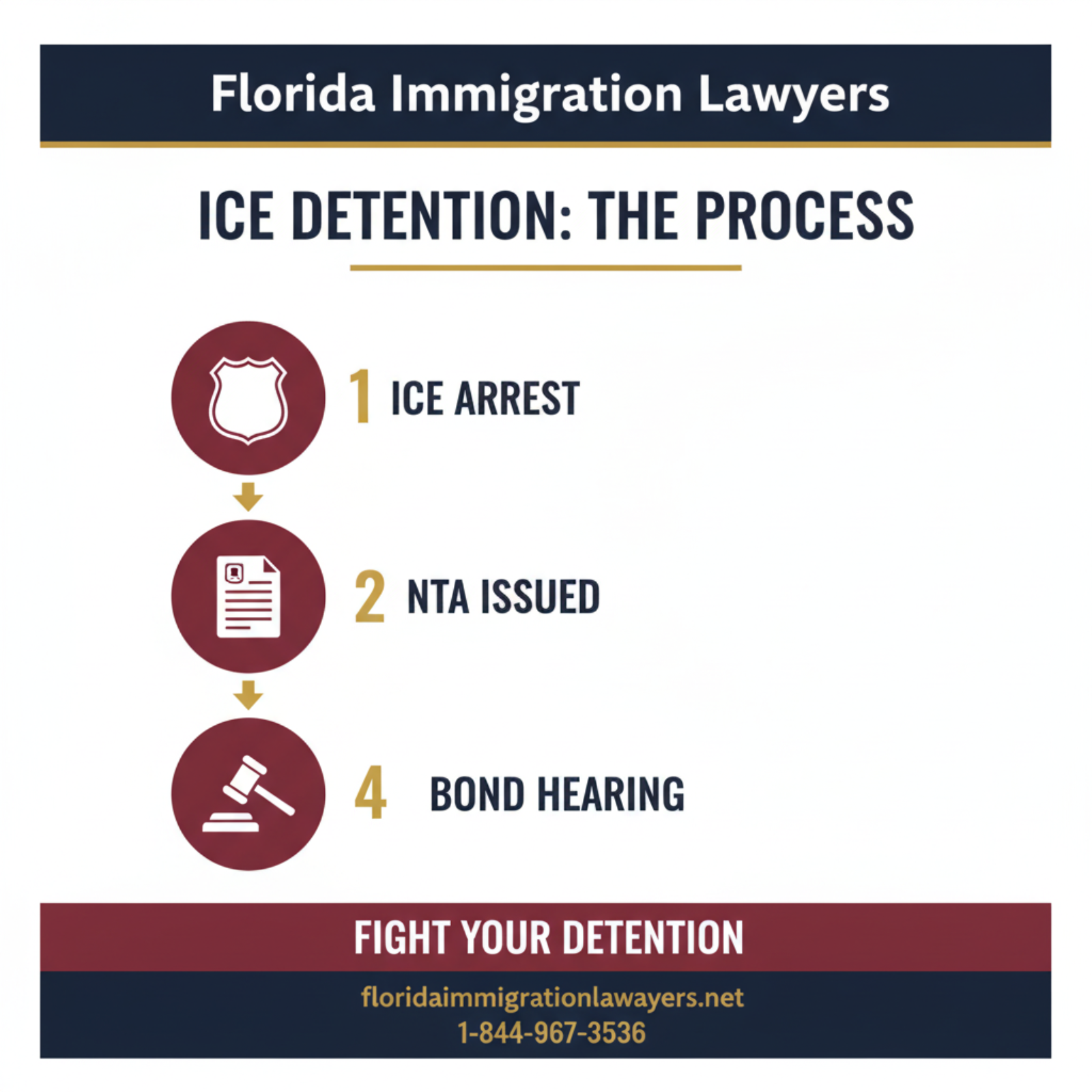
- Initial Encounter and Arrest: ICE agents may arrest you based on probable cause that you are deportable. This often occurs after a criminal arrest, during a traffic stop, or through targeted enforcement actions. You will typically be transported to an ICE processing center or a local jail contracted by ICE.
- Booking and Processing: At the detention facility, you will be fingerprinted, photographed, and interviewed. During this interview, you should invoke your right to remain silent and request an attorney. Do not provide any information beyond your name and country of birth without legal advice.
- Notice to Appear (NTA): If ICE determines you are deportable, you will be issued a Form I-862, Notice to Appear (NTA). This document formally initiates removal proceedings against you in immigration court, according to INA § 239 (8 U.S.C. § 1229). The NTA will specify the charges against you and instruct you to appear before an Immigration Judge.
- Custody Determination and Bond Hearing: ICE will make an initial custody determination. Some green card holders may be eligible for release on bond, while others might face mandatory detention, meaning they cannot be released on bond. If you are eligible, your attorney can request a bond hearing before an Immigration Judge to argue for your release. This is a critical step in any immigration detention Florida case.
- Immigration Court Proceedings: Your case will proceed through immigration court. This involves master calendar hearings (preliminary appearances) and individual hearings (where evidence is presented and arguments are made). Your attorney will help you prepare your defense, which could include challenging the charges, seeking forms of relief from removal, or requesting a bond.
- Potential Outcomes: Outcomes can vary widely, from release from detention and termination of proceedings, to a grant of relief (like asylum or adjustment of status), to an order of removal. An appeal process is available if the Immigration Judge's decision is unfavorable.
Essential Documents and Information for Your Defense
When facing green card holder ICE detention, having immediate access to critical documents and information is paramount. This can significantly expedite your defense and help your legal team build a strong case for your release or to prevent deportation. Organize these documents in advance if possible, or ensure a trusted family member knows where to find them.
A comprehensive document checklist helps your attorney understand your immigration history, criminal record (if any), and family ties. This information is vital for arguing against detention and presenting your case in immigration court. Do not underestimate the power of thorough preparation in these complex situations.
Document Checklist for Green Card Holders
Make sure you or your family can quickly gather these documents if an ICE arrests people with green cards in Florida:
- Your Permanent Resident Card (Green Card) - Form I-551
- Passport and any other travel documents
- Birth certificate
- Marriage certificate (if applicable)
- Children's birth certificates (if applicable)
- Documentation of any previous immigration applications or petitions (e.g., I-130, I-485 approvals)
- Copies of any criminal records, court dispositions, or police reports (even for minor offenses)
- Proof of continuous residence in the U.S. (e.g., utility bills, tax returns, employment records, school records)
- Medical records (especially if you have health issues that require specific care)
- Contact information for family members, employers, and any witnesses
- Your attorney's contact information (Florida Immigration Lawyers: 1-844-967-3536)
Timeline and Processing Expectations for Detention Cases
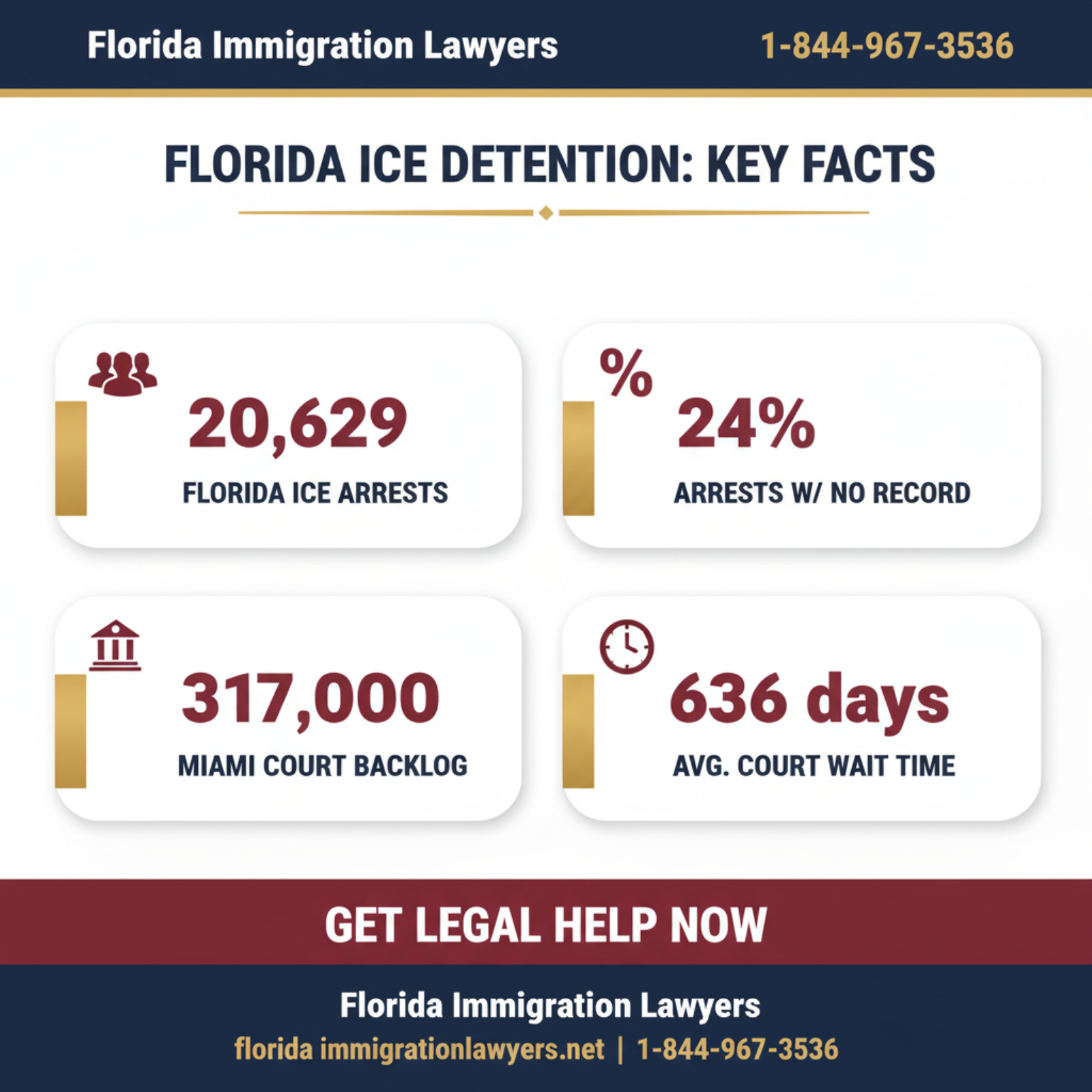
The timeline for a green card holder ICE detention case in Florida can be highly unpredictable. Several factors influence how long a person might be detained and how quickly their case moves through the immigration court system. These factors include the complexity of the case, the specific charges, the availability of court dates in Florida's immigration courts (such as Miami or Orlando), and the responsiveness of ICE.
Generally, individuals detained by ICE will have their initial custody review within a few days or weeks. Bond hearings, if eligible, can occur relatively quickly, but obtaining a final decision in removal proceedings can take months, or even years, especially if appeals are involved. The current backlog in immigration courts exacerbates these delays, making the process even more challenging for those in immigration detention Florida.
Factors Influencing Your Case Timeline
- Detention Location: Different ICE detention facilities in Florida (e.g., Krome Service Processing Center in Miami, Glades County Detention Center) may have varying processing times and access to resources.
- Case Complexity: Simple cases with clear eligibility for relief might resolve faster than complex cases involving aggravated felonies or multiple layers of appeal.
- Court Backlog: The sheer volume of cases in immigration courts across Florida can lead to significant delays in scheduling hearings.
- Legal Representation: Having an experienced immigration attorney can often help expedite processes, ensure deadlines are met, and present a strong case efficiently, potentially leading to a quicker resolution.
Cost Factors and Fee Breakdown in Detention Cases
Navigating a green card holder ICE detention case involves various costs, and it is important for families in Florida to be prepared. These costs typically include legal fees, potential bond amounts, and miscellaneous expenses. While the immediate focus is on securing release and preventing deportation, understanding the financial implications is crucial for planning.
Legal fees for immigration detention and removal defense cases can vary significantly based on the complexity of the case, the attorney's experience, and the amount of work required. Florida Immigration Lawyers operates with transparency regarding our fee structures, ensuring you understand the costs involved from the outset. We believe everyone deserves access to quality legal representation, especially during such a critical time.
Typical Expenses in Detention Cases
- Attorney Fees: These are the primary costs. They cover consultations, legal research, preparing and filing documents, representation in bond hearings and immigration court, and appeals. Fees can be hourly or a flat rate for specific stages of the case.
- Bond Amount: If a bond is granted, you will need to pay the specified amount to ICE for the individual's release. Bond amounts can range from a few thousand dollars to tens of thousands, depending on the individual's flight risk and danger to the community. This is a refundable amount, returned once the case concludes and all court appearances are met.
- Filing Fees: While less common in detention cases for green card holders unless applying for specific forms of relief, some applications to USCIS or the immigration court may have associated filing fees.
- Miscellaneous Costs: These might include fees for obtaining certified court documents, translation services, travel expenses for family members, or expert witness fees if required.
Do not navigate this complex and frightening process alone. The stakes are incredibly high when facing green card holder ICE detention in Florida. A wrong step or missed deadline could lead to permanent separation from your family and life in the U.S. Contact Florida Immigration Lawyers today at 1-844-967-3536 for expert legal guidance and tenacious advocacy. We are here to protect your rights and fight for your future.
Common Mistakes to Avoid During ICE Detention
Facing green card holder ICE detention is a challenging experience, and it is easy to make mistakes that could jeopardize your case. Being aware of these common pitfalls can help you avoid them and strengthen your defense. Understanding these errors is especially important for individuals and families in Florida who might be unfamiliar with the intricacies of immigration law.
- Voluntarily Signing Documents Without Legal Review: Never sign any document presented by ICE without fully understanding its contents and implications, and ideally, without first consulting an attorney. You could inadvertently waive your rights or agree to voluntary departure, which is a self-deportation.
- Providing False Information to ICE: Lying or providing misleading information to immigration officials can lead to severe penalties, including criminal charges and permanent bars to future immigration benefits. Always be truthful, but exercise your right to remain silent regarding questions that could incriminate you.
- Not Asserting Your Right to an Attorney: This is one of the most critical rights you have. Immediately state, "I want to speak to my lawyer" or "I will not answer any questions without my lawyer present." ICE agents are required to cease questioning once you invoke this right.
- Failing to Inform Family of Detention: If detained, try to inform a trusted family member or friend as soon as possible. They can then contact an attorney on your behalf, which is often the quickest way to get legal help.
- Not Disclosing All Criminal History to Your Attorney: Even seemingly minor past arrests or convictions, including those expunged, can have significant immigration consequences. Full disclosure to your attorney is essential for them to prepare a complete and effective defense against green card holder deportation risks.
- Missing Court Dates or Deadlines: Failure to appear for an immigration court hearing can result in an "in absentia" order of removal, meaning you are deported without a chance to present your case. Missing deadlines for filing documents can also lead to adverse outcomes.
- Believing a Green Card Offers Absolute Immunity: Many green card holders mistakenly believe they cannot be deported. This misconception can lead to complacency and a lack of preparedness when an ICE arrests people with green cards.
- Not Carrying Your Green Card: While not a direct mistake leading to detention, failing to carry your Permanent Resident Card (Form I-551) can complicate initial encounters with law enforcement or ICE, potentially leading to unnecessary delays or confusion about your status.
- Traveling Internationally Without Legal Consultation After a Criminal Offense: Even if you have a green card, certain criminal convictions can make you inadmissible to the U.S. If you travel outside the country, you could be denied re-entry at a port of entry, such as a Florida airport, and placed in detention.
- Abandoning Your Residency: Spending too much time outside the U.S. can be interpreted as abandoning your permanent residency, potentially leading to the loss of your green card upon re-entry.
When to Call a Lawyer for ICE Detention in Florida
The decision to contact an attorney should not be delayed when dealing with green card holder ICE detention. The moment you or a loved one is approached by ICE, arrested, or detained, legal counsel becomes indispensable. Immigration law is incredibly complex and constantly evolving, making it nearly impossible to navigate effectively without professional help. Florida Immigration Lawyers specializes in these urgent and sensitive cases.
Our dedicated team understands the unique challenges faced by permanent residents in Florida, including those in Homestead and surrounding areas. We are prepared to act swiftly to protect your rights, explore all avenues for release, and build a robust defense against deportation. We can intervene with ICE, represent you in bond hearings, and vigorously argue your case in immigration court.
Specific Scenarios Requiring Immediate Legal Help
- You or a family member is arrested by ICE: This is the most direct trigger for needing immediate legal intervention.
- You are issued a Notice to Appear (NTA): This document signals the start of removal proceedings. An attorney can help you understand the charges and prepare your defense.
- You are denied entry at a U.S. port of entry (e.g., a Florida airport) after international travel: This often leads to detention and potential removal proceedings.
- You have a criminal record, even a minor one, and are concerned about its immigration consequences: Proactive legal advice can help assess your green card holder deportation risks.
- You receive any communication from ICE or USCIS that you do not understand: Do not ignore or misinterpret official letters; seek clarification from an attorney.
- You are considering traveling internationally with a criminal history: Consult an attorney beforehand to avoid issues upon re-entry.
- You are a victim of a crime or domestic violence and fear how it might affect your immigration status: An attorney can advise on specific protections and relief options.
About Florida Immigration Lawyers
Florida Immigration Lawyers is a leading law firm dedicated to providing exceptional legal representation to immigrants and their families across the entire state of Florida. With a deep understanding of the complexities of U.S. immigration law, our experienced attorneys are committed to securing the best possible outcomes for our clients, including those facing green card holder ICE detention. We serve all communities, from Jacksonville to Miami, and specifically cater to the needs of residents in Homestead and surrounding areas.
Our firm offers a comprehensive range of immigration legal services, including defense against deportation, asylum claims, family-based immigration petitions, business immigration solutions, and naturalization assistance. We pride ourselves on our empathetic approach, ensuring every client feels heard, respected, and vigorously represented. We understand the fear and uncertainty that immigration challenges can bring, and we are here to provide clear guidance and unwavering support.
Why Choose Florida Immigration Lawyers?
- Expertise: Our attorneys possess extensive knowledge and experience in all facets of immigration law, including complex detention and deportation defense cases.
- Client-Centered Approach: We prioritize your needs, offering personalized strategies tailored to your unique situation.
- Bilingual Services: Se Habla Español. Our team is fully equipped to assist clients in both English and Spanish, ensuring clear communication.
- Accessibility: We are available 24/7 to respond to emergencies, including ICE detentions.
- Free Consultations: We offer free initial consultations to discuss your case and outline your options.
Do not face immigration challenges alone. Trust the dedicated professionals at Florida Immigration Lawyers. Call us today at 1-844-967-3536 to schedule your free consultation. Your future is our priority. You can also learn more about our team on our attorneys page or contact us directly.
Sources and References
- U.S. Citizenship and Immigration Services (USCIS)
- U.S. Immigration and Customs Enforcement (ICE)
- Executive Office for Immigration Review (EOIR)
- 8 U.S.C. Chapter 12 - Immigration and Nationality Act (INA) - Specifically, INA § 101(a)(43) (8 U.S.C. § 1101(a)(43)) on definitions, INA § 236 (8 U.S.C. § 1226) on apprehension and detention of aliens, and INA § 237 (8 U.S.C. § 1227) on deportable aliens, and INA § 239 (8 U.S.C. § 1229) on initiation of removal proceedings.
- 8 CFR (Code of Federal Regulations) Pertaining to Aliens and Nationality.
- USCIS Policy Manual.
This article provides general legal information and is not intended as legal advice. Every case is unique, and outcomes depend on specific facts and circumstances. Immigration laws are subject to change. Contact an attorney for advice about your particular situation. Florida Immigration Lawyers does not guarantee case outcomes or specific results.
If you or a loved one is facing green card holder ICE detention in Florida, time is of the essence. Your rights and future depend on swift, informed legal action. Do not delay in seeking professional help. Call Florida Immigration Lawyers now at 1-844-967-3536 for a free, confidential consultation. Se Habla Español - Estamos aquí para ayudarle.
Need help with Immigration?
Our Florida immigration attorneys offer free consultations. Call today or schedule online.
Frequently Asked Questions
Florida Immigration Lawyers
Legal Team
Our experienced attorneys at Florida Immigration Lawyers have been serving clients across Florida for over 20 years. We specialize in immigration, personal injury, criminal defense, workers compensation, and family law.