Naturalization Ceremony ICE Concerns Florida 2026: Rights,
Worried about ICE at your Florida naturalization ceremony in 2026? Understand your rights, potential risks, and how to protect yourself. Get expert legal guidance from Florida Immigration Lawyers.
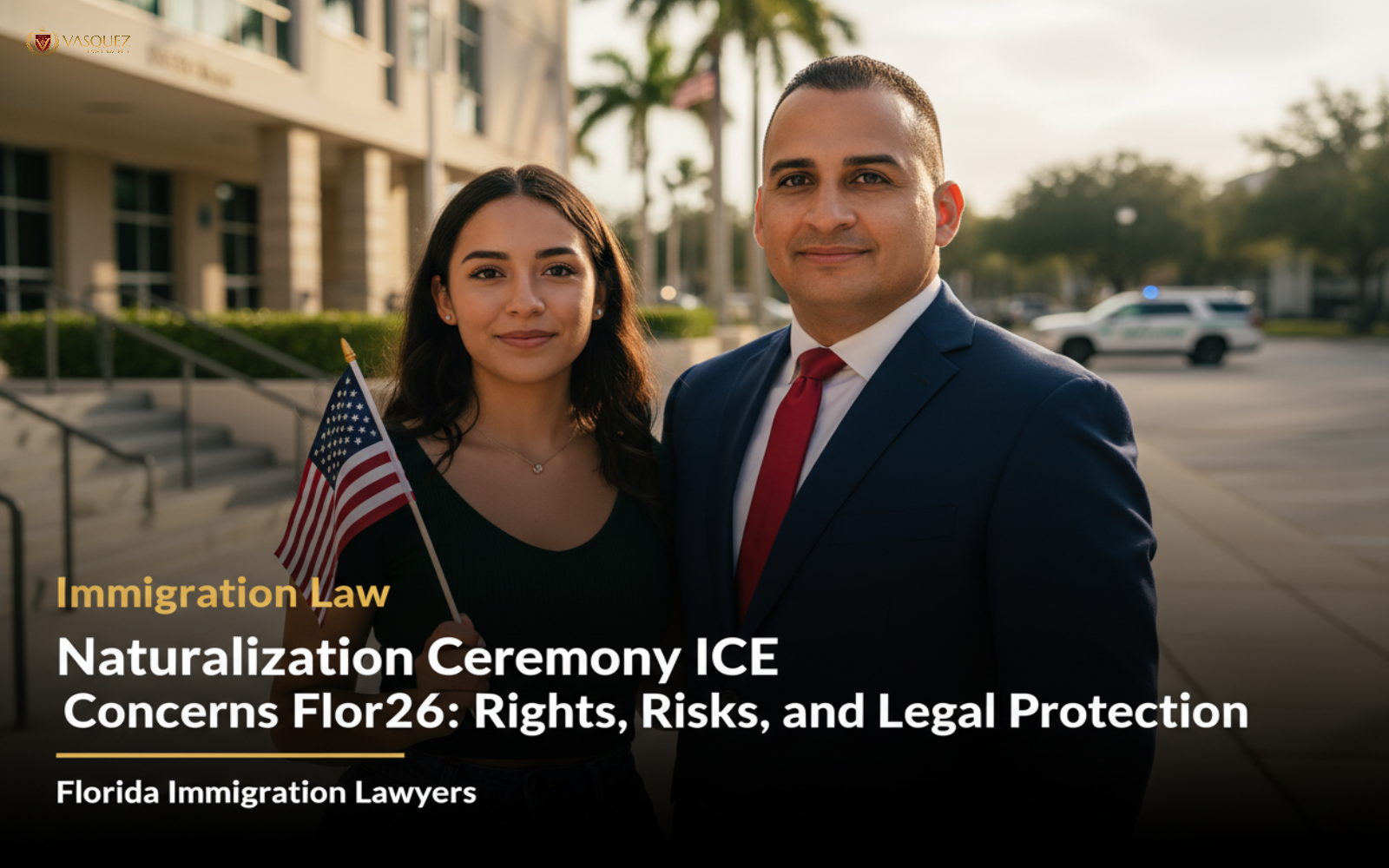
The journey to U.S. citizenship culminates in the deeply significant naturalization ceremony, a moment of pride and celebration for new Americans. However, for many immigrants in Florida, this momentous occasion is increasingly overshadowed by anxieties regarding the potential presence of U.S. Immigration and Customs Enforcement (ICE) officials. As we look towards 2026, understanding your rights and preparing for all eventualities is more crucial than ever. This comprehensive guide aims to equip you with the knowledge and resources necessary to navigate your naturalization ceremony with confidence, ensuring your path to citizenship is secure and free from undue stress.
Understanding Naturalization and the Ceremony
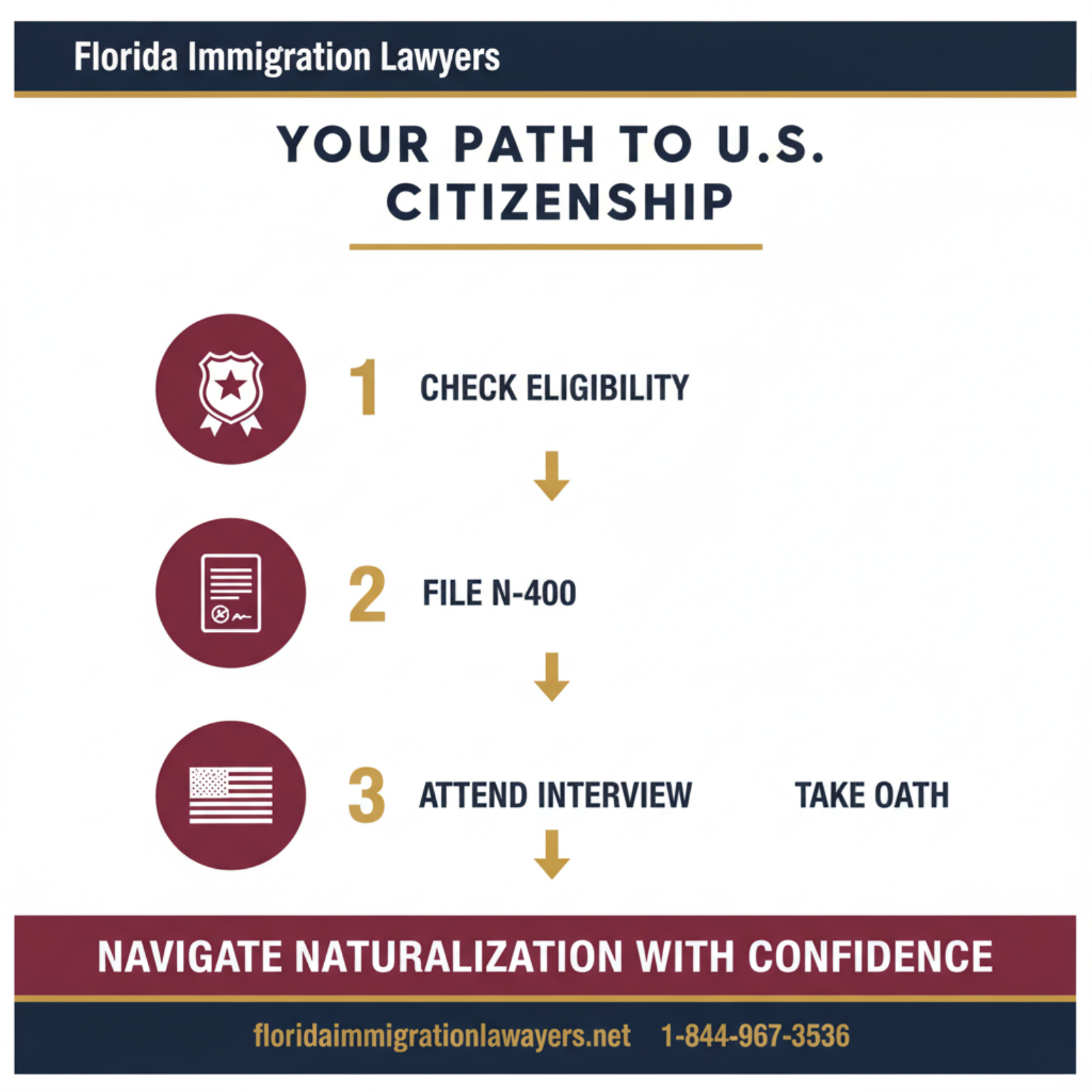
Naturalization is the process by which U.S. citizenship is granted to a foreign citizen or national after he or she has fulfilled the requirements established by Congress in the Immigration and Nationality Act (INA). It is the final step for many who have built their lives in the United States, offering full civic participation, including the right to vote, hold federal office, and travel with a U.S. passport. The naturalization ceremony itself is a solemn and joyous event where applicants take the Oath of Allegiance, officially becoming citizens. It's a public declaration of loyalty to the United States and a symbol of their commitment to the nation's values and laws. For comprehensive details on the naturalization process, visit USCIS.gov. Understanding the steps involved, from filing Form N-400 to the interview and final ceremony, is vital for a smooth process. Our firm also offers extensive guidance on various immigration practice areas, ensuring you have expert support at every stage of your journey.
The Rise of ICE Presence and Concerns at Naturalization Ceremonies
In recent years, there has been a noticeable increase in reports of ICE presence at or near naturalization ceremonies and other USCIS facilities. This trend has generated significant apprehension among applicants and their families, transforming what should be a celebratory event into a source of fear. While USCIS and ICE are both components of the Department of Homeland Security (DHS), their missions differ. USCIS is primarily responsible for administering lawful immigration benefits, while ICE is focused on enforcing immigration laws, including arrests and deportations. The concern arises when ICE enforcement activities intersect with USCIS benefit processing, particularly at public-facing events like naturalization ceremonies. The legal community and immigrant advocates have voiced strong objections to this practice, arguing that it creates a chilling effect, deterring eligible individuals from pursuing citizenship and undermining public trust in government institutions. The perceived shift towards more aggressive enforcement tactics has made it imperative for individuals to be fully aware of their rights and potential scenarios, especially in states like Florida, which has a large immigrant population and has seen increased state-level immigration enforcement discussions.
Your Rights at a Naturalization Ceremony
Even as you stand on the cusp of becoming a U.S. citizen, you retain fundamental constitutional rights. It is crucial to remember these rights, especially if you encounter ICE officials. Firstly, you have the right to remain silent. You are not obligated to answer questions about your immigration status, birthplace, or how you entered the U.S. if you are not under arrest. If you choose to speak, anything you say can be used against you. Secondly, you have the right to an attorney. If ICE agents attempt to question you or ask you to sign any documents, you should clearly state that you wish to speak with an attorney before answering any questions or signing anything. Do not sign any documents without understanding them fully and without legal counsel. Thirdly, you have the right to refuse a search. ICE agents generally need a warrant signed by a judge to search your person or belongings. If they do not have a warrant, you can refuse a search. Remember, these rights apply to everyone in the United States, regardless of immigration status. Knowing and asserting these rights can be your strongest defense. For more information on your civil rights, resources are available through the Department of Justice's Civil Rights Division.
Specific Considerations for Florida in 2026
Florida's political and demographic landscape presents unique challenges and considerations for immigrants, particularly concerning ICE enforcement. The state has a significant immigrant population and has, in recent years, enacted or considered various state-level immigration laws that can complicate federal enforcement efforts and create a more complex environment for non-citizens. As we look towards 2026, it is reasonable to anticipate continued vigilance from both federal and state authorities. Florida's stance on immigration issues can sometimes lead to increased scrutiny or collaboration between state and federal agencies, potentially impacting the atmosphere around events like naturalization ceremonies. This makes it even more critical for applicants to be well-informed and prepared. Understanding local nuances, such as specific county or city policies, in addition to federal guidelines, can provide an added layer of protection. Staying updated on legislative changes and enforcement trends in Florida is paramount. Consulting with local immigration attorneys who are intimately familiar with the state's legal environment is highly recommended to ensure you are fully prepared for any scenario. Our firm specializes in navigating complex immigration laws, including deportation defense, which becomes even more critical in an evolving enforcement landscape.
What to Do If ICE is Present
Encountering ICE at your naturalization ceremony can be intimidating, but knowing how to react calmly and assertively can make a significant difference. If you see ICE agents:
- Remain Calm: Panicking can lead to poor decisions. Take a deep breath and remember your rights.
- Do Not Run: Fleeing can be interpreted as an admission of guilt and can lead to immediate detention.
- Do Not Answer Questions: Politely state, "I do not wish to answer any questions without my attorney present."
- Do Not Sign Anything: Never sign any document presented by an ICE agent without first consulting with an attorney. You might be signing away your rights or agreeing to voluntary departure.
- Ask for an Attorney: Clearly and repeatedly state, "I want to speak with my attorney."
- Show, Don't Give, Documents: If asked for identification, you can show, but do not hand over, any documents that could be taken from you.
- Document Everything: If possible and safe to do so, note down badge numbers, names, agency, time, and location. If others are present, ask them to be witnesses.
Proactive Steps and Legal Preparation
Preparation is your strongest ally when facing potential ICE concerns. Before your naturalization ceremony, take several proactive steps to safeguard your rights and ensure a smooth process. First and foremost, consult with an experienced immigration attorney. An attorney can review your entire immigration history, identify any potential issues that might attract ICE attention, and advise you on how to address them proactively. They can also prepare you for potential questions and scenarios, ensuring you understand your rights thoroughly. Secondly, ensure all your personal and immigration documents are in order and readily accessible, but keep original sensitive documents in a secure place, not necessarily on your person at the ceremony. Have copies of your N-400 application, interview notice, and any other relevant USCIS correspondence. Thirdly, create an emergency plan. This plan should include contact information for your attorney, family members, and a trusted friend who can be notified if you are detained. Discuss with your family what steps to take if you are unable to return home. Knowing who to call and what information to provide can significantly reduce stress and ensure quick action if needed. Our dedicated attorneys are here to provide personalized guidance and support throughout this critical phase. Don't hesitate to contact us for a consultation to discuss your specific situation and develop a robust preparation strategy.
Addressing Other Immigration Concerns (e.g., Asylum, Deportation)
While the immediate focus might be on naturalization ceremonies, it's essential to recognize that immigration law is a complex and interconnected field. Concerns about ICE are often rooted in broader anxieties about immigration enforcement, which can impact individuals seeking various forms of relief. For instance, individuals who
No Navegue Este Proceso Solo
Nuestros abogados de inmigración con experiencia están listos para luchar por usted. Obtenga una consulta gratuita y confidencial hoy.
We Speak English
Florida Immigration Lawyers
Abogado de Inmigración | Fundador, Vasquez Law Firm
Veterano de la Fuerza Aérea de EE.UU. y abogado de inmigración con miles de casos resueltos. J.D., NCCU School of Law. Miembro de AILA. Admitido en los Circuitos 4.°, 5.° y 11.°
Disponible 24/7 - Consultas Gratis
Servicios legales relacionados
Nuestros abogados de inmigración en Florida pueden ayudarle con ciudadanía y naturalización, defensa contra deportación y protección de asilo. Llame hoy al 1-844-967-3536 para una consulta gratuita.
Enlaces Relacionados
Temas Relacionados
Consulta Legal Gratuita
Discuta su caso con nuestros abogados experimentados. Estamos disponibles 24/7.
Artículos Relacionados
Comprender las Demoras en la Solicitud de Ciudadanía en Florida
¿Enfrentando demoras en tu solicitud de ciudadanía en Florida? Aprende sobre las causas, cómo manejarlas y cuándo buscar ayuda legal. Nuestra guía proporciona información sobre el proceso del N-400 y ofrece consejos prácticos para solicitantes en Tallahassee. Contáctanos para una consulta gratuita.
Auto-petición VAWA para Cónyuges Abusados en Florida
Aprenda cómo presentar una auto-petición VAWA en Florida como cónyuge abusado. Descubra requisitos de elegibilidad, pasos del proceso y cuándo buscar ayuda legal. Llame a Florida Immigration Lawyers para una consulta gratuita.
Navegando el Perdón por Presencia Ilegal en Florida
Aprende sobre el perdón provisional I-601A por presencia ilegal en Florida. Esta guía cubre elegibilidad, pasos de solicitud, errores comunes y por qué es crucial consultar a un abogado. Contacta a Florida Immigration Lawyers para una consulta gratuita.