Immigration Appeal Florida: BIA Process for Gainesville
Facing an immigration appeal in Florida? Learn about the BIA process, common mistakes, and how Florida Immigration Lawyers can help. Contact us for a free consultation.
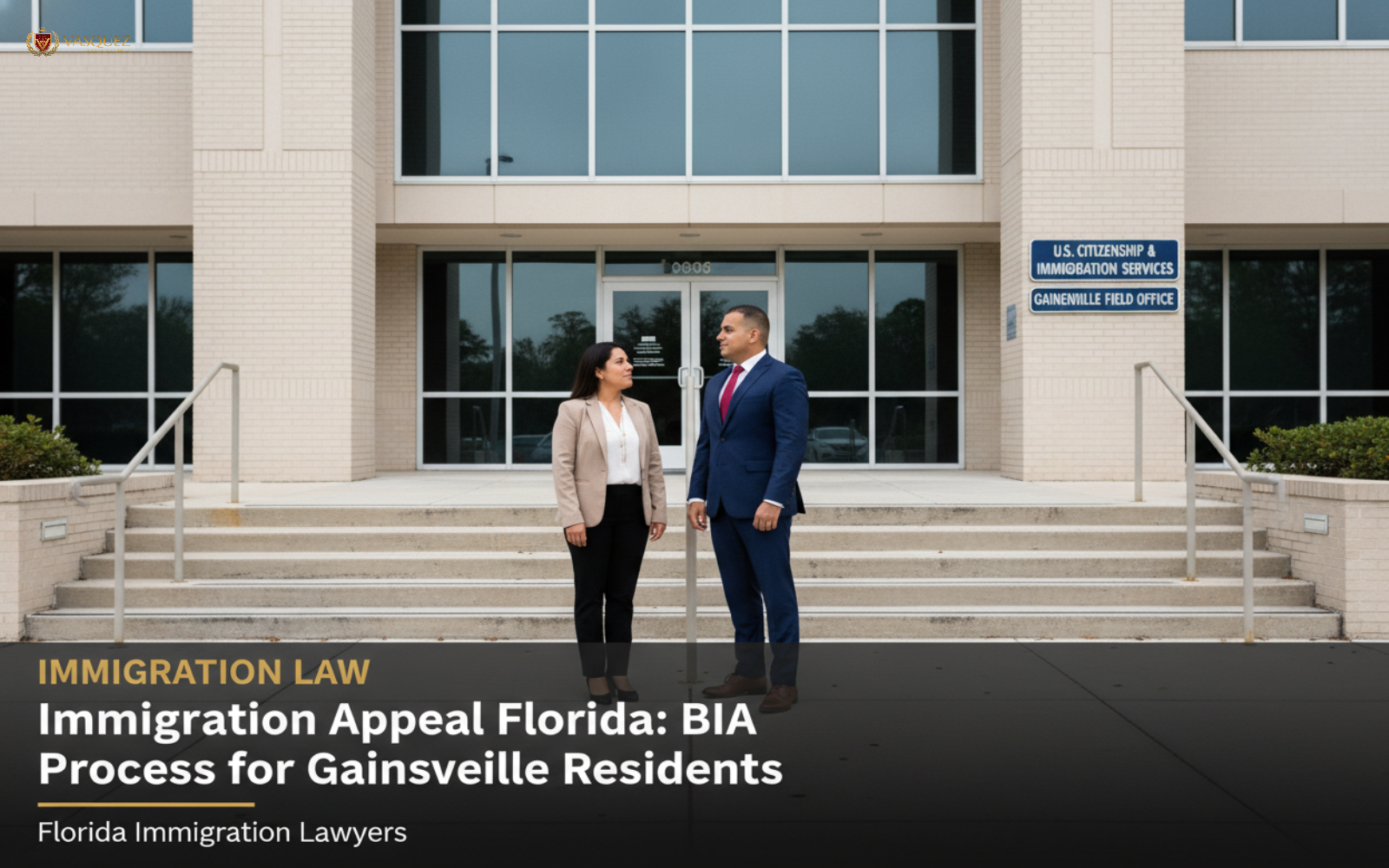
An immigration appeal in Florida involves challenging an unfavorable decision from an immigration judge or USCIS before the Board of Immigration Appeals (BIA). This administrative process offers a critical opportunity to present legal arguments and evidence for reconsideration. Understanding the BIA's requirements and deadlines is crucial for anyone seeking to overturn a previous ruling.
- Appeals challenge immigration judge or USCIS decisions.
- The BIA is the highest administrative appellate body.
- Strict deadlines apply to filing an appeal.
- Legal representation significantly improves appeal chances.
- Success depends on strong legal arguments and evidence.
Receiving an unfavorable decision in your immigration case can feel devastating. Whether it's a denial from USCIS or an order from an immigration judge in Florida, you might feel like your dreams are slipping away. However, an adverse ruling is often not the final word. You may have the right to file an immigration appeal, offering a crucial second chance to present your case.
This detailed guide will walk you through the complexities of the Board of Immigration Appeals (BIA) process, specifically for residents of Gainesville and across Florida. We will cover everything from understanding the appeals process to common pitfalls and how experienced legal counsel can make a difference. Do not face this challenging period alone. Call Florida Immigration Lawyers at 1-844-967-3536 for a free consultation to discuss your options.
Understanding the Immigration Appeal Process in Florida
An immigration appeal allows you to challenge a decision made by an immigration court or the U.S. Citizenship and Immigration Services (USCIS). This process is vital for many individuals and families in Florida who believe their case was wrongly decided. The goal is to have a higher authority review the decision and potentially overturn it, leading to a favorable outcome for your immigration status.
The primary administrative body for these appeals is the Board of Immigration Appeals (BIA). Located within the Department of Justice, the BIA reviews decisions from immigration judges nationwide, including those from Florida's immigration courts in Miami and Orlando. They also review certain decisions made by USCIS officers.
What Decisions Can Be Appealed to the BIA?
Generally, you can appeal a wide range of adverse decisions to the BIA. This includes deportation or removal orders issued by an immigration judge, denials of asylum claims, and certain visa petition denials. The specific type of decision will dictate the exact appeal procedures and forms required.
It is important to understand that not all decisions are appealable. For instance, some discretionary decisions may have limited review options. Consulting with an attorney is essential to determine if your specific adverse ruling qualifies for an immigration appeal.
The Role of the Board of Immigration Appeals (BIA)
The Board of Immigration Appeals (BIA) serves as the highest administrative body for interpreting and applying immigration laws. Their decisions are binding on all immigration judges and USCIS officers unless overturned by the Attorney General or a federal court. The BIA typically reviews cases based on the existing record, meaning they generally do not hear new testimony or accept new evidence unless specific conditions are met, such as a motion to reopen.
The BIA process is a critical step before potentially seeking review in the federal court system. Their review focuses on whether the immigration judge or USCIS officer made legal errors or abused their discretion in reaching their decision. This requires a thorough understanding of immigration law and procedure.
Step-by-Step Guide to Filing an Immigration Appeal
Navigating an immigration appeal can be complex, but breaking it down into manageable steps helps. Here is a general overview of the process for those in Gainesville and throughout Florida:
- Receive the Adverse Decision: Your appeal journey begins when you receive a written decision from an immigration judge or USCIS that is unfavorable. This document will typically explain the reasons for the denial or order.
- Determine Appealability and Deadlines: Crucially, you generally have only 30 calendar days from the date of the immigration judge's oral decision or the mailing date of a written USCIS decision to file a Notice of Appeal. Missing this deadline can forfeit your right to appeal.
- File Form EOIR-26, Notice of Appeal: If appealing an immigration judge's decision, you must file Form EOIR-26, Notice of Appeal to the Board of Immigration Appeals, with the BIA. This form must be properly completed and often accompanied by the required fee or a fee waiver request.
- File Your Brief: After filing the Notice of Appeal, you will typically be given a deadline to submit a written brief. This brief is your opportunity to present detailed legal arguments, cite relevant statutes, regulations, and case law, and explain why the original decision was incorrect. This is where your attorney's expertise is invaluable.
- BIA Review and Decision: The BIA will review your appeal, considering the arguments in your brief and the existing record from the lower court or agency. They may issue a decision without oral argument, or in rare cases, schedule a hearing.
- Receive BIA Decision: The BIA will issue a written decision affirming the original ruling, remanding the case back to the immigration judge for further proceedings, or sustaining your appeal and reversing the original decision.
- Further Appeals (if applicable): If the BIA denies your appeal, you may have the option to seek review in a U.S. Circuit Court of Appeals. This is a federal court appeal, which is a separate and even more complex process.
Essential Document Checklist for Your BIA Appeal
A successful immigration appeal relies heavily on a meticulously prepared record and proper documentation. While specific documents vary by case, here is a general checklist of items you will likely need:
- Form EOIR-26, Notice of Appeal: The official form to initiate an appeal from an immigration judge's decision.
- Copy of the Immigration Judge's Decision: A clear copy of the order you are appealing.
- Fee or Fee Waiver Request: The required filing fee or Form EOIR-26A, Fee Waiver Request, if you qualify.
- Detailed Legal Brief: A comprehensive written argument outlining the errors in the previous decision and citing legal authority.
- Supporting Evidence (Original Record): All documents, affidavits, and exhibits that were part of your original immigration court or USCIS case record. The BIA generally reviews only the existing record.
- Proof of Service: Documentation showing that you properly served all required parties (e.g., DHS counsel).
- Any Relevant Case Law or Statutes: Specific legal precedents or laws that support your arguments.
Ensuring all documents are correctly filed and organized is paramount. Mistakes in this stage can lead to delays or even dismissal of your appeal. An experienced attorney from Florida Immigration Lawyers can help you compile and organize these crucial materials.
Timeline and Processing Expectations for a BIA Appeal
The time it takes for the Board of Immigration Appeals (BIA) to render a decision can vary significantly. Many factors influence the processing timeline, including the complexity of your case, the BIA's current caseload, and whether additional submissions are requested. For residents of Gainesville and across Florida, managing expectations about the duration of an appeal is important.
Typical Processing Duration
Generally, a BIA appeal can take anywhere from six months to several years to be decided. Simple cases with clear legal errors might be resolved more quickly. However, cases involving complex legal questions, extensive records, or requests for additional briefs can take much longer. The BIA aims to process cases efficiently, but the sheer volume of appeals can create delays.
For example, if the BIA remands your case back to the immigration judge, the overall process will be extended further. Each step, from filing the notice to submitting the brief and awaiting a decision, adds to the total time. Patience is a virtue, but vigilance in tracking your case is also necessary.
Factors Influencing Appeal Timelines
- Case Complexity: Cases involving novel legal issues or extensive factual disputes often take longer.
- BIA Caseload: The BIA processes thousands of appeals annually. Fluctuations in their workload can impact individual processing times.
- Motions and Remands: Filing a motion to reopen or a motion to reconsider, or if the BIA remands the case, will extend the timeline.
- Attorney General Review: In rare instances, the Attorney General may refer a case for review, which significantly prolongs the process.
- Geographic Location: While the BIA is a national body, the processing of initial filings from Florida's immigration courts can sometimes have regional nuances in initial handling.
Staying informed about your case status is important. Your immigration attorney can help you track your appeal and provide updates as they become available. We understand the anxiety that comes with waiting for a decision, and we are here to support you.
Cost Factors and Fee Breakdown for an Immigration Appeal
Understanding the financial aspects of an immigration appeal is a crucial part of planning your legal strategy. The total cost can include several components, from government filing fees to legal representation costs. These fees are subject to change, so always verify the most current amounts directly with USCIS or the Executive Office for Immigration Review (EOIR).
Government Filing Fees
When you file an immigration appeal with the BIA, there is typically a filing fee required by the government. As of 2026, this fee is paid to the Department of Homeland Security (DHS) for appeals from immigration judge decisions. It is essential to submit the correct fee amount with your Form EOIR-26, or your appeal may be rejected. For certain low-income individuals, a fee waiver (Form EOIR-26A) may be available. You can find current fee information on the Executive Office for Immigration Review (EOIR) website.
Legal Representation Costs
Attorney fees constitute a significant portion of the overall cost for most appellants. The complexity of an administrative decision immigration court appeal, the amount of time required to prepare the brief, and the attorney's experience all influence these costs. While legal fees can seem substantial, the investment in experienced legal counsel can be invaluable. An attorney can significantly improve your chances of success, potentially saving you from deportation or securing your immigration benefits.
Florida Immigration Lawyers offers transparent fee structures and will discuss all costs upfront during your free consultation. We understand the financial pressures our clients face and strive to provide high-quality legal services at reasonable rates. Do not let cost deter you from seeking the justice you deserve in your immigration appeal.
Do not navigate this complex process alone. An adverse immigration ruling can have profound consequences for your future in Florida. The stakes are incredibly high, and the legal landscape is constantly shifting. Contact Florida Immigration Lawyers today to ensure your appeal is handled with the diligence and expertise it requires. We are ready to fight for your rights.
Common Mistakes to Avoid in Your Immigration Appeal
Filing an immigration appeal is a delicate process where small errors can lead to significant setbacks. Being aware of these common mistakes can help you avoid them and strengthen your chances of success:
- Missing the Filing Deadline: This is perhaps the most critical mistake. You generally have only 30 calendar days to file your Notice of Appeal. Missing this deadline, even by one day, almost always results in the dismissal of your appeal.
- Failing to Pay the Correct Fee or File a Fee Waiver: Submitting an appeal without the required fee or a properly completed fee waiver application will lead to rejection. Always verify current fees.
No Navegue Este Proceso Solo
Nuestros abogados de inmigración con experiencia están listos para luchar por usted. Obtenga una consulta gratuita y confidencial hoy.
We Speak English
O deje sus datos y le llamamos:
Evaluación Gratis en 24 Horas
O hable con nosotros ahora

Asistente de voz IA — disponible 24/7
GratisPreguntas Frecuentes

William J. Vásquez
Abogado Fundador · Vasquez Law Firm
Veterano de la Fuerza Aérea de EE.UU. y abogado de inmigración con años de experiencia práctica en inmigración de EE.UU. J.D., NCCU School of Law. Miembro de AILA. Admitido en los Circuitos 4.º, 5.º y 11.º.
Disponible 24/7 - Consultas Gratis
Revisado para exactitud legal por William J. Vásquez
Con licencia en Carolina del Norte; la inmigración a EE.UU. es una práctica federal.
Servicios legales relacionados
Nuestros abogados de inmigración en Florida pueden ayudarle con consulta gratis de inmigración, áreas de práctica de inmigración y servicios de inmigración familiar. Llame hoy al 1-844-967-3536 para una consulta gratuita.
Enlaces Relacionados
Temas Relacionados
Consulta Legal Gratuita
Discuta su caso con nuestros abogados experimentados. Estamos disponibles 24/7.
Artículos Relacionados
Abogado de Inmigración Orlando Consulta Gratis 2026
Navegar las complejidades de la ley de inmigración de EE. UU. requiere orientación experta. Para aquellos en Orlando y en toda Florida, una consulta gratuita con un abogado de inmigración puede proporcionar información crucial sobre sus opciones legales sin compromiso financiero. Esta guía completa de Florida Immigration Lawyers detalla por qué una consulta inicial es esencial, qué servicios ofrecen los abogados de inmigración, el proceso paso a paso, los plazos típicos y los costos asociados. También destacamos los errores comunes a evitar y cuándo es crítico buscar asistencia legal profesional. Nuestra firma atiende a toda Florida, incluyendo Naples y el Condado de Collier, asegurando una representación accesible y de alta calidad para familias, negocios, solicitantes de asilo y personas que enfrentan la deportación. Comprenda sus derechos y construya un caso sólido con socios legales de confianza.
Abogado de Inmigración OPT STEM: Guía Florida 2026
Para los estudiantes F-1 en Florida, la extensión OPT STEM ofrece una autorización de trabajo vital de 24 meses después de su OPT inicial. Esta guía, actualizada para 2026, cubre la elegibilidad, el proceso de solicitud paso a paso, los documentos requeridos y los plazos críticos. Los graduados de universidades de Florida en campos STEM deben navegar por las estrictas regulaciones de USCIS, incluido el requisito del empleador E-Verify. Aprenda cómo evitar errores comunes y cuándo buscar asistencia legal profesional de un abogado de inmigración OPT STEM dedicado para garantizar una solicitud exitosa y un crecimiento profesional continuo en EE. UU. Florida Immigration Lawyers ofrece orientación experta a estudiantes en todo el estado.
Abogado de Doble Ciudadanía: Gestionando Retrasos en Florida
Enfrentar retrasos en la ciudadanía en Florida puede ser un desafío, pero comprender el proceso y conocer sus opciones es clave. Aprenda cómo un abogado de doble ciudadanía puede ayudarlo a navegar el procesamiento del N-400 y los atrasos en USCIS en Hialeah.