H-1B Visa Florida Employers Guide 2026: Sponsoring Talent
Florida employers, navigate the H-1B visa process for 2026. Our comprehensive guide covers requirements, costs, compliance, and effective sponsorship strategies. Secure top talent with expert legal support.
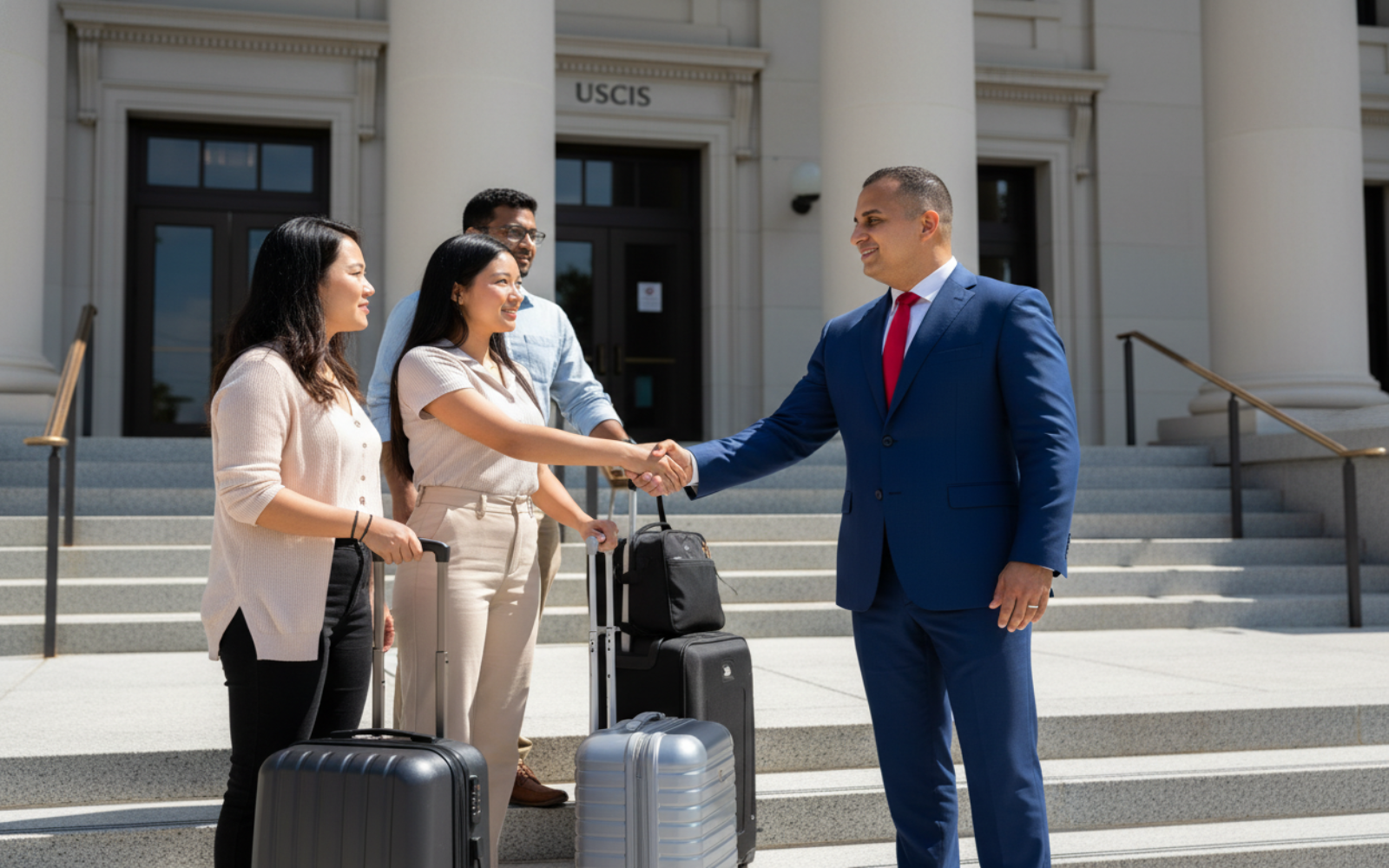
H-1B Visa Florida Employers Guide 2026: Sponsoring Talent
Florida's dynamic economy continues to attract top-tier talent from around the globe. For many employers in the Sunshine State, the H-1B visa program is a critical pathway to securing specialized skills and fostering innovation. As we look towards 2026, understanding the intricacies of H-1B sponsorship is more important than ever, especially with evolving regulations and the highly competitive annual lottery.
This comprehensive guide is designed to equip Florida employers with the knowledge and strategies needed to successfully navigate the H-1B visa process. From eligibility requirements and the annual cap to detailed costs and compliance obligations, we cover every essential aspect. Our goal is to demystify the process, helping you attract and retain the international professionals vital to your company's growth. For personalized assistance and expert legal counsel, we invite you to explore our dedicated immigration practice areas.
Understanding the H-1B Visa Program
The H-1B visa is a non-immigrant visa that allows U.S. employers to temporarily employ foreign workers in specialty occupations. A specialty occupation generally requires a bachelor's degree or higher in a specific field, or its equivalent, as a minimum entry requirement. This includes professions in fields like IT, engineering, medicine, education, and many others crucial to Florida's diverse industries.
Each fiscal year, the U.S. government sets a cap on the number of H-1B visas issued. The annual regular cap is 65,000, with an additional 20,000 visas reserved for those with a U.S. master's degree or higher (the 'master's cap'). Due to overwhelming demand, the number of petitions often far exceeds the available visas, necessitating a lottery system to select eligible registrations. Employers must understand that the H-1B is a dual-intent visa, meaning the beneficiary can simultaneously seek lawful permanent residency in the U.S. without jeopardizing their H-1B status. This makes it an attractive option for long-term talent retention strategies.
Key Steps for Florida Employers in the H-1B Process
Sponsoring an H-1B visa involves several critical stages, each with specific requirements and deadlines. Missing a step or failing to adhere to regulations can lead to significant delays or even denial of the petition. Here's a breakdown of the essential phases:
Initial Assessment and LCA Filing
Before an H-1B petition can be filed, employers must determine if the position qualifies as a 'specialty occupation' and if the prospective employee meets the educational and experience requirements. A crucial preliminary step is filing a Labor Condition Application (LCA), Form ETA Form 9035, with the U.S. Department of Labor (DOL). The LCA attests that the employer will pay the H-1B worker at least the prevailing wage for the occupation in the area of intended employment or the actual wage paid to other employees with similar experience and qualifications, whichever is higher. It also confirms that working conditions will not adversely affect other employees and that there is no strike or lockout. The DOL typically certifies an LCA within 7 business days, after which the employer can proceed with the H-1B petition. Employers must maintain a public access file for each LCA, documenting compliance with these attestations.
The H-1B Petition (Form I-129)
Once the LCA is certified, the employer can prepare and file Form I-129, Petition for a Nonimmigrant Worker, with U.S. Citizenship and Immigration Services (USCIS). This is the core of the H-1B application. The petition must include the certified LCA, evidence that the position is a specialty occupation, documentation of the beneficiary's qualifications (degrees, transcripts, evaluations), and a copy of the employment offer. For cap-subject petitions, this step follows a successful lottery selection. The petition package is extensive and requires meticulous attention to detail, often including supporting letters, organizational charts, and detailed job descriptions. USCIS reviews the petition to ensure all regulatory requirements are met, and if approved, the beneficiary is granted H-1B status.
Post-Approval Steps and Compliance
After the H-1B petition is approved by USCIS, the process isn't over. If the beneficiary is already in the U.S. and changing status, their H-1B status becomes active on October 1st (for cap-subject petitions). If the beneficiary is outside the U.S., they must attend a visa interview at a U.S. embassy or consulate in their home country to obtain an H-1B visa stamp in their passport. Information on consular processing can be found on travel.state.gov. Upon entry to the U.S., employers must complete Form I-9, Employment Eligibility Verification, to confirm the employee's authorization to work. Ongoing compliance is critical, including maintaining the public access file, paying the required wage, and notifying USCIS of any material changes to the employment terms or location. Failure to comply can result in severe penalties.
Navigating the H-1B Lottery in 2026
The H-1B lottery system is a defining feature of the program, particularly for cap-subject petitions. For the 2026 fiscal year, employers will likely follow a similar electronic registration process as in previous years. This involves creating a USCIS online account and submitting a registration for each prospective H-1B employee during a specified registration period, typically in March of the preceding fiscal year (e.g., March 2025 for FY 2026). Each registration requires a $10 fee. USCIS then conducts a random lottery selection from the submitted registrations. Only those registrations selected in the lottery are eligible to file a full H-1B petition. Employers are typically notified of selections by the end of March, and selected petitions can be filed starting April 1st for an October 1st start date. The lottery's unpredictability underscores the importance of early planning and considering alternative visa options. Multiple registrations for the same beneficiary by different employers are permissible, but duplicate registrations by the same employer for the same beneficiary are prohibited and can lead to disqualification. Staying informed about the latest announcements from uscis.gov is crucial.
Costs Associated with H-1B Sponsorship
Sponsoring an H-1B visa involves various fees that employers must be prepared to cover. These costs can vary based on company size and whether premium processing is utilized.
Government Filing Fees
- USCIS Filing Fee (Form I-129): $460
- American Competitiveness and Workforce Improvement Act (ACWIA) Fee: $750 for employers with 1-25 full-time equivalent employees, or $1,500 for employers with 26 or more full-time equivalent employees. This fee supports U.S. worker training and education programs.
- Fraud Prevention and Detection Fee: $500. This fee applies to all initial H-1B petitions and petitions for beneficiaries changing employers.
- Public Law 114-113 Fee (if applicable): An additional $4,000 fee applies to employers with 50 or more employees, where more than 50% of their U.S. workforce are H-1B or L-1 nonimmigrants. This fee is subject to change based on legislative updates.
- H-1B Registration Fee: $10 per registration (non-refundable).
These fees are generally the employer's responsibility and cannot be passed on to the employee, except for certain premium processing fees.
Attorney Fees and Other Expenses
Beyond government fees, employers should budget for legal representation. Attorney fees for H-1B petitions can range significantly, typically from $2,000 to $5,000 or more, depending on the complexity of the case, the law firm's experience, and the services included. These fees cover the preparation and filing of the LCA, Form I-129, and all supporting documentation, as well as communication with USCIS. Additional costs may include:
- Premium Processing Fee: $2,805. This optional fee guarantees USCIS will process the petition within 15 calendar days. While the employer is generally responsible for this fee, it can be paid by the beneficiary if they request it for personal reasons, provided it is not a requirement for the job.
- Educational Credential Evaluations: If the foreign degree is not from a U.S. institution, an expert evaluation may be required, costing $100-$300.
- Translation Costs: For any foreign-language documents, certified translations will be necessary.
Understanding the full financial commitment upfront is crucial for budget planning and ensuring a smooth sponsorship process.
Common Challenges and Best Practices for Employers
While the H-1B program offers immense benefits, employers often face challenges that require strategic planning and diligent execution. Being proactive can mitigate risks and streamline the process.
Maintaining Compliance and Avoiding Pitfalls
Compliance is paramount throughout the H-1B employment period. Employers must strictly adhere to the terms of the certified LCA, including paying the prevailing wage, providing appropriate working conditions, and maintaining the public access file. Any material changes to the H-1B employee's job duties, salary, or work location may necessitate filing an amended H-1B petition. Failure to comply with these regulations can lead to investigations by the Department of Labor, significant fines, debarment from future immigration programs, and reputational damage. Employers should also be aware of anti-discrimination provisions related to H-1B workers, ensuring fair treatment in hiring and employment practices, as outlined by agencies like the Department of Justice (justice.gov). Regular internal audits and robust record-keeping are best practices to ensure continuous compliance and readiness for potential scrutiny. Partnering with an experienced immigration law firm can provide invaluable guidance in navigating these complex compliance requirements and avoiding common pitfalls.
Strategic Planning for Future Talent Needs
Given the H-1B cap and lottery system, strategic long-term planning is essential for Florida employers relying on international talent. This includes identifying talent needs well in advance, exploring alternative visa categories (e.g., L-1 for intracompany transferees, O-1 for individuals with extraordinary ability, TN for Canadian and Mexican professionals), and understanding the timelines involved. Developing a robust talent pipeline that considers both domestic and international recruitment strategies can help mitigate the risks associated with the H-1B lottery. For instance, sponsoring F-1 students for Optional Practical Training (OPT) and then transitioning them to H-1B can be an effective strategy. Furthermore, staying updated on potential legislative changes to the H-1B program and broader immigration policies is crucial for adapting recruitment strategies. A comprehensive immigration strategy, which might even touch upon complex areas like asylum or deportation defense for other employees, ensures your organization is prepared for various immigration scenarios.
Why Partner with an Experienced Immigration Law Firm?
The H-1B visa process is notoriously complex, with stringent requirements, tight deadlines, and high stakes. Navigating it successfully demands a deep understanding of immigration law and a meticulous approach to documentation. An experienced immigration law firm provides invaluable expertise, ensuring your petitions are prepared accurately and strategically, maximizing your chances of approval.
Our attorneys can guide you through every stage, from initial eligibility assessment and LCA filing to petition preparation, RFE responses, and ongoing compliance. We stay abreast of the latest regulatory changes and USCIS policies, offering proactive advice to help you avoid common pitfalls. Partnering with legal experts not only saves you time and resources but also provides peace of mind, allowing you to focus on your core business operations while we handle the intricacies of immigration law. Learn more about our team and their expertise by visiting our attorneys page.
Conclusion
The H-1B visa program remains a cornerstone for Florida employers seeking to attract and retain specialized international talent. While the process involves significant commitment and complexity, a thorough understanding of the requirements, costs, and best practices can pave the way for successful sponsorship. By strategically planning, meticulously preparing, and diligently complying with regulations, Florida businesses can leverage the H-1B program to enhance their workforce and drive innovation.
Don't let the complexities of immigration law deter you from securing the talent your business needs. Our dedicated team of immigration lawyers is here to provide the expert guidance and support necessary to navigate the H-1B process effectively. For a consultation or to discuss your specific H-1B sponsorship needs for 2026, please do not hesitate to contact us today.
No Navegue Este Proceso Solo
Nuestros abogados de inmigración con experiencia están listos para luchar por usted. Obtenga una consulta gratuita y confidencial hoy.
We Speak English
Preguntas Frecuentes
Florida Immigration Lawyers
Abogado de Inmigración | Fundador, Vasquez Law Firm
Veterano de la Fuerza Aérea de EE.UU. y abogado de inmigración con miles de casos resueltos. J.D., NCCU School of Law. Miembro de AILA. Admitido en los Circuitos 4.°, 5.° y 11.°
Disponible 24/7 - Consultas Gratis
Servicios legales relacionados
Nuestros abogados de inmigración en Florida pueden ayudarle con ciudadanía y naturalización, defensa contra deportación y protección de asilo. Llame hoy al 1-844-967-3536 para una consulta gratuita.
Enlaces Relacionados
Temas Relacionados
Consulta Legal Gratuita
Discuta su caso con nuestros abogados experimentados. Estamos disponibles 24/7.
Artículos Relacionados
Certificación de Visa U por Aplicación de la Ley en Florida
Explora el proceso de certificación de la visa U en Florida con un enfoque en St. Petersburg. Aprende sobre los pasos clave, errores comunes y cuándo buscar ayuda legal. Contacta a Florida Immigration Lawyers para obtener orientación experta.
Petición I-360 Viuda Florida: Auto-Petición Tras Pérdida
Perder a un cónyuge ciudadano estadounidense puede ser devastador, pero una petición I-360 de viuda ofrece un camino compasivo hacia la residencia permanente para cónyuges sobrevivientes elegibles en Florida. Esta auto-petición le permite buscar una tarjeta de residencia sin el patrocinio de su cónyuge, siempre que cumpla con criterios específicos como presentar la solicitud dentro de los dos años posteriores a su fallecimiento y probar un matrimonio de buena fe. El proceso implica documentación meticulosa, cumplimiento de plazos estrictos y una navegación cuidadosa de los requisitos de USCIS. Abogados de Inmigración de Florida se especializa en guiar a las personas a través de este complejo viaje, ofreciendo asesoramiento legal experto y apoyo compasivo. Conozca la elegibilidad, los documentos requeridos, los plazos y los errores comunes a evitar. Nuestra firma se dedica a ayudarle a asegurar su futuro en los Estados Unidos, ofreciendo consultas gratuitas en toda Florida.
Consejos para Prepararse para Entrevistas de Inmigración en
Prepararse para una entrevista de inmigración en Florida implica entender los procedimientos de USCIS, reunir los documentos necesarios y practicar preguntas comunes de entrevista. Esta guía ofrece consejos esenciales para el éxito. Contacta a Florida Immigration Lawyers para asistencia experta y una consulta gratuita.
