Exclusive Citizenship Act of 2025: What Florida...
Understand the Exclusive Citizenship Act of 2025 and its potential impact on Florida residents. Learn how this proposed bill could affect dual citizenship. Contact our Florida immigration lawyers for a free consultation.
Exclusive Citizenship Act of 2025: What Florida Residents Need to Know
The landscape of U.S. immigration law is constantly evolving, and proposed legislation often brings significant changes that can deeply impact millions. One such piece of legislation generating considerable discussion is the proposed Exclusive Citizenship Act of 2025. While still in its early stages, understanding its potential implications is crucial, especially for Florida residents, a state known for its diverse population and strong international ties. This act, if passed, could redefine what it means to be a U.S. citizen, particularly for those holding dual nationality or considering it.
For many, the concept of dual citizenship has offered a bridge between cultures, allowing individuals to maintain ties and responsibilities in more than one nation. However, the Exclusive Citizenship Act aims to challenge this established norm, potentially requiring individuals to choose a single national allegiance. This article will delve into the specifics of the proposed act, analyze its potential impact on Florida's vibrant communities, explore the legal and constitutional questions it raises, and outline proactive steps residents can take to prepare for such profound changes. Given the complexity and sensitivity of immigration matters, staying informed and seeking expert legal counsel is paramount.
Understanding the Exclusive Citizenship Act of 2025: Key Provisions
The Exclusive Citizenship Act of 2025 is a legislative proposal designed to assert a singular, unequivocal national allegiance for U.S. citizens. At its core, the act seeks to eliminate or severely restrict the practice of dual citizenship, arguing that it can create conflicts of interest or dilute national loyalty. While the full text of the proposed bill may undergo revisions, early drafts and discussions point to several key provisions that would significantly alter current immigration and nationality law.
One primary provision focuses on new naturalization applicants. Under the proposed act, individuals seeking U.S. citizenship would likely be required to formally renounce all other foreign citizenships as a prerequisite for naturalization, going beyond the existing oath of allegiance. This would represent a stark departure from current U.S. policy, which generally tolerates dual nationality without requiring renunciation of prior citizenships unless specifically mandated by the foreign country. For those navigating the complex path to becoming a U.S. citizen, this change would add a substantial new hurdle. Understanding these potential changes is critical for anyone considering their immigration journey. For more detailed information on various immigration processes, visit our Immigration Practice Areas page.
Another crucial aspect of the act may target existing dual citizens. While it's unlikely to retroactively strip citizenship from those already holding dual nationality without due process, the act could introduce new requirements or limitations. These might include restrictions on certain federal employment, security clearances, or even specific travel regulations for dual citizens. The intent appears to be to encourage, if not compel, existing dual citizens to choose a single nationality over time. The specifics of these provisions will be critical in determining the act's true reach and impact, making it essential for affected individuals to monitor its legislative progress closely. Reliable information on U.S. citizenship and immigration services can often be found on the official USCIS website.
Defining "Exclusive Citizenship"
The term "Exclusive Citizenship" as envisioned by the proposed 2025 Act implies a legal status where an individual is recognized solely as a citizen of the United States, without simultaneous recognition of citizenship in any other country. This contrasts sharply with the current U.S. stance on dual nationality, which, while not actively promoting it, generally permits U.S. citizens to also hold citizenship in another country. The U.S. government has historically recognized that individuals can have obligations to two countries, as long as they fulfill their duties as U.S. citizens.
Under an exclusive citizenship framework, the U.S. government would likely expect a formal and unequivocal renunciation of all other citizenships. This could involve legal processes in both the U.S. and the foreign country, potentially creating significant administrative and emotional burdens for individuals. The act seeks to eliminate any ambiguity regarding an individual's primary allegiance, aiming for a singular national identity. This redefinition could have far-reaching implications for international relations, personal identity, and the legal rights of millions of Americans.
Potential Impact on Florida Residents: A Detailed Analysis
Florida, with its vibrant multicultural tapestry and status as a gateway to Latin America and the Caribbean, stands to be profoundly affected by the Exclusive Citizenship Act of 2025. The state is home to a significant population of immigrants, naturalized citizens, and individuals with strong ties to their countries of origin, many of whom currently hold dual nationality or have family members who do. The proposed act could send ripples through these communities, impacting everything from family unity to economic stability.
One of the most immediate concerns for Florida residents is the potential for family separation. Many families in Florida have members who are U.S. citizens and others who are dual nationals or foreign citizens. If the act makes it more difficult for new immigrants to maintain ties to their home countries or forces existing dual citizens to choose, it could create immense pressure on families with international connections. This could complicate inheritance, property ownership abroad, and the ability to care for elderly relatives in other countries. The emotional and logistical challenges associated with such choices would be substantial.
Economically, Florida relies heavily on its diverse workforce and international business connections. Many entrepreneurs, investors, and skilled professionals in Florida are dual nationals, leveraging their connections to facilitate trade, tourism, and cultural exchange. Should the act restrict dual citizenship, it could deter foreign investment, limit the flow of talent, and potentially impact Florida's robust international economy. Moreover, for individuals facing potential deportation risks due to complex immigration statuses, understanding their rights and seeking robust legal defense is paramount. Our firm offers comprehensive Deportation Defense services to protect your future.
Implications for Dual Citizens Residing in Florida
For the thousands of dual citizens currently residing in Florida, the Exclusive Citizenship Act of 2025 presents a unique set of challenges and uncertainties. While the act is unlikely to retroactively revoke U.S. citizenship for existing dual nationals without a clear constitutional pathway, it could introduce new regulations that make maintaining dual status increasingly difficult or disadvantageous. For instance, the act might impose restrictions on certain professional licenses, public office eligibility, or even access to specific government services for those who retain foreign citizenship.
Many dual citizens value their second nationality for practical reasons, such as easier travel, property ownership, and business opportunities in their country of origin, as well as for cultural and familial ties. Being forced to choose could mean severing deep-rooted connections and foregoing significant personal or professional advantages. The psychological toll of such a decision, particularly for individuals who have built lives spanning two cultures, cannot be overstated. It is crucial for these individuals to understand the nuances of dual nationality and how potential legislative changes could affect them. The U.S. Department of State website provides valuable information on dual nationality and renunciation of U.S. citizenship.
The act could also create a bureaucratic maze for those attempting to comply. Renouncing foreign citizenship often involves specific legal procedures in the country of origin, which can be time-consuming, costly, and emotionally taxing. Florida's dual citizens would need to carefully assess their options, weigh the benefits and drawbacks of retaining or renouncing their foreign citizenship, and seek specialized legal advice to navigate these complex decisions.
Navigating Legal Challenges and Constitutional Questions
The proposed Exclusive Citizenship Act of 2025 is not without its significant legal and constitutional hurdles. The concept of U.S. citizenship is deeply rooted in the 14th Amendment, which states that "All persons born or naturalized in the United States, and subject to the jurisdiction thereof, are citizens of the United States and of the State wherein they reside." Any legislation attempting to redefine or restrict citizenship, especially for those already holding it, would face intense scrutiny under this foundational principle.
Legal scholars and civil liberties advocates are likely to challenge the act on several grounds. Questions of due process, equal protection, and the right to travel could all be central to any legal battle. The Supreme Court has historically upheld the right of individuals to hold dual nationality, provided they do not act inconsistently with their U.S. citizenship. Forcing individuals to renounce foreign citizenship could be seen as an infringement on personal liberty and an overreach of governmental power, particularly if it targets naturalized citizens differently from native-born citizens.
Furthermore, the act could create complex international law issues. Many countries do not permit their citizens to unilaterally renounce citizenship without specific conditions, or they may impose exit taxes or other penalties. The U.S. government's attempt to dictate the citizenship status of individuals in relation to other sovereign nations could lead to diplomatic challenges and complications. The legal precedent for such a sweeping change is thin, making the act's path through the courts highly uncertain. For insights into federal legal processes and constitutional matters, the U.S. Department of Justice website is an invaluable resource.
Historical Precedents and Legal Hurdles
The United States has a nuanced history with dual nationality. While there have been periods of stricter interpretations, particularly during wartime, the prevailing judicial and executive branch stance has generally accommodated dual citizenship. Landmark Supreme Court cases, such as Afroyim v. Rusk (1967) and Vance v. Terrazas (1980), affirmed that a U.S. citizen cannot be stripped of their citizenship without their voluntary intent to relinquish it. These rulings set a high bar for any legislation attempting to unilaterally revoke or compel renunciation of citizenship.
Any attempt by the Exclusive Citizenship Act to retroactively apply its provisions to existing dual citizens would almost certainly face constitutional challenges based on these precedents. The government would need to demonstrate a compelling state interest and that the means chosen are narrowly tailored to achieve that interest, which is a difficult standard to meet when fundamental rights are at stake. Moreover, the act could be challenged under the Equal Protection Clause if it is perceived to disproportionately affect certain groups of naturalized citizens or those from specific countries. These legal hurdles underscore the significant difficulties the proposed act would face in becoming enforceable law, highlighting the need for vigilance and expert legal guidance.
Preparing for Potential Changes: Steps Florida Residents Can Take
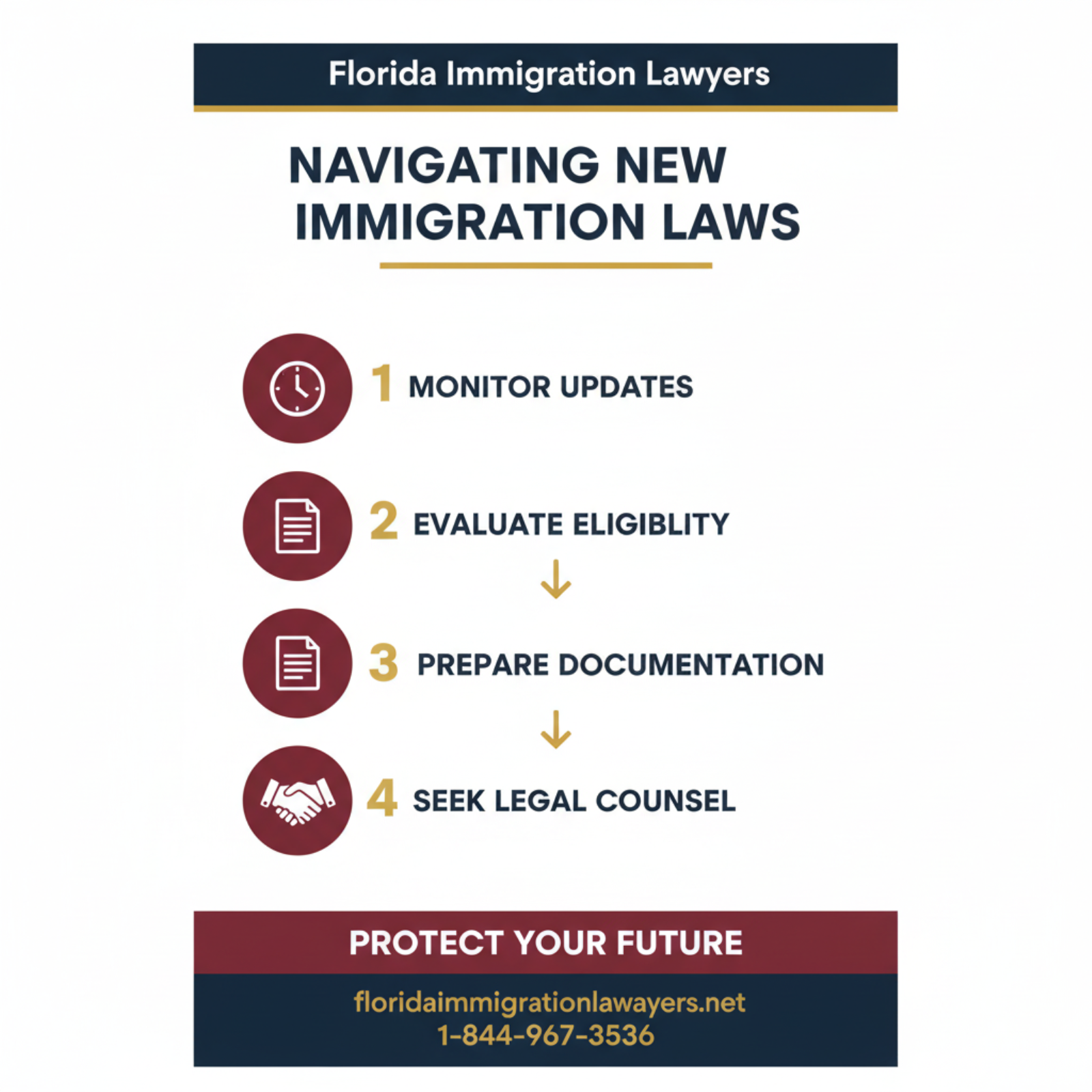
While the Exclusive Citizenship Act of 2025 is still a proposal, its potential passage warrants proactive preparation, especially for Florida residents who might be affected. Uncertainty can be unsettling, but taking concrete steps now can help mitigate future challenges and ensure you are well-positioned to navigate any new legal landscape. The first and most critical step is to stay informed through reliable sources, monitoring legislative developments and reputable legal analyses.
Secondly, gather and organize all relevant personal and immigration documents. This includes birth certificates, naturalization certificates, passports (both U.S. and foreign), marriage certificates, and any other documents related to your citizenship or immigration status. Having these documents readily accessible will be crucial for any legal consultations or applications that may arise. Understand the expiration dates of your passports and visas, and consider renewing them if they are nearing expiry, as processes might become more complicated under new regulations.
Thirdly, assess your current citizenship status and any foreign ties. If you are a dual citizen, understand the laws of your other country of citizenship regarding renunciation or maintenance of status. If you have family members who are dual citizens or are considering naturalization, discuss the potential implications with them. Consider the financial and personal impact of potentially having to choose between citizenships, including property ownership, retirement plans, and family care abroad. Proactive planning can make a significant difference in minimizing disruption. If you have questions or need assistance, do not hesitate to contact us for guidance.
Finally, and perhaps most importantly, consult with an experienced immigration attorney. A lawyer can provide personalized advice based on your specific situation, help you understand the nuances of the proposed legislation, and guide you through any necessary steps. They can also help you identify potential risks and formulate strategies to protect your interests, ensuring you are prepared for whatever changes may come. Early consultation can provide peace of mind and a clear path forward.
The Indispensable Role of an Immigration Attorney
In times of legislative uncertainty and potential shifts in immigration policy, the guidance of a knowledgeable immigration attorney becomes not just beneficial, but truly indispensable. The Exclusive Citizenship Act of 2025, with its complex provisions and far-reaching implications, underscores the critical need for expert legal counsel. An immigration attorney serves as your advocate, interpreter, and strategist, helping you navigate the intricate legal landscape and protect your rights and interests.
An attorney can provide clarity on the specifics of the proposed act, translating legal jargon into understandable terms and explaining how it might directly impact your personal circumstances. They can assess your current citizenship status, evaluate any potential risks, and advise on the best course of action, whether it involves preparing documents, exploring options for renunciation (if necessary), or understanding the ramifications for family members. This personalized advice is invaluable, as general information may not fully apply to your unique situation.
Furthermore, an immigration attorney can represent you in any administrative proceedings or legal challenges that may arise. Should the act pass and lead to disputes over citizenship status, an attorney can advocate on your behalf, ensuring due process is followed and your rights are protected. They are also vital for those who might face increased scrutiny or even potential deportation risks under new, stricter regulations. For individuals seeking protection in the U.S., understanding the intersection of such acts with existing asylum laws is crucial. Our firm provides dedicated Asylum services to those in need.
Beyond immediate concerns, an attorney can help you plan for the long term, anticipating future changes and developing strategies to maintain your legal status and family unity. Their expertise extends to understanding international law, constitutional challenges, and the practical implications of legislative changes. Engaging with our experienced attorneys ensures you have a dedicated legal partner committed to safeguarding your future in the face of evolving immigration policies.
Conclusion
The proposed Exclusive Citizenship Act of 2025 represents a significant potential shift in U.S. immigration and nationality law, with profound implications for Florida residents, particularly those with dual citizenship or strong international ties. While the act is still in its legislative journey, its core aim to establish a singular national allegiance could reshape personal identities, family structures, and economic landscapes.
Understanding the key provisions, analyzing the potential impacts on diverse communities, and recognizing the substantial legal and constitutional challenges are crucial steps for anyone who might be affected. The path forward is uncertain, but preparation and informed decision-making are paramount. By staying abreast of developments, organizing personal documentation, and most importantly, seeking the expert guidance of an experienced immigration attorney, Florida residents can proactively safeguard their interests and navigate these complex changes with confidence. Your future and your status are too important to leave to chance.
No Navegue Este Proceso Solo
Nuestros abogados de inmigración con experiencia están listos para luchar por usted. Obtenga una consulta gratuita y confidencial hoy.
We Speak English
Preguntas Frecuentes
Florida Immigration Lawyers
Abogado de Inmigración | Fundador, Vasquez Law Firm
Veterano de la Fuerza Aérea de EE.UU. y abogado de inmigración con miles de casos resueltos. J.D., NCCU School of Law. Miembro de AILA. Admitido en los Circuitos 4.°, 5.° y 11.°
Disponible 24/7 - Consultas Gratis
Servicios legales relacionados
Nuestros abogados de inmigración en Florida pueden ayudarle con consulta gratis de inmigración, áreas de práctica de inmigración y servicios de inmigración familiar. Llame hoy al 1-844-967-3536 para una consulta gratuita.
Enlaces Relacionados
Temas Relacionados
Consulta Legal Gratuita
Discuta su caso con nuestros abogados experimentados. Estamos disponibles 24/7.
Artículos Relacionados
Entendiendo el Plazo de un Año para el Asilo en Florida
Conozca el plazo de un año para presentar una solicitud de asilo en Florida y cómo puede afectar su elegibilidad. Entienda las excepciones y obtenga asistencia legal experta de Florida Immigration Lawyers.
Servicios de Inmigración en Jacksonville, Florida | VLF Florida
Descubra los principales servicios de inmigración en Jacksonville, Florida. Desde visas hasta ciudadanía, aprenda cómo Florida Immigration Lawyers puede asistirle. Llame al 1-844-967-3536 para una consulta gratuita.
Apelación de Inmigración: Remand del BIA en Florida
Un remand del BIA puede ser un momento crucial en su caso de inmigración, ofreciendo una segunda oportunidad pero también presentando complejidades legales significativas. Para los residentes de Florida, comprender el proceso, desde por qué se remite un caso hasta cómo navegar nuevas audiencias en tribunales como Miami u Orlando, es crucial. Esta guía explica el proceso paso a paso, los documentos esenciales, los plazos y los factores de costo asociados con un remand del BIA. Aprenda a evitar errores comunes y a reconocer cuándo un asesor legal experto es indispensable para proteger sus derechos y buscar un resultado favorable. Florida Immigration Lawyers ofrece un apoyo integral para estos casos desafiantes.