2026 Winter Olympics Ice Hockey: Comprehensive...
2026 Winter Olympics Ice Hockey: Comprehensive Immigration Guide for Florida Athletes & Staff
The anticipation for the 2026 Winter Olympics is building, and for elite ice hockey athletes and their dedicated support staff in Florida, the journey to Milan and Cortina d'Ampezzo often begins with navigating complex U.S. immigration laws. Representing your country on the world stage is a monumental achievement, but securing the necessary visas to train, compete, and even live in the U.S. leading up to such an event requires meticulous planning and expert legal guidance. This comprehensive guide delves into the immigration pathways available for Olympic hopefuls and their teams, highlighting key visa categories, application processes, and how specialized legal assistance can make all the difference.
Whether you're a promising athlete, a seasoned coach, or an essential support staff member, understanding the intricacies of U.S. immigration for international sporting events is crucial. The U.S. Citizenship and Immigration Services (USCIS) has specific provisions for athletes and entertainers, but the application process can be daunting. At ${FIRM_NAME}, we specialize in immigration law, providing tailored solutions for individuals and organizations. If you're an athlete or part of a team preparing for the 2026 Winter Olympics, don't leave your immigration status to chance. Contact us today at ${FIRM_PHONE} for a free consultation.
Understanding the P-1 Visa: The Athlete's Gateway to the U.S.
For most international athletes aiming to train or compete in the U.S. for events like the Winter Olympics, the P-1 visa category is the primary pathway. Specifically, the P-1A visa is designated for internationally recognized athletes. This non-immigrant visa allows individuals or teams to enter the U.S. temporarily to perform at a specific athletic competition or event. The requirements are stringent, demanding proof of sustained international recognition and achievement in your sport.
Eligibility Criteria for P-1A Athletes
To qualify for a P-1A visa, an individual athlete or team must demonstrate a high level of achievement in their sport, evidenced by international recognition. This typically means proving that you or your team have a reputation that is internationally recognized as outstanding. USCIS looks for evidence such as:
- Participation in a major U.S. sports league or team.
- Individual or team ranking among the highest in your sport.
- Receipt of significant awards or honors in the sport.
- Significant media articles about your achievements.
- Documentation from a recognized sports organization attesting to your international recognition.
- A history of significant participation in international competitions.
For ice hockey, this could include playing in top-tier international leagues, representing your national team in world championships, or achieving high rankings in global competitions. The burden of proof is on the applicant, making comprehensive documentation absolutely essential.
Required Documentation and Application Process
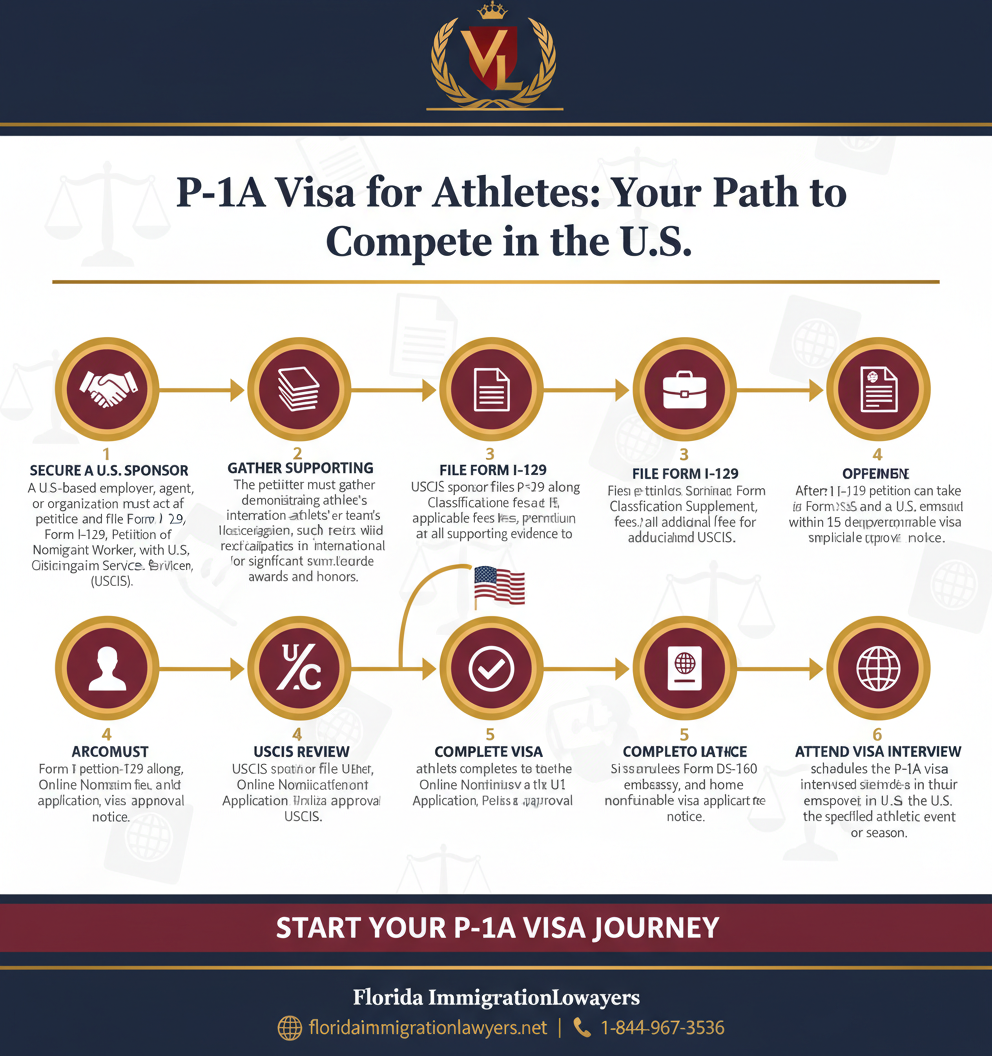
The P-1 visa application process involves several critical steps, beginning with the filing of Form I-129, Petition for a Nonimmigrant Worker, by a U.S. employer, agent, or sponsor. This petition must be accompanied by extensive supporting documentation proving the athlete's or team's eligibility. Key documents include:
- A written consultation from an appropriate labor organization (if one exists) with expertise in the area of the athlete's or team's sport.
- A copy of the contract between the petitioner and the athlete/team.
- An explanation of the event or activity, including dates and itinerary.
- Evidence of international recognition, as detailed above (e.g., awards, rankings, media articles).
Once the I-129 petition is approved by USCIS, the athlete, if outside the U.S., will typically apply for the P-1 visa at a U.S. embassy or consulate in their home country. This consular processing involves an interview and submission of additional forms. It's a detailed and often time-sensitive process, where any misstep can lead to delays or even denial. Our team at ${FIRM_NAME} can assist with preparing all necessary documentation and guiding you through each stage, ensuring compliance with all regulations.
Duration and Extensions for P-1 Visas
A P-1 visa is initially granted for the period necessary to complete the specific competition, event, or season, up to a maximum of five years. For individual athletes, extensions can be granted in increments of up to five years, for a total stay not to exceed ten years. For athletic teams, extensions are typically granted for one year at a time. This flexibility is vital for athletes whose training and competition schedules span multiple years leading up to major events like the Olympics. Understanding these durations and planning for extensions is a key part of long-term immigration strategy, especially for athletes who may wish to continue training in Florida post-Olympics. Our attorneys can help you plan for these scenarios and manage your visa renewals effectively.
Beyond the P-1: Other Visa Options for Olympic Personnel
While the P-1 visa is central for athletes, the Olympic ecosystem involves a vast array of professionals—coaches, trainers, medical staff, media personnel, and administrative support. Each group may require a different visa category depending on their role, duration of stay, and level of expertise.
O-1 Visas for Extraordinary Ability
For individuals with extraordinary ability in the sciences, arts, education, business, or athletics, the O-1 visa is an excellent option. This visa is often suitable for highly accomplished coaches, sports scientists, or even athletes who may not fit the P-1 criteria but possess a truly exceptional level of skill or recognition in their field. The O-1 visa requires extensive documentation proving sustained national or international acclaim, including awards, publications, high salaries, or critical roles in distinguished organizations. This can be a more flexible visa than the P-1 for certain key personnel, allowing for longer initial stays and broader activities.
B-1/B-2 Visas for Short Stays and Business Activities
For individuals requiring very short stays in the U.S. for specific business meetings, scouting, or limited preparatory activities that do not involve direct athletic competition or employment, the B-1 (Business Visitor) or B-2 (Tourist) visa might be appropriate. However, it's crucial to understand the strict limitations of these visas. They do not permit employment or participation in paid athletic events. Misuse of a B-1/B-2 visa can lead to future immigration difficulties, including deportation defense issues. Always consult with an immigration attorney to ensure the correct visa is pursued for your specific activities.
H-2B Visas for Essential Support Staff
In some cases, specific support staff (e.g., specialized equipment technicians, certain administrative personnel) who are not considered athletes or extraordinary individuals might qualify for an H-2B non-agricultural temporary worker visa. This visa requires a temporary labor certification from the U.S. Department of Labor, demonstrating that there are not enough U.S. workers who are able, willing, qualified, and available to perform the temporary work, and that employing foreign workers will not adversely affect the wages and working conditions of similarly employed U.S. workers. This is a more complex and quota-limited visa category, typically used when no other non-immigrant visa is suitable.
The Application Process: A Step-by-Step Guide for Athletes and Teams
Navigating the U.S. immigration system can be complex, with multiple stages and agencies involved. A clear understanding of the process is vital for a smooth application, especially when facing Olympic deadlines.
Initial Consultation and Strategy Development
The first step should always be a thorough consultation with an experienced immigration attorney. At ${FIRM_NAME}, we assess your specific situation, determine the most appropriate visa category, and develop a tailored strategy. This includes identifying potential challenges, outlining required documentation, and establishing a realistic timeline. Early planning is key, as immigration processes can take several months.
Petition Filing with USCIS
For most work-authorized visas like the P-1 or O-1, a U.S. petitioner (e.g., a sports organization, agent, or team) must file a petition with USCIS. This involves submitting the appropriate form (e.g., Form I-129) along with extensive supporting evidence. The quality and completeness of this petition are paramount. USCIS adjudicators scrutinize every detail, and any missing information or weak evidence can lead to Requests for Evidence (RFEs) or even denials. Our attorneys meticulously prepare these petitions, ensuring all requirements are met and the strongest possible case is presented.
Consular Processing or Adjustment of Status
Once the USCIS petition is approved, the next step depends on whether the athlete or staff member is inside or outside the U.S. If outside, they will undergo consular processing at a U.S. embassy or consulate in their home country. This involves completing DS-160 forms, attending an interview, and submitting additional documents. If already in the U.S. on a different valid non-immigrant status, they might be eligible to file for an Adjustment of Status (Form I-485) to change their status without leaving the country. However, Adjustment of Status is typically for those seeking permanent residency, not temporary work visas. For temporary visas, if already in the U.S., a Change of Status (also via Form I-129) would be filed. Understanding the nuances between these processes is critical. The U.S. Department of State's travel.state.gov website provides detailed information on consular processing.
Common Challenges and Pitfalls in Olympic Immigration
Despite careful planning, several hurdles can arise during the immigration process for Olympic athletes and staff. Being aware of these challenges can help in mitigating risks.
Proving Eligibility and International Recognition
One of the most significant challenges for P-1 and O-1 visas is adequately demonstrating the required level of international recognition or extraordinary ability. Subjectivity can sometimes play a role in USCIS adjudications. Compiling a robust portfolio of evidence, including testimonials from experts, media coverage, and official rankings, is crucial. Weak or insufficient evidence is a common reason for RFEs and denials.
Timelines, Deadlines, and Expedited Processing
Immigration processing times can be unpredictable and lengthy. For Olympic athletes, missing deadlines can mean missing the games. While premium processing is available for Form I-129 petitions, guaranteeing a decision within 15 calendar days for an additional fee, it does not apply to consular processing times. Planning well in advance and utilizing all available tools, including premium processing when appropriate, is essential. Our firm helps clients strategize around these timelines, ensuring all applications are filed promptly.
Changes in Immigration Policy and Regulations
Immigration laws and policies are subject to change, sometimes with little notice. New regulations, executive orders, or shifts in enforcement priorities can impact ongoing applications or future plans. Staying informed through reliable legal counsel is vital. For general information on immigration laws and court decisions, the Department of Justice website can be a resource, but specific legal advice should always come from an attorney.
The Role of Legal Counsel in Securing Your Olympic Dream
The stakes are incredibly high for Olympic hopefuls. Entrusting your immigration process to experienced legal professionals can significantly increase your chances of success and alleviate much of the stress involved.
Expert Guidance and Document Preparation
An immigration attorney provides invaluable guidance through every step of the process. From selecting the correct visa category to meticulously preparing and reviewing all required forms and supporting documents, legal counsel ensures accuracy and completeness. This minimizes the risk of RFEs or denials and streamlines the application process.
Representation and Advocacy
Should issues arise, such as an RFE or an interview at a consulate, an attorney can represent you, respond to inquiries, and advocate on your behalf. This expert intervention can be critical in overcoming challenges and ensuring a positive outcome. Our dedicated team at ${FIRM_NAME} is committed to providing robust representation for our clients.
Expedited Processing and Strategic Planning
While an attorney cannot guarantee processing times, they can advise on when and how to utilize premium processing effectively. More importantly, they provide strategic planning for long-term immigration goals, including potential extensions, changes of status, or even pathways to permanent residency if desired post-Olympics. This holistic approach ensures that your immigration strategy aligns with your athletic and personal aspirations.
Don't let immigration hurdles stand between you and the 2026 Winter Olympics. For comprehensive legal support, contact ${FIRM_NAME} at ${FIRM_PHONE} or visit our contact page to schedule a consultation with one of our expert attorneys. We are here to help you achieve your Olympic dream.
Preparing for Life in Florida: Post-Visa Considerations
Once your visa is secured, and you're ready to train in Florida, there are several practical considerations to ensure a smooth transition and compliance with U.S. laws. Florida offers world-class training facilities and a supportive environment for athletes, but understanding local requirements is key.
Maintaining Your Visa Status
It is crucial to adhere to the conditions of your visa. This includes engaging only in the authorized activities (training, competing, etc.), maintaining your non-immigrant intent, and departing the U.S. by the authorized date unless an extension or change of status is approved. Overstaying your visa or violating its terms can lead to severe immigration consequences, including bars to future entry.
Tax Implications for International Athletes
International athletes earning income in the U.S. are subject to U.S. tax laws. This can include income from competitions, endorsements, or sponsorships. Understanding your tax obligations and potential treaties between your home country and the U.S. is essential. Consulting with a tax professional specializing in international taxation is highly recommended to ensure compliance and avoid penalties.
Healthcare and Insurance
Access to healthcare is a critical consideration. While some sports organizations may provide insurance, it’s important to verify coverage and understand what it entails. International athletes should ensure they have adequate health insurance to cover potential medical emergencies or ongoing care while in the U.S., as healthcare costs can be very high. Planning for this aspect ensures peace of mind during your stay.
Driving and Transportation
If you plan to drive in Florida, you will need a valid driver's license. Depending on your home country, an International Driving Permit (IDP) may be required in conjunction with your foreign license. For longer stays, obtaining a Florida driver's license might be necessary. Familiarize yourself with Florida's traffic laws to ensure safe and legal transportation. Our firm can provide general guidance on these practical matters, connecting you with relevant resources.
Conclusion
The path to the 2026 Winter Olympics is paved with dedication, rigorous training, and, for many, complex immigration processes. For Florida-based athletes and their essential support teams, understanding and navigating U.S. visa requirements is a critical step towards achieving their Olympic dreams. From the specialized P-1 visa for athletes to options for coaches and support staff, each category demands meticulous preparation and adherence to strict guidelines.
The challenges of proving international recognition, managing timelines, and adapting to policy changes underscore the importance of expert legal assistance. At ${FIRM_NAME}, our experienced immigration attorneys are dedicated to providing the comprehensive support you need. We guide you through every stage, from initial strategy development and petition filing with USCIS to consular processing and post-visa considerations. Don't let immigration complexities deter your Olympic aspirations. Partner with us to ensure a smooth journey to the global stage. Contact ${FIRM_NAME} at ${FIRM_PHONE} today for a confidential consultation and take the first step towards securing your place at the 2026 Winter Olympics.
No Navegue Este Proceso Solo
Nuestros abogados de inmigración con experiencia están listos para luchar por usted. Obtenga una consulta gratuita y confidencial hoy.
We Speak English
Preguntas Frecuentes
Florida Immigration Lawyers
Abogado de Inmigración | Fundador, Vasquez Law Firm
Veterano de la Fuerza Aérea de EE.UU. y abogado de inmigración con miles de casos resueltos. J.D., NCCU School of Law. Miembro de AILA. Admitido en los Circuitos 4.°, 5.° y 11.°
Disponible 24/7 - Consultas Gratis
Servicios legales relacionados
Nuestros abogados de inmigración en Florida pueden ayudarle con defensa contra deportación, protección de asilo y consulta gratis de inmigración. Llame hoy al 1-844-967-3536 para una consulta gratuita.
Enlaces Relacionados
Temas Relacionados
Consulta Legal Gratuita
Discuta su caso con nuestros abogados experimentados. Estamos disponibles 24/7.
Artículos Relacionados
Entrevista Stokes: Navegando el Fraude Matrimonial en Florida
Una entrevista Stokes es una entrevista especializada y separada realizada por USCIS cuando existen sospechas de fraude matrimonial en una solicitud de tarjeta de residencia. Este riguroso proceso implica el interrogatorio individual de los cónyuges, centrándose en las inconsistencias de sus testimonios para determinar la autenticidad de su vínculo matrimonial. Para las parejas en Florida, navegar esta entrevista de alto riesgo requiere una preparación meticulosa, una documentación exhaustiva y, a menudo, la orientación estratégica de un abogado de inmigración experimentado. Comprender el proceso, prepararse para preguntas detalladas y presentar un caso sólido son cruciales para superar las acusaciones de fraude matrimonial y asegurar su futuro migratorio. Florida Immigration Lawyers está listo para ayudarle.
Abogado de Inmigración Gainesville: Ayuda Legal Norte Florida
Para aquellos en Gainesville, el Condado de Alachua y en todo el Norte de Florida, navegar por la ley de inmigración de EE. UU. requiere orientación experta. Un abogado de inmigración experimentado puede simplificar procesos complejos, desde peticiones familiares y visas de empleo hasta reclamos críticos de asilo y defensa contra la deportación. Esta guía completa describe los servicios esenciales proporcionados por un abogado de inmigración, detalla la documentación necesaria, aclara los tiempos de procesamiento y analiza los costos asociados. También destacamos los errores comunes a evitar y los escenarios cruciales donde el asesoramiento legal es indispensable. Florida Immigration Lawyers atiende a todo Florida, incluyendo Gainesville y St. Petersburg, brindando apoyo legal dedicado para ayudarle a alcanzar sus metas migratorias. Contáctenos para una consulta gratuita para discutir sus necesidades específicas.
Naturalización Militar Acelerada en Bases de Florida
Descubre el proceso de naturalización militar acelerada para miembros de servicio en bases de Florida como MacDill. Aprende sobre elegibilidad, pasos y errores comunes. Contacta a Florida Immigration Lawyers para una consulta gratuita.