Ley de Ciudadanía Exclusiva de Florida de 2025: Lo que Necesitas Saber
Ley de Ciudadanía Exclusiva de Florida de 2025: Comprende su profundo impacto en la residencia estatal, la inmigración y la ley federal. Navega nuevos desafíos de verificación y protege tus derechos con orientación legal. Contáctanos.
La Ley de Ciudadanía Exclusiva de Florida de 2025: Lo que Necesitas Saber
Florida ha sido durante mucho tiempo un estado con un enfoque único hacia diversos asuntos de política, y su panorama legislativo está en constante evolución. En un movimiento que podría remodelar significativamente el tejido legal y social del estado, se prevé que la propuesta de la Ley de Ciudadanía Exclusiva de Florida de 2025 introduzca una nueva capa de complejidad para residentes e inmigrantes por igual. Esta legislación innovadora y potencialmente controvertida busca establecer una categoría distinta de "Ciudadanía de Florida", planteando preguntas críticas sobre su interacción con la ley de inmigración federal y los derechos de las personas que residen dentro de las fronteras del estado. Entender los matices de esta Ley es primordial para cualquiera que viva en Florida o esté considerando mudarse, ya que sus disposiciones podrían tener implicaciones de gran alcance para todo, desde los servicios públicos hasta la situación legal.
Introducción: Analizando la Ley de Ciudadanía Exclusiva de Florida de 2025
El concepto de ciudadanía a nivel estatal, distinto de la ciudadanía federal de EE. UU., no es del todo nuevo en discusiones teóricas, pero es sin precedentes en su implementación propuesta por un estado como Florida. La Ley de Ciudadanía Exclusiva de 2025 busca definir quién califica como "Ciudadano de Florida" en base a criterios específicos de residencia, lazos históricos y potencialmente otros criterios que aún no se han detallado por completo. Los proponentes argumentan que la Ley es una medida necesaria para afirmar la soberanía estatal, gestionar recursos y asegurar que quienes se benefician de los servicios estatales también contribuyan a la identidad única y la estabilidad económica del estado. Sin embargo, los críticos rápidamente señalan posibles conflictos con la Cláusula de Supremacía de la Constitución de EE. UU., que establece la ley federal como suprema, y expresan preocupaciones sobre la creación de un sistema de residencia en dos niveles que podría discriminar contra ciertas poblaciones. Esta Ley no es meramente un cambio burocrático; representa un cambio fundamental en cómo Florida podría definir pertenencia y acceso, estableciendo un precedente que podría resonar en todo el país.
Disposiciones Clave y Criterios de Elegibilidad de la Ley
En su núcleo, la Ley de Ciudadanía Exclusiva de Florida de 2025 describe un marco para que los individuos soliciten y obtengan el estatus de "Ciudadano de Florida". Mientras que el texto completo del proyecto de ley aún está en proceso de refinamiento legislativo, los borradores iniciales sugieren un enfoque multifacético para la elegibilidad, que va más allá de la simple prueba de residencia. La Ley propone un nuevo proceso de solicitud, distinto del proceso de naturalización federal, que requiere que los solicitantes demuestren una presencia física prolongada y continua en Florida, adherencia a las leyes estatales y potencialmente un entendimiento de la historia y los valores cívicos de Florida. Esto podría incluir un número mínimo de años residiendo en el estado, prueba de empleo o propiedad, y un historial limpio de cumplimiento legal a nivel estatal. La Ley también busca establecer una clara distinción entre ciudadanos federales de EE. UU., residentes permanentes legales y aquellos que calificarían únicamente como "Ciudadanos de Florida". Esta diferenciación es crucial porque la Ley tiene la intención de vincular ciertos beneficios estatales, derechos y responsabilidades exclusivamente a este nuevo estatus de Ciudadanía de Florida. Navegar por estos nuevos requisitos sin duda será complejo, y los individuos que busquen entender su situación o solicitar este nuevo estatus deberían consultar con profesionales legales que se especialicen en ley de inmigración y requisitos de residencia estatal.
Definiendo "Ciudadanía Exclusiva"
El término "Ciudadanía Exclusiva" en sí sugiere un estatus que otorga privilegios únicos y potencialmente impone obligaciones distintas no aplicables a otros residentes. Se prevé como un reconocimiento formal por parte del Estado de Florida, que otorga acceso a ciertos programas financiados por el estado, derechos de voto en elecciones estatales y locales (separadas de las elecciones federales) y potencialmente un tratamiento preferencial en el empleo estatal o en instituciones educativas. Esta exclusividad está diseñada para fomentar un sentido más fuerte de identidad estatal y asegurar que los recursos estatales se dirijan principalmente hacia aquellos reconocidos formalmente como Ciudadanos de Florida. Sin embargo, las implicaciones legales de tal definición son vastas, particularmente en lo que respecta a cómo interactúa con los derechos garantizados a todos los ciudadanos de EE. UU. y residentes legales bajo la ley federal y la Constitución de EE. UU. Es probable que la Ley enfrente desafíos legales rigurosos respecto a su capacidad para otorgar o restringir derechos que se consideran tradicionalmente prerrogativas federales, como el derecho a votar en elecciones federales o al acceso a beneficios federales, los cuales permanecen inalterados por esta designación a nivel estatal.
Proceso de Solicitud y Requisitos de Documentación
Se espera que el proceso de solicitud propuesto para la Ciudadanía Exclusiva de Florida sea riguroso, reflejando algunos aspectos de la naturalización federal mientras se enfoca en criterios específicos del estado. Los solicitantes probablemente necesitarán presentar una extensa documentación, incluyendo certificados de nacimiento, prueba de identidad, verificación de residencia a largo plazo (por ejemplo, facturas de servicios públicos, escrituras de propiedad, contratos de arrendamiento que abarquen varios años), registros fiscales que demuestren su contribución financiera al estado, y posiblemente referencias de carácter de residentes establecidos de Florida. También podría haber un requisito de entrevista y una prueba cívica centrada en la estructura gubernamental, historia y valores de Florida. Además, la Ley podría exigir una verificación de antecedentes para asegurar que los solicitantes no tengan un historial criminal descalificante en el estado. La agencia específica responsable de procesar estas solicitudes aún no se ha determinado completamente, pero se anticipa que sea un nuevo departamento estatal o una división ampliada dentro de uno existente. Dada la complejidad y la posibilidad de requisitos en evolución, las personas que consideren postularse deben comenzar a reunir toda la documentación relevante y buscar orientación legal para asegurar el cumplimiento y evitar retrasos o rechazos. Para obtener orientación detallada sobre procesos complejos similares, los recursos de los Servicios de Ciudadanía e Inmigración de EE. UU. (USCIS) pueden ofrecer información sobre estándares federales, aunque los requisitos estatales diferirán significativamente.
El Impacto Amplio en Residentes e Inmigrantes de Florida
La introducción de la Ley de Ciudadanía Exclusiva de Florida de 2025 está destinada a crear un efecto dominó en todos los segmentos de la población del estado, alterando fundamentalmente el panorama tanto para los residentes a largo plazo como para los recién llegados. Para aquellos que ya son ciudadanos estadounidenses o residentes permanentes legales, la Ley introduce un nuevo estatus que pueden o no optar por perseguir, dependiendo de los beneficios que conferirá. Para otros, particularmente para personas indocumentadas o aquellas con estatus temporales, la Ley podría profundizar los desafíos existentes y crear nuevas barreras para la integración y el acceso a servicios esenciales. La posibilidad de un sistema de residencia en niveles plantea preocupaciones sobre la estratificación social, donde el acceso a la atención médica financiada por el estado, la educación y los servicios sociales podría depender de poseer esta nueva Ciudadanía de Florida. Esto podría llevar a disparidades significativas en la calidad de vida y las oportunidades, creando una división clara dentro de las comunidades. Las empresas también podrían enfrentar nuevas complejidades al verificar el estatus de los empleados, y los propietarios podrían encontrar nuevas reglas sobre a quién pueden alquilar. Comprender estos amplios impactos es crucial para todos los interesados, ya que la implementación de la Ley requerirá ajustes en varios sectores de la sociedad en Florida.
Implicaciones para Ciudadanos Federales y Residentes Legales Existentes
Para las personas que ya son ciudadanos estadounidenses por nacimiento o naturalización, o aquellos que tienen estatus de residente permanente legal (Tarjeta Verde), la Ley de Ciudadanía Exclusiva de Florida presenta una opción. Si bien sus derechos y estatus federales permanecen intactos, pueden encontrarse en una posición en la que obtener la Ciudadanía de Florida ofrezca beneficios o protecciones adicionales específicos del estado. Por ejemplo, el acceso preferencial a las tarifas de matrícula de las universidades estatales, ciertas licencias profesionales, o incluso derechos de votación específicos a nivel estatal podrían volverse exclusivos para los Ciudadanos de Florida. En contraste, optar por no buscar este estatus a nivel estatal podría significar perderse estas ventajas, creando potencialmente una sensación de ser un residente de segunda clase dentro de su propio estado. Es crucial que estas personas evalúen los pros y los contras, considerando la carga del proceso de solicitud en comparación con los beneficios percibidos. Los residentes legales, en particular, podrían encontrarse en una posición más precaria, ya que la Ley podría introducir requisitos adicionales a nivel estatal que compliquen su camino hacia la plena integración, incluso mientras buscan la naturalización federal. Consultar con abogados experimentados será vital para entender cómo esta Ley interactúa con su estatus federal existente y sus aspiraciones futuras.
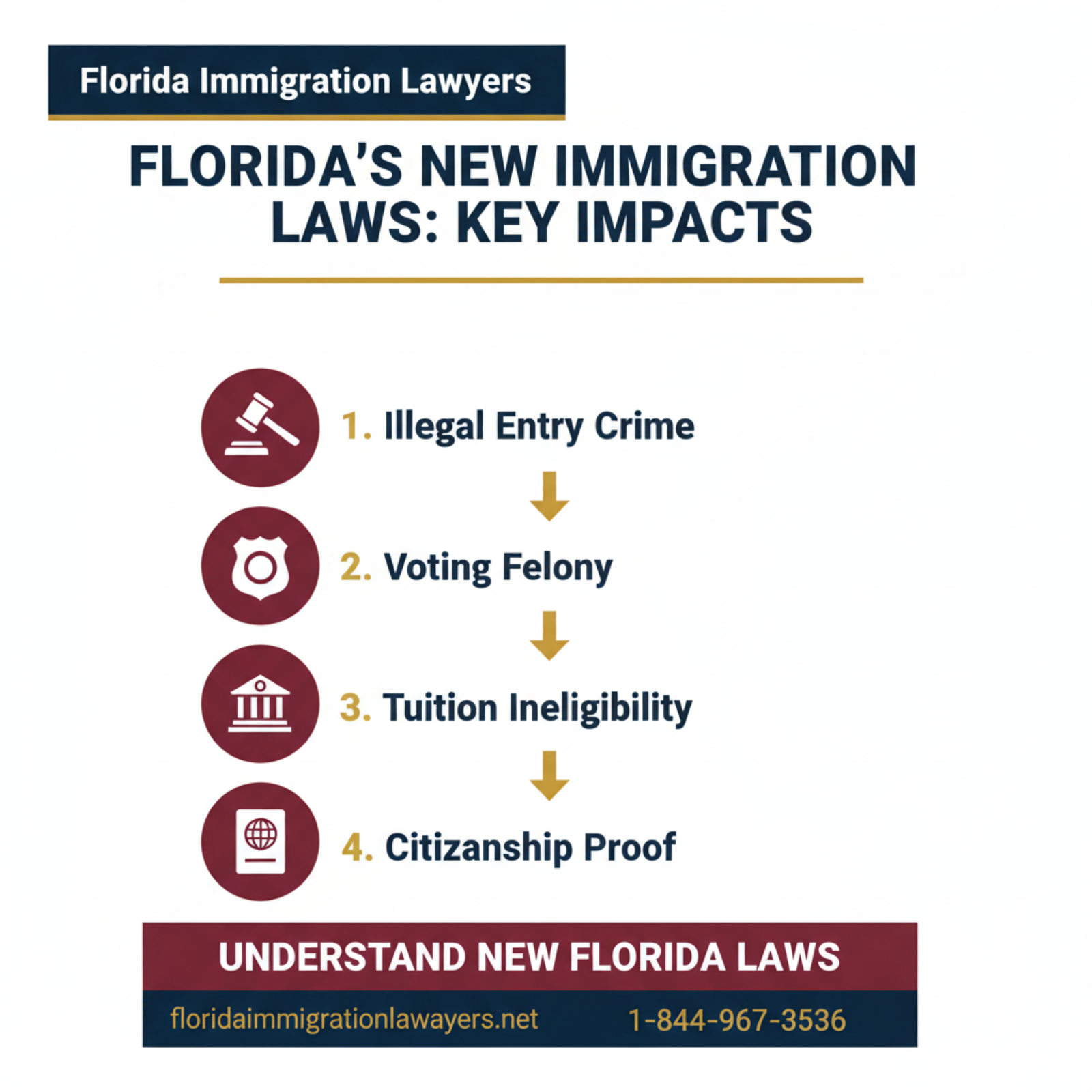
Desafíos para Personas Indocumentadas y Solicitantes de Asilo
El impacto más significativo y potencialmente perjudicial de la Ley de Ciudadanía Exclusiva probablemente será sentido por las personas indocumentadas y los solicitanters de asilo que residen en Florida. Para estas poblaciones, que a menudo ya enfrentan obstáculos significativos para acceder a servicios básicos y protecciones legales, la Ley podría imponer barreras aún más altas. Si los beneficios estatales, como la atención médica de emergencia, la educación pública o incluso la capacidad de obtener una licencia de conducir estatal, se vuelven dependientes de la Ciudadanía de Florida, sus vidas podrían volverse considerablemente más difíciles. La Ley también podría facultar a las agencias estatales para realizar verificaciones más estrictas sobre el estatus de residencia, aumentando potencialmente el riesgo de identificación y, para las personas indocumentadas, la amenaza de problemas relacionados con la defensa contra la deportación. Los solicitantes de asilo, que están legalmente en EE.UU., pero cuyo estatus es temporal y está en revisión, también podrían encontrarse en un limbo legal, incapaces de calificar para la Ciudadanía de Florida mientras sus solicitudes de asilo federal están pendientes. Esto podría agravar su vulnerabilidad y limitar su capacidad para establecer vidas estables mientras esperan una decisión sobre sus reclamos de protección. Las organizaciones que trabajan con estas poblaciones vulnerables, así como los servicios de asistencia legal, enfrentarán una mayor demanda de asistencia para navegar en este nuevo y desafiante entorno.
Navegando el Complejo Panorama Legal: Preeminencia Federal y Desafíos Constitucionales
La Ley de Ciudadanía Exclusiva de Florida de 2025 no es solo una propuesta legislativa; es un posible campo de batalla legal. La misma premisa de que un estado establezca su propio estatus de ciudadanía entra inmediatamente en conflicto con principios de federalismo y derecho constitucional desde hace mucho tiempo. La Constitución de EE.UU. otorga al gobierno federal la autoridad exclusiva sobre asuntos de naturalización e inmigración. Esta división de poder, conocida como preeminencia federal, dicta que cuando las leyes federales y estatales están en conflicto en áreas de supremacía federal, la ley federal prevalece. El intento de la Ley de definir una ciudadanía estatal distinta, con su propio conjunto de derechos y obligaciones, será inevitablemente examinado bajo este principio. Los académicos legales y las organizaciones de derechos civiles ya se están preparando para la probabilidad de desafíos legales inmediatos, argumentando que la Ley sobrepasa la autoridad estatal y viola la jurisdicción federal. Estos desafíos probablemente se centrarán en varias disposiciones constitucionales, incluida la Cláusula de Supremacía, la Cláusula de Ciudadanía de la Décima Cuarta Enmienda (que define la ciudadanía estadounidense) y la Cláusula de Igualdad de Protección, que prohíbe a los estados negar a cualquier persona dentro de su jurisdicción la igual protección de las leyes. El resultado de estas batallas legales no solo determinará el destino de la Ley, sino que también podría sentar un precedente significativo para el equilibrio de poder entre los estados y el gobierno federal en asuntos de inmigración y ciudadanía.
La Cláusula de Supremacía y la Autoridad Estatal vs. Federal
La Cláusula de Supremacía, que se encuentra en el Artículo VI de la Constitución de EE.UU., es quizás el desafío más directo a la Ley de Ciudadanía Exclusiva de Florida. Establece que la Constitución y las leyes de los Estados Unidos "serán la Ley suprema del País... cualquier cosa en la Constitución o leyes de cualquier Estado en contrario no obstante". Esta cláusula ha sido históricamente interpretada para significar que los estados no pueden aprobar leyes que contradigan o socaven las leyes federales, especialmente en áreas donde el gobierno federal tiene autoridad exclusiva, como la inmigración y la naturalización. El gobierno federal, a través de agencias como USCIS y el Departamento de Justicia, tiene un marco integral para definir quién es ciudadano estadounidense, quién puede convertirse en uno y los derechos y responsabilidades asociados con ese estatus. Una ciudadanía a nivel estatal que intente crear una clase separada de ciudadanos o otorgar/negar derechos basados en un estatus específico del estado podría verse como un conflicto directo con esta autoridad federal. Los argumentos legales probablemente se centrarán en si la Ley es simplemente un complemento a la ley federal o si interfiere directamente con el esquema federal para la inmigración y la ciudadanía. Los tribunales tendrán que determinar si la Ley de Florida invade un área que el Congreso pretendía ocupar exclusivamente, o si crea un obstáculo para el logro y la ejecución de los objetivos federales.
Demandas Potenciales y Revisión Judicial
Dada la naturaleza conflictiva de la Ley de Ciudadanía Exclusiva de Florida, es casi seguro que enfrentará desafíos legales inmediatos y sostenidos. Las organizaciones de derechos civiles, los grupos de defensa de inmigrantes y potencialmente incluso el gobierno federal podrían presentar demandas para bloquear su implementación. Estos casos probablemente comenzarían en los tribunales de distrito federal, con el potencial de escalar a través del sistema judicial federal, posiblemente llegando a la Corte Suprema de los EE. UU. El proceso de revisión judicial incluiría amplios argumentos legales sobre la constitucionalidad de la Ley, su consistencia con la ley federal de inmigración y su potencial impacto discriminatorio. Los abogados presentarían pruebas y argumentos sobre el propósito previsto de la Ley, sus efectos prácticos y su adhesión a los principios constitucionales establecidos. La comunidad legal estará muy atenta a estos desarrollos, ya que el resultado podría tener profundas implicaciones para los poderes legislativos estatales en relación con la inmigración. Las personas afectadas por la Ley, o aquellos preocupados por sus implicaciones, deben mantenerse informados sobre estos procedimientos legales y considerar buscar asesoramiento de abogados que manejen casos de derecho constitucional y derecho de inmigración para comprender sus derechos y posibles soluciones.
Pasos Prácticos para las Personas Afectadas por la Ley
Independientemente de las batallas legales que se avecinan, la mera existencia de la Ley de Ciudadanía Exclusiva de Florida de 2025 significa que las personas que residen o planean mudarse a Florida necesitan ser proactivas. Comprender su estado legal actual, reunir documentación esencial y mantenerse informado sobre los desarrollos legislativos y judiciales son pasos cruciales. La Ley, si se implementa, introducirá nuevos obstáculos burocráticos y podría alterar el acceso a diversos servicios estatales. Prepararse para estos cambios ahora puede ayudar a mitigar complicaciones futuras. No se trata solo de cumplimiento; se trata de proteger sus derechos y asegurar su capacidad de vivir y prosperar en Florida. El panorama de la residencia y ciudadanía a nivel estatal está cambiando, y estar preparado es la mejor defensa ante desafíos imprevistos. Incluso si la Ley enfrenta retrasos o es finalmente anulada, las discusiones y propuestas que genera resaltan la necesidad continua de vigilancia y acción informada respecto a las políticas de inmigración y residencia.
Comprendiendo Sus Derechos y Obligaciones
El primer y más crítico paso para cualquier persona en Florida es comprender a fondo su estado federal de inmigración actual y los derechos asociados con él. ¿Eres ciudadano de EE. UU., residente permanente legal, titular de visa o solicitante de asilo? Cada estado conlleva protecciones y obligaciones federales específicas que la Ley estatal no puede anular unilateralmente. Sin embargo, la Ley puede introducir nuevas obligaciones o requisitos a nivel estatal para acceder a ciertos beneficios estatales. Por ejemplo, aunque la ley federal garantiza ciertos derechos a todas las personas, el estado podría intentar limitar el acceso a programas financiados por el estado en función de la Ciudadanía de Florida. Es esencial saber qué derechos están protegidos por la ley federal y cuáles podrían estar sujetos a la discreción estatal bajo la nueva Ley. Esta distinción será clave para desafiar cualquier acción estatal que sobrepase los límites constitucionales. Mantenerse informado sobre las interpretaciones en evolución de la Ley y su interacción con la ley federal es fundamental. Recursos de organizaciones como la ACLU y el Centro Nacional de Leyes de Inmigración pueden proporcionar ideas valiosas sobre sus derechos, al igual que la consulta directa con un abogado de inmigración.

Reuniendo Documentación Esencial
En anticipación a cualquier nuevo requisito, se recomienda encarecidamente comenzar a compilar y organizar toda la documentación personal y de residencia esencial. Esto incluye, pero no se limita a: certificados de nacimiento, pasaportes, documentos de inmigración de EE. UU. (por ejemplo, Tarjetas de Residencia, sellos de visa, tarjetas EAD), tarjetas de seguro social, certificados de matrimonio, decretos de divorcio, registros escolares, registros de empleo, declaraciones de impuestos, facturas de servicios, contratos de arrendamiento o escrituras de propiedad, y cualquier otro documento oficial que pruebe su identidad y residencia continua en Florida. Tener estos documentos fácilmente accesibles y actualizados será crucial para cualquier proceso de solicitud de Ciudadanía de Florida, o para demostrar su estado legal existente en caso de ser desafiado. También es prudente mantener copias digitales en una ubicación segura y accesible. Cuanto más organizado estés ahora, mejor preparado estarás para navegar por cualquier nueva demanda burocrática introducida por la Ley. Este enfoque proactivo puede ahorrar un tiempo significativo y reducir el estrés si necesitas verificar tu estado o solicitar nuevas designaciones.
Cómo un Abogado de Inmigración Puede Ayudar
Las complejidades introducidas por la Ley de Ciudadanía Exclusiva de Florida de 2025 subrayan la necesidad crítica de orientación legal. Navegar por un nuevo marco de ciudadanía a nivel estatal, que podría ser inconstitucional, junto con las leyes de inmigración federales existentes, es una tarea desalentadora para los individuos. Un abogado de inmigración puede brindar asistencia invaluable, desde aclarar su estado actual y sus implicaciones bajo la nueva Ley hasta representarlo en cualquier proceso de solicitud o desafíos legales que puedan surgir. Ellos pueden ayudarle a comprender los criterios específicos de elegibilidad, preparar la documentación necesaria y asegurar que sus derechos estén protegidos a lo largo de lo que promete ser un período turbulento. Ya sea que usted sea un ciudadano estadounidense, un residente permanente legal o un inmigrante con un estatus temporal, un abogado puede ofrecerle asesoramiento personalizado y planificación estratégica para salvaguardar sus intereses. El panorama legal que rodea esta Ley es dinámico, y tener a un defensor conocedor a su lado no solo es beneficioso, sino a menudo esencial.
Orientación Durante la Solicitud y Verificación
Si la Ley de Ciudadanía Exclusiva de Florida avanza, solicitar o verificar su estado bajo sus disposiciones probablemente será un proceso complejo y centrado en los detalles. Un abogado de inmigración puede guiarle en cada paso, asegurándose de que su solicitud esté completa, sea precisa y se presente correctamente. Ellos pueden ayudarle a comprender la documentación específica requerida, asistirle en la recopilación de registros difíciles de obtener y prepararle para cualquier entrevista o evaluación. Más importante aún, un abogado puede identificar posibles problemas o señales de advertencia en su caso y aconsejarle sobre cómo abordarlos de manera proactiva. Su conocimiento en la interpretación de lenguaje legal complejo y procedimientos administrativos será invaluable para navegar con éxito la nueva burocracia del estado. Esta asistencia profesional puede aumentar significativamente sus posibilidades de un resultado exitoso y minimizar el estrés asociado con un proceso tan novedoso y potencialmente confuso. Para obtener asistencia con cualquier asunto relacionado con la inmigración, incluyendo preocupaciones sobre esta Ley, por favor contáctenos para una consulta.
Defensa Contra Acciones Adversas
Una de las preocupaciones más significativas que surgen de la Ley de Ciudadanía Exclusiva de Florida es la potencialidad de acciones adversas contra aquellos individuos que no cumplan con los nuevos criterios a nivel estatal o cuyo estatus sea cuestionado. Esto podría variar desde la denegación de beneficios estatales hasta consecuencias más severas si la Ley se interpreta de manera que permita un aumento de la aplicación estatal contra No Ciudadanos de Florida. Un abogado de inmigración puede proporcionar una sólida defensa contra la deportación, representarlo en audiencias administrativas o impugnar cualquier práctica discriminatoria que pueda surgir de la implementación de la Ley. Si enfrenta una denegación de servicios estatales, un desafío a su estatus de residencia o cualquier otra consecuencia negativa, un abogado puede abogar en su nombre, asegurándose de que sus derechos federales y constitucionales sean defendidos. Su papel será crucial en desafiar cualquier abuso de poder por parte de las autoridades estatales y en garantizar que se siga el debido proceso. Proteger sus derechos en este entorno legal en evolución requiere representación legal vigilante y conocedora.
Conclusión: Manteniéndose Informado en un Clima de Inmigración Cambiante
La Ley de Ciudadanía Exclusiva de Florida de 2025 representa un esfuerzo legislativo significativo con profundas implicaciones para los residentes del estado y la discusión nacional más amplia sobre inmigración y federalismo. Si bien su destino final y disposiciones exactas permanecen sujetos a revisión legislativa y judicial, su posible impacto requiere un compromiso proactivo y una toma de decisiones informada. Mantenerse al tanto de los desarrollos legislativos, comprender sus derechos y preparar su documentación son pasos cruciales. Dadas las complejas desafíos legales y la potencialidad de un nuevo sistema dual de ciudadanía, buscar asesoramiento legal no solo es recomendable, sino esencial. Nuestro equipo de Abogados de Inmigración de Florida está comprometido a proporcionar orientación integral y representación sólida para ayudarle a navegar estos cambios sin precedentes. Animamos a todos con preguntas o inquietudes a comunicarse para una consulta, asegurando que esté bien preparado para lo que depara el futuro. Su tranquilidad y seguridad legal son nuestras principales prioridades en este paisaje en evolución.
No Navegue Este Proceso Solo
Nuestros abogados de inmigración con experiencia están listos para luchar por usted. Obtenga una evaluación gratis de su caso y confidencial hoy.
We Speak English
O deje sus datos y le llamamos:
Evaluación Gratis en 24 Horas
O hable con nosotros ahora

Asistente de voz IA — disponible 24/7
GratisPreguntas Frecuentes

William J. Vásquez
Abogado Fundador · Vasquez Law Firm
Veterano de la Fuerza Aérea de EE.UU. y abogado de inmigración con años de experiencia práctica en inmigración de EE.UU. J.D., NCCU School of Law. Miembro de AILA. Admitido en los Circuitos 4.º, 5.º y 11.º.
Disponible 24/7 - Evaluaciones Gratis de su Caso
Revisado para exactitud legal por William J. Vásquez
Con licencia en Carolina del Norte; la inmigración a EE.UU. es una práctica federal.
Servicios legales relacionados
Nuestros abogados de inmigración en Florida pueden ayudarle con costo de un abogado de inmigración, áreas de práctica de inmigración y servicios de inmigración familiar. Llame hoy al 1-844-YO-PELEO para una evaluación gratis de su caso.
Enlaces Relacionados
Temas Relacionados
Evaluación Legal Gratis de su Caso
Discuta su caso con nuestros abogados experimentados. Estamos disponibles 24/7.
Artículos Relacionados
Tarjeta Verde EB-5 para Inversores en Florida: Guía 2026
Explore cómo obtener una tarjeta verde EB-5 para inversores en Florida. Aprenda sobre los requisitos de inversión, procesos y beneficios de participar en este programa. Descubra cómo el paisaje económico de Florida puede ser un escenario ideal para su inversión. Contacte a Florida Immigration Lawyers para una revisión gratuita de su caso.
Impacto del Expungement en Inmigración en Florida 2026
Para los no ciudadanos estadounidenses en Florida, comprender cómo un expungement estatal impacta el estatus migratorio es fundamental. Un certificado de elegibilidad para expungement en Florida permite que un registro penal sea sellado o expurgado bajo la ley estatal. Sin embargo, las agencias federales de inmigración a menudo ignoran dicho alivio a nivel estatal, aún considerando el delito penal original como una condena para fines de inmigración. Esto puede tener graves implicaciones para las solicitudes de visa, la elegibilidad para la tarjeta verde, la naturalización e incluso conducir a la deportación. Esta guía aclara el proceso de expungement en Florida, su efecto limitado en la ley federal de inmigración y los pasos clave para proteger su estatus en 2026. Aprenda sobre errores comunes, documentos requeridos, plazos y cuándo buscar asesoramiento legal experto de Florida Immigration Lawyers para navegar estos problemas complejos de manera efectiva.
Tarjeta Combo EAD y Advance Parole en Florida 2026
Para las personas con un Formulario I-485, Solicitud para Registrar Residencia Permanente o Ajustar Estatus, pendiente, la Tarjeta Combo EAD y Advance Parole es un documento esencial. Esta tarjeta única combina la autorización para trabajar legalmente en EE. UU. (Documento de Autorización de Empleo - EAD) con el permiso para viajar internacionalmente y reingresar sin abandonar su solicitud de tarjeta verde (Advance Parole). Esta guía de Florida Immigration Lawyers proporciona una visión general completa para los solicitantes en Florida en 2026, cubriendo la elegibilidad, el proceso de solicitud paso a paso, los documentos requeridos, los tiempos de procesamiento esperados y los costos asociados. También destacamos los errores comunes a evitar y cuándo buscar asesoramiento legal para asegurar un viaje de inmigración sin problemas y exitoso.